We are a group of microbiologists, bacterial and cancer biologists, and computational scientists dedicated to deciphering the role of microbes in cancer.
Our work with the @CJohnstonLab1 lab out today @Nature demonstrating the intratumoral microbiota impacts spatial, cellular and transcriptional heterogeneity in human cancer. Monster tweetorial below from Chris.
Finally, two papers out within a day of each other from the @BullmanLab and @CJohnstonLab1 relating to the intratumoral microbiota, today in @Nature (https://t.co/crU4Azm6Ck) and yesterday in @CellReports (https://t.co/ESITlazD6h). 🧵below to those interested!
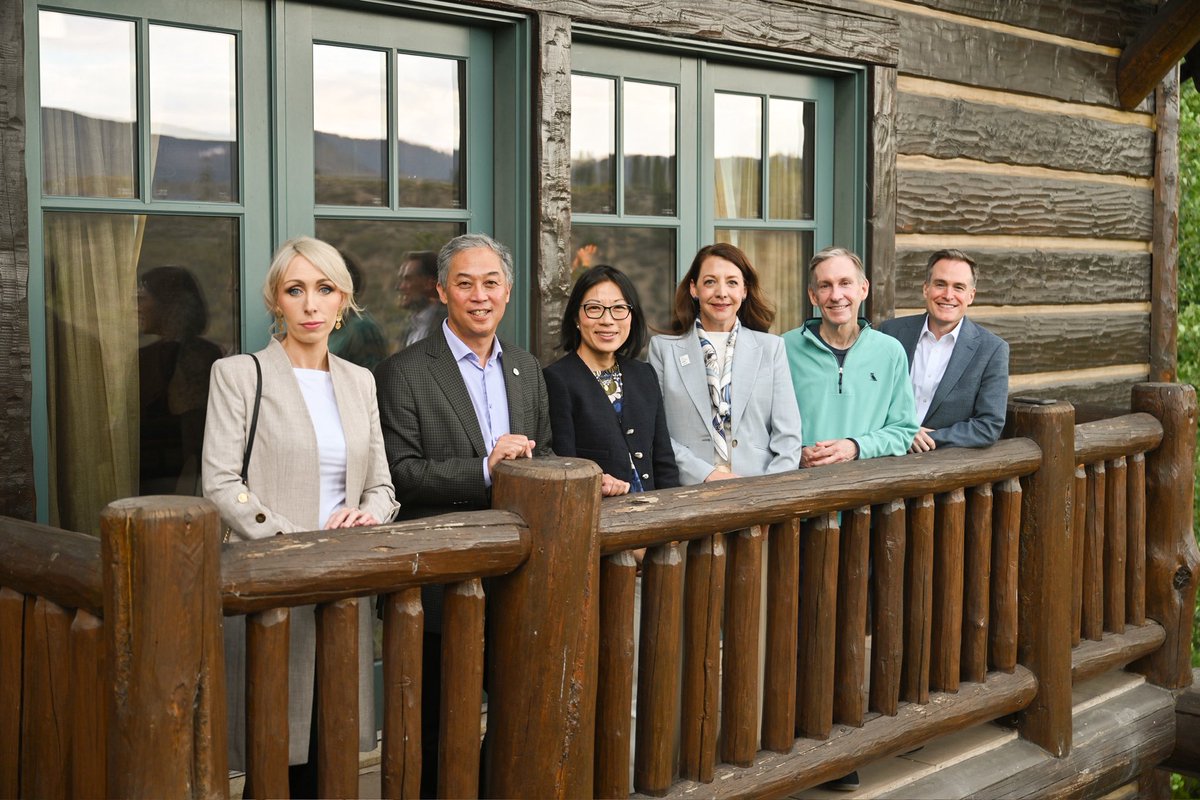
Enjoyed spending time with friends and supporters of @UTMDAnderson in Vail Valley and discussing the future of cancer care. From immunotherapy and the microbiome to patient-centered care and pediatric oncology, the opportunities ahead are inspiring. #EndCancer
Thrilled to celebrate my mentor @JenWargoMD on her election to the Fellows of the AACR Academy. This honor recognizes visionary leaders whose work has transformed cancer research—no one more deserving. Inspiring to learn from the best.
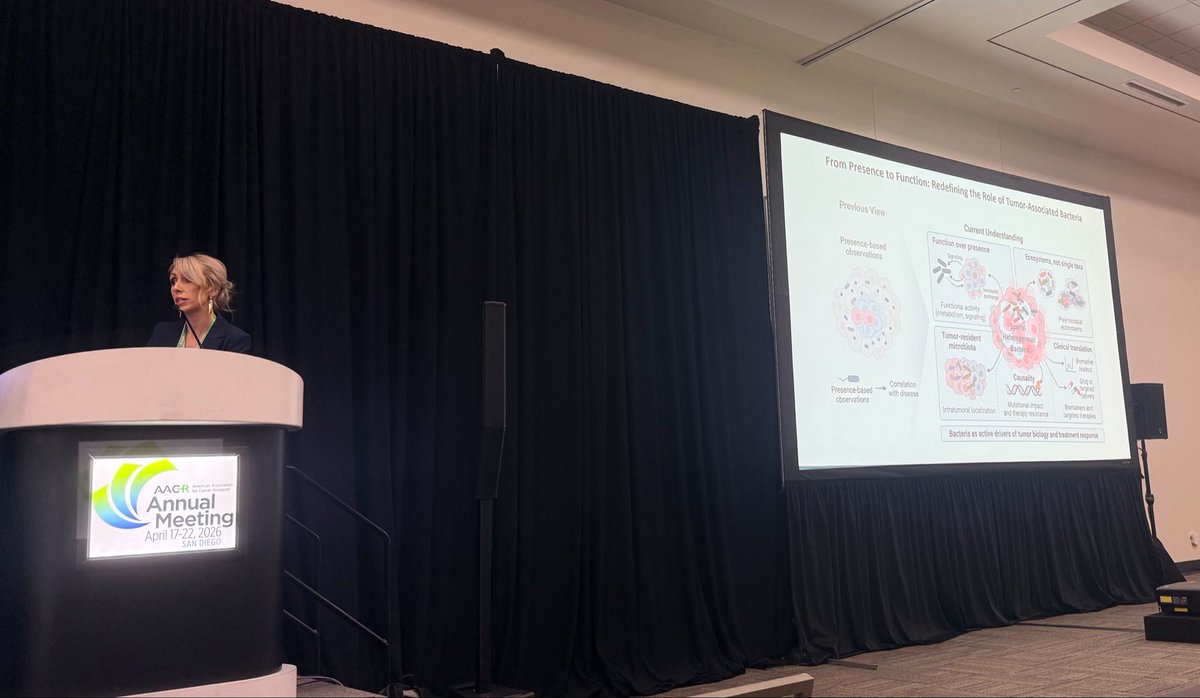
The relationship between the tumor microenvironment and tumor-infiltrating microbes is bidirectional in colorectal cancer; each affects the other, our Dr. Susan Bullman said at #AACR26. How they do so may help us create new clinical interventions. Learn more: https://t.co/NklvzW82BY @BullmanLab #EndCancer
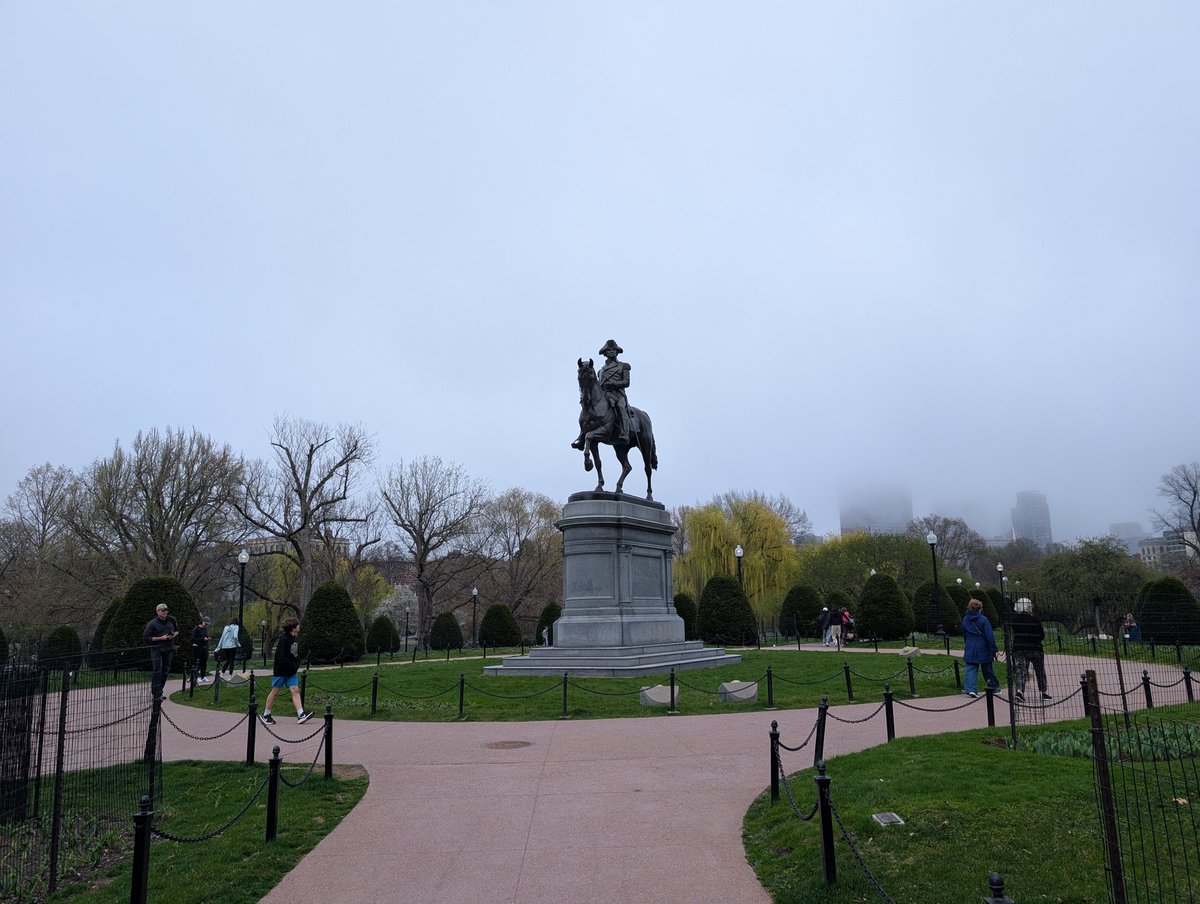
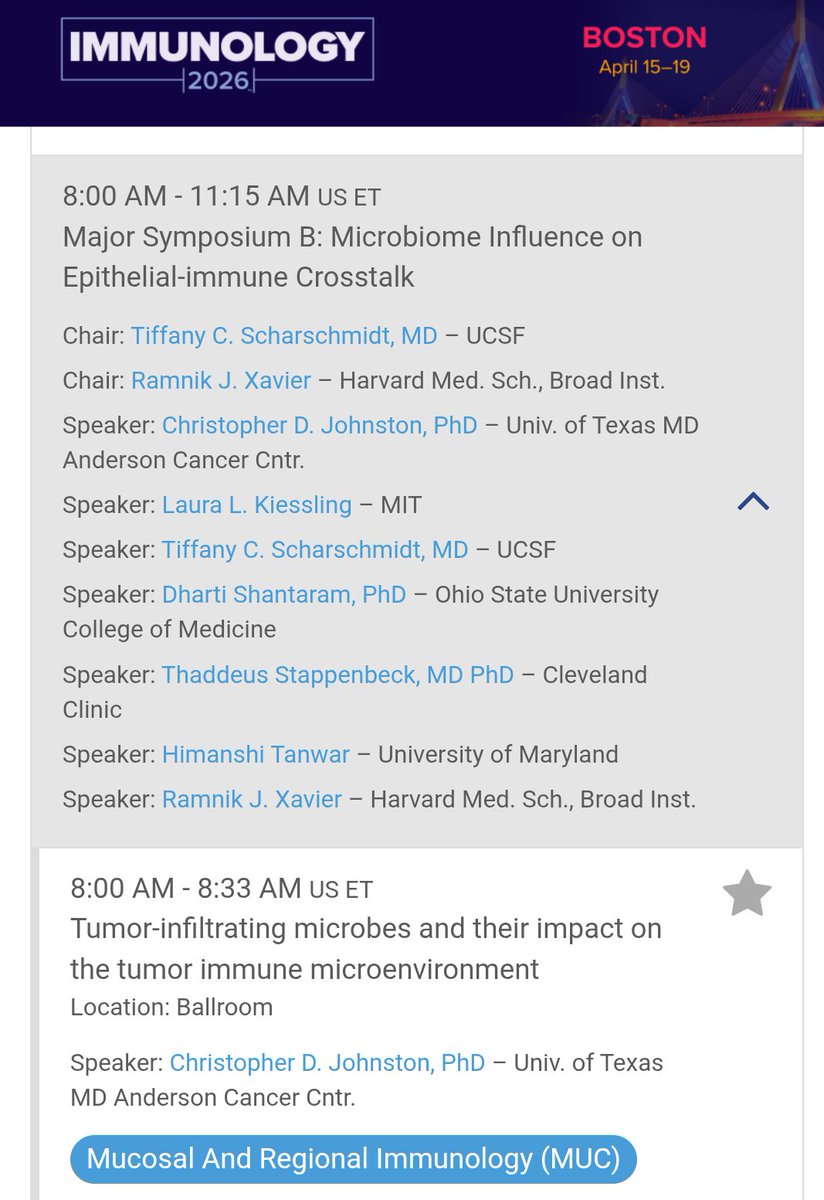
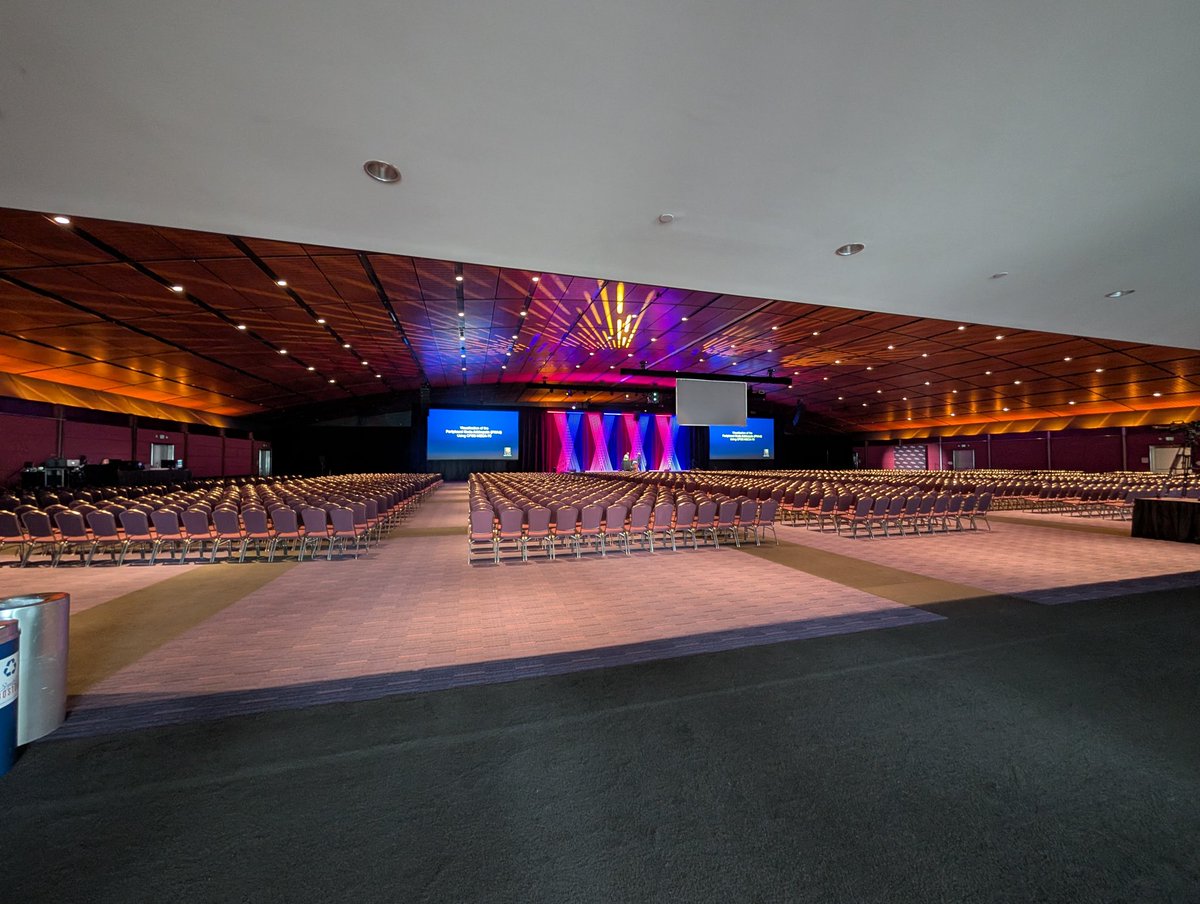
Great to be back in Boston for #Immunology2026. Looking forward to presenting our lab @UTMDAnderson the @BullmanLab's work on tumor-infiltrating microbes - in this giant ballroom! Join us bright and early for awesome session and speaker line up! (April 16th 8am)
New Preprint 📢 from our team 🔎 Critical assessment of #intratumor and #low#biomass#microbiome using #longread sequencing
Have you heard about #cancer microbiome or #intratumor microbiome? Some studies suggest bacteria 🦠 live inside tumors and influence cancer treatment. But there’s also been a major #debate: in these very low-microbe tissue samples, how much of the microbial signal is real ❓ and how much is background noise from the lab or the environment ❓
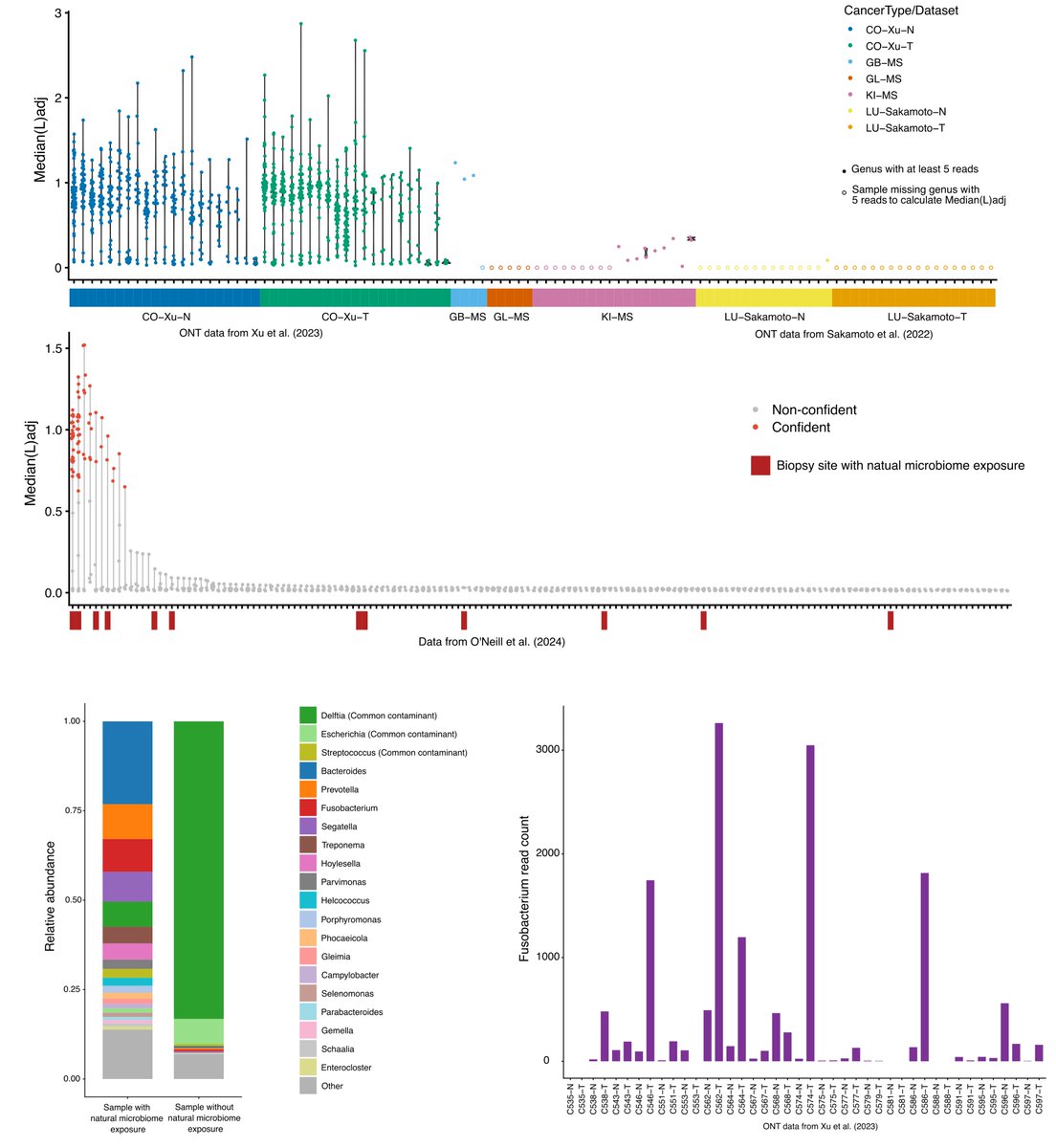
We tackle this with a simple idea: look at DNA fragment sizes using #longread sequencing. If microbes are truly present as intact cells, their DNA should show up as long, genome-like fragment distributions, not mostly short broken (degraded) pieces. Long-read data lets us distinguish those two cases! To make this more robust across datasets, we developed a #metric that normalizes microbial DNA fragment lengths to human DNA fragment lengths within the same sample.
Negative #controls: germ-free mice and human cell culture datasets, where true resident microbes are not expected and any microbial signal is most likely introduced during workflows (i.e. contaminations).
Positive #controls: bacteria spike-in, and importantly, GI tumors with well established bacteria: e.g. #Helicobacter #pylori in #gastric cancer, #Fusobacterium in #colorectal cancer.
Across multiple tumor types and tissues (public + new data), we find that long microbial reads are mainly seen in tissues with natural microbial exposure (such as #gut, #stomach, #skin, #vagina and #cervix, etc). Outside those settings, most microbial signals look more like fragmented, and the occasional long fragments often match well-known #contaminant organisms.
One finding that stood out to us was the #lung, which is constantly exposed to microbes we breathe in, yet in our analysis, the microbial signal appeared mostly as short, fragmented DNA, which is more consistent with transient exposure and rapid clearance than with stable resident microbes in deep lung tissue.
The new metric also helps #unify earlier debates about microbiomes reported in #placenta and #blood. When we reanalyzed long-read data from those settings using the same read length-based approach, we found no evidence for a stable resident microbiome under normal conditions, consistent with the current consensus that most signals reflect background contamination, with true positives mainly expected during active infection.
Long story short, but this was a 4+ years effort led by Yanchun Zhang and Andy Mead. Grateful to all collaborators who contributed valuable samples and feedback: Mi Ni, @MagdalenaKsi, @clannabel7, @LauraZuluagaJim, Gintaras Deikus, Robert Sebra, Rachel Brody, Raymund Yong, @NYCRoboticTeam, @Xue_Song__Zhang. @SinaiGenetics@IcahnInstitute
Link: https://t.co/MHGNCFY447
We’d love your thoughts!
#longread @PacBio@nanopore
#metagenomics #pacbio #nanopore
We’re excited to announce that Anirban Maitra, MD (@Aiims1742)—a pre-eminent physician-scientist whose work has widely influenced the field of pancreatic cancer research—has been appointed the new director of @Perlmutter_CC here at NYU Langone.
For more: https://t.co/a710zOE04c
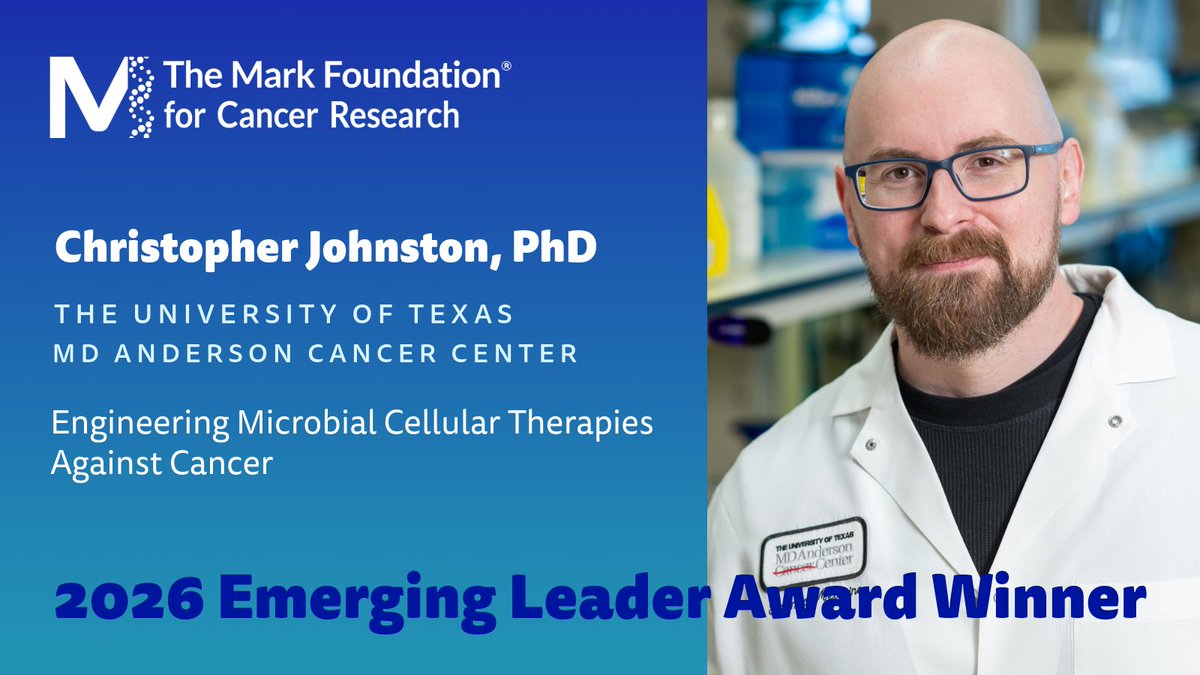
Christopher Johnston (@CJohnstonLab1) is engineering human-derived bacteria to act as "cellular therapies," infiltrating solid tumors to deliver medicine directly into the most treatment-resistant environments. 🧫 @MDAndersonNews
New from the Bullman Lab in Cancer Cell!
Tumor-infiltrating bacteria, including Fusobacterium, disrupt cell-cell contacts & trigger quiescence, uncovering a pathway of bacteria-induced therapy resistance
🔗 https://t.co/Bd3L6izEAl
Thanks to @MDAndersonNews, @FredHutch, @UTEPnews
Bacteria can impact cancer progression and treatment.
A new study shows how a particular bacteria can induce a reversible state in cancer epithelial cells, which allows tumors to evade the immune system and resist chemotherapy: https://t.co/wSE0NecCYF @BullmanLab#EndCancer
I’m happy to share our latest work on tumour necrosis! During my time in the @megeblad lab, we found that tumour necrosis is not a passive phenomenon secondary to tumour growth, but an active phenomenon driven by neutrophils and NETs! Thread below: (1/13)
https://t.co/Tr0nHLXRzz
Absolutely insane amount of data in this resource from @mason_lab
The Spatial Atlas of Human Anatomy (SAHA): A Multimodal Subcellular-Resolution Reference Across Human Organs
https://t.co/rwKWVtidfZ
Spatial data on 15million cells from 100 donors across multiple ages, mainly GI
What exactly does "Fusobacterium nucleatum" refer to? It depends who you ask (and when you asked them). Our new perspective on taxonomy and naming challenges @GutMicrobes, proposing a genomics-based framework for Fusobacterium species designations. 🦠
https://t.co/8jS3e9agYJ
If your stack of images is full of defects, don't panic!
InterpolaAI, a deep learning-based optical flow method, will fix issue tears, photobleaching and sticking artifacts for improved 3D imaging.
Read our paper in Nature Methods: https://t.co/LIpzl3heoB
Second paper on HMGA2 mediated basal identity in #PancreaticCancer from Sita Kugel @fredhutch. This one is an elegant mechanistic dissection of the multi step cascade through which HMGA2 overexpression orchestrates basal lineage state:
https://t.co/vUgXCW6vNL