Changing U.S. foreign policy is hard. Any new president entering the Oval Office needs a plan--not just for what to do, but how to do it. We did an in-depth study of multiple historical cases and distilled the findings into five factors that really help make change possible:
Not since the Suez crisis have the US and Europe been so divided over the Middle East, but the split doesn't need to be permanent. My thoughts alongside an excellent companion piece by @NathalieTocci, with thanks to @ConStelz for convening the workshop.
Great to speak with @NatashaFatah of @cbc about why the Trump administration now has its sites on Cuba, despite the political unpopularity of the Iran war—indeed, because of it. Doubling down on military drama in another attempt to drive attention away from an obvious failure.
https://t.co/8wTG0RS9SK
Military action looms and the irony is that the best outcome will resemble the status-quo with Cuba when Trump took over the reins from Obama (see also, Iran). In Cuba this means a more open economic relationship, greater political comity, and the same old regime in power.
The Trump administration’s indictment of Castro comes as it pursues a policy of economic strangulation to try to drive the current leadership from power https://t.co/DmFdHPVD1b
We document the Biden administration’s China diplomacy in this report and assess that it was largely successful, especially after initial challenges were overcome.
https://t.co/sF9mHXfssE
This is obviously false.
The Biden strategy was “managed competition” and involved a wide range of channels focused on managing escalation risk — particularly starting in late 2022.
Republicans attacked the admin for that strategy and for keeping those channels open.
Has Trump irreparably damaged U.S.-European trust?
@CChivvis and @SophiaBesch discuss on the latest episode of the Pivotal States podcast⤵️
https://t.co/9itbJ4FS1h
Will Germany make good on the promise of the Zeitenwende or drift back toward a more cautious defense policy?
@SophiaBesch tells @CChivvis that Germany's strategic shift is here to stay.
Full podcast episode: https://t.co/9itbJ4FS1h
Washington needs to be doing much more hard-nosed thinking about what a realistic future for U.S.-Germany relations looks like. Germany is undeniably a pivotal state and U.S. relations with it can't be sidelined without serious consequences. But old shibboleths will have to be chucked to make the relationship productive again for both sides.
Great to have @SophiaBesch on Pivotal States to think through what we need to do NOW to build the intellectual foundations for the future relationship.
🎧 NEW on the Pivotal States podcast:
The war with Iran, Trump’s claims on Greenland, and possible U.S. troop withdrawals have all put U.S.-German relations under strain.
Has trust been irreparably broken?
@SophiaBesch joins @CChivvis to discuss⤵️
https://t.co/jTwyDeIDAQ
🎧 NEW on the Pivotal States podcast:
The war with Iran, Trump’s claims on Greenland, and possible U.S. troop withdrawals have all put U.S.-German relations under strain.
Has trust been irreparably broken?
@SophiaBesch joins @CChivvis to discuss⤵️
https://t.co/jTwyDeIDAQ
As Trump meets with Xi in Beijing this week, U.S.-China relations are at the center of global attention. What lessons can be drawn from Biden's China strategy?
@CChivvis & @mrworldwide1701 offer insights on how America can manage the relationship:
https://t.co/qYy0mmvK72
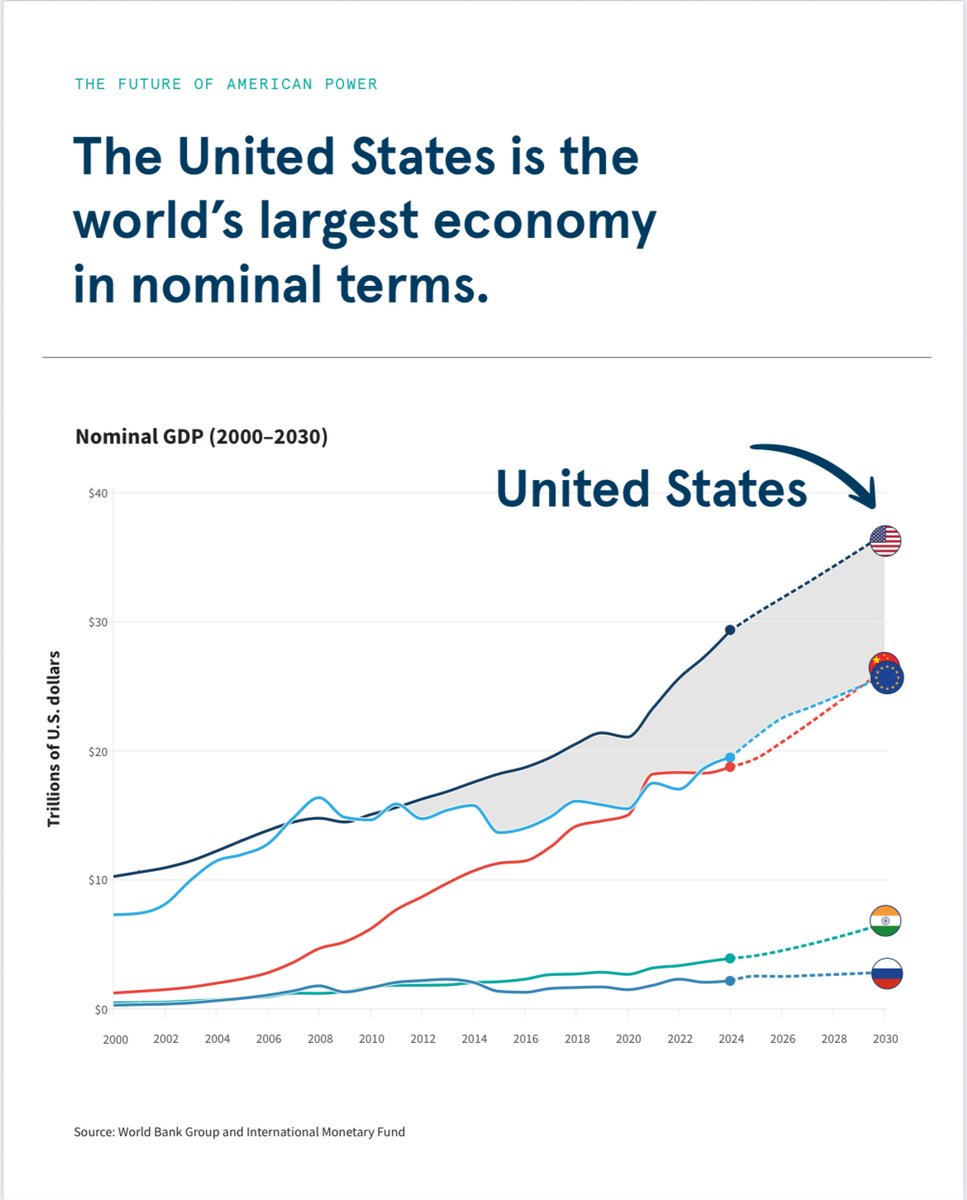
🆕What can the United States do with the power it has?
Our Future of American Power projectexamines the sources and trajectory of U.S. influence.
In the first paper of the series, @NickKitchen1 tackles how to measure national power in the first place:
https://t.co/Y2GKncAfo0
🆕NEW Pivotal States!
In Washington, policymakers frame competition with China as a zero-sum contest for power. But does slowing China’s progress actually benefit Americans—or is it a fool’s errand? @CChivvis and @jessicacweiss discuss: https://t.co/qehYzd6p7I
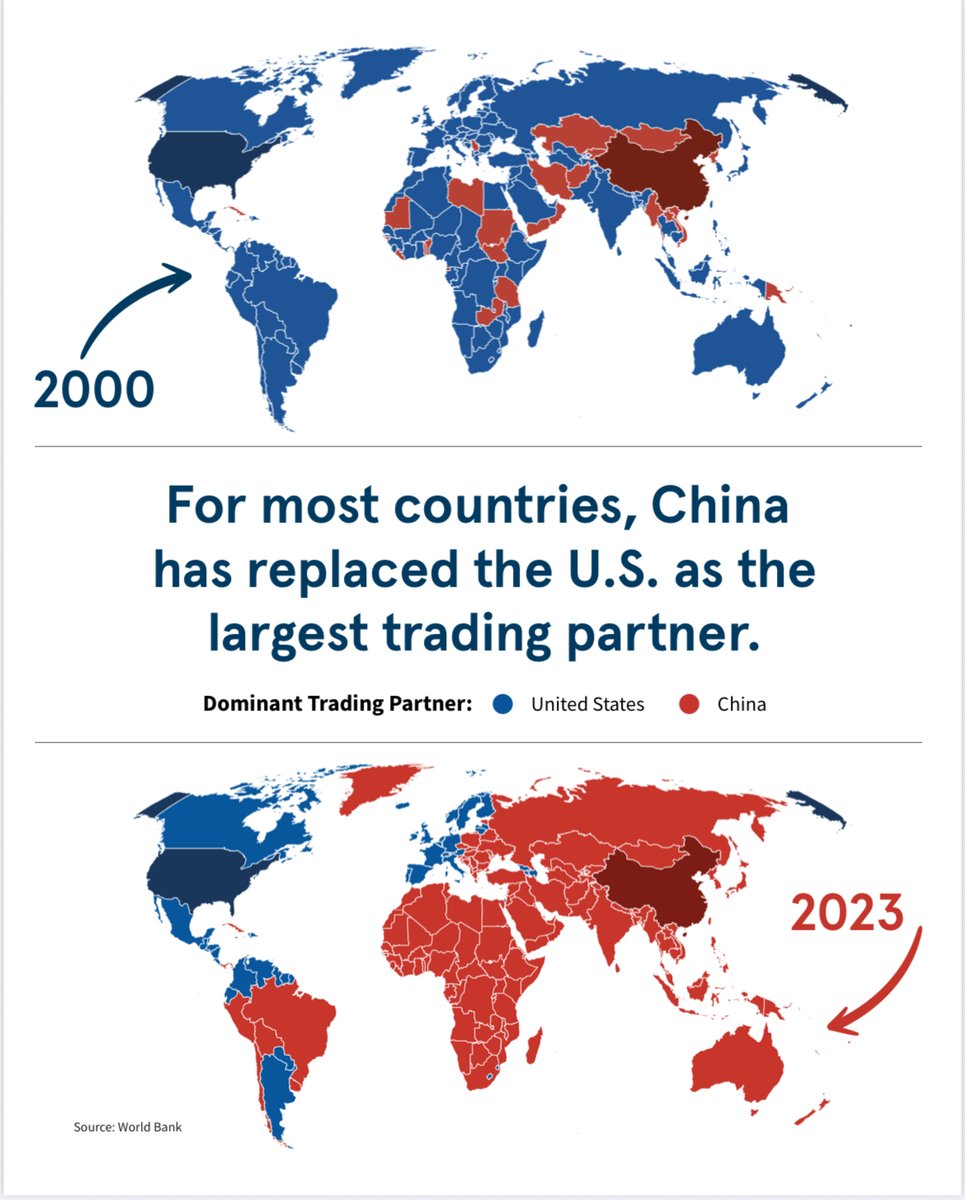
What can the U.S. actually do with the power it has?
@CEIPStatecraft’s new Future of American Power project assesses both the quantity and quality of American power.
We broke down some key indicators – and put them in comparison to China.
This @davidjlynch WaPo article identifies an important shift we outlined in our recent report on Biden’s China strategy, which gradually moved America toward a more realistic approach to Beijing. Trump inherits that approach and may go further in some areas.
https://t.co/SnTsLbrO2I
Thanks for reading the piece. I of course did not argue that sanctions were maxed out, only that we have the power of the dollar, which no other country has—and have used it extensively in the case of Iran. If you think more sanctions pressure would make a meaningful difference in strategic outcomes, I’m definitely open to hearing the case.
After months of war, the U.S. has struggled mightily to compel Iran to restore stable passage through the strait of Hormuz, let alone accept Washington's core demands – the abandonment of Iran's nuclear program, dismantlement of its missile forces and cancellation of its regional proxy networks.
Why has Iran been able to frustrate U.S. designs so thoroughly?
The core problem is that while Trump has claimed to be negotiating, in practice he has relied almost exclusively on military and economic pressure rather than the give and take of real diplomacy.
Paradoxically, the more Washington escalates military pressure, the more Tehran is likely to conclude that stronger deterrent capabilities – including maintaining some control over the strait – are essential to regime survival.
Breaking the stalemate means a more realistic negotiating position that accepts that the U.S. bottom line cannot be effective Iranian disarmament. No Iranian government can agree to that and expect to survive.
Trump's bind in Iran is the predictable outcome of the conceit that overwhelming military and economic power can substitute for willingness to compromise – a conceit that has repeatedly produced strategic disappointment for major powers throughout the post-cold war era, from Iraq to Ukraine.
My piece in @guardian:
https://t.co/W3pipQa55P
A terrific piece by my @CarnegieEndow colleague validated as we enter 3rd month of US war against Iran: economic and military pressure alone can’t end conflict or advance US national interests.
This @guardian piece by @CChivvis is one of the single best pieces of analysis on #IranWar I've read.
Money quote:
"The core problem is that while Trump has claimed to be negotiating, in practice he has relied almost exclusively on military and economic pressure rather than the give and take of real diplomacy."
https://t.co/3TV4USM0hd