The CIPS Analog Guidance is an impact-based weather resource that objectively finds similar historical events to the upcoming numerical model forecast.
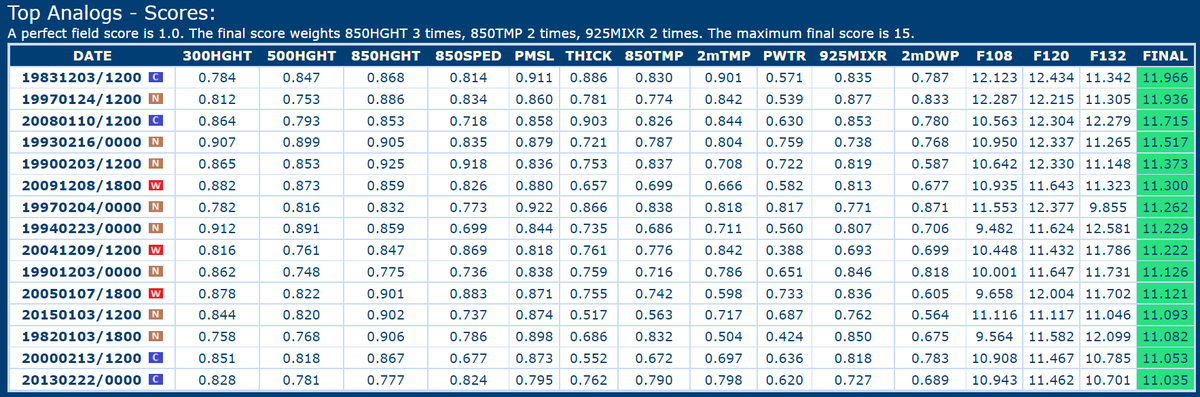
A quick note about the @CIPSAnalogs stuff for next week: Nearly every event in the Top 15 features some sort of storm reports.
The scores are interesting. Most are about an 11/15 (C grade) so not "Great" but also not "bad" either.
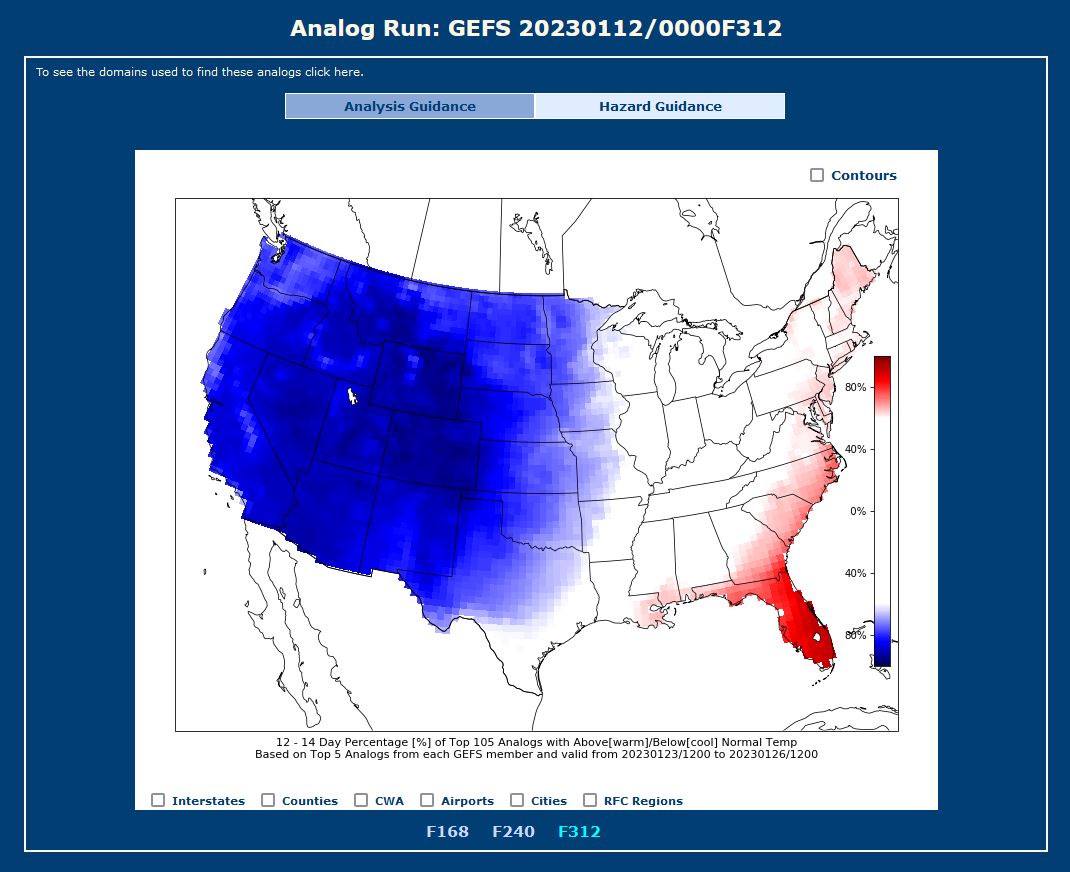
The western part of the U.S. is bound to be well below average temperature by Jan 25. Analog weather involves examining today's forecast scenario and remembering a day in the past when the weather scenario looked very similar. @natwxdesk@CIPSAnalogs@khqa
New analogs tonight show the changing weather pattern deep in January headed to early February. We quickly go from blowtorch to near-normal temperatures in the eastern CONUS as the pattern flips to a colder one.
This shows the temp anomalies.
#natgas $UNG $BOIL @CIPSAnalogs
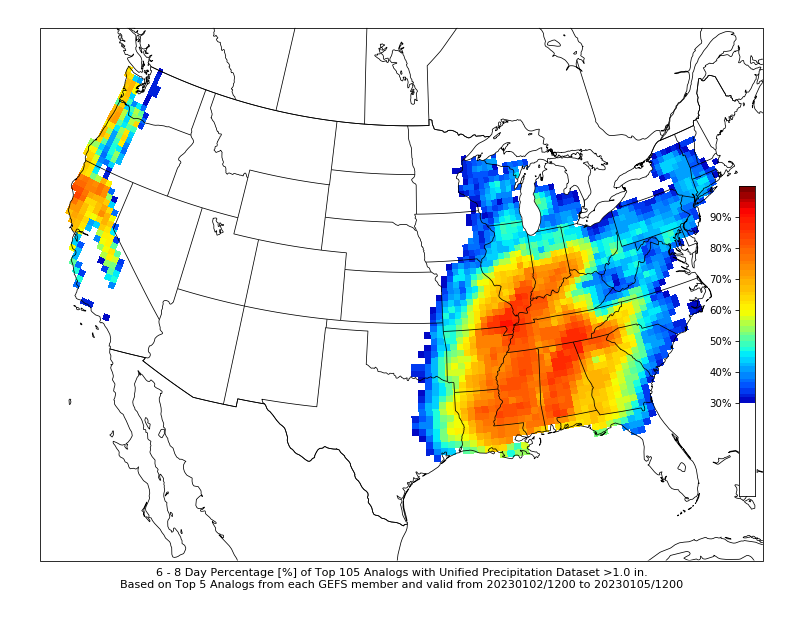
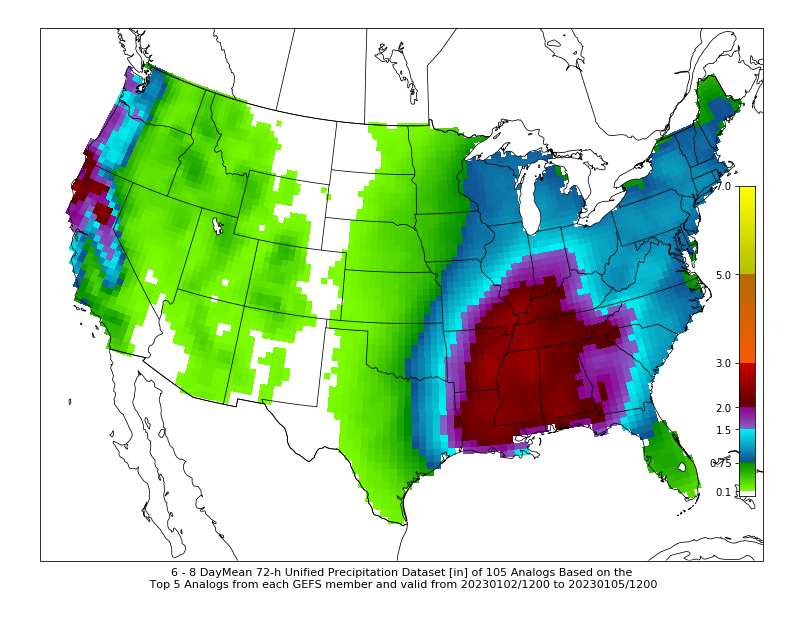
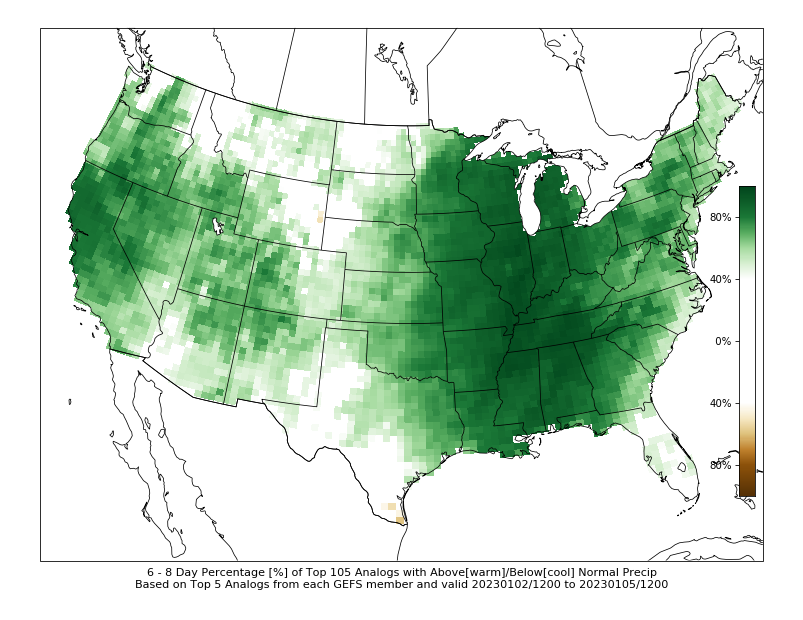
The GEFS and analogs based on its extended-range forecast are incredibly wet in the eastern US next week. Here are the forecasts Monday-Wednesday next week. That is a rather extreme 72-hour mean precipitation.
Calling all undergraduate students from/studying in St. Louis! Listen up:
We proudly present the Ron Przybylinski Memorial Scholarship, open to students studying meteorology or a related subject. Apply today, application closes June 30
https://t.co/iiKTPmItbS
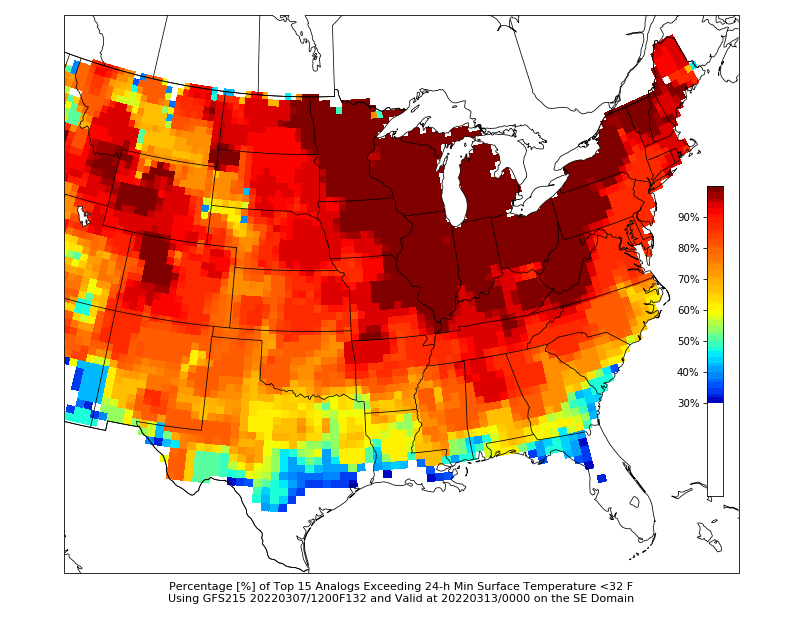
Thinking of planting 🌷 soon or have vulnerable vegetation? Latest extended @CIPSAnalogs suggests a high likelihood of a freeze ~next weekend. #stlwx#mowx#ilwx#midmowx
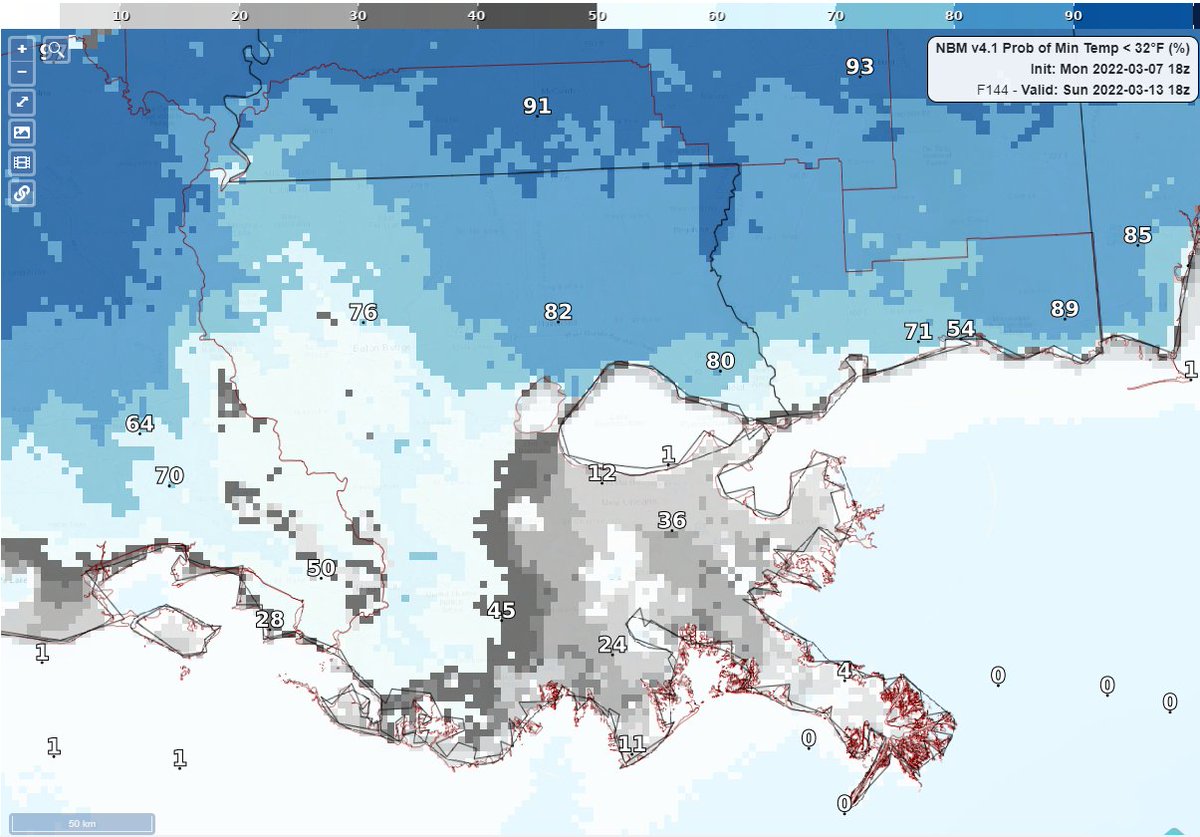
🥶 Confidence is high that we will see widespread freezing temps. Both the @CIPSAnalogs & NBM have a high probability of below 32 degrees Sunday. There is even a chance that some locations could see hard freeze conditions indicated by some of the colder guidance. #LAwx#MSwx