We are looking for a scientist to lead the CRI transgenic core. This is an opportunity to run a core AND to create a cutting-edge research program on in vivo gene editing. We've made > 200 new GEMMs since 2018, now we want to innovate! Please retweet https://t.co/4jIAkBWQXp
Today we report in @NatureBiotech the development of dual-AAV in vivo delivery systems for prime editors that can support efficient prime editing in multiple organs such as brain, liver, and heart.
1/4
Somatic mutations accumulate in “normal” non-cancerous tissues (blood, skin, liver). But why are mutant clones selected? Do they merely proliferate more, selfishly? Or can clones adapt to disease? Could they protect tissues? We shed light on this: https://t.co/Vu1d4U3stc 1/10
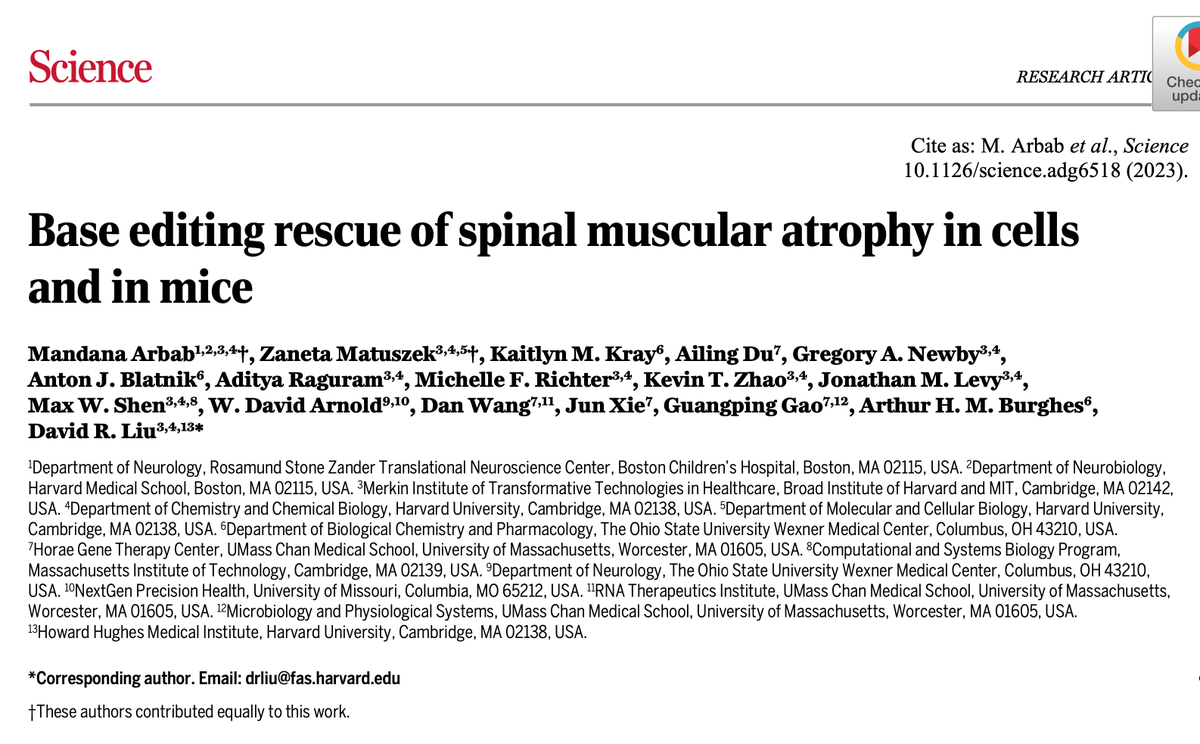
Today we report in @ScienceMagazine a one-time base editing treatment for Spinal Muscular Atrophy (SMA), the leading genetic cause of infant mortality worldwide, affecting ~1 in 10,000 births. https://t.co/oLp8VN0Iiw
PDF: https://t.co/JoKm9BxW89
1/17
Brings to mind the exciting potential of #CRISPR genome editing (here RNA base editing) to correct hearing loss in the future
https://t.co/rbQeCV3m4I @ScienceTM
With the amazing support from @CRI_TgCore Our postdoc fellows @ZhangTingxin@AksheevB work fearlessly in generating novel genetic reagents and discovering new mechanisms governing axon-oligodendrocyte communications
With the amazing support from @CRI_TgCore Our postdoc fellows @ZhangTingxin@AksheevB work fearlessly in generating novel genetic reagents and discovering new mechanisms governing axon-oligodendrocyte communications
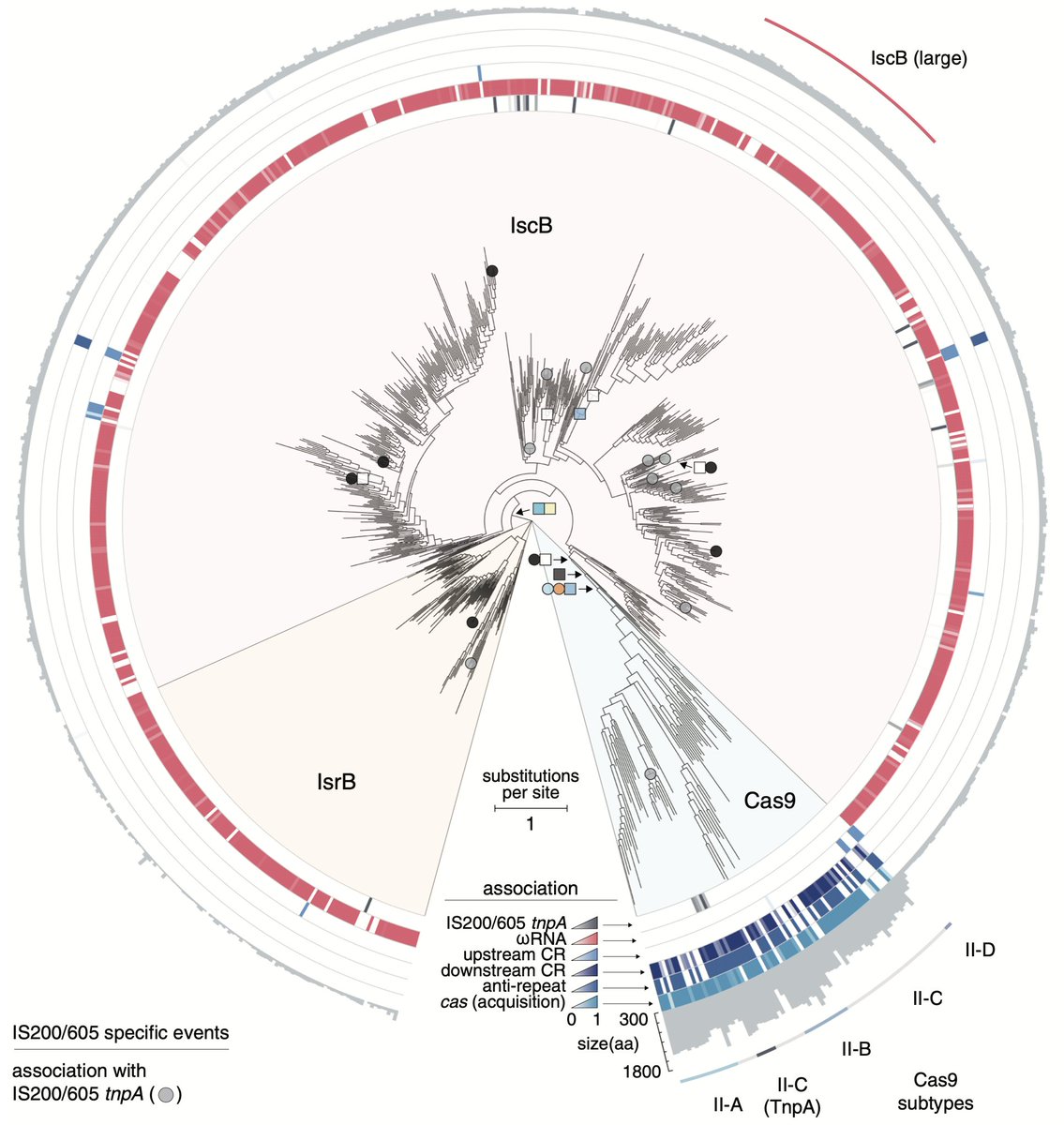
CRISPR technologies are powerful gene editing tools because they are programmable. We are excited to describe 3 new programmable systems, IscB, IsrB, and TnpB, some of the most abundant genes on the planet, with potential for gene editing. @ScienceMagazine https://t.co/dY8FXBYIM8
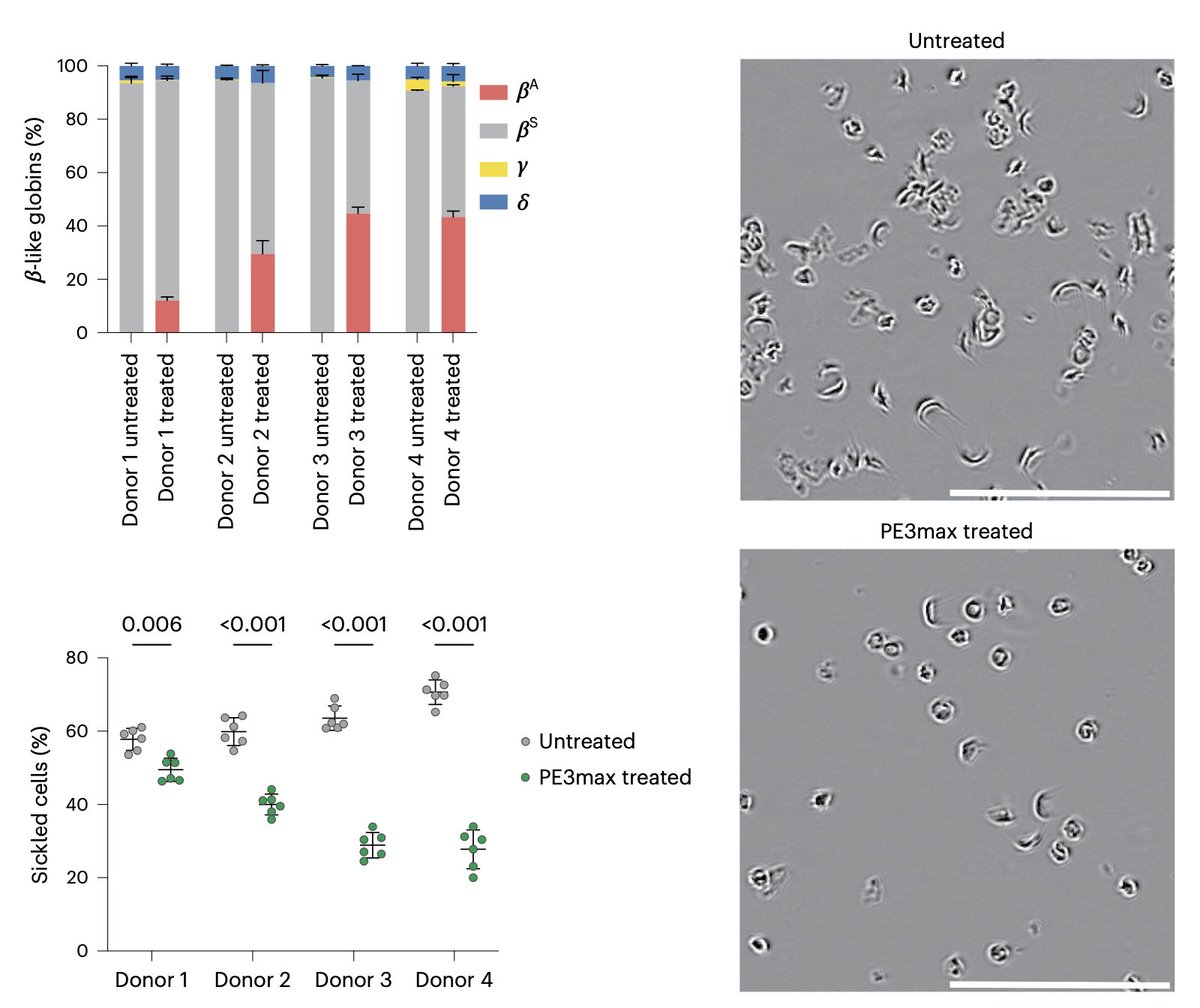
Today we report in @Nature a base editing strategy that efficiently corrects the mutation in the β-globin gene HBB that causes sickle cell disease (SCD), the most common deadly genetic disorder, rescuing the disease in mice. https://t.co/Gj8VOAFrc1
https://t.co/gzO3WwNuKT
1/11
Pleasure to see that the lineage tracing lines generated by our core contributed to this beautiful work, discovering that the cells in zone 2 repopulate the liver" @YonglongW@Zhu_Lab
Excited to share our latest work on liver growth + regeneration. Diverse hepatocytes carry out distinct functions, but it is still unclear which ones are the source of new hepatocytes. Yonglong Wei discovered that cells in zone 2 repopulate the liver.
https://t.co/wNHCwxZbaY
So satisfying to obtain three floxed mice in one day for a single client. Our own @CRI_TgCore is truly a GEMM... Also thank you @CRISPRGuru for all your help.
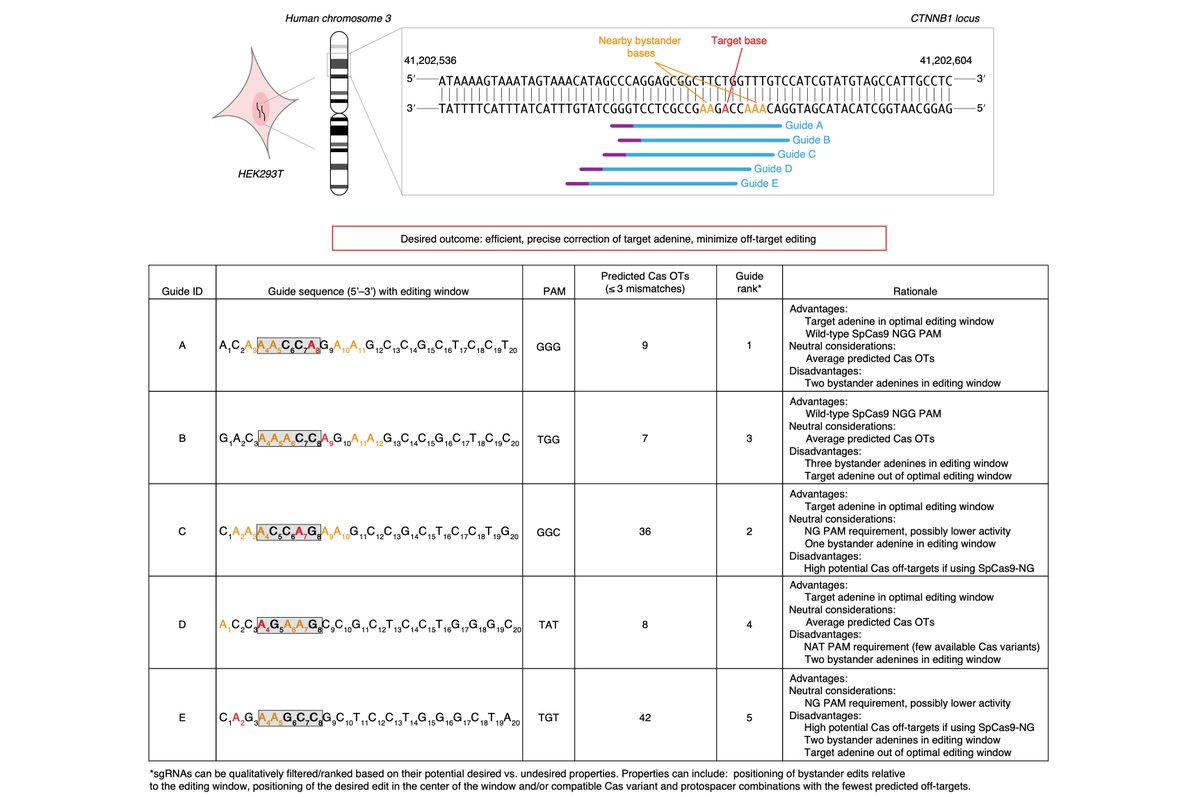
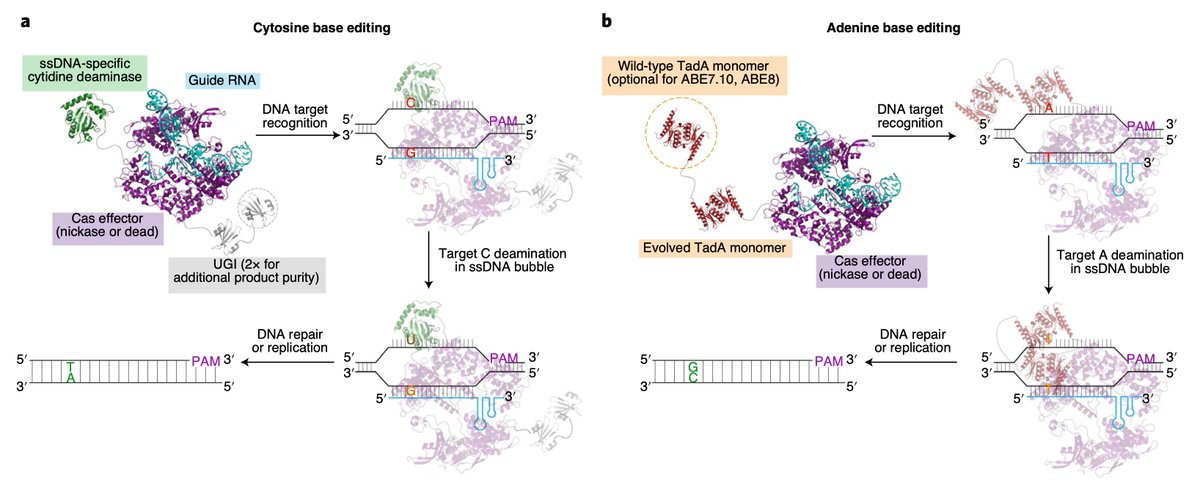
Today we report in @NatureProtocols detailed procedures for how to design and execute base editing experiments in mammalian cells, with many design steps also applicable to other cell types. Congrats Greg Newby and Tony Huang!
https://t.co/y5jfL2nukK
https://t.co/ruGwzrN5XX
Just when you thought you knew everything about Cas9... Pleased to share our lab’s first paper, now online @CellCellPress: https://t.co/qcIBSh1ZnH. We found Cas9 transcriptionally regulates its own promoter using a natural single-guide RNA. Kudos @reworkman0, @tejapammi et al.
We are excited to welcome Natasha Corbitt, M.D., Ph.D., to CRI! Dr. Corbitt is the first Black female pediatric surgeon in the U.S. to also hold a Ph.D. Learn more about her work @UTSWNews & @Zhu_Lab studying hepatobiliary diseases in children. #LifeAtCRI
https://t.co/cmvad1qYe7
Join us tomorrow at Synthego’s #WorldCRISPRDay event. You will hear from experts like our mentor, Dr. Kohn, talk about #CRISPR ‘s role on cell and gene therapies. This is just one of many sessions that includes an ALL-STAR lineup of experts and pioneers. Registration is FREE.
Congratulations to Dr. Ralph DeBerardinis (@RJDLab), professor at CRI, on his election to the National Academy of Medicine (@theNAMedicine) for his outstanding contributions to cancer metabolism! #NAMmtg
Learn more about this award and his research ⤵️
https://t.co/WJkYoCruXp
It’s #CRISPR. Emmanuelle Charpentier and Jennifer Doudna ,who pioneered the revolutionary gene-editing technology, are the winners of this year’s #NobelPrize in Chemistry. #NobelPrize2020
https://t.co/I9uqEE41or
Congratulations to our newest #NobelPrize laureate Jennifer Doudna.
From this picture we can imagine that she was happy to find out she had been awarded this year’s Chemistry Prize!