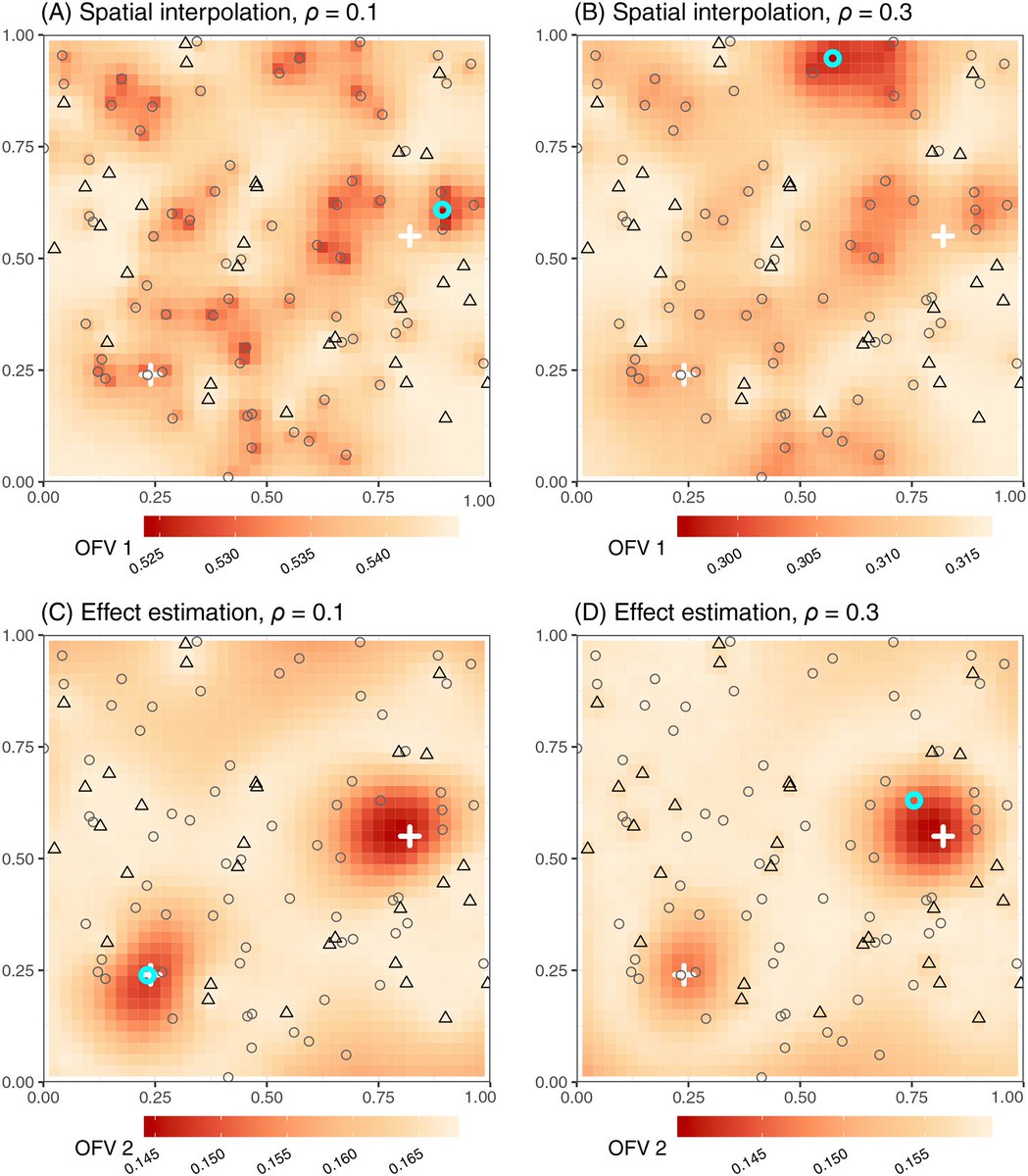
Just out in @PLOSCompBiol—@CanalCheng@AlexKHeaney & Phil Collender @UCBerkeley lead the development of DIOS, a computational framework to strengthen infectious disease surveillance through simulation and optimization of network architecture https://t.co/rT0RL5cyDw @UCBerkeleySPH
5/ The DIOS platform is now available to tailor real-world systems to address setting- and disease-specific surveillance challenges (e.g., optimizing #COVID19 testing) and to stimulate new collaborations btw health planners and computational scientists.
https://t.co/0OFQGTP81A
4/ We demonstrate how DIOS can identify optimal designs that better achieve infectious disease surveillance goals across a wide range of epidemiologic scenarios, affirming the value of surveillance system design through quantitative, adaptive analysis
Prenatal and early-life exposure to the Great Chinese Famine may have increased the risk of contracting pulmonary tuberculosis in adulthood, a study finds. In PNAS: https://t.co/fuTYjkVKhk
9/ With a wave of famines potentially ahead due to food system shocks and economic stresses associated with the #COVID19 pandemic (according to the #NobelPeacePrize winning @WFP), urgent action is needed now to protect populations and prevent long-term health impacts!
8/ Other mechanisms underlying the intergenerational effect may include weakened immune function and increased disease susceptibility in F2 due to intergenerational transmission of low birth weight and diabetes