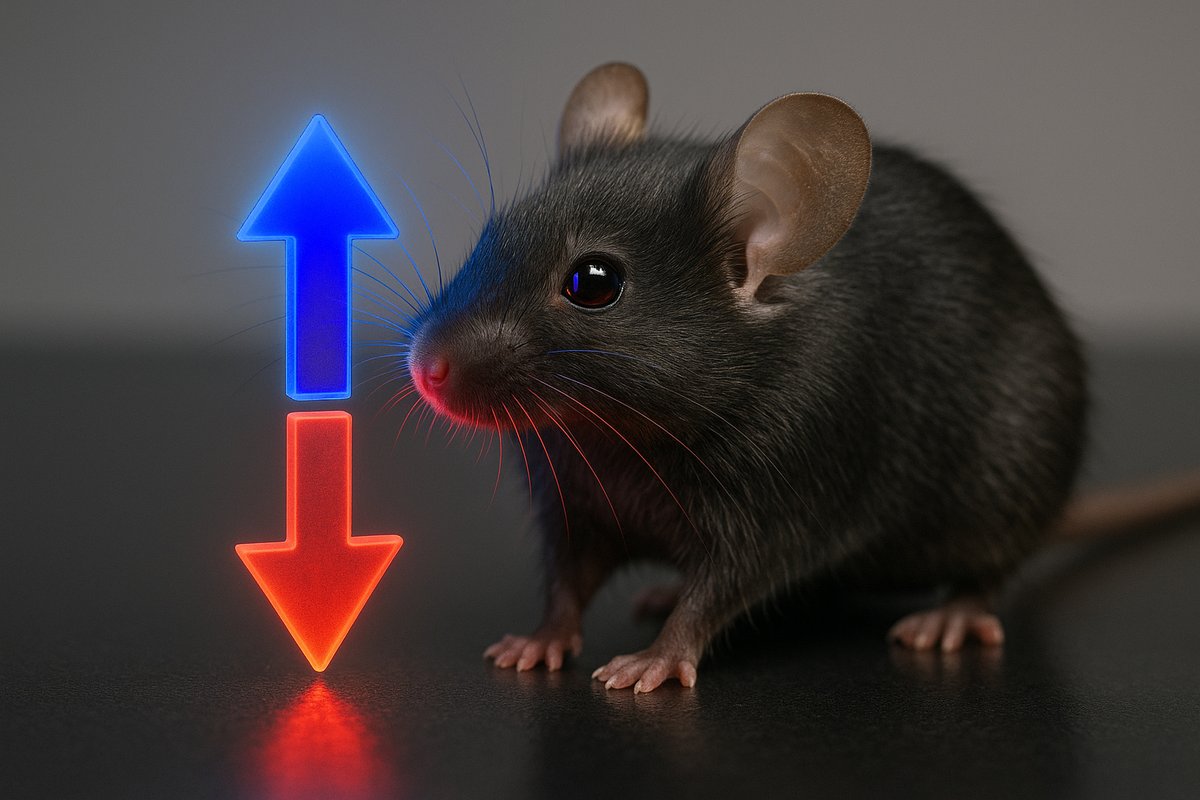
If you can see it, you can feel it!
Thrilled to share our new @NatureComms paper on how mice generalize spatial rules between vision & touch, led by brilliant co-first authors @giulio_matt & @GtnMaelle.
More details in this thread 🧵 (1/7)
https://t.co/CvmDQqokiF
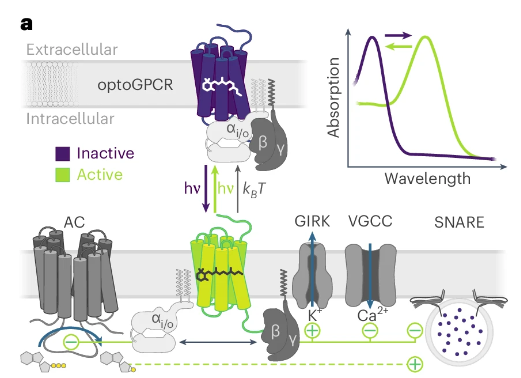
PdCO is a switchable optogenetic tool for inhibiting synaptic transmission in neuronal terminals in vivo, as demonstrated in a variety of contexts mainly in the mouse.
@OferYizhar @JWietek @WeizmannScience
https://t.co/Txr3PEUJKS
📢Job alert! I am starting my own research subgroup thanks to @snsf_ch#Ambizione at the Department of Basic Neurosciences of the University of Geneva @NeuroGeneva. PhD position available, co-supervised by myself and Prof. Anthony Holtmaat. See the add below and share. Thanks!
Our group is looking for a Research Associate interested in helping test new fluorescent indicators in vivo. Fun team. Relocation support to Seattle. Know anyone? https://t.co/uGlnwERPm4
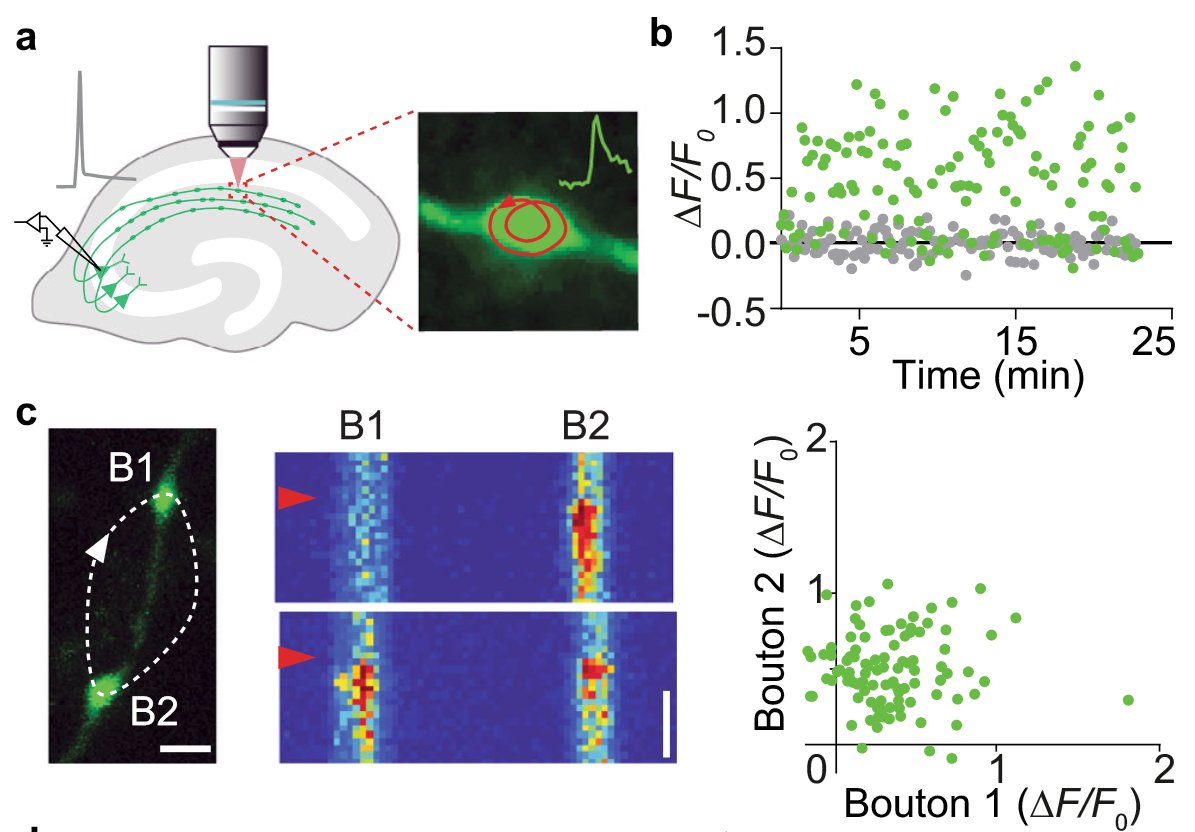
9 years ago, when I was a postdoc in @OertnerLab iGluSnFR was published. We ordered it immediately from @Addgene for @CelineDurst's PhD project where she investigated quantal synaptic events at single synapses. Almost a decade later, you can read about it https://t.co/wOS0YhqJZM
If you want to learn about eOPN3, a novel optogenetic silencer for synaptic terminals, developed with @OferYizhar and @M__Mahn stay tuned-in for the presentation by @mauropulin. He will give detailed insights into the dynamics of silencing hippocampal synapses with eOPN3
We have spent years trying to figure out optogenetic silencing of long-range neural projections. This preprint is the result of many years of work by many people, and I think we can finally say we have a good solution. Available very soon on @Addgene:
https://t.co/BMTQxl4Hcb
For the past 5 years @HHMIJanelia, my lab has worked on tools to image synaptic activity. 2021 might be the year it really comes together. Announcement 1: Our improved iGluSnFRs are great! These are minis /w TTX. Very proud of @abhi_aggarwal and team. We're sharing reagents!
What is the endoplasmic reticulum (ER) doing in dendritic spines? It prevents runaway potentiation of excitatory synapses! Read about it in my last paper @OertnerLab.
Here 👇https://t.co/ZCOrB5GCMf Below: ER=green; cytosol=magenta (1/10)
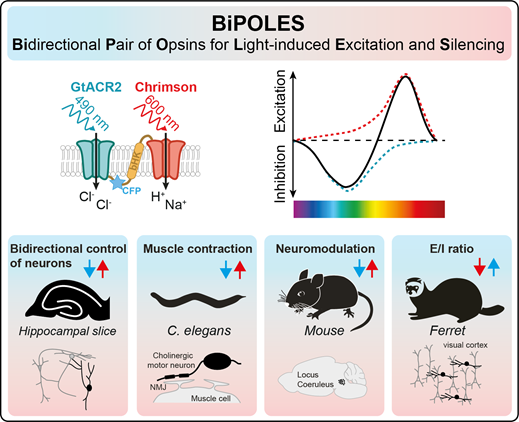
Are you looking for a potent optogenetic tool to both silence and activate a defined population of neurons in the same experiment? Then, BiPOLES, a Bidirectional Pair of Opsins for Light-induced Excitation and Silencing might be interesting for you. https://t.co/oanfa6utrv (1/11)
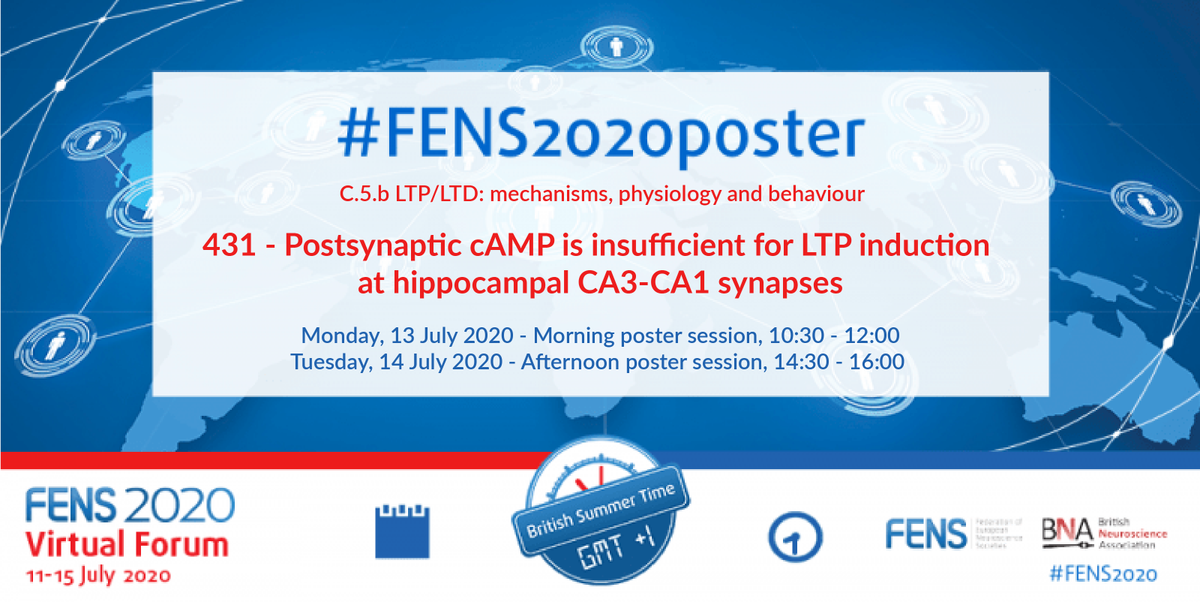
I am very excited to present my research at #FENS2020. If you are interested in cyclic nucleotide signaling in the hippocampus and modulatory optogenetic tools, check out my #FENS2020poster 👇Monday AM and Tuesday PM
@FENSorg @OertnerLab
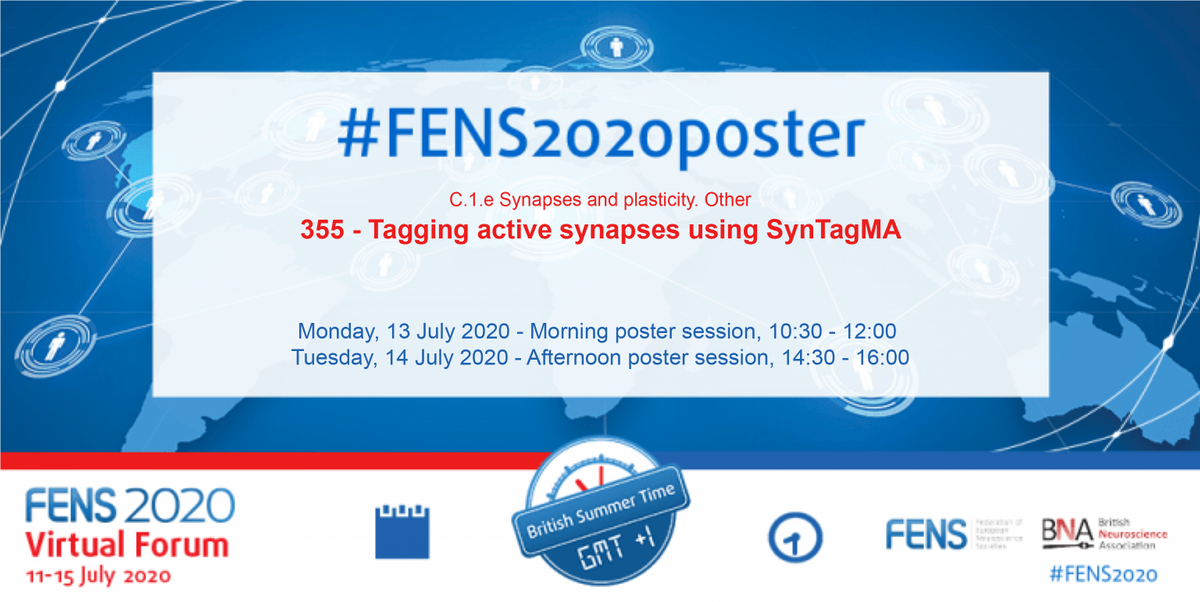
Do you want to image activity at thousands of synapses and neurons simultaneously? SynTagMA's got your back. Shine violet light on it to get a frozen footprint of (sub)cellular activity across the live brain. Check it out! #SynTagMA#FENS2020#FENS2020poster @OertnerLab @SimWieg
Several variants of BiPOLES will be available on @Addgene soon. If you are interested in more detail, a preprint with all the data will come out in the next days. Stay tuned.
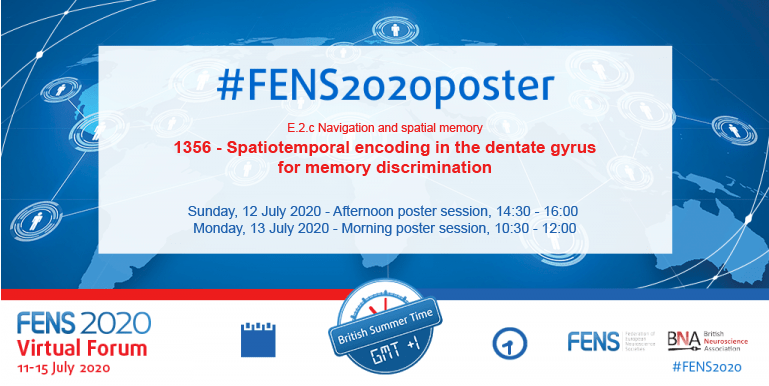
Are you interested in how dentate gyrus cFos ensembles are affected by time and space? Check out our #FENS2020poster @OertnerLab where we tagged, silenced and mapped cFos ensembles at different stages of the Morris water maze. #invivooptogenetics#engram
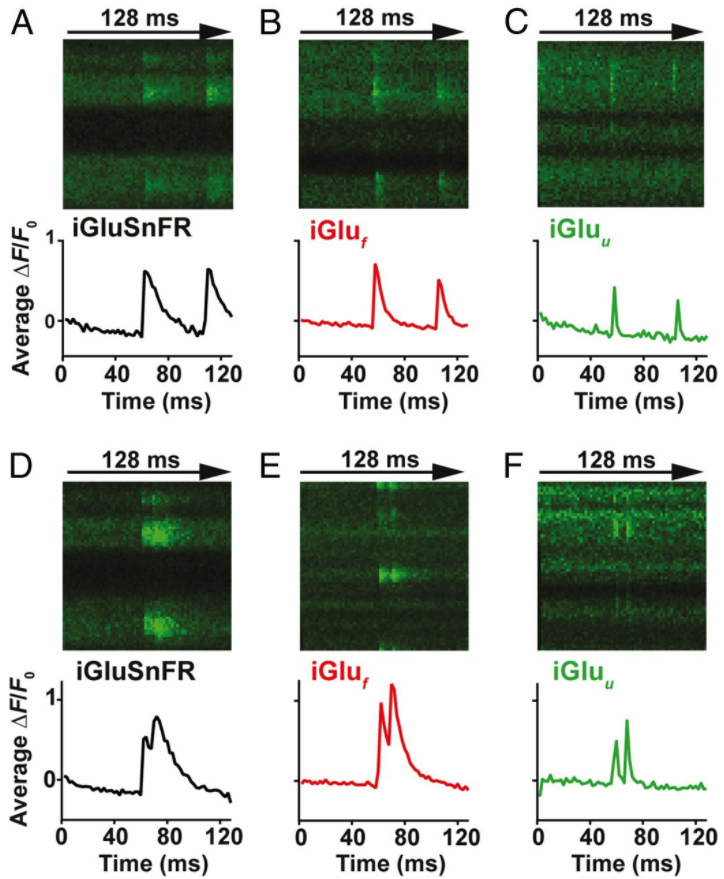
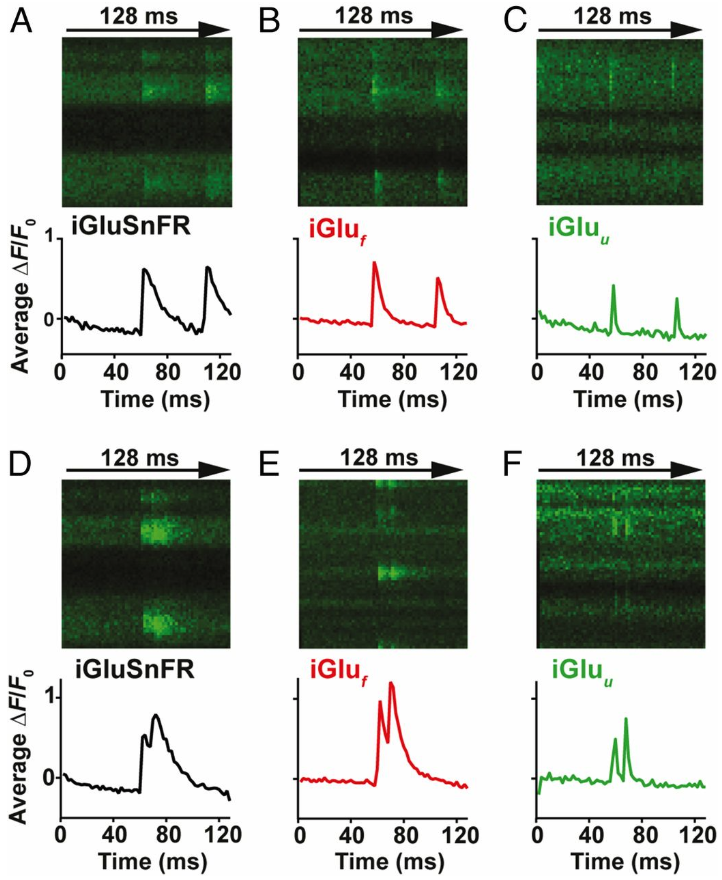
#Glutamate dynamics may go undetected by some glutamate sensors. The Torok lab developed an ultrafast genetically encoded glutamate sensor, iGluu, which can image glutamate clearance & synaptic depression during 100-Hz spike trains. Find iGluu at Addgene! https://t.co/VK8jO0flqY
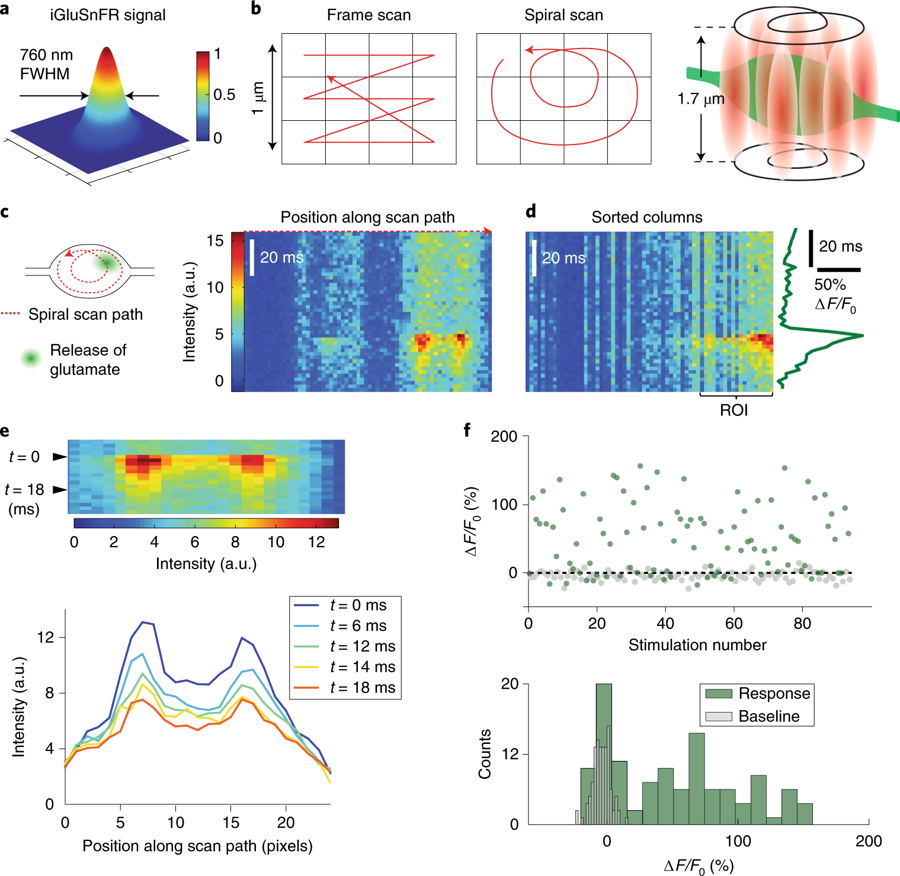
Interested in imaging glutamate directly at single synapses in hippocampal slices with high spatio-temporal precision? Here is how: https://t.co/YIzq4PYGda
@CelineDurst, @OertnerLab