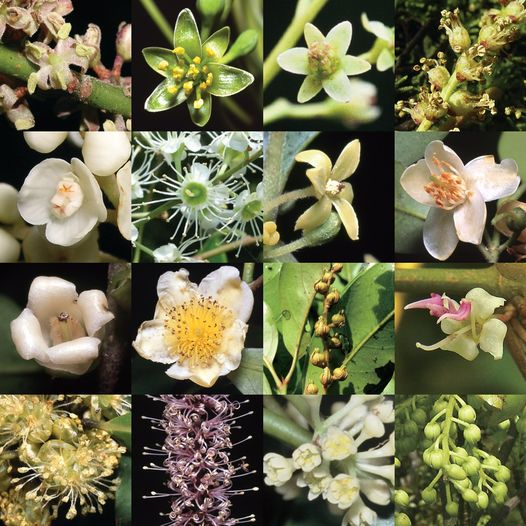
We analyzed 19 years of flowering data from the Fushan @ForestGEO plot for 16 species. Our analysis revealed that the flowering times of 13 species were affected by temperature changes. Changing temperatures may impact flowering times, reshaping subtropical ecosystems.
🌿Exciting news! Join us for #ATBC 2025 in the colourful city of Oaxaca, Mexico—where science, culture, and conservation meet!
🗓️ June 29 - July 4, 2025
🔍 Call for Proposals: Submit your ideas by Dec 6, 2024!
👉 Details: https://t.co/nLGU1p9PiI
#TropicalBiology#Sustainability
Amacayacu, our Forest Dynamics Plot in the Colombian Amazon, was featured today on the front page of the @nytimes❗️The article highlights the importance of the census and the work ForestGEO scientists are dedicated to🌿Read the article here: https://t.co/BUW4NHnVrH
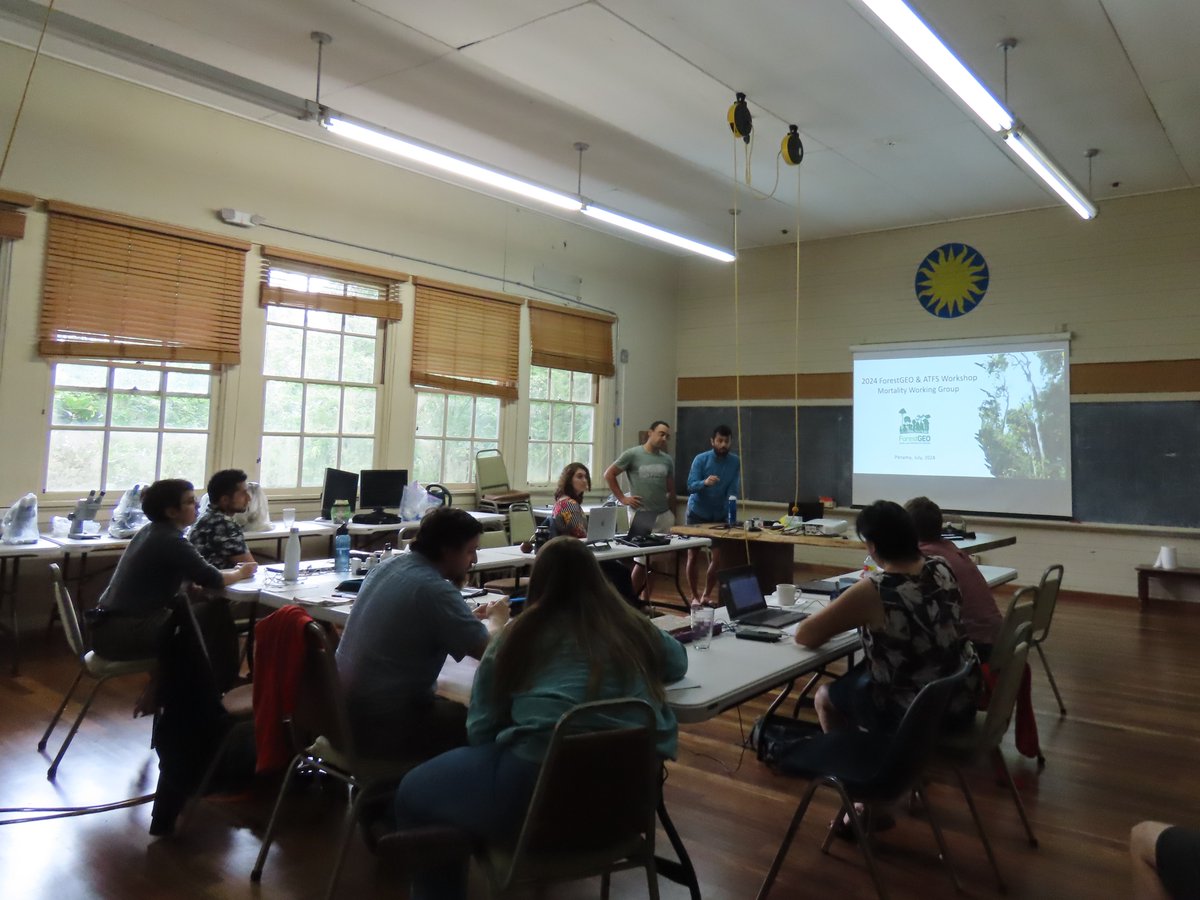
ForestGEO's 2024 Analytical Workshop looked a bit different this summer 🌿Get the scoop on our Analytical mini-workshops in our new blog post: https://t.co/xosc4mZwWh
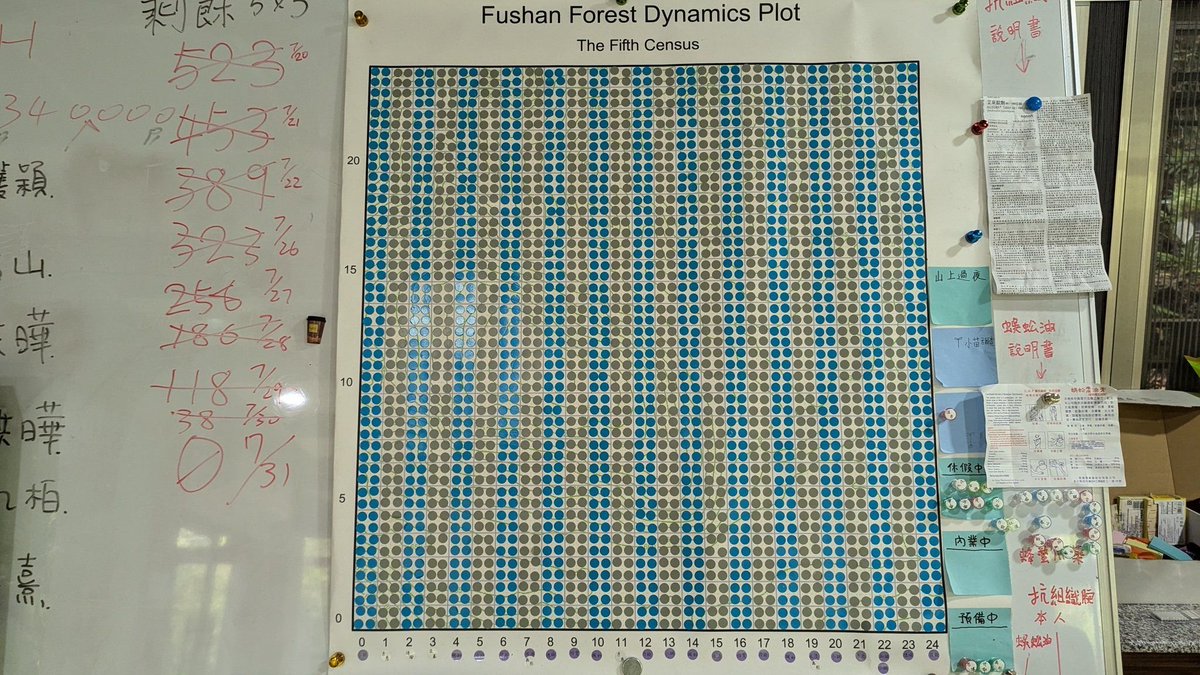
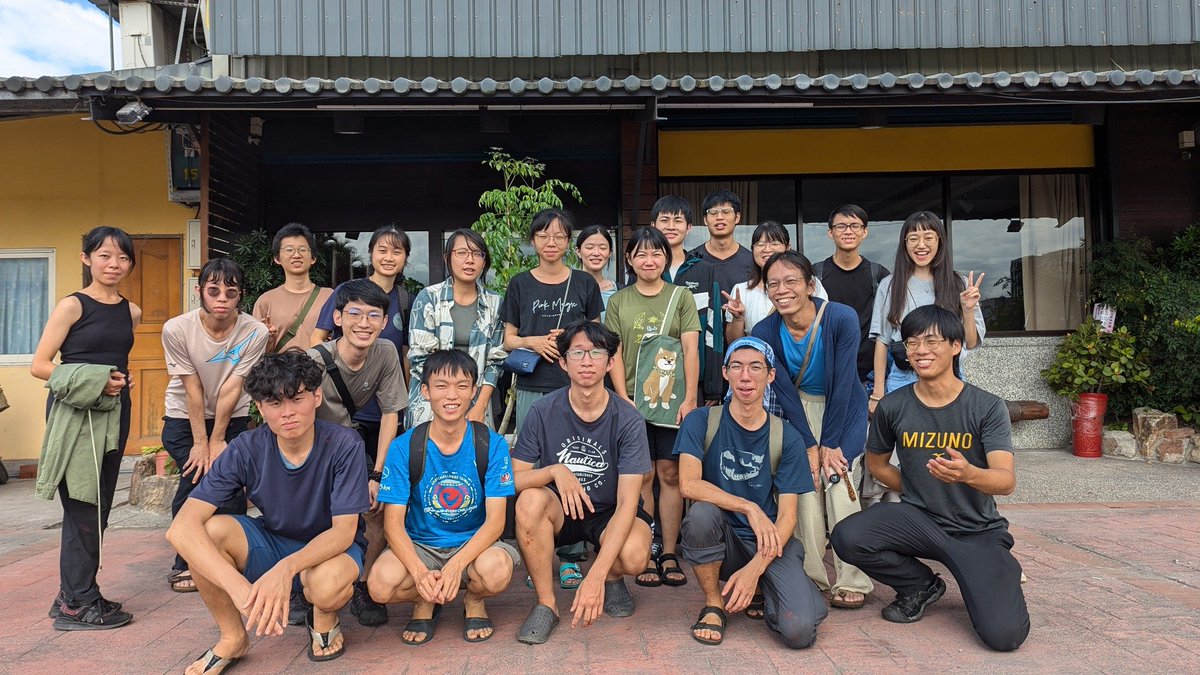
We did it again! 🎉 Team Fushan just completed the 5th census of the 25-ha Fushan @ForestGEO plot—measuring nearly 230,000 stems🌳over 305 field days. Despite wasp stings, injuries, cold waves, and even a typhoon, we pulled through! Huge thanks to everyone involved.
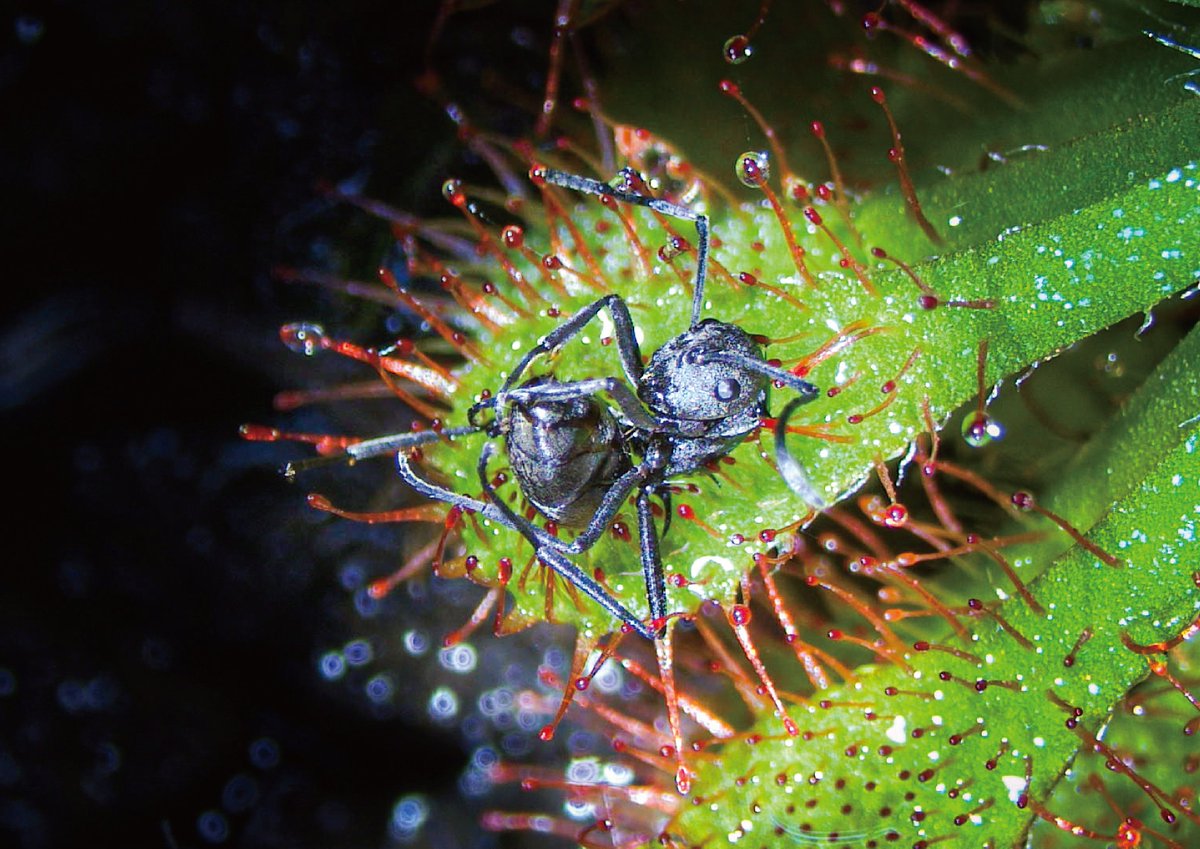
I am super excited that one of the most interesting finding in my lab was published in @NatureMicrobiol !!
Have you heard about the fungus that helps carnivorous plants digest insects? 🐜🍃
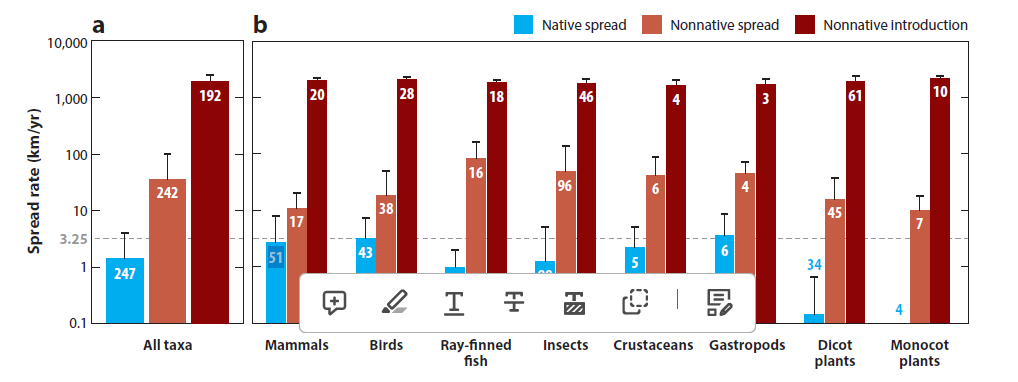
Non-native species are expanding 20 times faster than native species. Moreover, models show that under climate change non-native species will occupy larger ranges than native species. See: https://t.co/27UrUnddLp
Ready to learn how to use LiDAR for research in #forestry and natural resources using #R? This week I am releasing a 7-part series to help you get started! Share with anyone you know who wants to get started. Part 1 covers acquiring, & viewing LiDAR data! https://t.co/55J69efgCM
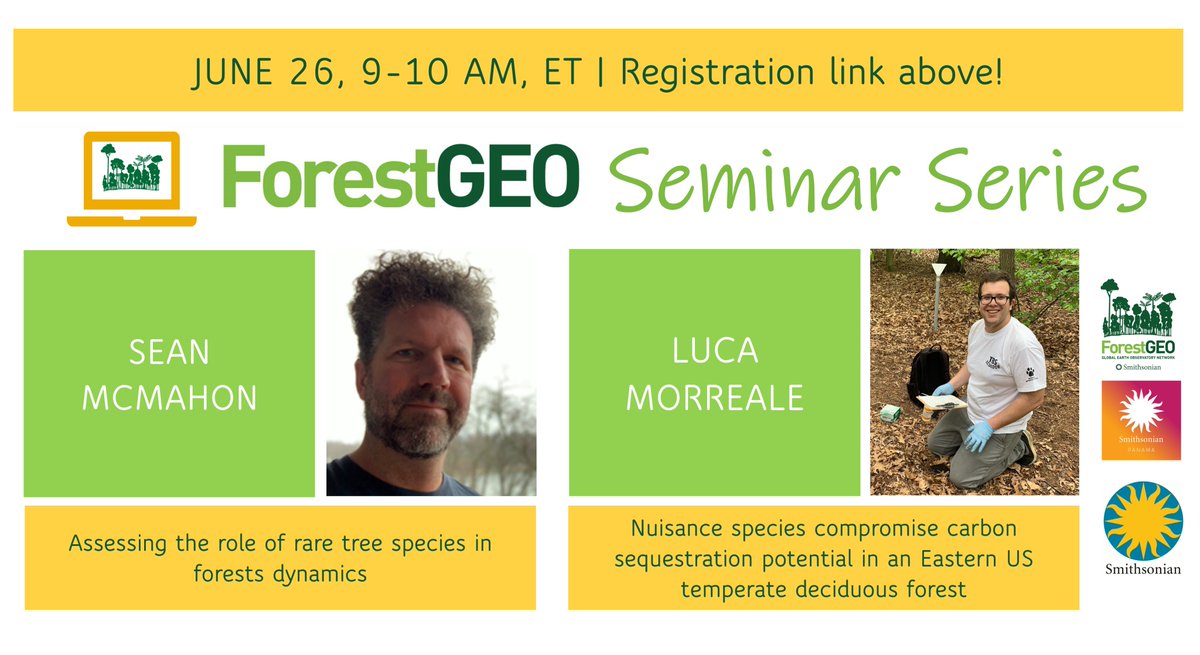
You're invited to June's Virtual Seminar 💻 ft. Sean McMahon & @Luca_Morreale 🌳 Join us on Wednesday, June 26 at 9am ET. Register here: https://t.co/0TttpQlv2y
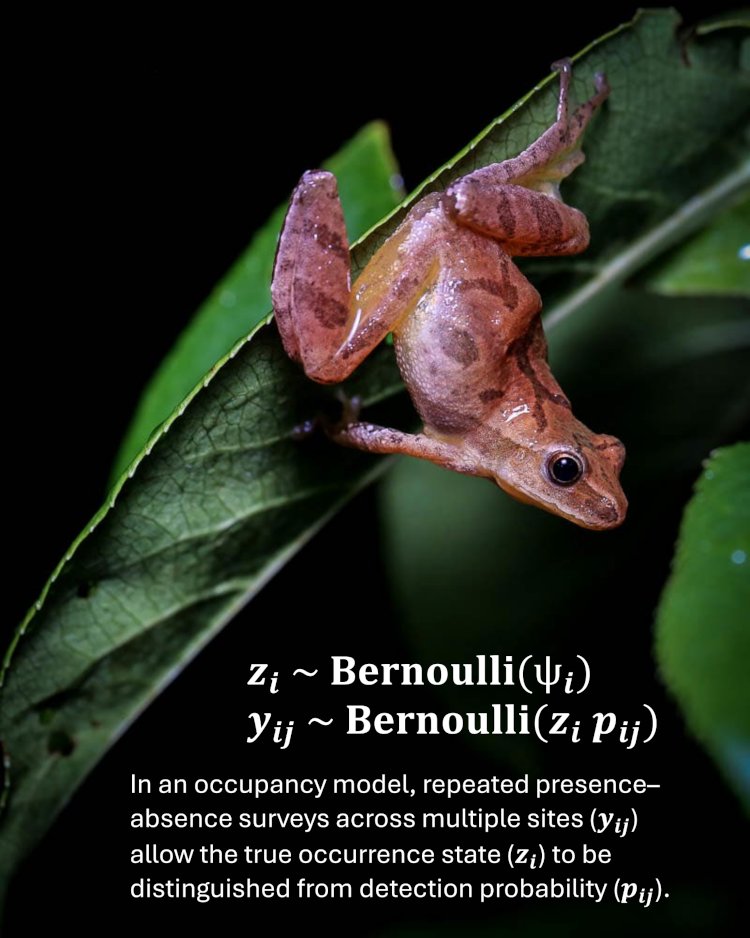
From drones to DNA, ecologists today use tools that would be unrecognizable to scientists 100 yrs ago—and the same is true of their statistics!
Announcing "100 Years of Statistical Ecology," a Collection of landmark @ESAEcology papers
Read the release: https://t.co/TP4DH09PzA