@WFAN@tommylugauer are you on air tonight? The Audacy app and website is showing After Hours but airing the black out MLB message instead. Other stations work fine.
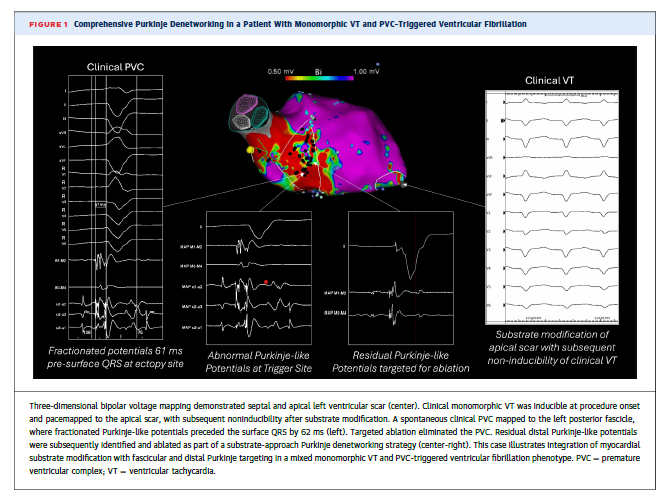
Adjunctive Purkinje Denetworking at the time of ablation led to improved VT/VF-free survival in VT patients with a history of shocks for PMVT/VF. Pardigm shifting approach.
Free read through this author share link:
https://t.co/lCN5O1JRPK
The American Heart Association mourns the passing of the legendary cardiologist Eugene Braunwald, M.D., widely recognized as one of the most influential figures in the history of cardiovascular medicine. Over seven decades, his work reshaped the understanding and treatment of heart disease, leading many to call him the father of modern cardiology.
Braunwald was a lifelong contributor to the American Heart Association, helping advance its research and scientific mission, and was honored with some of the Association’s highest honors for his lasting influence on cardiovascular care and research. His influence extended well beyond his own discoveries, as generations of Association‑supported investigators, clinicians and academic leaders were trained by Braunwald or guided by the clinical trial standards and mentorship models he helped establish.
https://t.co/ieZuHYMyOP
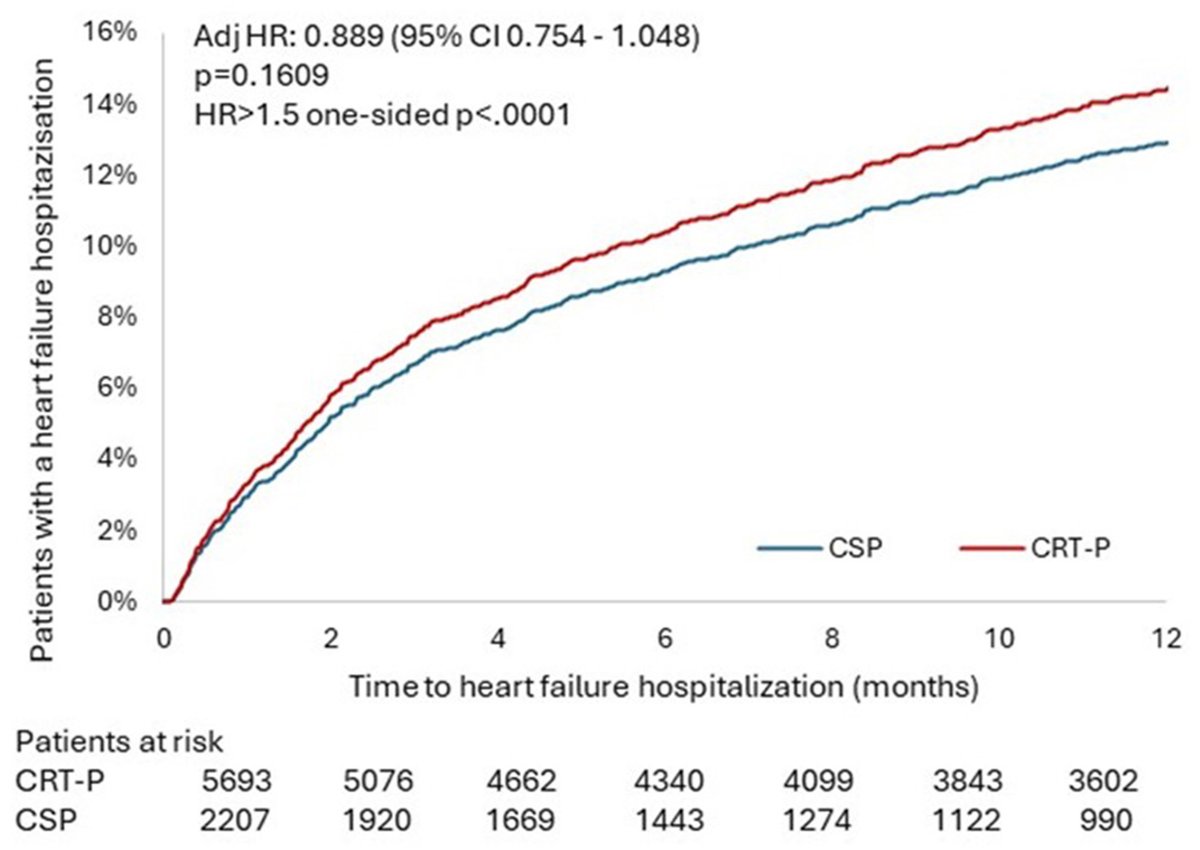
Safety and efficacy of conduction system pacing in dual-chamber Pacemakers in a CRT-indicated population: Primary analysis of the CORE-CPP study #OpenAccess
https://t.co/jhnwf4ioM5
Extensive Coronary Venous System Mapping for Outflow Tract Ventricular Arrhythmias: Utility of a Dual Over-the-Wire Microelectrode Catheter Technique
@shirai_yasuhiro
https://t.co/f28SNVpzeC
@chaingangof1974 Your love of Oasis shines through bright on the new single! I heard the Britpop immediately! Had the chance to see them for the fist time at Wembley last year. Nothing compares
I just read the new JAMA Rational Clinical Examination on bedside assessment of “volume overload,” and it reinforces what many of us experience at the bedside.
Traditional exam findings are specific but not very sensitive.
For example, JVP elevation had high specificity but low sensitivity, and edema and crackles were only modestly helpful, which means we will miss a lot of congestion if we rely on the exam alone.
Chest radiography showed vascular congestion, and natriuretic peptide testing performed better overall, and point-of-care ultrasound added meaningful diagnostic value, particularly lung B lines, IVC dynamics, and ultrasound-guided JVP.
Where this gets even harder is cardiometabolic HFpEF and obesity.
In obesity, natriuretic peptides are often suppressed, and Doppler surrogates of filling pressures can look less impressive despite substantial congestion and external constraint physiology.
In other words, the very patients most likely to be “wet” can have more muted signals from the tools we lean on most.
The takeaway for me is not that bedside evaluation is futile.
It is that we need a layered approach and tighter feedback loops.
Combine clinical trajectory with improved point-of-care tools and biomarkers and interpret everything through the lens of phenotype.
Obese HFpEF needs its own diagnostic humility, because congestion is real even when the usual markers whisper.
Drum B, La Course B, Kelly M, et al. Does This Patient Have Volume Overload? The Rational Clinical Examination. JAMA. Published online February 23, 2026. doi:10.1001/jama.2026.0446
During pulsed field ablation, a novel ablation index combined with contact force and number of burst pulses provides high prediction accuracy of irreversible lesion depth #Epeeps https://t.co/0FURC177BP
December 2025 Issue Announcement @hrs_journal
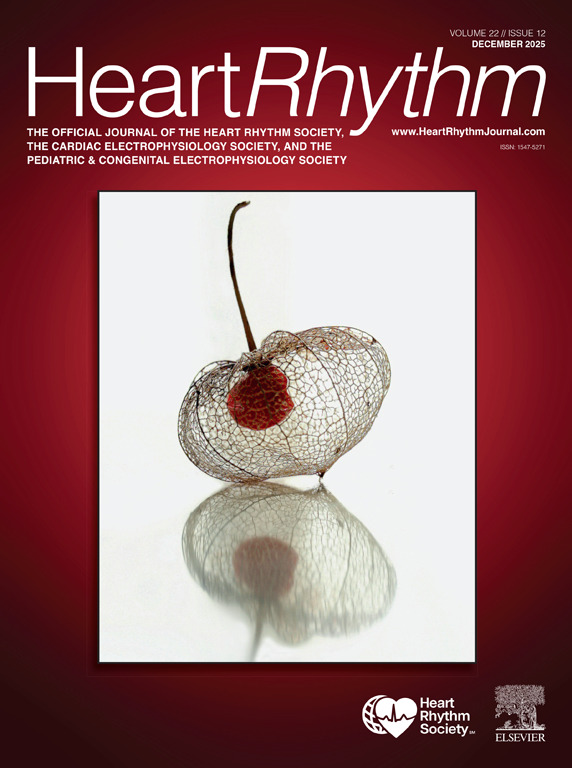
📣 Heart Rhythm — December 2025 issue is out!
This month brings a diverse set of EP studies spanning AF ablation, VT PFA, LBBAP conduction heterogeneity, novel AP mapping maneuvers, ICE-guided mitral lines, remote monitoring consensus, CRT win-ratio analysis, and more.
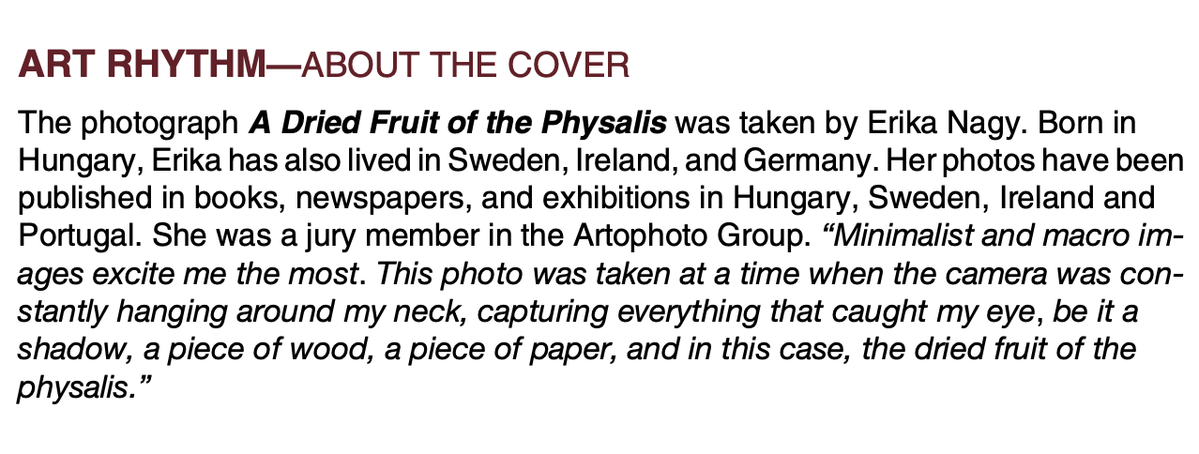
🖼️A beautifully minimalist cover photo, A Dried Fruit of the Physalis, celebrates structure, fragility, and form — much like the conduction system itself.
🧑🎓Let’s walk through 10 key studies for #EPeeps ↓
https://t.co/DQF9SxlBJ8
Periaortic VT has become the most common type that we see. Perhaps it is referral bias, confirmation bias, or a new biological evolution of arrhythmia substrates. MRI often fails to identify the substrate. ICE has been a game changer over the past decade. #ablateVT
Congrats @Dr_Nazarian_EP and colleagues!
More evidence that hyperboloids do exist #VTin3D.
Geometric Features of Ventricular Tachycardia Corridors in Patients With Ischemic Cardiomyopathy | Circulation https://t.co/jT9E75DkWV