"SIDS ‘DISAPPEARED’ In Japan After Raising The Age of Vaccination To 2yrs Old."
~Dr. Pierre Kory, MD
In 1981, Japan delayed the DTaP vaccine until children turned two years old.
Japan holds one of the lowest infant mortality rates, while the US ranks among the highest.
During the 1970s, following only two reported infant deaths linked to the whole-cell pertussis vaccine (DTwP), intense public concern prompted the Japanese government to halt routine DTwP vaccinations.
They later introduced the acellular pertussis version (DTaP) in 1981, but limited its use to children aged two and older.
In 1993, Japan’s Ministry of Health, Labor & Welfare discontinued the combined MMR vaccine after it triggered a significant increase in severe adverse reactions — particularly aseptic meningitis resulting in serious harm and fatalities.
Japan now provides separate measles and rubella vaccines and has never reintroduced the mumps component or the MMR combination shot.
In 1994, Japan revised its Immunization Act, changing all childhood vaccinations from mandatory to voluntary/recommended status.
This removed any penalties for declining vaccines and moved administration from mass public health clinics to individual choice via private doctors — prioritizing personal decision-making and informed consent.
The U.S. continues to have the highest infant mortality rate among 16 other developed nations.
As of 2022, the CDC reports the U.S. rate at 5.6 deaths per 1,000 live births. Japan’s rate remains among the world’s lowest at 1.7 per 1,000 — the U.S. rate is more than three times higher.
Curioso: según un estudio, las personas que no tienen puntos de referencia visibles (como el sol o la luna), no pueden caminar en línea recta y terminan dando vueltas sin darse cuenta.
Los investigadores pidieron a nueve personas que caminaran en línea recta durante varias horas: seis en un bosque alemán y tres en el desierto del Sahara. Llevaban GPS para registrar sus trayectorias. Los resultados fueron que cuando el cielo estaba nublado o era de noche (sin sol ni luna), los caminantes terminaban haciendo círculos, a veces cruzando sus propios pasos. En cambio, cuando podían ver el sol o la luna, lograban mantener una dirección bastante recta.
En un segundo experimento, 15 personas caminaron con los ojos vendados y formaron círculos aún más pequeños (de menos de 20 metros de diámetro), alternando a veces de dirección.
La conclusión es que caminar en línea recta es mucho más complicado de lo que parece y requiere señales ambientales (como el sol). Por eso, si te pierdes, es muy recomendable llevar brújula, GPS o mapa, y usar trucos como fijarte en el musgo de los árboles o la posición del sol. De lo contrario, es fácil terminar dando vueltas en el mismo lugar.
A Japanese immunologist spent 20 years proving that the chemicals trees release into the air walk into your bloodstream, hunt down your stress hormones, and arm your immune system in ways no therapist or pharmaceutical has ever matched, and most of the data has been sitting in Japanese medical journals for two decades waiting to be translated.
His name is Qing Li.
He is a clinical professor at Nippon Medical School in Tokyo and the president of the Japanese Society of Forest Medicine. The Japanese government has been funding his research since 2004, and the body of work he has produced is the reason forest bathing is now an officially prescribed clinical therapy in Japan and Korea.
The story actually starts in 1982, when the Japanese Ministry of Agriculture, Forestry and Fisheries coined the term shinrin-yoku to describe the practice of slow, mindful walking in a forest. They did it for a practical reason.
Japan was urbanizing fast, stress-related illness was climbing, and the country had thousands of square kilometers of forest sitting unused. The idea was to give people a reason to walk into the trees... They had no idea what was actually happening to the human body during those walks until Qing Li ran the first proper experiment in 2005.
He took twelve healthy adult men on a three-day, two-night trip to a forest park. They walked for a few hours each day. Nothing strenuous. No prescribed routes or breathing exercises. They simply walked slowly through the trees, breathing the air, looking at the forest.
Li drew blood and urine samples before the trip, on the second day, on the third day, on day seven after returning home, and again on day thirty.
The numbers that came back from the lab were not what anyone expected.
The activity of a specific type of immune cell called the natural killer cell, which is the cell your body uses to hunt down cancer cells and virus-infected cells before they can spread, had jumped by roughly 50 percent during the forest trip. The actual number of natural killer cells circulating in the bloodstream had increased significantly.
Three different anti-cancer proteins that those cells produce, called perforin, granzymes, and granulysin, had all risen sharply. And the effect did not disappear when the men went home. The immune boost was still measurable on day seven and was still partially present on day thirty.
Two hours a day in a forest had upgraded the immune system for a full month.
Li ran the same experiment with women a year later and found nearly identical results. Then he ran it with a control group who took a three-day trip through an urban area with the same amount of walking, the same hotel quality, and the same diet.
The urban group showed no measurable change in natural killer cell activity at all. The forest was doing the work, not the vacation.
The mechanism turned out to be a class of airborne molecules called phytoncides. Trees produce these compounds to defend themselves against insects, bacteria, and fungi. Pine, cedar, oak, and cypress trees release them in particularly large amounts, especially in warmer weather and after rainfall.
When you walk through a forest, you are inhaling those molecules into your lungs and absorbing them through your skin, and once inside your body they appear to directly stimulate the production and activity of the very immune cells Li was measuring in his lab.
Roughly 50 percent of the health benefit of a forest walk, according to Li's data, comes from the chemistry of the air itself. The other half comes from what the forest is doing to your nervous system.
This is where it stops being only about the immune system and starts being about stress.
A separate Japanese research team measured cortisol, the body's main stress hormone, in 84 participants across 35 different forest sites. They drew samples before and after a 30-minute walk in each forest and compared them to control walks in matched urban environments. The cortisol levels of the people who walked in the forest were lower than the cortisol levels of the people who walked in the city by a significant margin. Their heart rates were lower. Their blood pressure was lower.
The activity of their parasympathetic nervous system, which is the part responsible for rest and recovery, had gone up. The activity of their sympathetic nervous system, which is the part that drives fight or flight, had gone down.
Then a researcher at the University of Michigan named MaryCarol Hunter ran the cleanest version of this experiment ever done. She recruited participants from a city and told them to take a nature pill three times a week for eight weeks.
They were free to choose the time, the place, and the duration of the nature experience, as long as it was outside, in daylight, and free of phones, conversations, and aerobic exercise. They sent her saliva samples before and after each session so she could measure cortisol changes accurately and rule out the normal daily drop in stress hormones that happens to everyone.
The result was that participants experienced a 21.3 percent drop in cortisol per hour spent in nature, with the biggest payoff happening between minutes 20 and 30 of the walk.
After that, the cortisol kept dropping, but more slowly. The threshold dose for measurable stress relief was just 20 minutes outside in something that looked and felt like nature.
What none of this means is that nature is a substitute for therapy or for medication when someone genuinely needs them. Therapy treats different things than a walk does, and Li himself has been careful in interviews to call forest bathing a complementary intervention rather than a replacement for clinical care.
But what the research has settled is that the human body has a physiological response to being among trees that operates on the same biological systems modern medicine is trying to reach with drugs and clinical protocols, and that response is fast, measurable, and free.
The strangest part of Li's work is the implication he keeps repeating in interviews. The average person now spends more than 90 percent of their life indoors. Their cortisol stays elevated. Their natural killer cells stay sluggish.
Their parasympathetic nervous system rarely gets a chance to take over. The system that was tuned by millions of years of life under a canopy of trees is being asked to run permanently inside a box made of drywall and screens.
Your body has not forgotten what it is supposed to do in a forest. It is waiting for you to walk into one.
Los chistes malos de papá tienen un propósito real, según la ciencia:
Este artículo de The Washington Post explica que esos chistes típicos de los padres -los que provocan vergüenza ajena por lo malos que son- cumplen una función importante en la crianza. Actúan como una forma sencilla y cotidiana de conectar emocionalmente con los hijos, similar a cuando se juega al “cucú-tras” con los bebés: generan risa compartida, relajan el ambiente y fortalecen el vínculo entre padre e hijo.
El psicólogo Paul Silvia, de la Universidad de Carolina del Norte, analizó más de 32.000 chistes de este tipo publicados en internet. Descubrió que los más efectivos suelen basarse en juegos de palabras, en tomar expresiones al pie de la letra o en romper las expectativas de forma graciosa. Los chistes en formato de pregunta-respuesta y los que hablan de la familia, los abuelos o los animales suelen ser los que mejor funcionan.
Según los expertos, este tipo de humor actúa como un “pegamento social divertido”: reduce el estrés, ayuda a regular las emociones y permite a los padres intervenir en momentos tensos de manera ligera y positiva.
Aunque los hijos se quejen de lo malos y vergonzosos que son, estos chistes crean recuerdos agradables, enseñan a los niños a aceptar el humor aunque no sea perfecto y refuerzan la relación padre-hijo de una forma natural y cotidiana.
Artículo del Washington Post sobre los cambios biológicos que produce la paternidad:
La paternidad produce cambios biológicos reales y profundos tanto en el cerebro como en las hormonas de los hombres, similares aunque algo menores a los que experimentan las madres. Estos cambios son adaptativos y ayudan a los padres a involucrarse mejor en el cuidado de sus hijos.
Los estudios muestran que el cerebro de los padres sufre una reducción de materia gris en la red de mentalización (la zona que nos permite entender los pensamientos, emociones e intenciones de los demás), especialmente en la corteza cerebral. Esta “contracción” no es una pérdida, sino una optimización y mayor eficiencia del cerebro, y es más pronunciada cuanto más tiempo pasa el padre con su bebé y cuanto más fuerte es el vínculo emocional. Además, aumenta la conectividad entre áreas de empatía, recompensa y motivación parental. A largo plazo, la paternidad parece tener un efecto neuroprotector: los padres con más hijos muestran mejor conectividad cerebral en la vejez, como si tuvieran “cerebros más jóvenes”.
Hormonalmente, los padres experimentan una bajada notable de testosterona (mayor en aquellos más involucrados en el cuidado), reducción de vasopresina, y aumentos en prolactina y oxitocina que favorecen el afecto, el disfrute y el apego con el bebé. Estos cambios hormonales comienzan incluso durante el embarazo de la pareja.
En resumen, los estudios indican que la paternidad no es solo un cambio emocional o social, sino una auténtica transformación biológica que prepara al hombre para la crianza. Cuanto mayor es la implicación del padre, más marcados son estos cambios, lo que sugiere que se trata de un “cerebro parental” universal, beneficioso tanto a corto como a largo plazo.
Researchers call this "the paradox of aging"
Physical health and cognitive function tend to decline with age.
However, mental health paradoxically improves.
In a study of 1,546 adults aged 21–100:
- Physical health declined ~1.5 SD across adulthood
- Cognitive function declined ~2 SD
- Mental health improved ~1 SD
You may lose some physical and cognitive capacity with age, but often gain emotional resilience, perspective, and psychological well-being.
PMID: 27561149
🚨 HIS CANCER MARKER WAS 1,493. MONTHS LATER, IT WAS 4.7.
When doctors finally uncovered the full extent of his disease, the findings were devastating.
More than 20 metastatic tumors had spread throughout his liver.
His CEA tumor marker had climbed to:
📈 1,493
According to the discussion, it was so high that it was beyond the normal chart range being referenced.
At that point, the outlook appeared grim.
Then on February 2nd, he took his first course of Ivermectin.
Days later, something started happening.
The numbers began falling.
Fast.
📉 1,493 → 184
A drop that immediately got people's attention.
But it didn't stop there.
📉 184 → 47.9
📉 47.9 → 20.7
📉 20.7 → 13.9
📉 13.9 → 12.3
📉 12.3 → 7.7
📉 7.7 → 4.7
From nearly 1,500...
To normal range.
Let that sink in.
A cancer marker that had once reached 1,493 eventually fell to 4.7.
According to the conversation, this occurred alongside other interventions, including radiation treatment and major dietary adjustments after severe eating difficulties and significant weight loss.
But what captured people's attention wasn't a headline.
It wasn't an opinion.
It was the numbers.
The lab results.
The trend.
The documented progression over time.
Whether you find this story inspiring, surprising, or controversial...
It's hard to ignore.
Because when a cancer marker falls from 1,493 to 4.7, people pay attention.
⚠️ This post discusses claims shared in source content. Individual outcomes vary. Consult a qualified healthcare professional regarding medical decisions.
In July 1954, Elvis Presley, a 19-year-old truck driver in Memphis, was at Sun Records with Sam Phillips, Scotty Moore, and Bill Black.
During a break, Elvis began playing a loose, upbeat version of “That’s All Right,” a blues song by Arthur Crudup, speeding it up and mixing it with country. The energy was electric, and Phillips, from the booth, asked them to record it immediately.
That very night, DJ Dewey Phillips played it on the radio, and the station received dozens of calls asking for an encore. The song naturally fused black rhythm and blues with white country, creating a new and liberating sound that many consider the symbolic birth of rock and roll.
It became a local hit, opened the door to touring and a contract with RCA, and changed music forever.
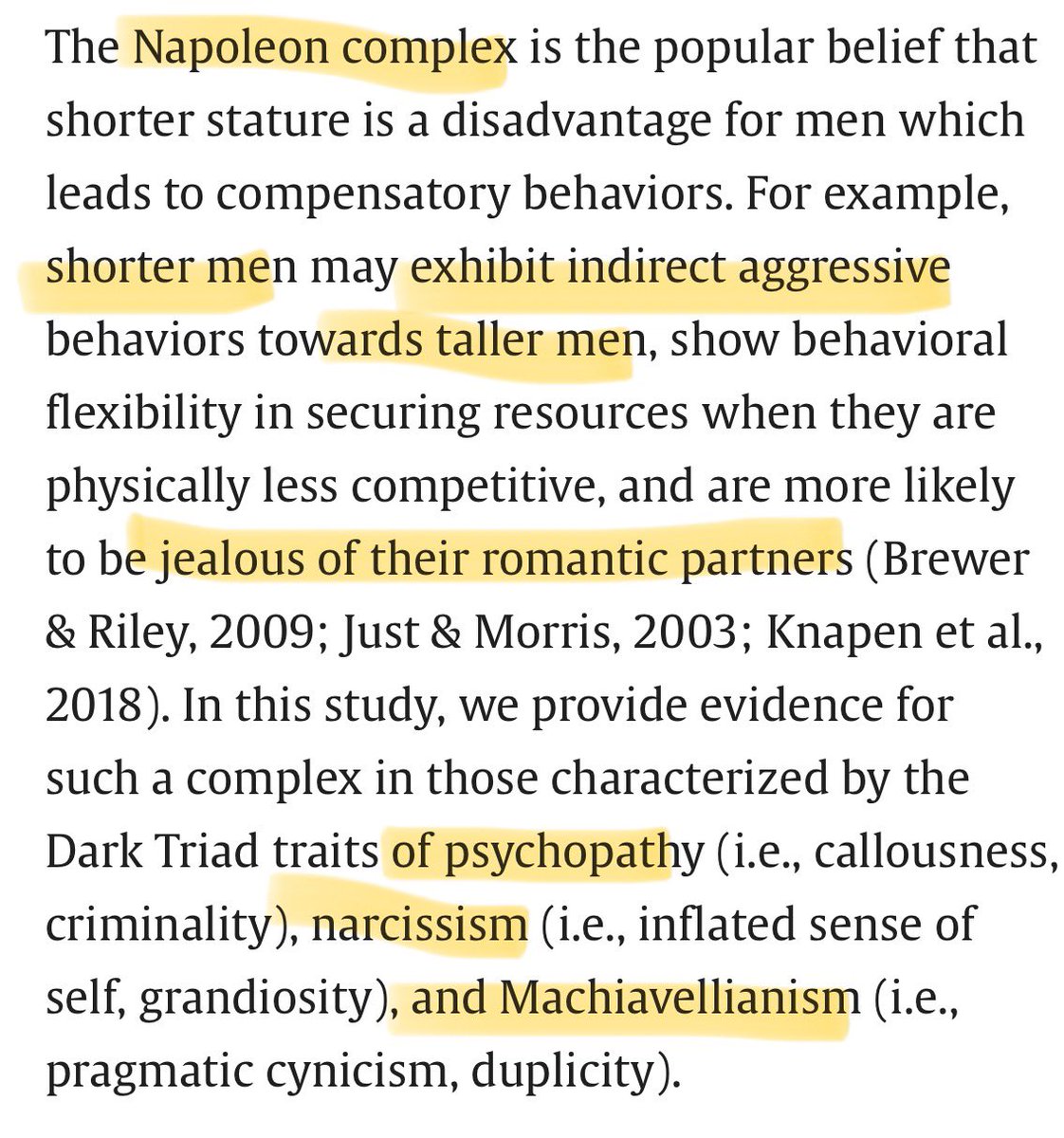
Two essential studies have now shown that men under 5’7” (170 cm) exhibit a measurably higher frequency of psychopathic and narcissistic traits as a direct evolutionary strategy to command authority. They utilize psychological manipulation to compensate for a lack of physical stature.
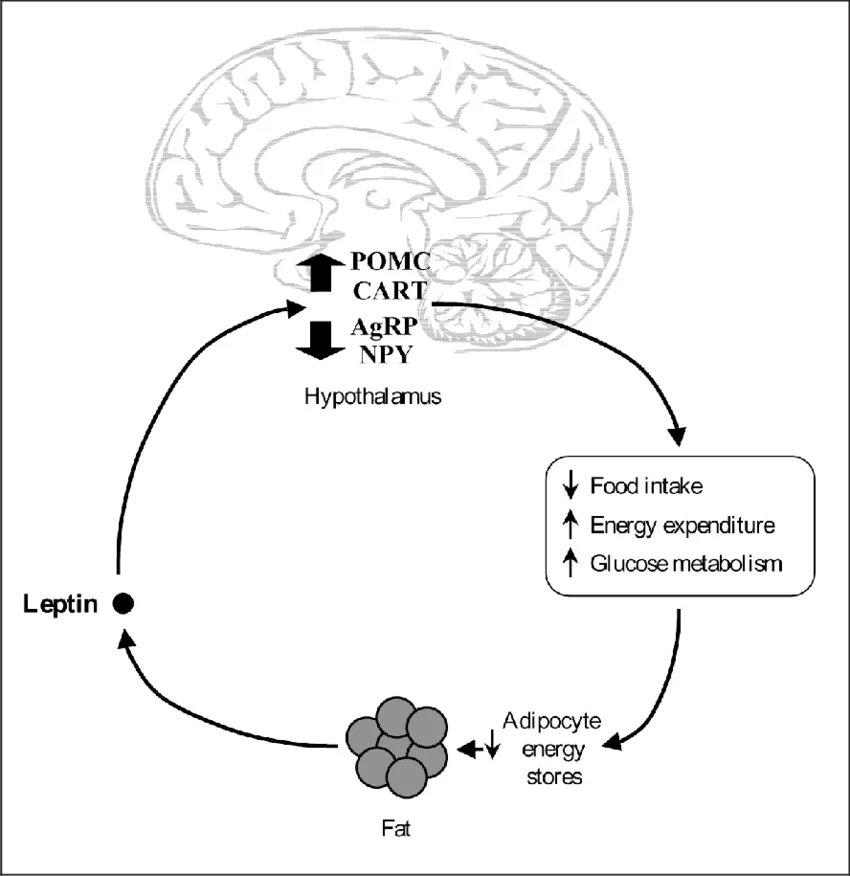
The theory here was that zinc had a positive impact on the central melanocortin system.
Essentially - leptin is a hormone released by the fat tissue that, when it hits the brain, reduces appetite and increases fat burning.
However, to balance that out is a neurotransmitter called neuropeptide Y - which stimulates appetite and reduces fat burning.
Zinc in this trial and in some other experiments has been shown to reduce neuropeptide Y and both increase leptin synthesis + signaling.
Zinc also has a number of other properties that would impact body composition.
- Central for thyroid hormone action
- Aids in androgen synthesis
- Reduces inflammation (directly fat promoting)
- Reduces cortisol (also directly fat promoting)
- Mitochondrial effects
La semaine prochaine ?
Gardez vos enfants a la maison. Chez les grands parents. Chez des amis.
Il fera 35° dans les classes, 42° dans la cour de recré, et on aura un ventilo dans une salle avec des bouteilles d'eau tièdes fournies par la mairie.
Apres c'est vous qui voyez.
1/
‼️🚨Ull a aquest fil: és el més desagradable i salvatge que hem hagut de fer.
Pedro Sánchez, fa una setmana a Brussel·les: «la desigualtat alimenta l'extrema dreta».
Salvador Illa, fa mesos: «està en joc el nostre model de convivència i de prosperitat compartida».
Es passen el dia avisant-nos de que ve el monstre.
I tenen raó. Ve un monstre, però no és el que diuen. Però no és qui ells diuen. 🧵
A stronger than usual El Niño this year is not cause for undue concern - as the Bureau of Meteorology itself notes.
This is nature shaking off the winter blues. According to the BoM's latest June data, the ocean and atmosphere have officially coupled into an El Niño Southern Oscillation state. While there could be later influences from local factors like the Indian Ocean Dipole - which is currently neutral but hinting at a positive turn - these atmospheric players can act as regional spoilers.
Roughly half of international climate models suggest this El Niño could intensify significantly during the Southern Hemisphere's winter and spring, potentially ranking among the strongest events since 1950. So there may be consequences depending on how it plays out.
But for El Niño itself this is nothing new; it's an ancient, natural, expected and predictable mood swing. Nor is it a structural breakdown. The ocean is simply unpacking its thermal suitcase to shed bothersome extra warmth out into the atmosphere, where the winds can carry it away. This is the perennial, time-honored sequence of oceanic interaction with the broader biosphere.
Some might point to the sudden spike in global atmospheric temperatures during an El Niño as 'runaway warming'. But it's not that either. It’s thermal energy responding to pure physics. We should think of it as a timely atmospheric and oceanic heat-redistribution spring clean.
During normal or La Niña years, the Pacific trade winds blow strongly from east to west, piling up warm waters around Australia and Indonesia into what is known as the Western Pacific Warm Pool.
But these are still only forecasts based on possibilities—not a script for climate change.
This story rarely changes much.
IMAGE: Pacific sea surface temperature anomalies during an El Niño event: Peter Blottoman Photography / Getty Images
Te voy a coser el órgano de un cadáver. Y que sea lo que Dios quiera.
¡Hoy 17 de junio, se cumplen 76 gloriosos años de una de la mayor salvajada quirúrgica de la historia!
Chicago, 1950. Ruth Tucker tiene 44 años y unos riñones destrozados por una enfermedad poliquística (por cierto, mi Graná es zona endemica). No hay diálisis moderna que la salve.
Pero… ¡tachan! Entra en escena Richard Lawler.
No tenía fármacos inmunosupresores. Sólo tenía un par de manos muy hábiles y nervios de acero. Decide coger el riñón de una mujer recién fallecida y empalmarlo en el cuerpo de Ruth.
A nivel inmunológico, aquello era como tirar una granada. Rechazo garantizado.
Pero Lawler abre y cose. Cruza los dedos.
El milagro ocurre. El riñón del cadáver se irriga y empieza a producir orina allí mismo.
Ruth toleró el órgano invasor 10 meses. El tiempo exacto que necesitó su otro riñón enfermo para desinflamarse y recuperar algo de función, regalándole cinco años más de vida.
¿Y qué premio recibió Lawler por realizar el primer trasplante de un órgano interno con éxito y abrir una nueva era médica?
El desprecio absoluto.
Sus colegas le hicieron el vacío. Lo acusaron de jugar a ser Dios, de profanar cadáveres. Nunca más volvió a hacer un trasplante.
Hoy salvamos miles de vidas al año gracias a esa misma cirugía.
Porque en la medicina, la línea entre locura y genialidad es MUY FINA. Y se cruza con bisturí. El primero que se atreve… suele llevarse todas las pedradas.
#LaTraumatologaGeek