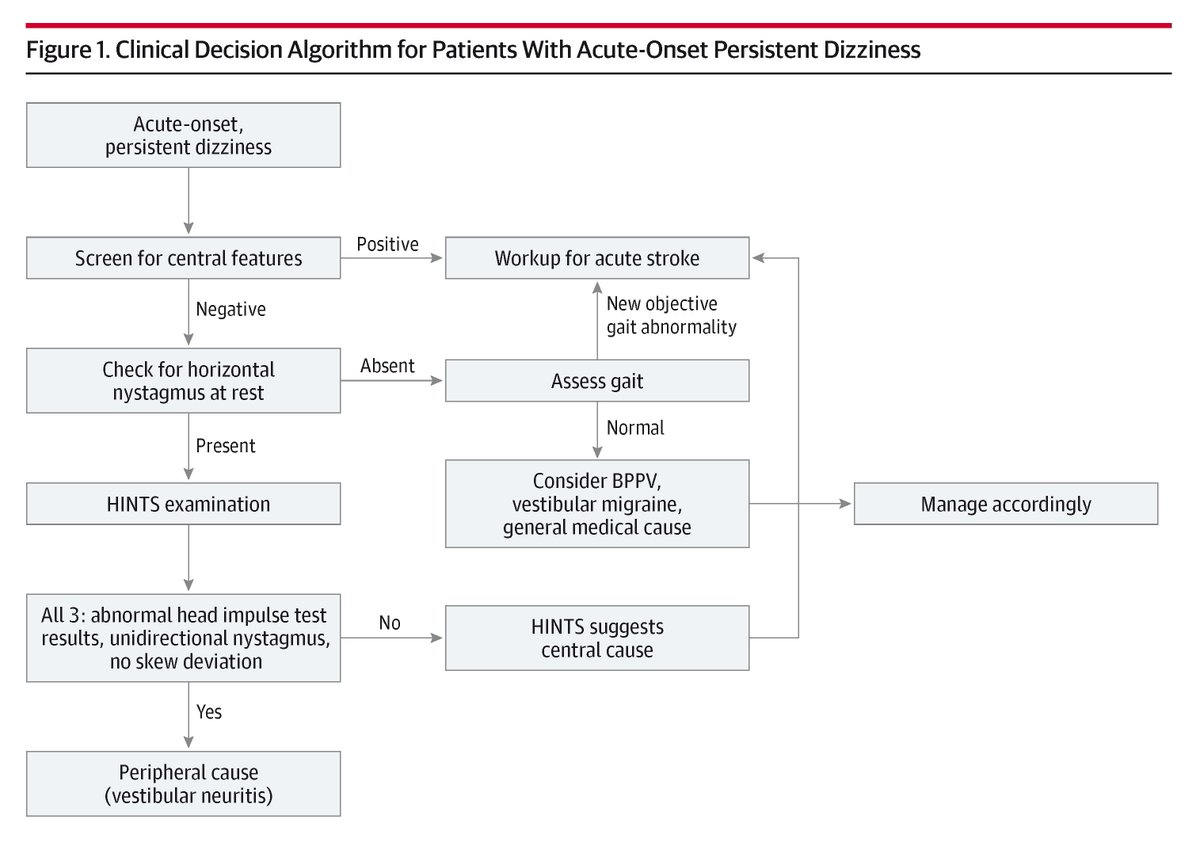
📝 The #HINTS examination is most effective in patients with continuous dizziness and spontaneous nystagmus at rest.
This Review indicates that outside this population , HINTS can reduce stroke diagnostic accuracy and lead to unnecessary imaging.
https://t.co/poC5X34jMp
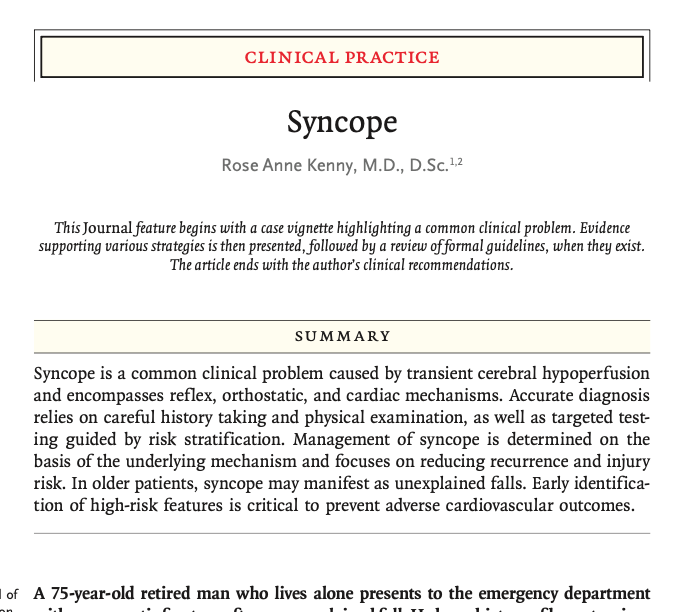
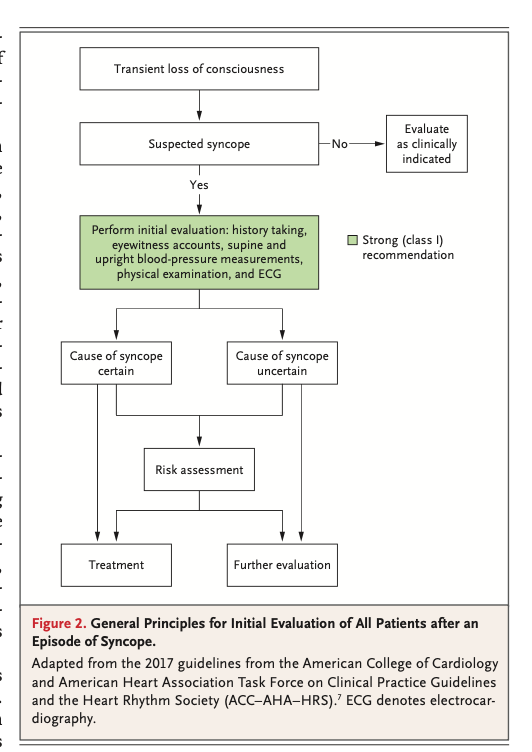
Revisión de Síncope de hoy en New England Journal of Medicine (2026). Detalles importantes:
🟠 Como siempre, la historia clínica, toma de presión ortostática y ECG mandan; no siempre se necesitan estudios extensivos.
🟠 Entre el 20% y 30% de las caídas de etiología no clara en adultos mayores son en realidad síncopes.
🟠 Para pacientes de riesgo intermedio, la observación en urgencias con monitorización cardíaca de 6 a 12 horas es igual de segura que el ingreso hospitalario y evita costos innecesarios.
🟠 Aunque se prescribe rutinariamente para la hipotensión ortostática, la evidencia sobre fludrocortisona es debatido.
🟠 Aún con las tecnologías nuevas como monitoreo prolongado (ej. monitores implantables) aun el 10% queda sin causa exacta clara.
Completo ya saben dónde (https://t.co/3O93s10lns).
It is July, I’m staffing the PN clinic and once again, it is essential to emphasize to the new PN/NM fellows the critical role of the clinical phenotype in diagnosing peripheral neuropathies.
NCS/EMG are valuable, but the neurological exam is the most important (as it should be in neurology but many have forgotten).
This is the neuropathy clinical phenotype classification I find the most helpful:
1-Isolated small fiber neuropathy
2-Length-dependent peripheral neuropathy (or distal symmetric polyneuropathy)
3-Multiple mononeuropathies
4-Mononeuropathy
5-Asymmetric neuropathy
6-Polyradiculoneuropathy
7-Plexopathy (brachial or lumbosacral, many times a radiculoplexus neuropathy)
8-Sensory neuronopathy
9-Motor neuronopathy
I always tell my trainees they don’t have to memorize the causes of each phenotype. If you define the syndrome correctly, you can ask a Chatbot what are the most likely causes. If you add the time course (tempo), presence of autonomic dysfunction, presence of systemic features (weight loss, rashes, fever, night sweats, or anasarca), comordities and response to immunotherapy, the chatbot will provide you an expert level discussion and differential.
1- Isolated Small Fiber Neuropathy
-Pure small fiber neuropathy.
-Only temperature and pinprick dysfunction on exam.
-Ankle reflexes must be normal in patients < 60 yo.
-NCS must be normal for age.
2- Length-dependent peripheral neuropathy (or distal symmetric polyneuropathy)
-Sensory predominant neuropathy, can also have motor involvement, distal predominant, worsens in an ascending length-dependent fashion: foot->leg-> hands/knee->elbow/anterior abdomen.
3- Multiple Mononeuropathies
Involvement of two or more non-contiguous (separate) motor, sensory or sensorimotor peripheral nerves.
4- Mononeuropathy
Involvement of a single sensory, motor or sensorimotor peripheral nerve.
5-Asymmetric neuropathy
It’s the pattern of overlapping multiple mononeuropathies.
Length-dependent polyneuropathy (distal predominant) involving bilateral extremities in an asymmetric fashion demonstrated by at least one grade of motor power difference by the Medical Research Council strength scale, more than 50% difference in sensory testing and involved individual nerves could not be identified separately.
6-Polyradiculoneuropathy
Proximal and distal weakness and sensory loss in the four limbs.
Can be distal>proximal; distal=proximal or distal<proximal.
7- Plexopathy
-Proximal and distal weakness in a single limb with decreased/absent reflexes and sensation loss (can be only proximal or only distal in brachial plexopathies; and of course can be bilateral).
- On exam can look like a radiculopathy or multiple radiculopathies.
-Plexopathies usually have more dense sensation loss than radiculopathies and may cause alodynea (pain caused by non-painful stimulus) which is rarer in radiculopathies.
8- Sensory Neuronopathy or Ganglionopathy
-The cell body of the sensory neurons are affected, usually asymmetric and affecting distal and proximal limbs, patchy, can affect the face or whole body, must have sensory ataxia and preserved strength.
- Can be accompanied by pseudoathetosis.
9- Motor neuronopathy
-Pure motor syndromes.
-The body of the motor neurons are affected.
-Usually asymmetric and distal predominant, accompanied by atrophy, fasciculations, decreased/absent reflexes (can also have upper motor neuron signs) and normal sensory exam.
Just published: How we should be educating clinicians in #EBM concepts in 2026. Includes guidance to put much less emphasis on critical appraisal and much more on understanding magnitudes of effect and quality of evidence, and use of #AI in education.
https://t.co/j2BsXve9Pp
Concerns about the Stanford/Ioannidis top 2% scientist database include "[...] permitting researchers with retraction rates above 34% and retraction-derived citations exceeding 75% of their total to remain listed."
https://t.co/fJifRYJCIO
https://t.co/rAeHi9CtdN
June 2026 Continuum issue on Cerebrovascular Disease.
Here are the 15 highest-yield clinical updates that will likely change how many of us practice stroke medicine.
🧵
1️⃣ Prevention is becoming more individualized.
The PREVENT risk calculator is replacing older risk paradigms by incorporating cardiovascular, kidney and metabolic disease burden.
Stroke prevention is increasingly being framed as brain-health preservation, not simply event prevention.
2️⃣ Not every AF detected after stroke is the same AF.
Longer monitoring finds more atrial fibrillation.
But the issue raises an important question:
Does every brief episode detected after stroke carry the same embolic significance as established clinical AF?
Detection ≠ causation.
3️⃣ Silent brain infarcts are common.
But finding an incidental infarct on MRI does NOT automatically mean aspirin.
Risk-factor modification remains the primary intervention in many of these patients.
4️⃣ PFO closure is becoming more nuanced.
The conversation is moving beyond:
"PFO present = close it."
Instead:
Was the stroke truly PFO-related?
Large shunt.
Atrial septal aneurysm.
High RoPE/PASCAL profile.
Mechanism matters.
5️⃣ Large-core infarction is no longer an automatic EVT exclusion.
Probably the single biggest treatment expansion in recent years.
Patients previously considered "too large to treat" may still derive meaningful benefit from thrombectomy when appropriately selected.
Many stroke pathways need updating.
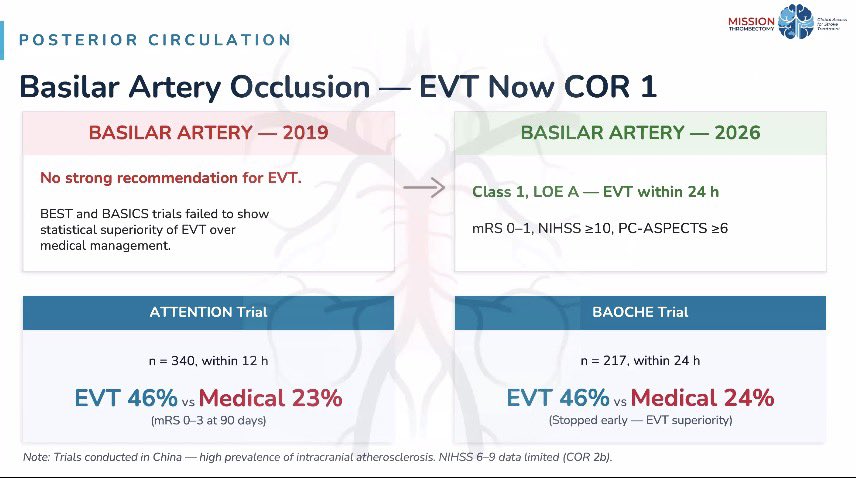
6️⃣ Basilar thrombectomy has become much harder to ignore.
The evidence base is substantially stronger than it was a few years ago.
A severe basilar occlusion patient presenting late should not automatically be considered outside treatment opportunity.
7️⃣ MeVO thrombectomy remains an evidence frontier.
Many centers are increasingly treating medium-vessel occlusions.
The field is moving fast.
But the issue appropriately reminds us that evidence is still evolving.
Avoid turning enthusiasm into dogma.
8️⃣ Pregnancy stroke management is becoming more aggressive.
A key message:
Do not delay necessary imaging.
CT.
CTA.
Mechanical thrombectomy.
Maternal neurological rescue remains the priority.
Many clinicians are still more conservative than current evidence supports.
9️⃣ CVT management remains surprisingly simple.
Even when venous hemorrhage is present:
Anticoagulation remains standard treatment.
Many trainees still find this counterintuitive.
🔟 Young stroke is increasingly becoming a different disease than older stroke.
Dissection.
Moyamoya.
Congenital heart disease.
PFO.
CVT.
Sickle cell disease.
Yet after age 35, conventional vascular risk factors begin dominating much more than many clinicians realize.
1️⃣1️⃣ Women still experience treatment disparities.
One uncomfortable message from the issue:
Women benefit from thrombolysis and thrombectomy similarly to men.
Yet treatment rates remain unequal.
Every stroke center should know its own numbers.
1️⃣2️⃣ Intracerebral hemorrhage recovery is often underestimated.
The issue repeatedly cautions against early nihilism.
Meaningful recovery may continue for months.
The first week does not always predict the final outcome.
1️⃣3️⃣ MRI markers are increasingly driving ICH decisions.
Microbleeds.
Cortical superficial siderosis.
CAA markers.
These findings increasingly influence future antithrombotic decisions.
MRI is becoming a prognostic tool, not merely a diagnostic one.
1️⃣4️⃣ Symptomatic intracranial stenosis remains a medical disease first.
Despite advances in intervention:
Aggressive medical therapy + 90-day DAPT remains the foundation.
The issue strongly reinforces lessons learned after SAMMPRIS.
1️⃣5️⃣ The most important stroke period may be after discharge.
One of the strongest themes throughout the issue.
Etiology completion.
Medication adherence.
Rehabilitation intensity.
Mood.
Cognition.
Caregiver burden.
Stroke care fails surprisingly often during the transition home.
The field is moving away from a "recanalization-only" mindset.
Modern stroke neurology is becoming:
Mechanism-driven.
Risk-driven.
Recovery-driven.
Brain-health-driven.
And that is probably the most important update of all.
Source:
Continuum: Cerebrovascular Disease, June 2026 (AAN).
#Stroke #Neurology #VascularNeurology #NeurocriticalCare #StrokePrevention #Neurotwitter #MedX
Maybe the best description of the general neurologist
1. Knows the 3 C's of neurology:
• The Common
• The Critical
• The Curious
2. Comfortable in the ward and ICU
3. Skilled in diagnosis (localization, imaging, EDX, LP) and treatment (thrombolysis, ASMs, immunotherapy etc)
🚨🤔#Reflexión para el fin de semana...
¿Te ha infectado el "virus de la academia"? 🦠📖
Aquí una reflexión en Clinical Infectious Diseases sobre la pasión por investigar, la ambición científica y el equilibrio con la vida personal...
✅ La urgencia por leer, escribir, revisar y publicar puede convertirse en una forma de vivir la academia. 🧪
✅ La carga invisible: compatibilizar excelencia científica, familia, mentoría y expectativas sociales. 🏠
✅ ¿Ego o propósito?: ¿qué nos mueve realmente, el reconocimiento o contribuir con algo útil?
🩺
✅ Balance: convivir con esa “infección” sin olvidar que la ciencia debe servir a algo más grande que nuestros logros.
🌍
Detrás de cada paper hay personas intentando mantener su curiosidad, su compromiso, pero también su vida. Tómate un respiro: el impacto importa, pero XD... tú también. 🧠✨
🔗 👇https://t.co/02O9PlBiZn
#Academia #VidaCientífica #Investigación #Ciencia #MujeresEnCiencia #Mentoría #CulturaCientífica #InfectiousDiseases
@SEMicrobiologia @COSCE @ANIH_1@uniovi_info
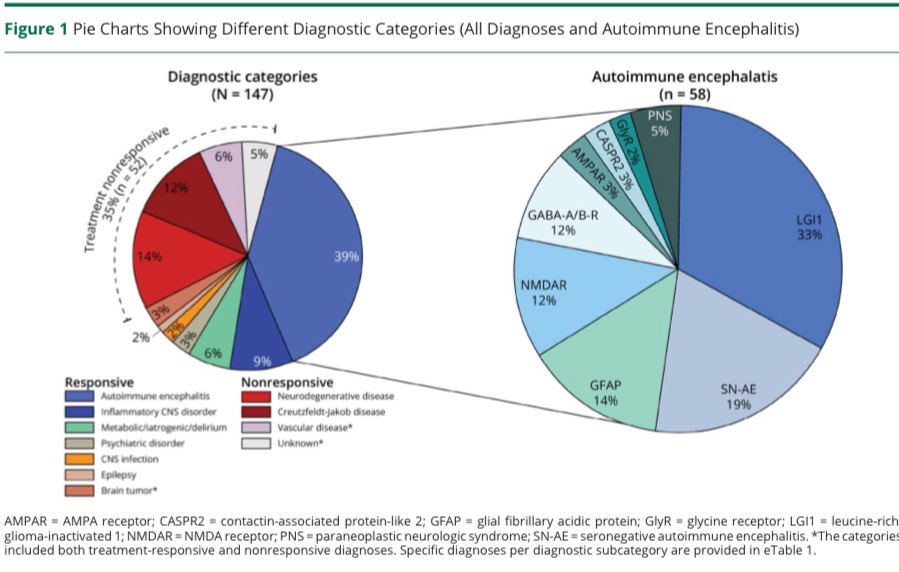
Congrats on this prospective study in @GreenJournal!
Beyond the striking finding that nearly half of rapidly progressive dementia etiologies were immune-mediated, it is a great example of how neurologists can generate meaningful data while doing clinical work👏🏽
Example to follow!
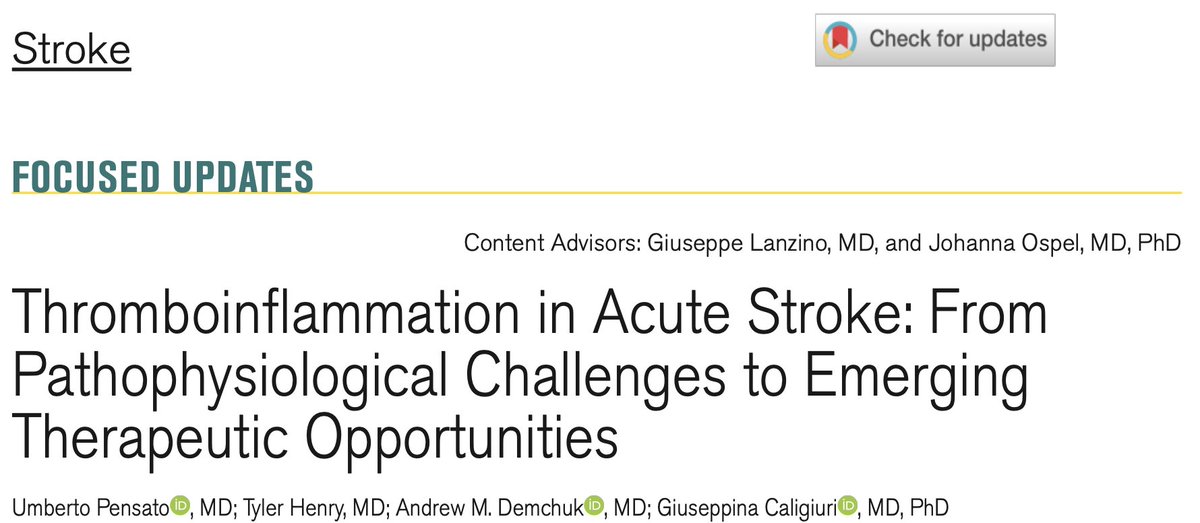
Thromboinflammation in Acute Stroke: From Pathophysiological Challenges to Emerging Therapeutic Opportunities | Stroke @StrokeAHA_ASA@AHAScience https://t.co/IDjWwnoZ24
Durante décadas, la medicina asumió que el principal desafío era descubrir nuevos tratamientos. Pero este paper plantea una idea mucho más incómoda: quizá el problema no es que falte conocimiento, sino que los sistemas de salud son extraordinariamente malos para usar el que ya tienen.
La llamada “ciencia de la implementación” parte de una observación casi absurda en apariencia: pueden pasar hasta 15 o 20 años entre un descubrimiento clínico sólido y su adopción rutinaria en hospitales. En ese intervalo, millones de pacientes reciben atención basada no en la mejor evidencia disponible, sino en inercias institucionales, hábitos profesionales y limitaciones estructurales.
El artículo tiene el mérito de aterrizar esta discusión sin excesivo tecnicismo. Su mensaje es simple pero profundo: una terapia eficaz en un ensayo clínico no necesariamente sobrevivirá al mundo real. Allí aparecen variables mucho menos elegantes que las estadísticas biomédicas: burocracia, agotamiento del personal, falta de recursos, cultura organizacional y resistencia al cambio.
Y quizá ahí reside la parte más interesante del paper. La medicina contemporánea suele celebrar el descubrimiento, la nueva molécula, el biomarcador, la tecnología disruptiva, pero rara vez presta la misma atención a la logística humana que determina si esos avances realmente llegan a las personas.
En otras palabras, salvar vidas no depende únicamente de innovación científica; depende también de sistemas capaces de implementar esa innovación de manera consistente.
El artículo sugiere que la próxima gran revolución biomédica podría no provenir de laboratorios futuristas, sino de algo menos glamoroso y mucho más difícil: aprender cómo transformar instituciones complejas, rígidas y profundamente humanas.
https://t.co/88VZbiGVLR
🧠 Esclerosis Múltiple (EM) en 2026: el paradigma cambió drásticamente. El objetivo terapéutico ya no es solo evitar recaídas clínicas.
Perlas de la actualización internacional en Neuroinmunología: 👇🏻
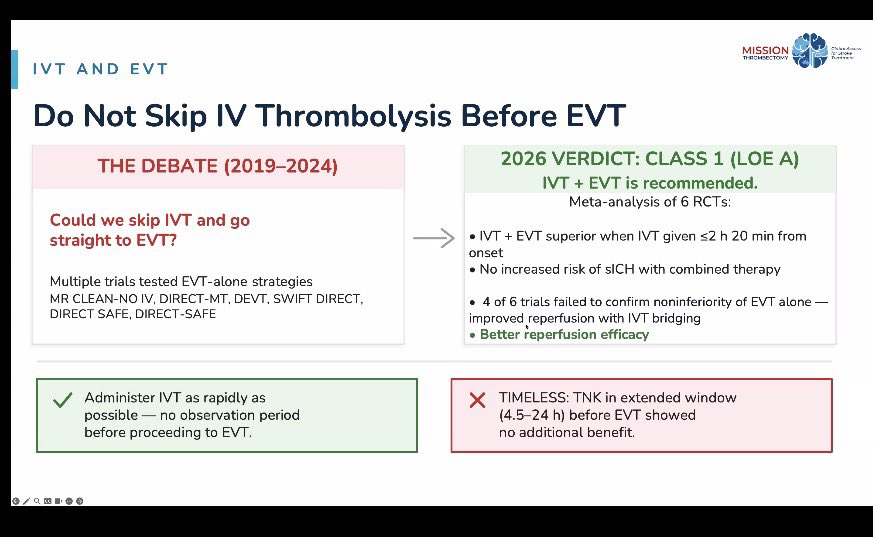
🧠🌍 Mechanical Thrombectomy Update by Dr. Daniel Vela Duarte
EVT continues to evolve with growing evidence and refined patient selection.
⏱️ Time still matters, but selection is increasingly “time + tissue” based.
🧠 Extended window EVT (up to 24h) remains for carefully selected patients using imaging-based criteria.
🧭 Vessel coverage: • ICA/M1 = standard • Basilar occlusion = increasing evidence/support • M2 occlusions = selected cases only
🧪 Imaging (CTA ± perfusion) remains central in identifying salvageable brain tissue.
💊 System efficiency and faster workflows continue to drive better outcomes.
#Stroke #MissionThrombectomy #AHA2026 #SVIN
This week is peripheral neuropathy awareness week so here are a few useful articles about PN
Ten steps in diagnosing PN
https://t.co/sYjpAhUqjI
The 10 P's
https://t.co/tV6tdqueLX
PN JAMA Review
https://t.co/dsQKfG5oRl
Tests for treatable small-fiber PN
https://t.co/xcNlgFNaXf
Introducing the first #NeurologyEd Curriculum Resource Report, a foundational MRI brain module featuring dynamic, scrollable MRI image stacks, allowing students to explore images in a way that reflects clinical practice. Download today at: https://t.co/THXV7tQLsg
@JordanHNewman