Academics write for each other, not for people.
Steven Pinker has spent over four decades doing the opposite, and thinks current academic writing is "enormous wasted effort."
"There's an awful lot of brilliant work, really smart people in academia. Why are they doing it? Just to entertain each other? Taxpayers pay for it. It should be accessible. Why should I have to read a paragraph five or six times?
It gets under my skin when academics devote so much brainpower into the scholarship and then just blow off the essential task of letting the world know what you've done."
ANTHROPIC VALUATION: $965B
WALMART VALUATION: $940B
ANTHROPIC REVENUE: $14B
WALMART REVENUE: $725B
NOW COMPANIES CAN’T AFFORD TO USE CLAUDE. BUT AI IS NOT A BUBBLE, RIGHT?
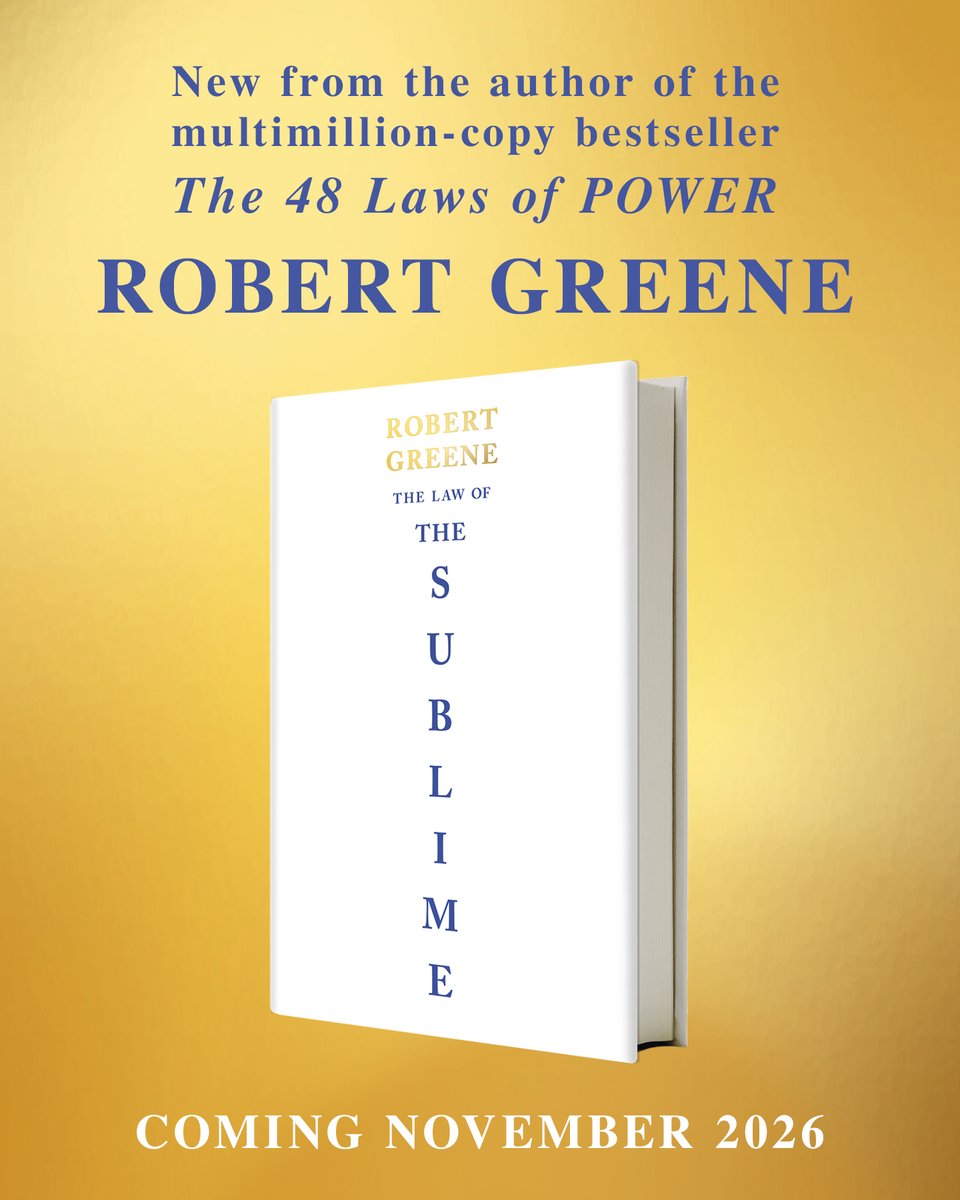
After seven years of intense work, I am excited to announce that my new book, The Law of the Sublime, will be out in November. and is now available for pre-order (see link below).
The book is designed to expand your mind, and to reveal to you a world to explore beyond what you consider reality: the realm of the Sublime.
This adventure does not require travel, drugs, or any form of external stimulation.
It only requires a new pair of eyes to see the extraordinary all around you.
Through stories, exercises, and meditations, the book will immerse you in the Sublime and forever transform how you experience life.
Scientists have created one of the most detailed 3D reconstructions of a human cell (eukaryotic cell) ever produced.
This groundbreaking model, often termed a "Cellular Landscape Cross-Section Through a Eukaryotic Cell," combines data from X-ray tomography, nuclear magnetic resonance (NMR), and cryo-electron microscopy to map molecular structures in extreme detail.
> be Yann LeCun
> spend years building JEPA at Meta
> company focuses on LLaMA instead
> his idea stays complicated and unused
> robotics plans get dropped
> decides to leave and start AMI Labs
> builds a much simpler version from scratch
> trains it on normal hardware in just a few hours
> removes all the complicated tricks and keeps it simple
Results:
-uses 200x less data than similar systems
-makes decisions 50x faster
-runs on a single GPU instead of massive clusters
-simple to train
-understands movement, objects, and space
-can tell when something is physically impossible
-learns how the real world works without being explicitly taught.
A really excellent book.
A few people independently told me this was one of their favorite books over a decade ago. I bought it, and it became one of the textbooks on my shelf I revisit from time to time to spark the joy of holding ideas to a different light.
It brings to life the elegance of information theory.
A good day to recognize 10 years from the passing of David McKay.
I made a Claude Code skill that turns any arxiv paper into working code.
Every line traces back to the paper section it came from & any implementation detail the paper skips will be flagged, and not assumed.
open sourcing it -
https://t.co/sSio4JfpIo
10 books recommend by Vinod Khosla:
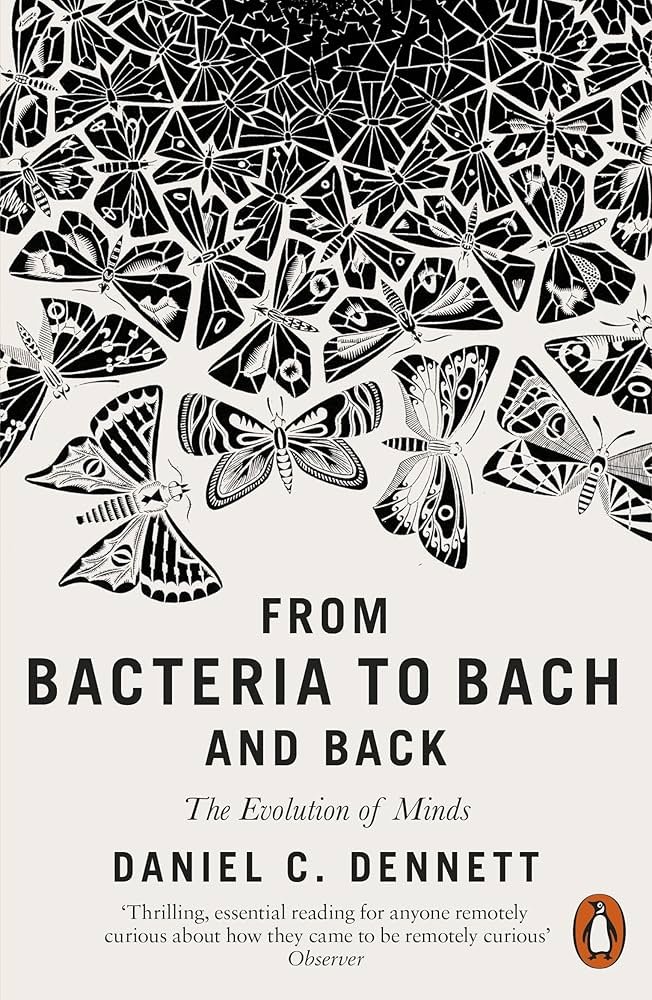
1) From Bacteria to Bach and Back by Daniel Dennett
"Another of my favorites this year. Long but worth every page."
buffett has been investing for 70 years and his main strategy is "do almost nothing most of the time." claude is going to analyze 4,000 data points and make 47 trades in a week because that's what AI does. activity is not the same as performance. the hardest investing skill is sitting still and doing nothing. which is the one thing an AI agent designed to be "autonomous" will never do.
what's the most boring investment strategy that actually works? because i bet it's the one nobody makes content about
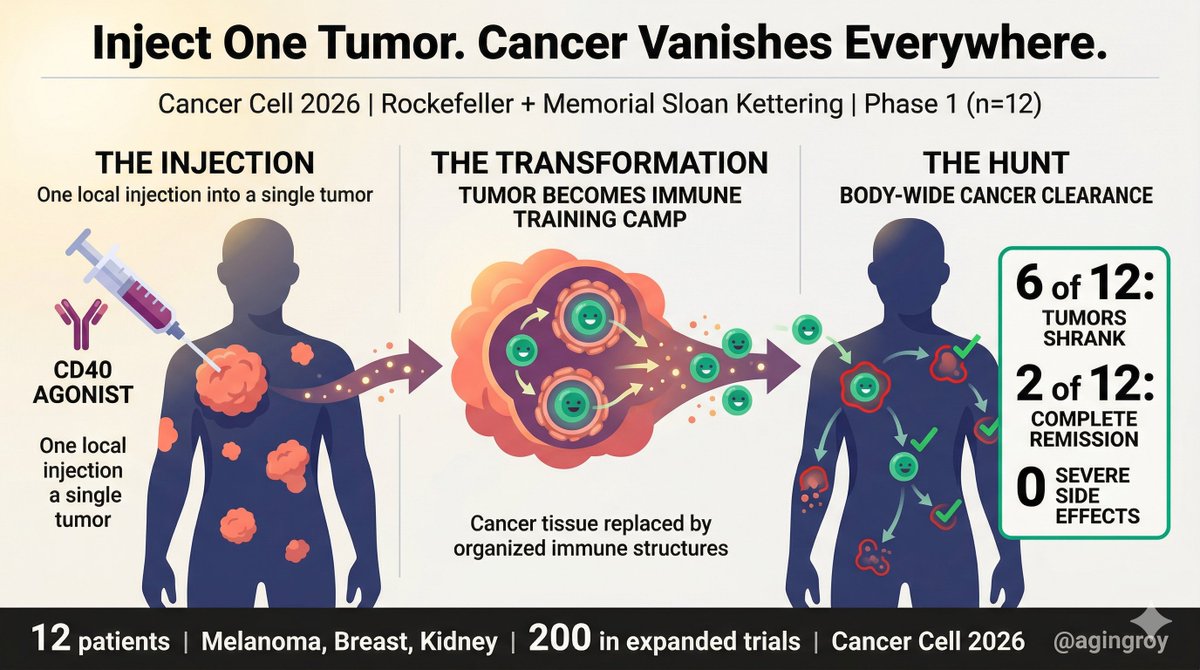
12 patients with metastatic cancer. Melanoma, breast, kidney.
Doctors injected a re-engineered antibody (CD40 agonist) into a single tumor. Not IV. Not systemic. One local shot.
The result: tumors shrank across the entire body, including at sites that were never touched.
2 of 12 patients hit complete remission. The injected tumors didn’t just shrink. They were replaced by organized immune tissue, tertiary lymphoid structures, essentially training camps for cancer-killing T cells.
Zero severe side effects.
The concept: instead of flooding the body with immunotherapy and hoping it finds the cancer, turn one tumor into a vaccine against itself. Train the immune system locally. Let it hunt globally.
Nearly 200 patients now in expanded trials across bladder, prostate, and brain cancers.
Published in @Cancer_Cell by Jeffrey Ravetch’s lab at @RockefellerUniv and @MSKCancerCenter