One thing I think many youth coaches underestimate:
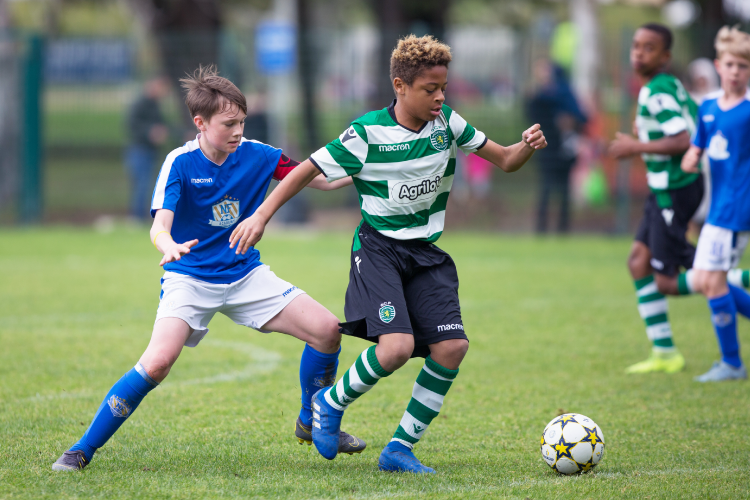
The defensive work rate required to play at a higher level. ⚽️
Here's what I've seen over 15+ years of coaching 🧵
How we made the playing style work without guessing. ⬇️
Maybe you know that:
You train for months, but your playing style doesn't really show up in the game.
At least not how you imagined it.
There's a big disconnect from what you want.
I was in that spot.
And looking back, the reason was not effort.
The problem wasn't consistency.
At all.
We trained very often.
We trained intensely.
We repeated over and over.
But it still didn't work.
/
The real reason we weren't able to build a clear, working playing style was that we were wasting time.
Doing things that are kind of important, but do not really improve players in the game.
On a very core level, we just didn't train what the players need.
We didn't train the game.
But something else.
We played training games similar to the game.
Or doing something that looks like the game --> E.g., passing exercise that look like something that happens in the game, but where we removed communication and decisions.
So there will always be a disconnect from the game. And this disconnect hinders an effective transfer. Because we train something that is not the game. And then we cannot be surprised that in the actual game, the players struggle.
I am not saying that playing games that are similar to the game or things to prepare players for the game (e.g., passing exercises) do not help players.
They do.
But, we want the thing that helps the players THE MOST.
When we find something that works and is effective, then we can do more of it.
/
So, the problem was practicing things that are similar to the game, but not quite the game.
Therefore, the solution to that is simple:
Just train the game.
We do not start with "This is the exercise I've done for years, and it helps my players do XY. And my players love it."
We do not invent or copy any training exercise, and hope they might translate.
Our goal is to help players improve playing the game.
So, we start there.
We start with the game.
And work backwards from there.
The closer to the game, the more we actually train what players need.
We reverse-engineer from the game.
Yes, you might end up with a 1v0.
But it is directly derived from the game.
So you can be sure that what you train is EXACTLY what the players need.
And then, they make fast progress.
Without having to guess.
Bene.
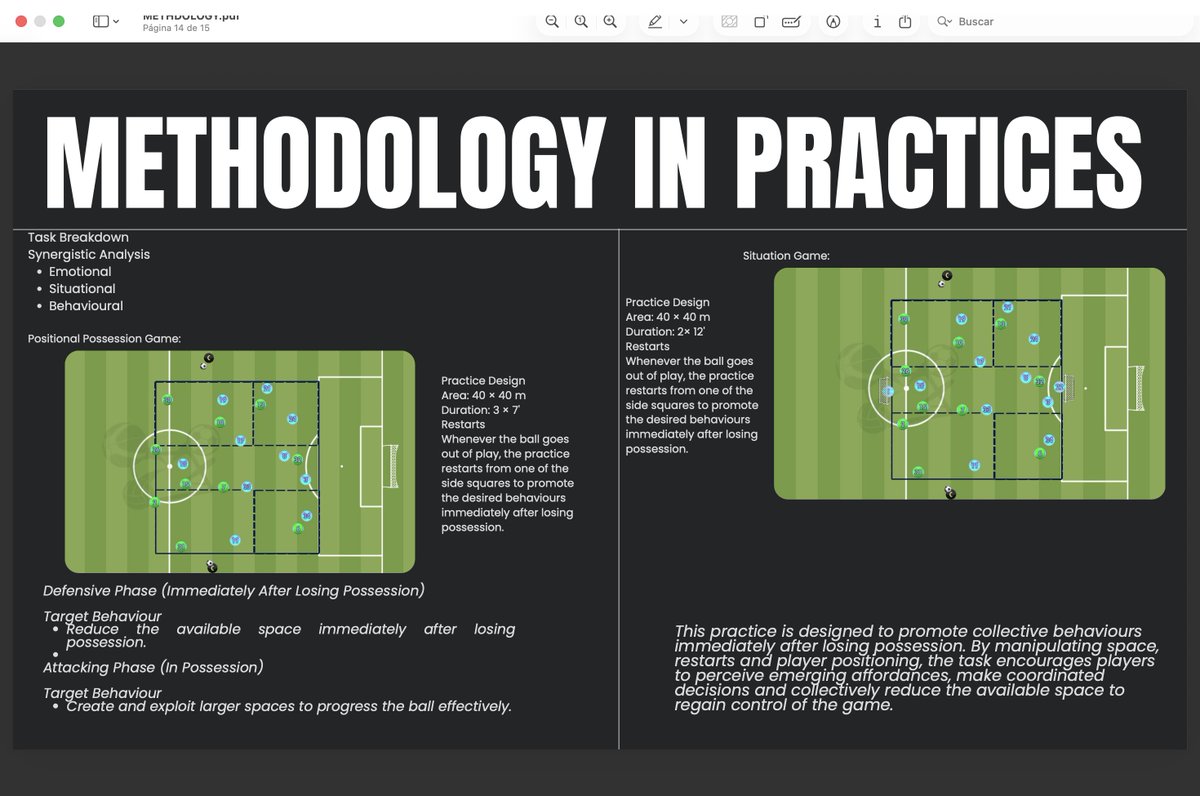
The first question I ask before designing any training session is simple: What situation do I want to recreate?
What game situation do I want to recreate? What part of the game do I want my players to experience?
That right there is the basis. That’s the jumping off point.
“Great leaders always give the credit to others and great leaders also take the blame when things don’t go right and that’s how you endear yourself to a group of people. In fact you should always point the finger back at yourself,” @TomBrady
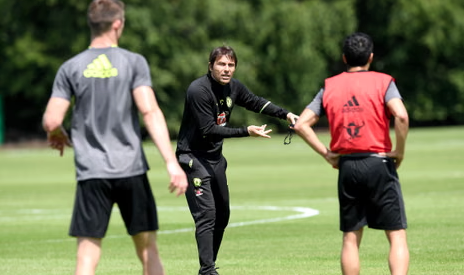
A clip of me coaching ‘safe turns’ to Man Utd U18s including Marcus Rashford & Scott McTominay - now I’d set it up differently practicing in the area of the pitch it occurs - in ‘play around rings’ at the back, in midfield or around the box replicating the match scenarios below
Winners own mistakes. Losers point fingers.
“Don’t be a blame guy. That’s the first sign of loser mentality when you blame someone else for a mistake,”
- Kirby Smart 🥇
On great teams, accountability isn’t optional.
The inner voice of a great competitor…
“This WILL be a tough game. That’s ok…I’m going to love every second of executing with attention, with intensity, and with a positive intent…
This WILL be a tough game. That’s ok…I’m in charge. I’m in control. I dominate my mindset. I own my mindset…
This WILL be a tough game. That’s ok…I have within me the skills and competencies to deal with the challenges the game throws at me…”
👇🏻👇🏻👇🏻 (not dissimilar to the inner voice of a great learner)
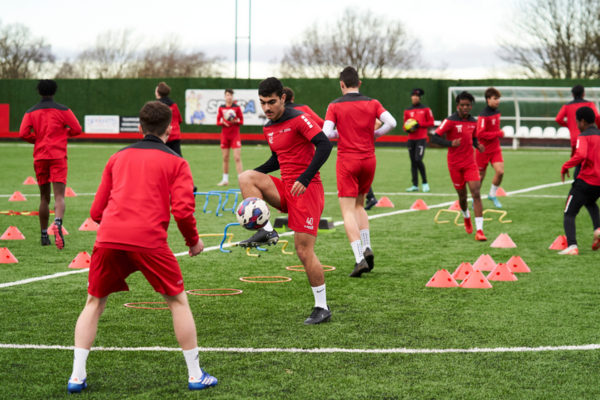
A “normal week” for a U14+ team when you play on Saturday.
No midweek game.
Balanced load.
Football-specific.
Principles-driven.
This is how I like to structure the week. 🧵⚽️