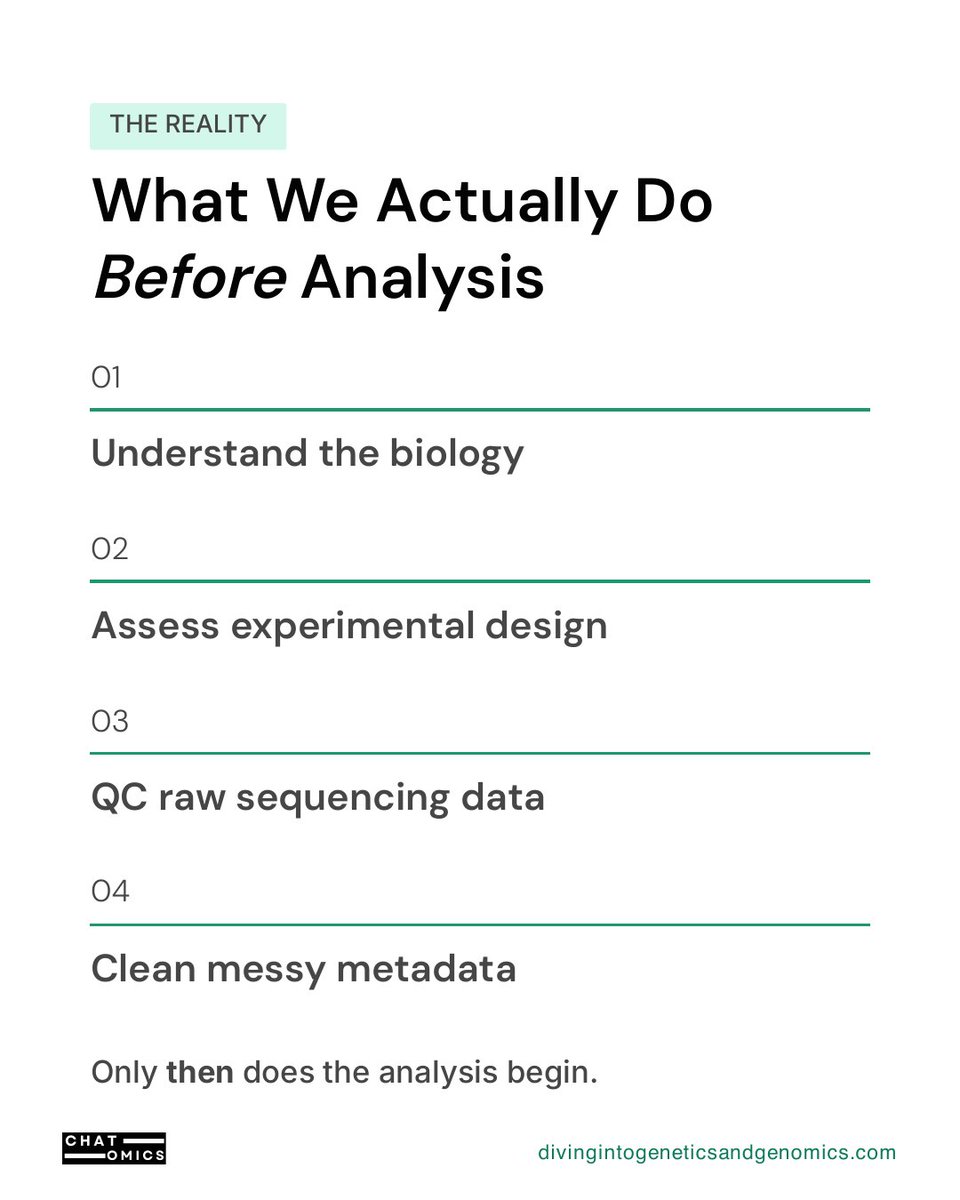
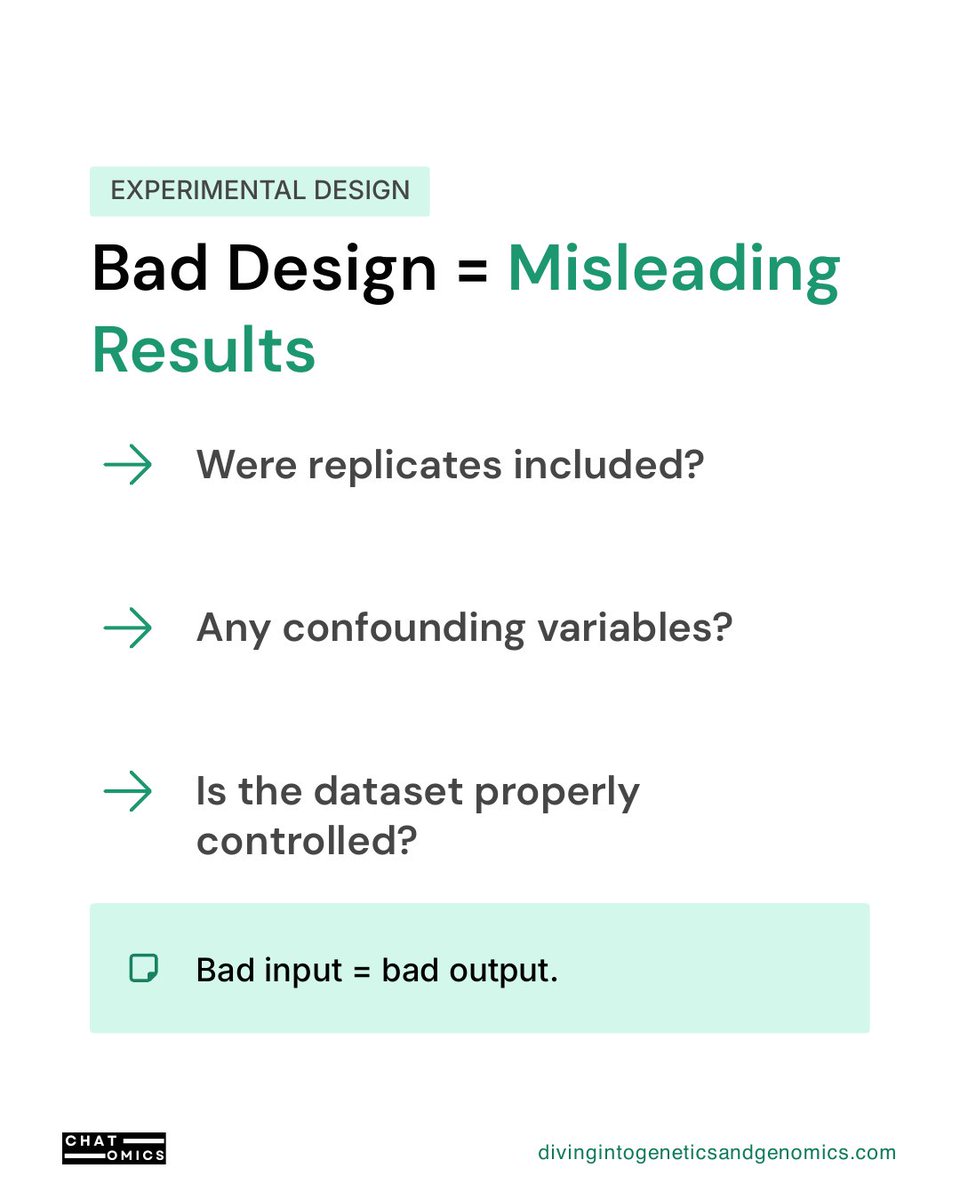
"Just run the pipeline" is how wrong results get published.
There's no push-button in bioinformatics — here's the judgment the buttons can't give you.
1 of 290 👉 https://t.co/D9hfIdcztU
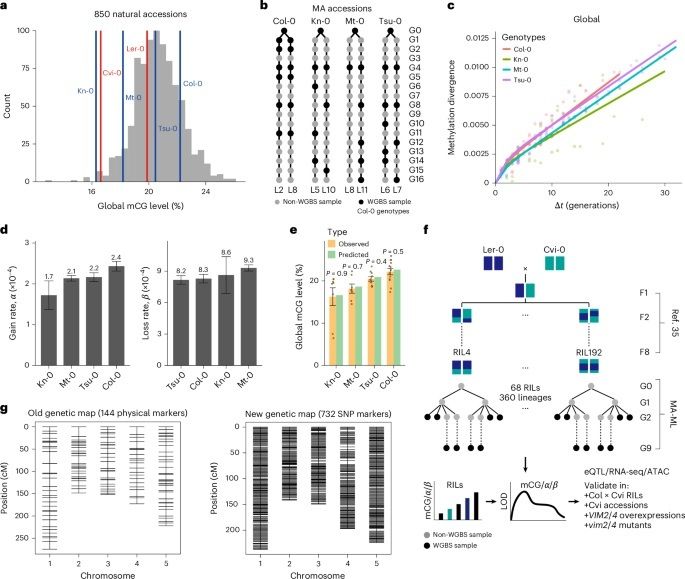
Aging does not appear to follow the same molecular script for everyone, according to an 8-year study of more than 300 women.
The findings in Science reveal that individual molecular trajectories of aging can diverge substantially from population-wide patterns and are shaped not only by genetics but also by factors such as circadian rhythm, seasonality, and environmental exposures. Learn more: https://t.co/lMeN6KhpTg
Genetic deficiency of albumin raises LDL cholesterol almost as much as familial hypercholesterolemia (FH) variants do. Yet ALB is not recognized as a cause of FH.
In ~560k individuals from Geisinger and All of Us, 77 (1 in 7,289) carried an ALB loss-of-function variant. Their albumin was 0.69 g/dL lower and their LDL-C 38 mg/dL higher than in people without an ALB or FH variant.
ALB pLoF carriers are rarer than LDLR and APOB carriers, but commoner than PCSK9 gain-of-function carriers. The effect sizes follow the same order.
Here is the interesting part. A polygenic score for blood albumin levels says the lower the genetically predicted albumin, the lower the LDL cholesterol. The inverse of what the rare variants tell us.
This is likely because the polygenic score is dominated by trans variants that capture overall liver health (liver output, inflammation) rather than albumin itself. A score built only from variants within the ALB gene agrees with the rare variant findings.
Berry et al. JACC 2026
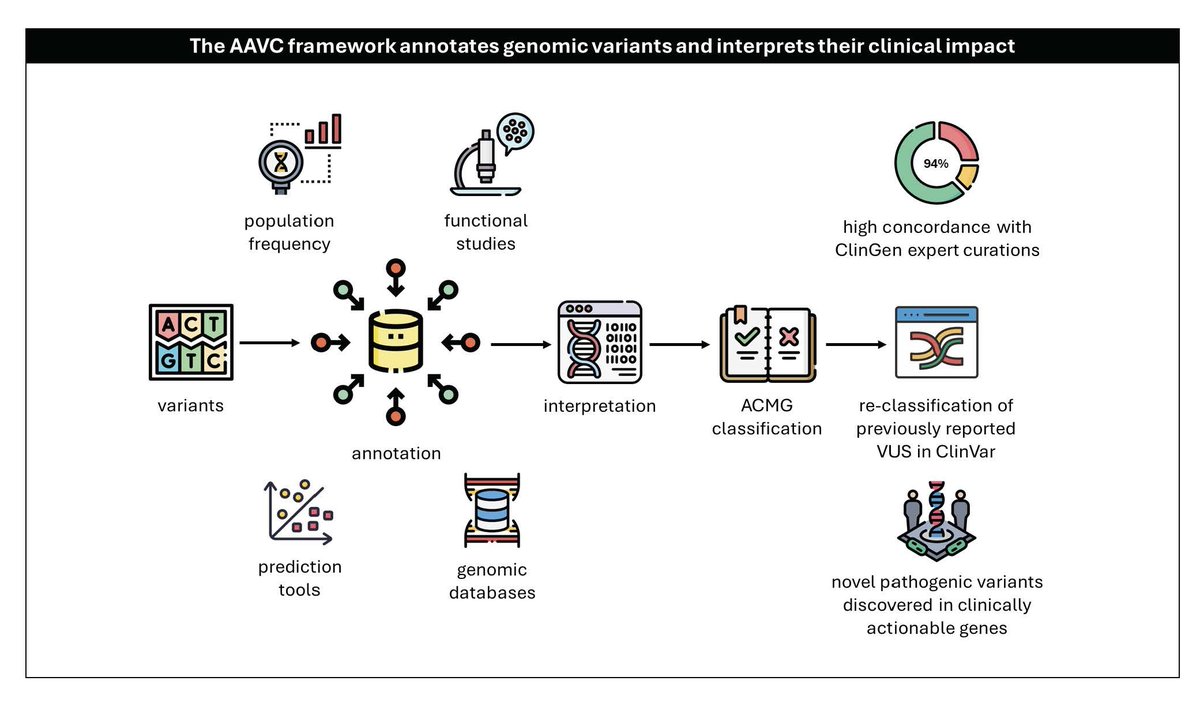
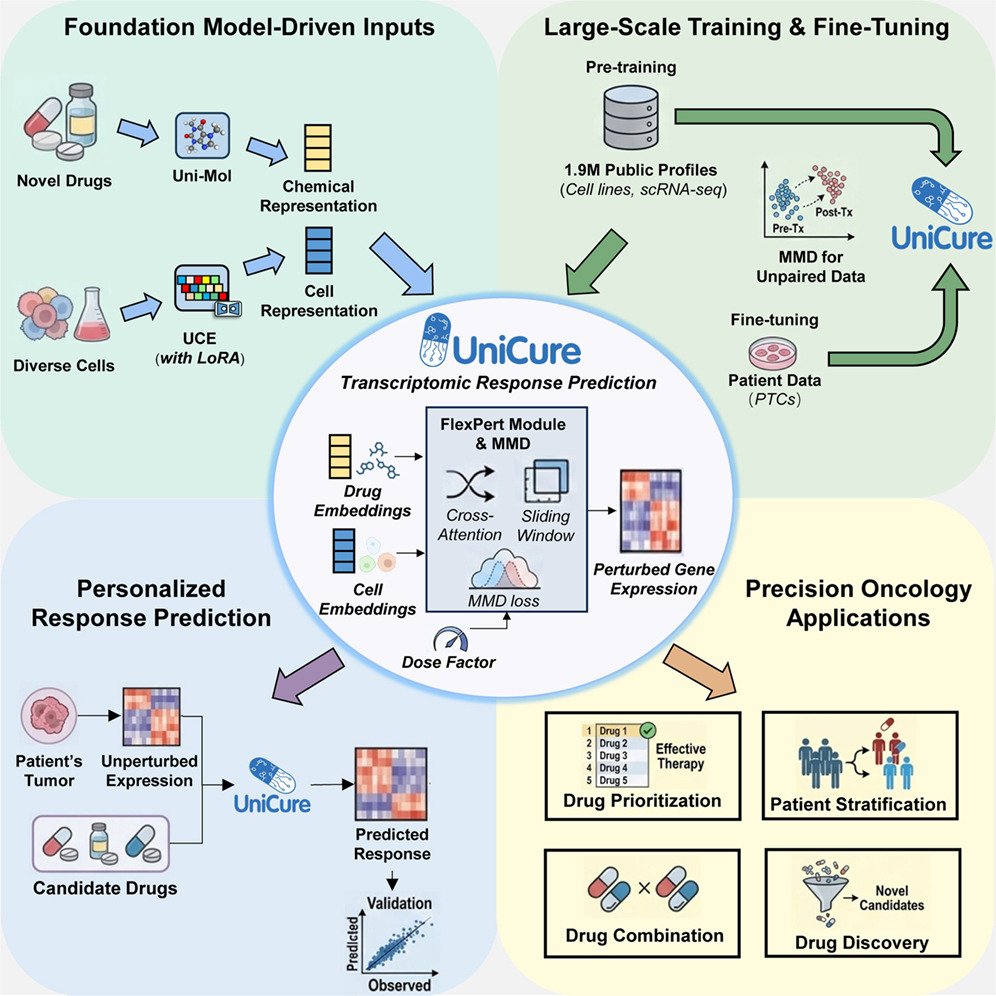
New tool automates variant classification with high concordance to expert curation, improves handling of VUS, noncanonical splice, and stop-lost variants, and could help genomic interpretation faster, more consistent, and more clinically useful. https://t.co/Ab46Q3T232
This review aims to equip researchers with a clear understanding of the current technological landscape and to accelerate the adoption of #SpatialMultiomics methods in biomedical research: https://t.co/9yzH78Fvij
Multiomic Analysis Identifies T-cell Subsets and Mechanisms of Epithelial Interaction in Idiopathic Pulmonary Fibrosis by Haikuo Li @HaikuoLi and colleagues @sjtu1896 & @WashU.
1/ Last week I gave an AI agent a scRNA-seq metadata task that cost me an afternoon four years ago.
It finished in minutes and showed me every step. So I read the benchmark the same team published. https://t.co/HCZa31H6BI https://t.co/WksTAqv1Lp
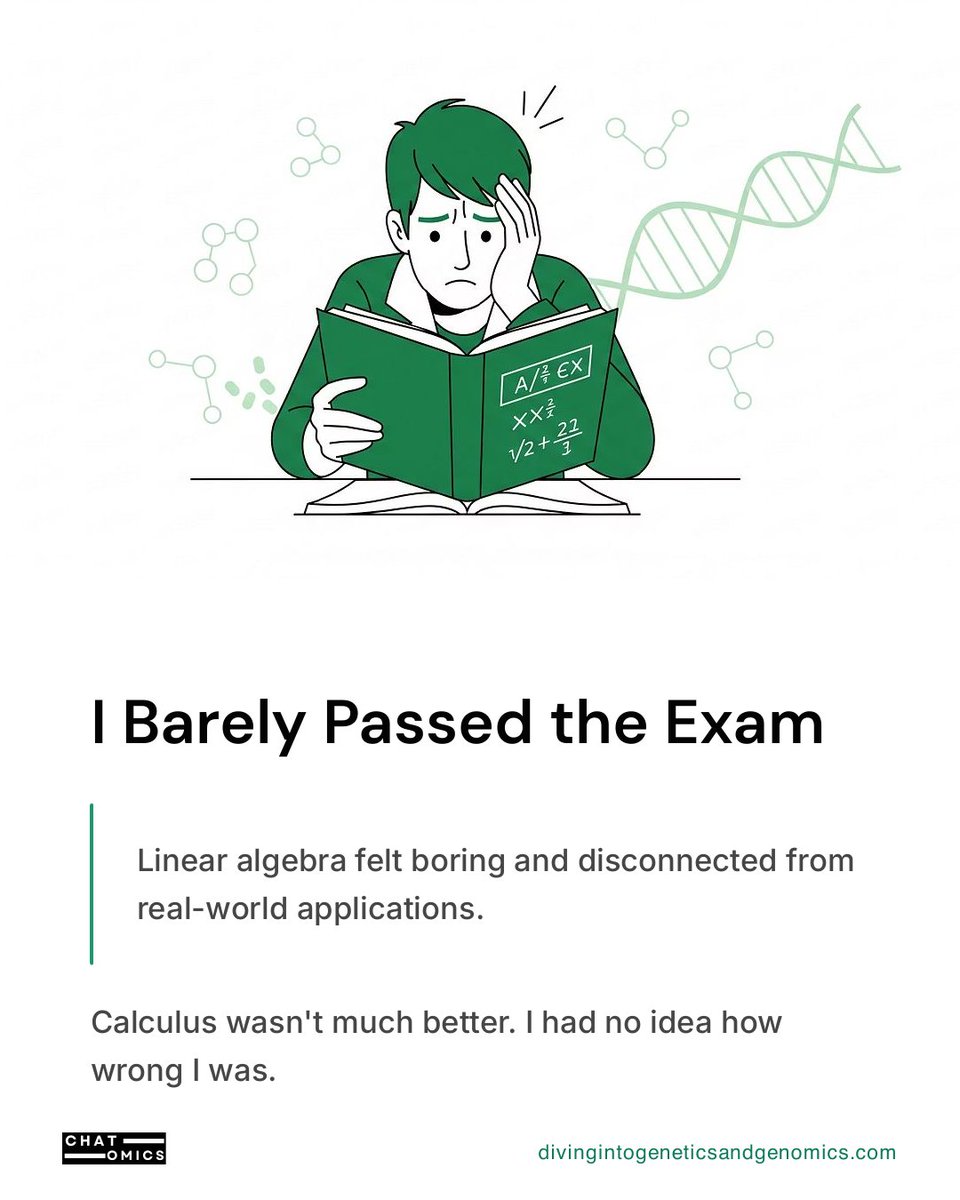
My biggest bioinformatics regret: barely passing linear algebra in college.
Every matrix, PCA, and single-cell method made me pay for it later. Here's what I wish I'd learned.
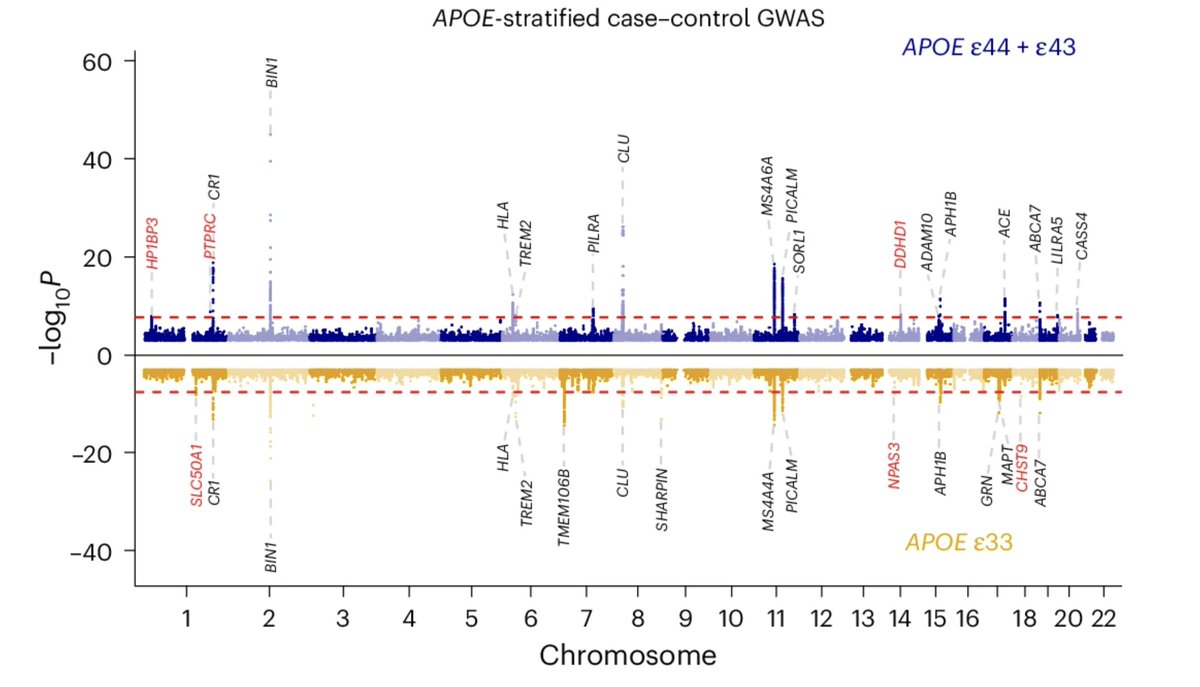
New in Nature Aging (Columbia + collaborators): APOE4 and Aβ42 drive astrocytes to dump fibronectin at the blood-brain barrier, breaking astrocyte-endothelial signaling and letting fibrinogen leak in. Aged APOE ε4/ε4 mice: +98.9% brain FN1 vs ε3. A protective FN1 loss-of-function variant cuts AD risk by 71%.
This is what "hallmarks of aging" look like in real tissue: matrix remodeling as the mechanism between a genetic risk allele and a leaky, inflamed old brain. Human genetics, postmortem pathology, CSF, iPSC-derived cerebrovascular models, zebrafish, mice, all pointing at the same target.
We keep arguing (Chen et al., Ageing Research Reviews 2025, "From clock to clock") that the useful therapeutic targets for aging are the ones you can hit downstream of a validated genetic signal. FN1 at the gliovascular interface is exactly that.
https://t.co/TBNBI2Icpb
#aging #longevity #Alzheimers
Genome editing of humans embryos was recklessly done in people in 2018. This week, despite far more precise base editing ("CRISPR 2.0") a new lab study @Nature in human embryos, shows it's far from ready with unintended, off-target edits, mosaicism, and embryo arrest
https://t.co/SQgxOCc95O
https://t.co/k5Wco5IETn
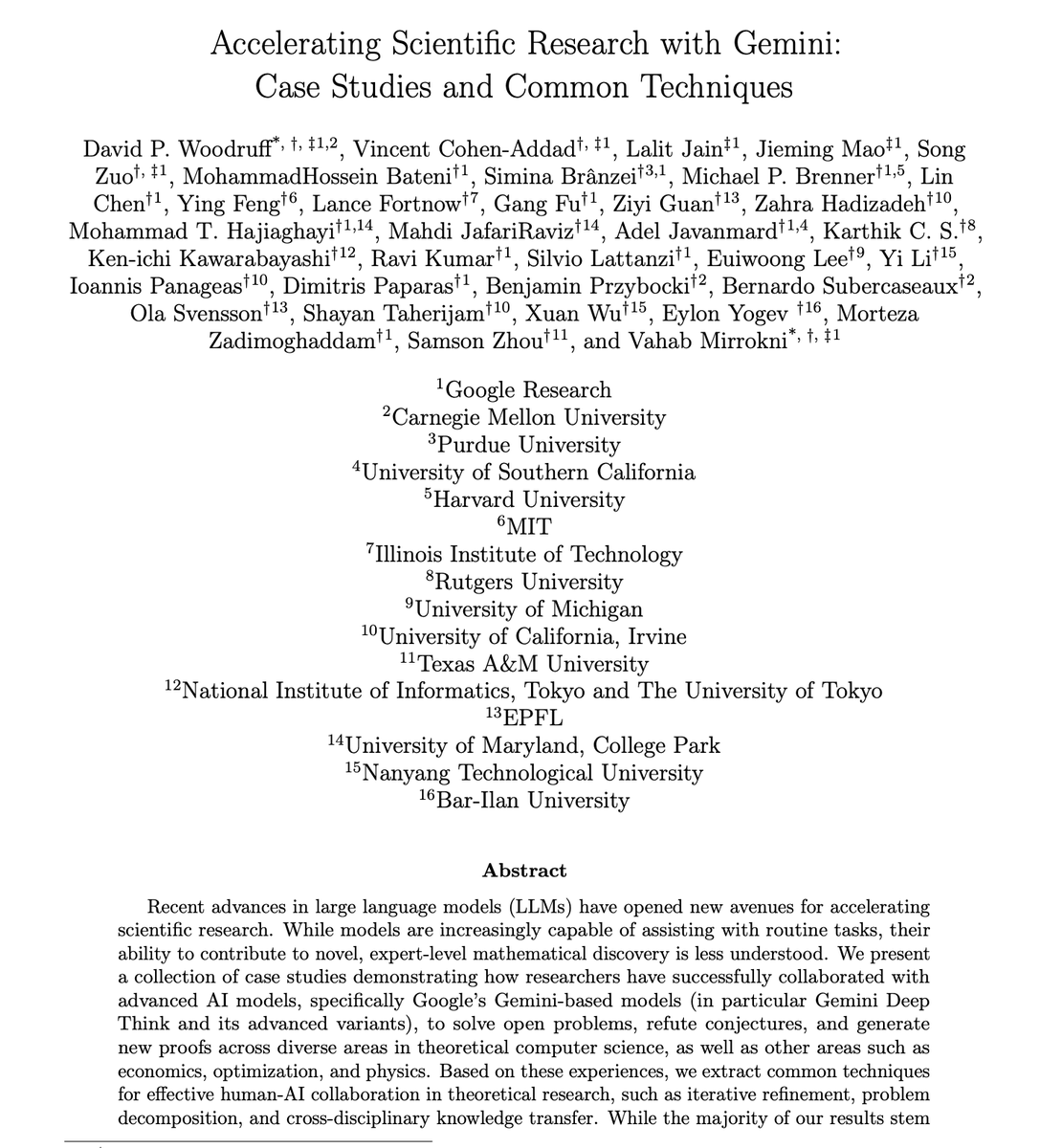
Google dropped this 145 pages documenting how researchers use Gemini to tackle scientific problems.
𝘚𝘢𝘷𝘦 & 𝘙𝘦𝘵𝘸𝘦𝘦𝘵 (𝘵𝘰 𝘩𝘦𝘭𝘱 𝘺𝘰𝘶𝘳 𝘯𝘦𝘵𝘸𝘰𝘳𝘬)
A few things that stood out to me (in simple terms):
- In one case, the AI was used as an adversarial reviewer and caught a serious flaw in a cryptography proof that had passed human review. That’s a very different use than “summarise this PDF.”
- The model links tools from very different fields (for example, using theorems from geometry/measure theory to make progress on algorithms questions). This is where its wide reading really matters.
- They don’t let the model run wild. Humans still choose the problems, check every proof, and decide what’s actually new. The model is there to suggest ideas, spot gaps, and do the heavy algebra.
- Agentic loops, not just chat
In some projects, they plug Gemini into a loop where it:
-- proposes a mathematical expression,
-- writes code to test it,
-- reads the error messages, and
-- fixes itself. (humans only step in when something promising appears)
We are moving past the era of simple chat prompts and into a more sophisticated era of research.
⮑ If your institution is interested in hosting an AI session or a workshop, request your training here: https://t.co/aCIaKzMfln
A drug developed by Regeneron was approved last month for a rare disease called fibrodysplasia ossificans progressiva (FOP).
FOP is a bone forming disease in which the patient grows bone in muscle, tendon and ligament, over time developing a second skeleton that fuses the joints, immobilises the person. Most are in a wheelchair by thirty, half do not live past their mid fifties, and there is nothing a surgeon can do, because removing the bone adds only more.
Regeneron's drug is an antibody against a protein called activin A. The disease is caused by a mutation in a receptor. On the surface, one might see a receptor, a ligand, an antibody against the ligand as the treatment, and assume it's like any other disease solved by a biologic.
But when you pause a moment and go one step deeper, you keep going further and further to realize that the road from the disease to the medicine was filled with so many diversions, twists and turns. I spent several weeks studying this topic and felt what it really means when people say biology is humbling.
I wrote about what I learnt in a long form article. This is the longest piece I've ever written, and probably the most time I have spent on a single topic.
Congrats to Regeneron team and a special congrats to Aris Economides, the scientist who championed this programme.
If you love human genetics, human biology and drug development, this one is worth not missing.
Link in comment.
For 3 years I posted daily on the bioinformatics few teach you — the judgment, the traps, the sanity checks.
I compiled the best of 1,000+ posts into a book: 290 lessons, out this November.
Free 15-lesson sampler + founding access 👉 https://t.co/uSuyEzudZL