Researchers who study shark attacks on humans have experimented with a variety of methods for preventing harmful encounters. There is no single solution, but layered defenses can help keep swimmers and surfers safe.
Learn more: https://t.co/GYevy958Mi @NewsfromScience
Crustaceana vol.98 - The Atlantic harlequin shrimp Gnathophylleptum tellei d’Udekem d’Acoz, 2001 (Decapoda, Palaemonidae) in the Canary Islands: biological notes and local distribution.
https://t.co/8XeT6nZ1dX
It's #ParksAndRecreation month! #DidYouKnow the @NatlParkService manages a whopping 275,000 acres of coral reef habitat? The largest of these is @BiscayneNPS. Dive into how the Park Service protects these vital ecosystems here: https://t.co/GCtFn3348p
Photo: Kirk Kilfoyle
The California Blind Goby (Typhologobius californiensis) lives with Tidepool Ghost Shrimp, (specifically Neotrypaea biffari) in their sandy burrows. The goby is endemic to the tidepools of Central and Southern CA as well as the Mexican Pacific shoreline.
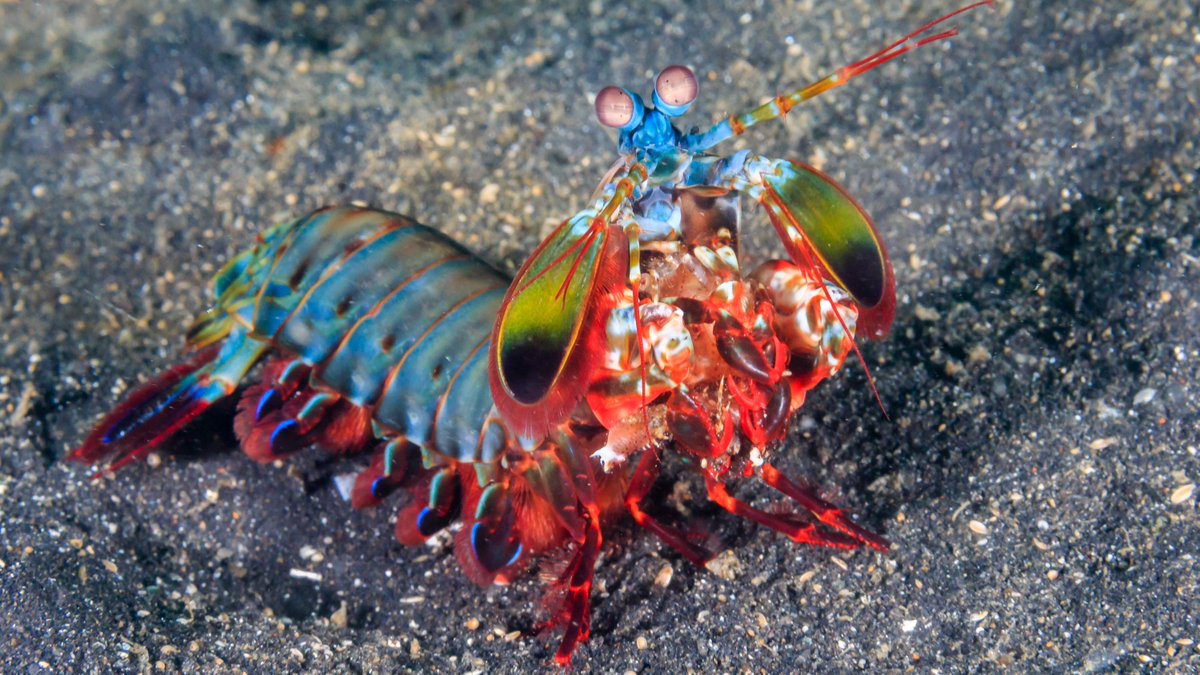
POWER PUNCH: The peacock mantis shrimp might be small, but it packs quite the punch! 🥊
These ocean animals are famous for the powerful blows they deliver to crack open the shell of the clams and crabs they hunt.
Learn more: https://t.co/da2kBzHKX0
A fascinating new study published this week in @Nature confirms that deep-sea ecosystems across the global ocean are remarkably connected. The paper uncovers evolutionary links among brittle stars that stretch across entire ocean basins!
Read the article: https://t.co/7DVCqMeb1H
Each year we visit Andros Island in The Bahamas 🇧🇸 for week long shark research expeditions. During these trips we often visit a location called Isla’s spot 📍named after Annie and Tristans daughter, Isla. As you can imagine, this stunning location is easy to fall in love with, and always hard to leave! We see lemon sharks year round, in the winter we occasionally see blacknose and in the summer months we sometimes see nurse sharks! We’ve even seen nurse sharks mating in the shallows! Have you been to Isla’s spot?
📸: @annieguttridge
#savingtheblue #lemonshark #sharklife #sharkweek #sharkweek2025 #sharkresearch #bahamas #androsbahamas #shark #sharks
New Research: Unseen threats: negative effects of microplastic leachate on coral planulae settlement https://t.co/ts1cwB7F4D #FrontiersIn#MarineScience
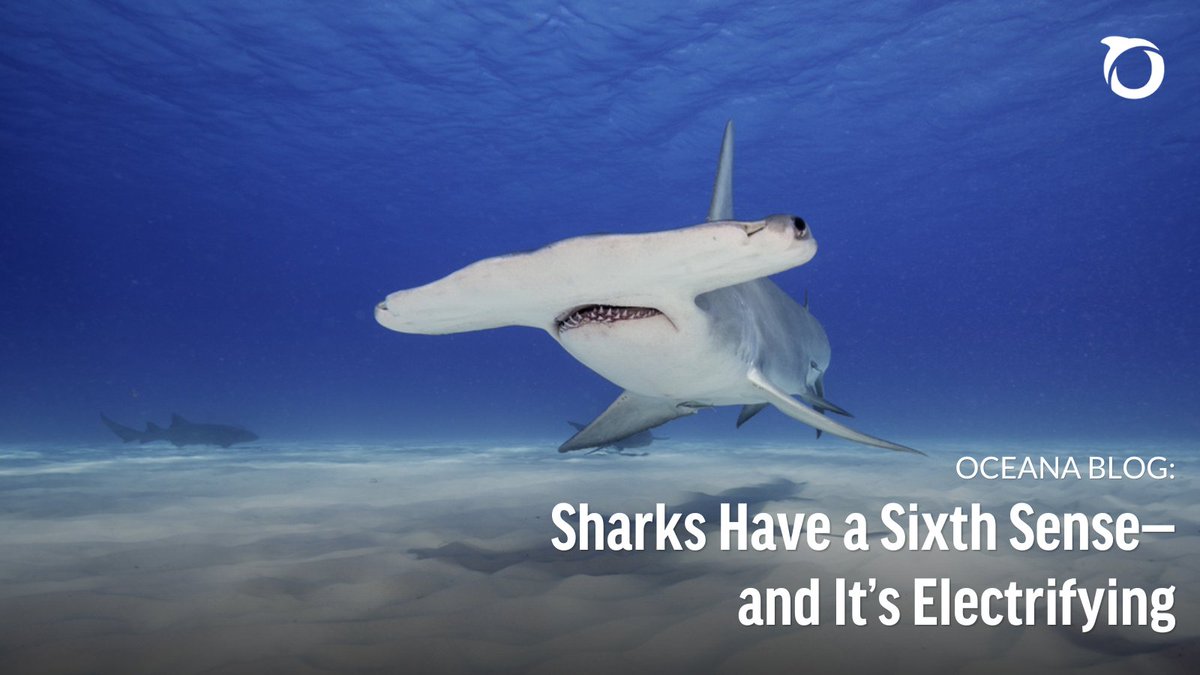
🦈 Sharks don’t just rule the ocean with speed and strength—they also come equipped with an incredible hidden ability: an electrifying sixth sense.
Learn more about this shark superpower: https://t.co/XUnH2MGz02 #SharkWeek
🎥 + 💭: IG @/kendallrosephoto
“Zebra sharks (Stegostoma tigrinum) are graceful, slow-moving sharks found in the warm coastal waters of the Indo-Pacific.
They start life with bold zebra-like stripes, which fade into distinctive leopard-like spots as they mature. They are commonly called Leopard sharks in other parts of the world. Can you see why?”
#SharkWeek continues tonight at 8p on @Discovery
#LeopardShark #oceanlife
Is #WhalesharkWednesday a thing? It should be! 🦈
Did you know the spots/patterning on whalesharks is unique to the individual and researchers use their unique patterns (particularly around their gill area) to identify and name individuals! Swipe to see a gill shot of a whaleshark!
📸: @annieguttridge
#savingtheblue #sharks #shark #sharkweek #whaleshark #sharklife #ilovesharks #sharkweek2026 #sharkeducation
New Research: Performance analysis of the improved second-order retracking algorithm and its application for significant wave height estimation https://t.co/jPV91al66M #FrontiersIn#MarineScience
🙃Published! 5th chapter of my PhD.
A New Varunid Subfamily (Decapoda, Brachyura, Grapsoidea, Varunidae) for Crabs From European and West African Waters, With the Description of Two New Genera and Two New Species.
Another example of how essential collections are for taxonomy!
Going with the flow is a way of life for baby corals 🪸
As juveniles, corals drift until they find a good place to settle—even in the deep sea. Our researchers study ocean dynamics to understand how reefs are connected by invisible currents.🌀
#CoralReefAwareness
As interest in Deep Sea Mining grows, scientists raise alarms about the potential ecological consequences, which could affect everything from sponges to whales.
The long-term impact of these extractions remains uncertain.
https://t.co/14NnebUsw8