All I have to say is that even if AI eventually becomes scalable and highly effective for all students, that doesn’t mean we should want it to be the teacher. Just because we can do something doesn’t mean we should.
AI may be able to deliver information, personalize instruction, assess progress, and even adapt to individual learning needs. But it cannot replace the human connection, empathy, intuition, encouragement, mentorship, and genuine relationships that make education so much more than the transfer of knowledge. It cannot truly know a child, recognize what they need beyond an academic skill, or understand the impact of simply having an adult who believes in them.
And don’t tell me that we can just have AI do the teaching while human adults serve as guides on the side, supporting and motivating students. Teachers are not guides. Teachers teach. They make content human, relatable, meaningful, and accessible from one living being to another. They bring the intuition, empathy, humor, relationships, and genuine human connection that make teaching so much more than delivering information. That’s something AI can never truly replicate or scale.
And that’s not about job security. It’s about preserving whatever small piece of humanity we can in education in the years ahead. Because education should always be about more than what a student can learn from a machine. It should also be about who they become through the people who teach them. Learning is a human process, and we shouldn’t lose sight of that in our rush to automate it.
The older I get, the more I understand why people choose Jesus, gardens, books, home-cooked meals, and long walks. The world tells us to chase money, attention, and approval. Jesus teaches us to seek Him first. At some point, you stop chasing what the world offers and start protecting the peace only God can give.
Nothing says autumn like "It's the Great Pumpkin, Charlie Brown" (1966).
Vince Guaraldi's jazzy soundtrack, the burning red sky that fades to purple, and of course, giant pumpkins 🎃🍂
Are we helping kids… or teaching them to run from hard things?
I see this all the time in schools.
A student has a problem with a teacher, coach, classmate, or situation, and too often the first response is to remove the problem.
Switch the class.
Quit the team.
Avoid the conversation.
Have the parent step in and fix it.
I understand the instinct. We don’t want to see our kids struggle.
But Dr. Becky Kennedy said something powerful:
“The more you optimize for happiness in childhood, the more you actually wire for anxiety in adulthood.”
Kids need to learn that disappointment is survivable.
Conflict is survivable.
Failure is survivable.
Being uncomfortable is survivable.
Sometimes the best thing we can do for kids isn’t remove the hard thing.
It’s help them learn how to walk through it.
I dare say, except for the gun part, many elementary teachers have had students just like this. This boy NEVER belonged in a traditional school. He should’ve been in a psycho-educational specialized school. Everyone, but the teacher, messed up big time here.
Best days of the year:
10. Super Bowl Sunday
9. Friday of Memorial Day Weekend
8. Christmas Eve
7. First 70 degree day in Spring
6. Thursday of Juneteenth weekend
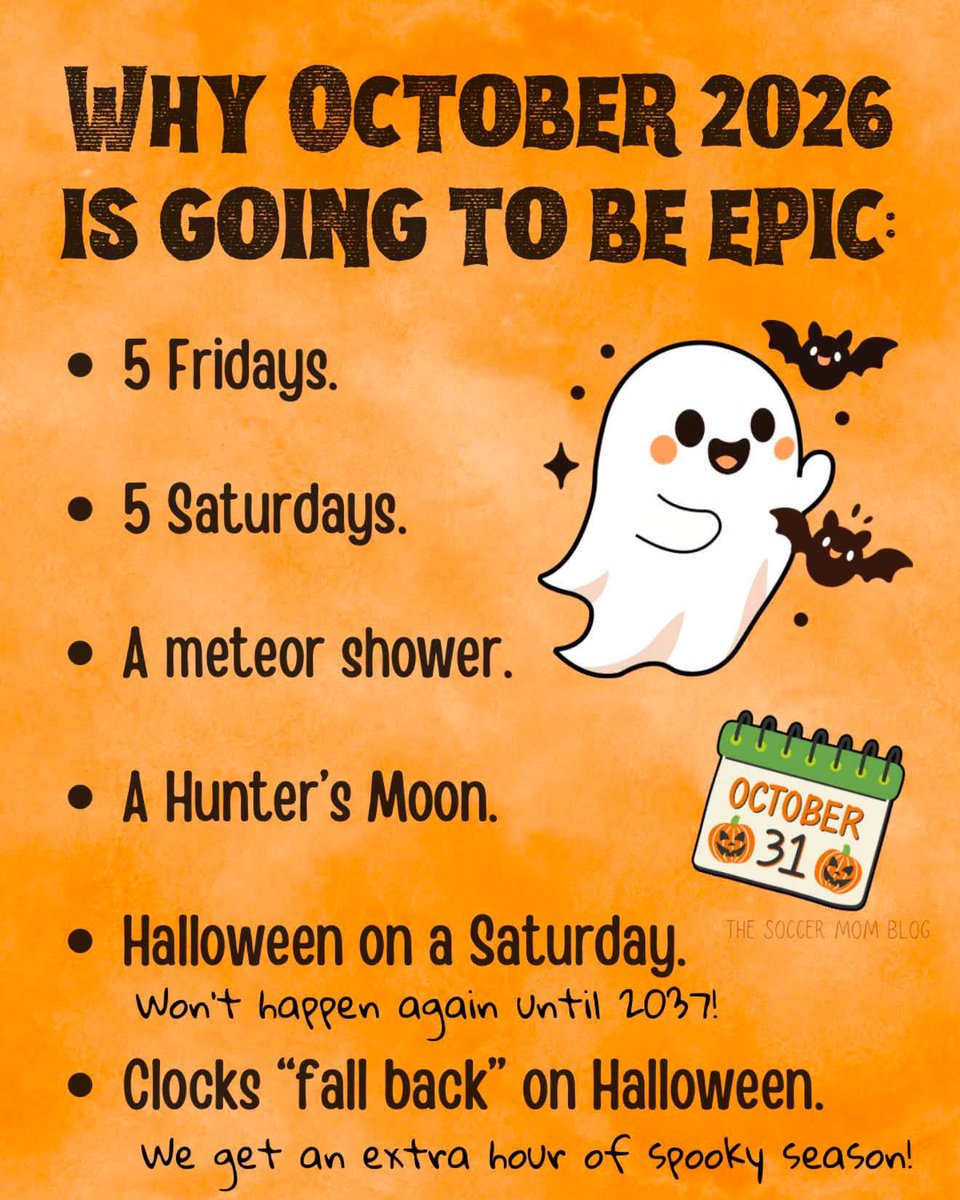
5. any Saturday in October
4. Saturday of July 4th Weekend
3. December 26th-30th
2. AFC/NFC Championship Sunday
1. Thanksgiving
When I worked in high-performing schools, the students were just as energetic as the students in low-performing schools.
The biggest difference was not personality or energy levels. It was their ability to listen during instruction and, when needed, settle into deep, focused work.
Moments of silence and concentration came naturally.
In many low-performing schools I’ve worked in, those moments of deep focus are rare.
There is often constant noise, interruptions, and more excuses made for disruptive behavior.
Silence is treated as unrealistic, almost impossible.
But silence is possible.
And more importantly, it is necessary.
When students take the SAT, they will have to test by themselves in silence.
When students take the bar exam, they will have to test by themselves in silence.
When students take the written exam to become a California Highway Patrol officer, police officer, contractor, or certified personal trainer, they will have to test by themselves in silence.
And long before those tests, they will need to develop the ability to sit, focus, read, think, and work deeply without constant stimulation.
That is reality.
The barrier many students must cross to become the person they want to become often involves sitting alone with difficult material and concentrating in silence
Huge shoutout to our very own Coach Bollinger for being recognized by our school board for the September Excellence in Education award winner! We are lucky to have this guy on staff this year. Congrats Coach B!