AAS VPs seek engaging plenary speakers with compelling results for talks targeted to a general audience of #astronomers and college/university students. Self-nominations accepted. 🔭 https://t.co/hbT64WuuWG
#Scialog: Early Science with the LSST wraps up today with pitches for proposals to ignite discovery w/ @VRubinObs#RubinObservatory#LSST. Thanks to all participants, cosponsor @HSFdn, Brinson Foundation & Leinweber Foundation for helping get this initiative off to a great start!
One day, our Sun will become a dense, planet-sized object called a white dwarf. 🤏☀️
To better understand what the future holds for our solar system, scientists are studying other white dwarf systems in the universe. And you can help!
Get started: https://t.co/dkhPMqUinK
Some stars are surrounded by disks - vast spinning clouds of gas, dust, and rock where new planets form and evolve – and volunteers are teaming up to help scientists find them in NASA data! Join the search and become a Disk Detective: https://t.co/hNO2zak4Bc
@Zvezdichko Great, thanks a lot for your contributions to Exoasteroids! We have a new set of 10,000 more candidates already uploaded and ready to be activated once the launch subject set is fully completed 🙂
Calling all volunteers! 🤩
@NSF@NOIRLabastro is launching the Exoasteroids #citizenscience project. Help us identify white dwarf stars in the Milky Way that are being orbited by asteroids
Read more: https://t.co/uVoNFKgz6h
What will remain of our solar system in a few billion years? With NASA’s brand new Exoasteroids #CitizenScience project, you can help scientists discover the answer as you join the search for remnants of disassembled planetary systems. Learn more: https://t.co/WMQpna0ZWm
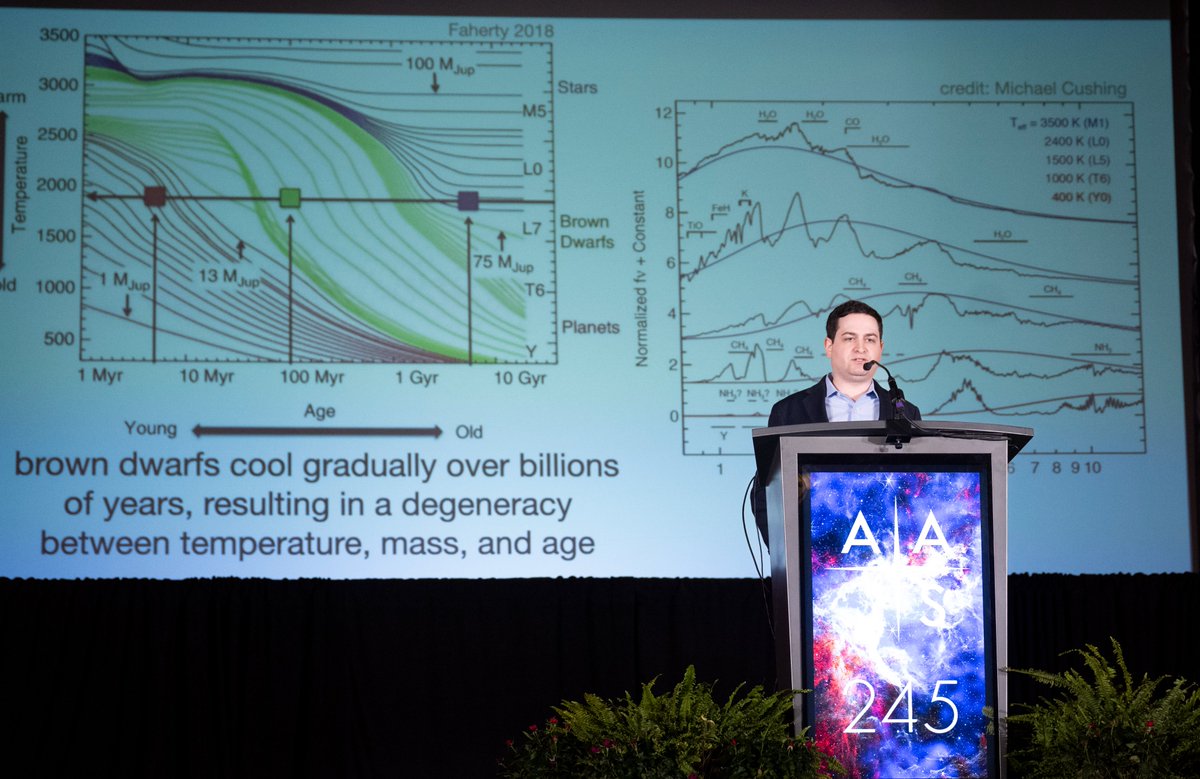
#AAS245 Aaron Meisner will join us as a plenary speaker at the 245th AAS meeting. His research focuses on revealing the coldest, most ancient brown dwarfs in the solar neighborhood by combining large-scale image processing, participatory science, and machine learning techniques.
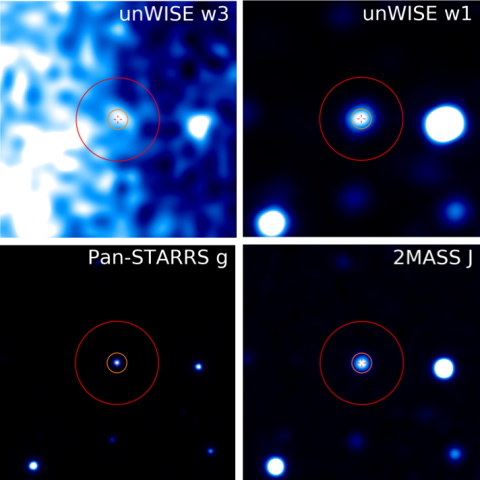
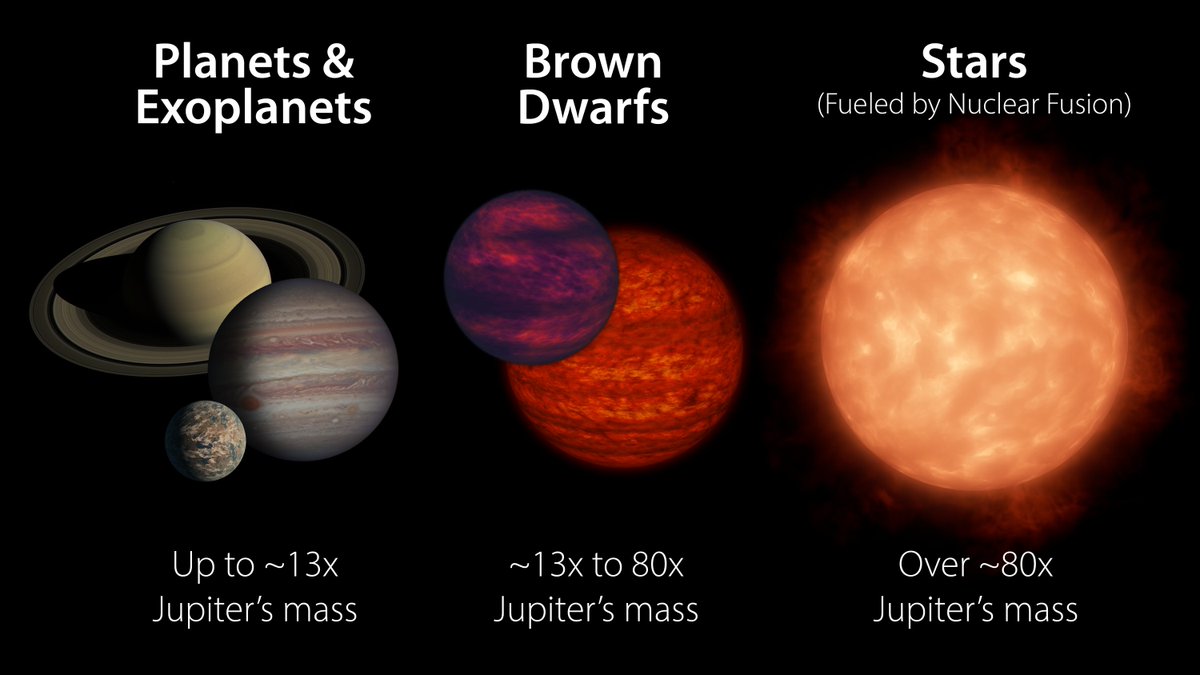
A team of researchers and citizen scientists have discovered 13 new brown dwarf and red dwarf binary pairs that highlight a gray area between planets and stars 🪐❓⭐
Learn about these bizarre objects known as brown dwarfs here: https://t.co/JwCdqqs9aO
NASA’s #CitizenScience Seed Funding Program is a 1-year funding opportunity for scientists who want to develop new participatory science projects. So far, 24 successful NASA projects and many scientists have joined our community this way. Will you be next? https://t.co/XwpZyp1Bnq
The NSF-DOE @VRubinObs, starting operations in 2025, will capture the faint light of previously hidden brown dwarfs to help scientists understand the Milky Way's formation and evolution.
🌌https://t.co/mV0QLNw4xH
#CaptureTheCosmos
📷J. da Silva @NOIRLabAstro
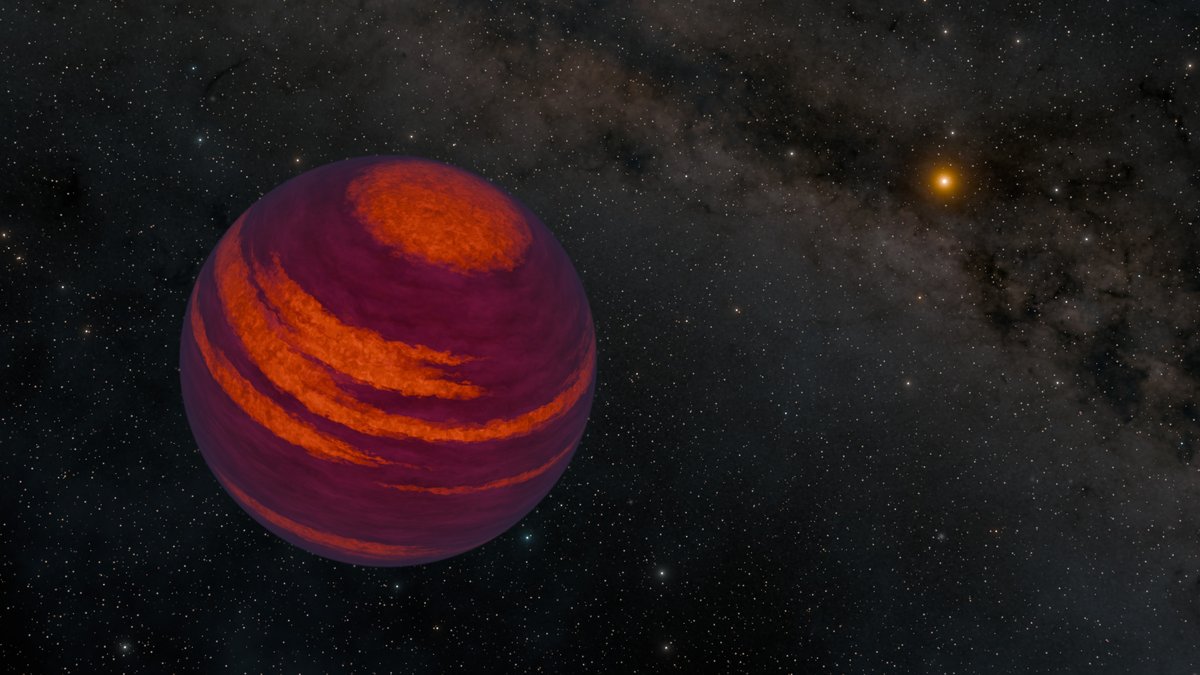
Too big to be planets, too small to be stars...
Brown dwarfs aren't hot enough to fuse hydrogen in their cores, and they're faint and hard to find.
That also means they stick around for a LONG time—and are great tracers of the Milky Way's history🧵
🔗: https://t.co/993CbIS5sK