First light, first hello! ✨
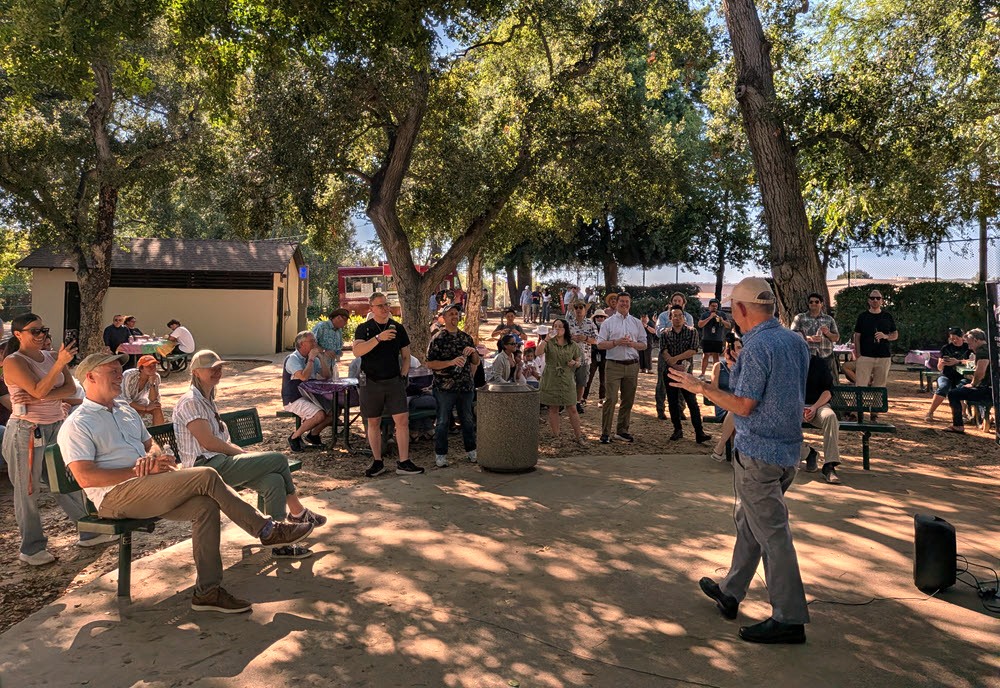
IPAC Director Tom Greene and other IPACers met @Caltech's 10th president, Ray Jayawardhana. His inauguration honored the spirit of “First Light,” a telescope’s very first observation. Welcome, fellow stargazer! 🔭
#CaltechFirstLight
Cold, dark, and keeps to itself? 🖤
Brown dwarfs are “kind of goth,” says @caltechipac's Zafar Rustamkulov. Using NASA’s SPHEREx, scientists studied 37 of these cosmic loners and found water, methane, and clouds that today’s models struggle to match.
https://t.co/oKmBuiww1W
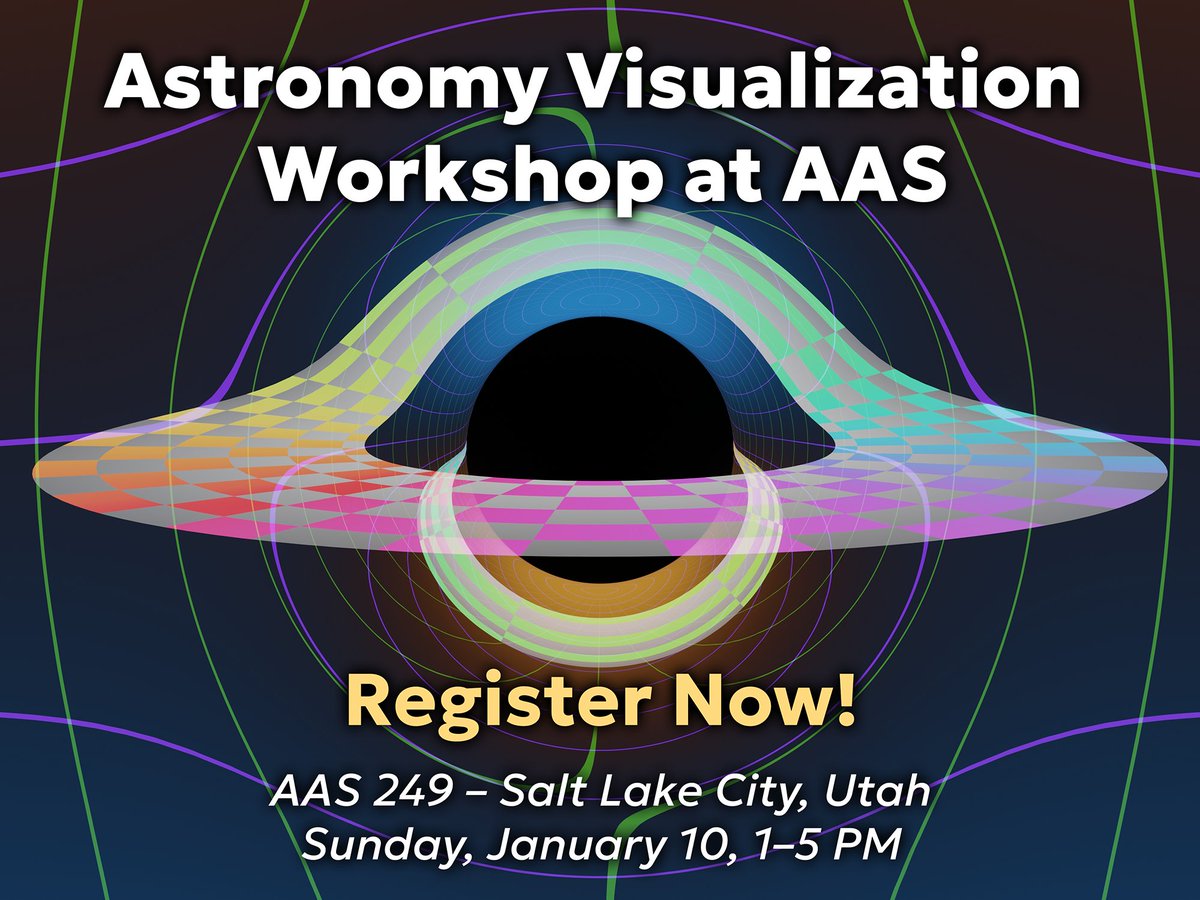
Register for the #AAS249 workshop “Effective Astronomy Visualizations for Engagement, Learning, and Research” Sunday Jan. 10, 1-5 PM!
The workshop will cover visual storytelling fundamentals and a hands-on demo. All AAS attendees are welcome!
https://t.co/Fp7BdQWJWL
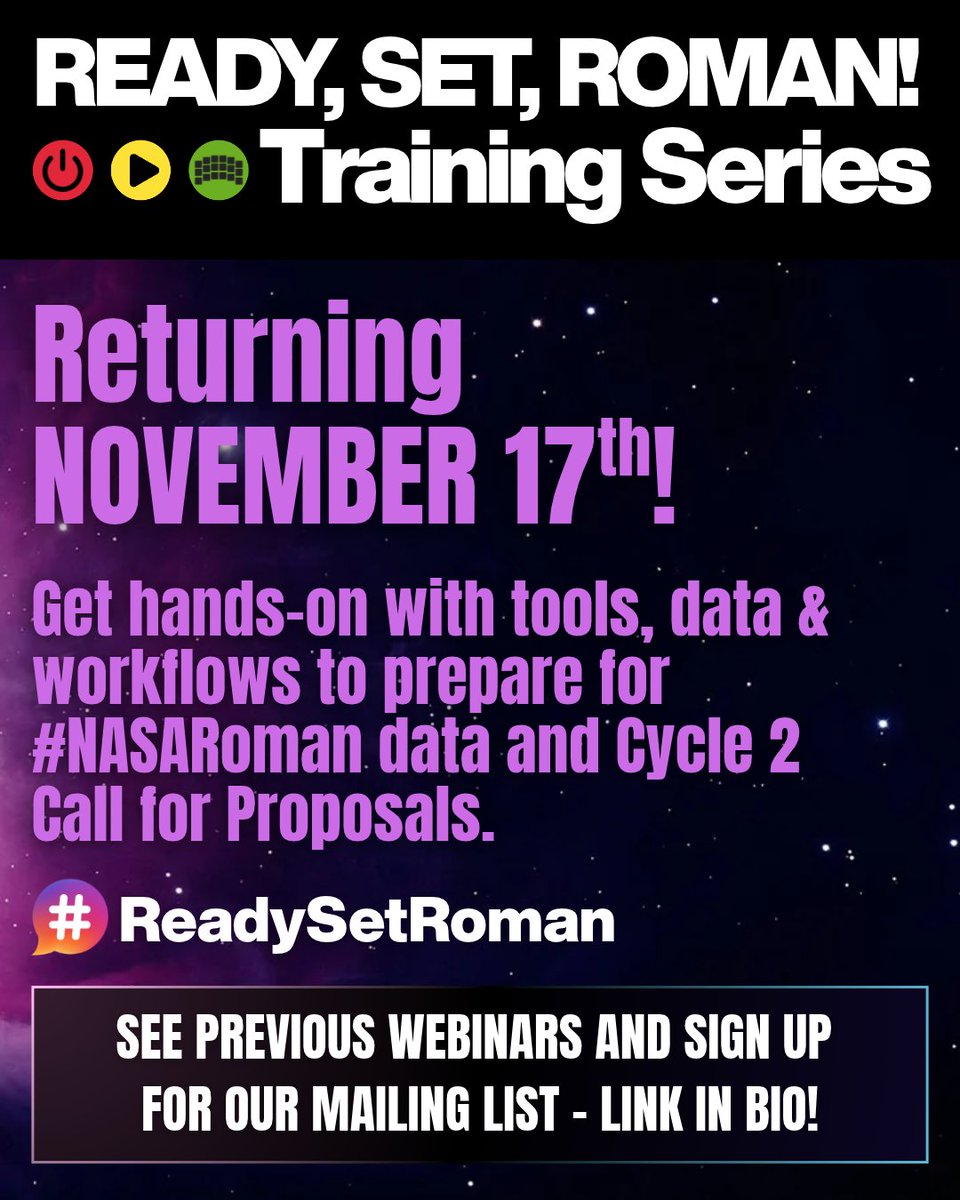
Ready, Set, Roman! Training Series restarts this November! 🚀
Get hands-on with tools, data, & workflows to prepare for #NASARoman data and Cycle 2 Call for Proposals.
🔗 See previous webinars and sign up for our mailing list: https://t.co/ZsZkQrL5HY
#ReadySetRoman
Exciting news! 🌌
We're thrilled to announce Dave Cook as the new Project Scientist for the NASA/IPAC Extragalactic Database (NED)! His expertise in extragalactic astrophysics will lead NED into a new era of cosmic discovery.🚀
https://t.co/hGN4P3wXb4
🌟After 37 years of exploring the infrared frontier, Joe Mazzarella retired last month! As a long-time IPACer and lead for the NASA/IPAC Extragalactic Database (NED)—widely known as the "Google for Galaxies"—Joe's impact on astronomy is immeasurable.🌌🔭
https://t.co/aq5ppUZBM9
UVEX will be the first-ever telescope to make deep maps of the entire sky in ultraviolet light, and will provide new insights into some of the most powerful blasts in the cosmos.
Read more: https://t.co/8KobOFBFy1
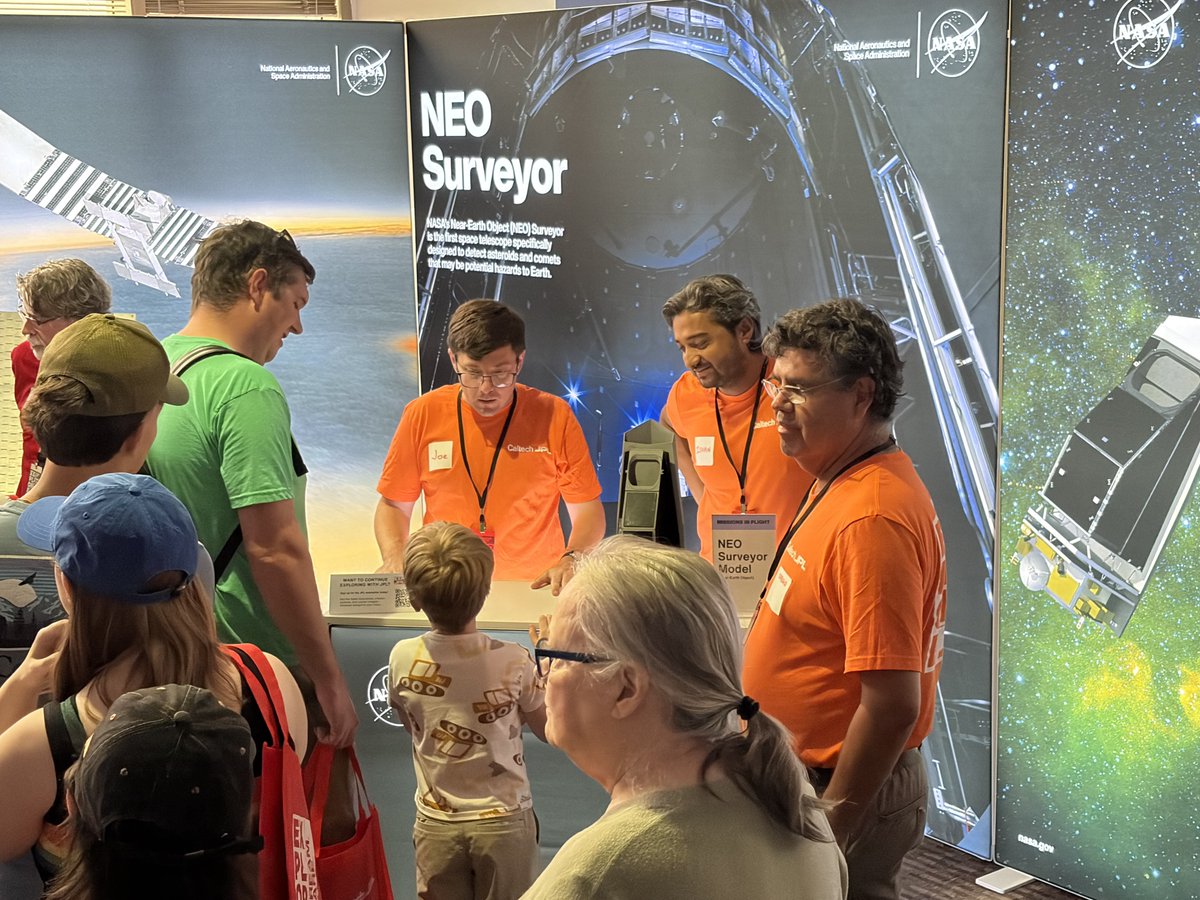
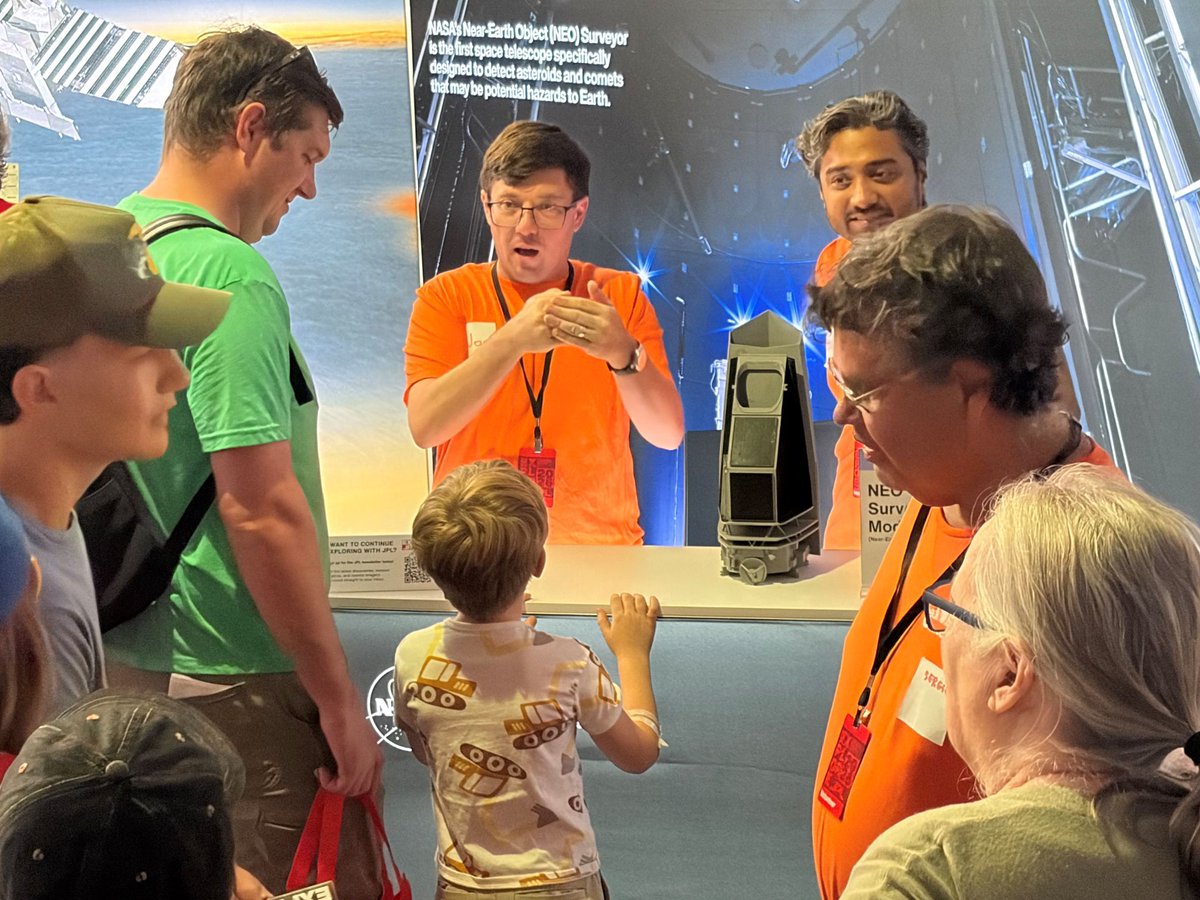
IPAC scientists brought asteroid hunting to Explore JPL! ☄️
Ishan Mishra, Sergio Fajardo-Acosta, and Joe Masiero showed @NASAJPL visitors NEO Surveyor, a space telescope designed to find potentially hazardous asteroids and comets.
https://t.co/MgfYCNI97G
First observation: SUCCESS!
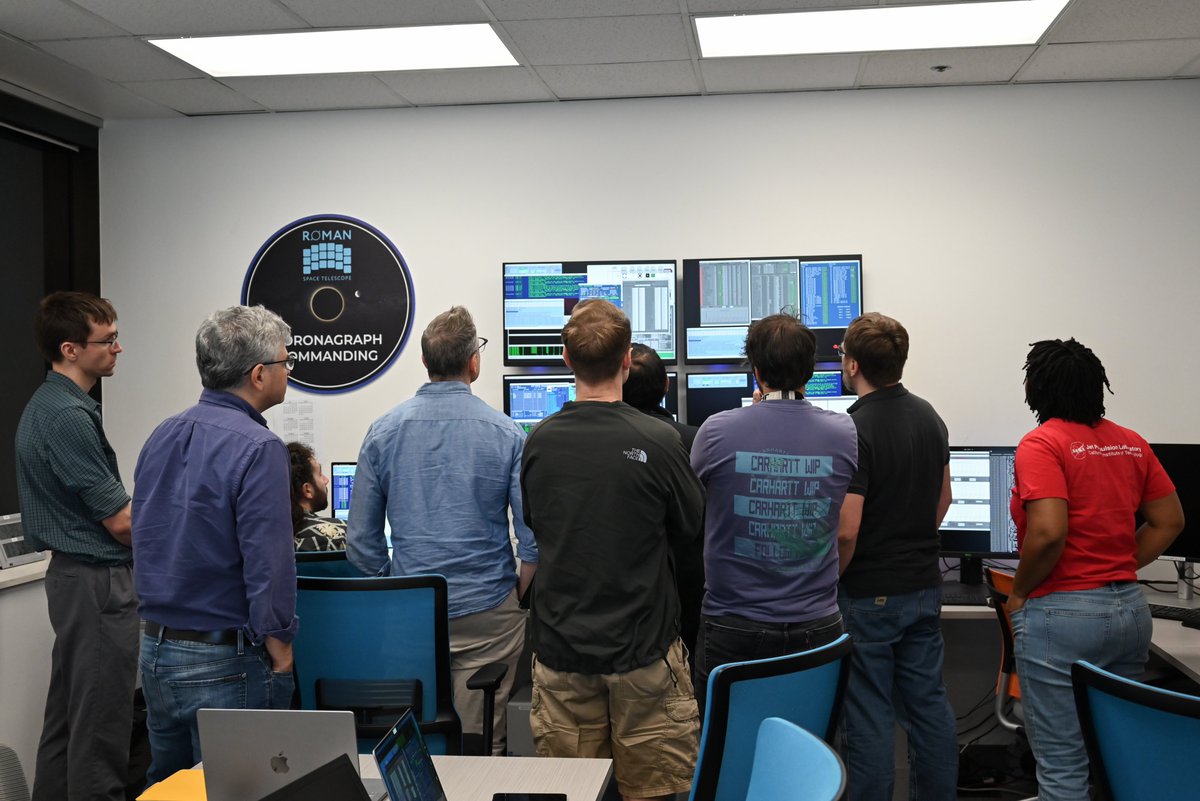
@NASARoman's Coronagraph Instrument has taken its first observation, and “we're all extremely pleased with how well things are working,” said Alexandra Greenbaum, Coronagraph Data Management System Lead at IPAC.
https://t.co/uhbBISVZon
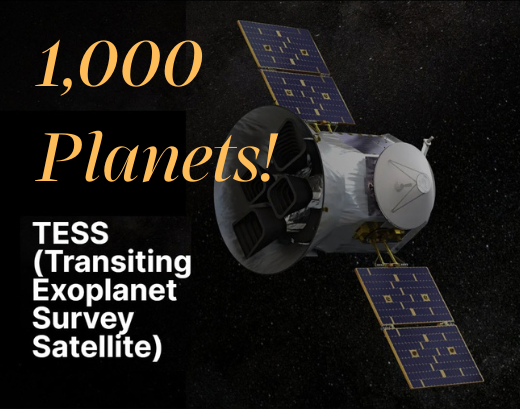
Over One Thousand TESS Planets Discovered!
This week's 70 planets mark a new milestone: over 1,000 planets have been discovered with data from NASA's Transiting Exoplanet Survey Satellite (TESS)! These additions bring the archive's total confirmed planet count to 6,445. 🧵
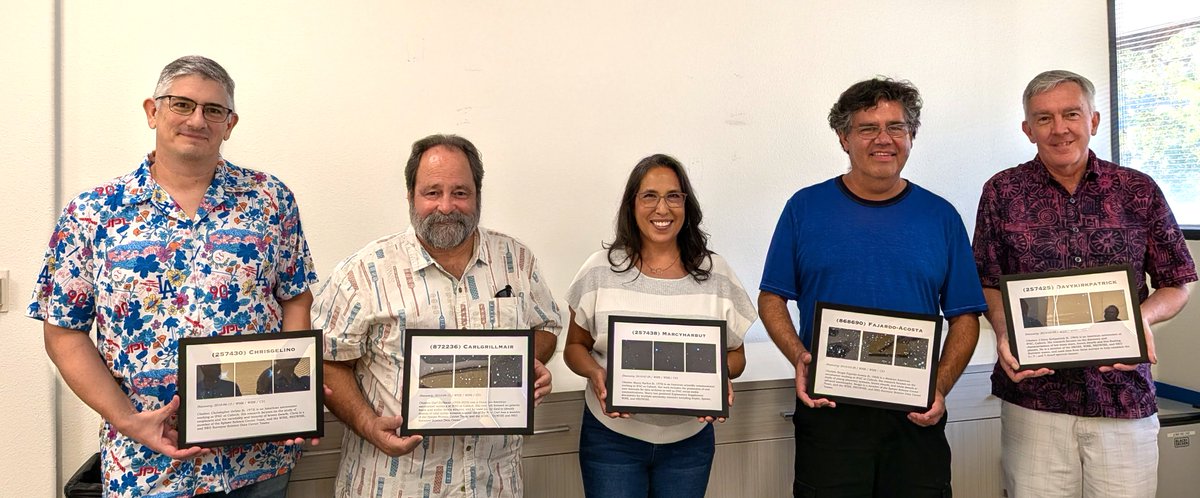
The NEOWISE mission may have ended, but our team’s work lives on in space forever. 🚀
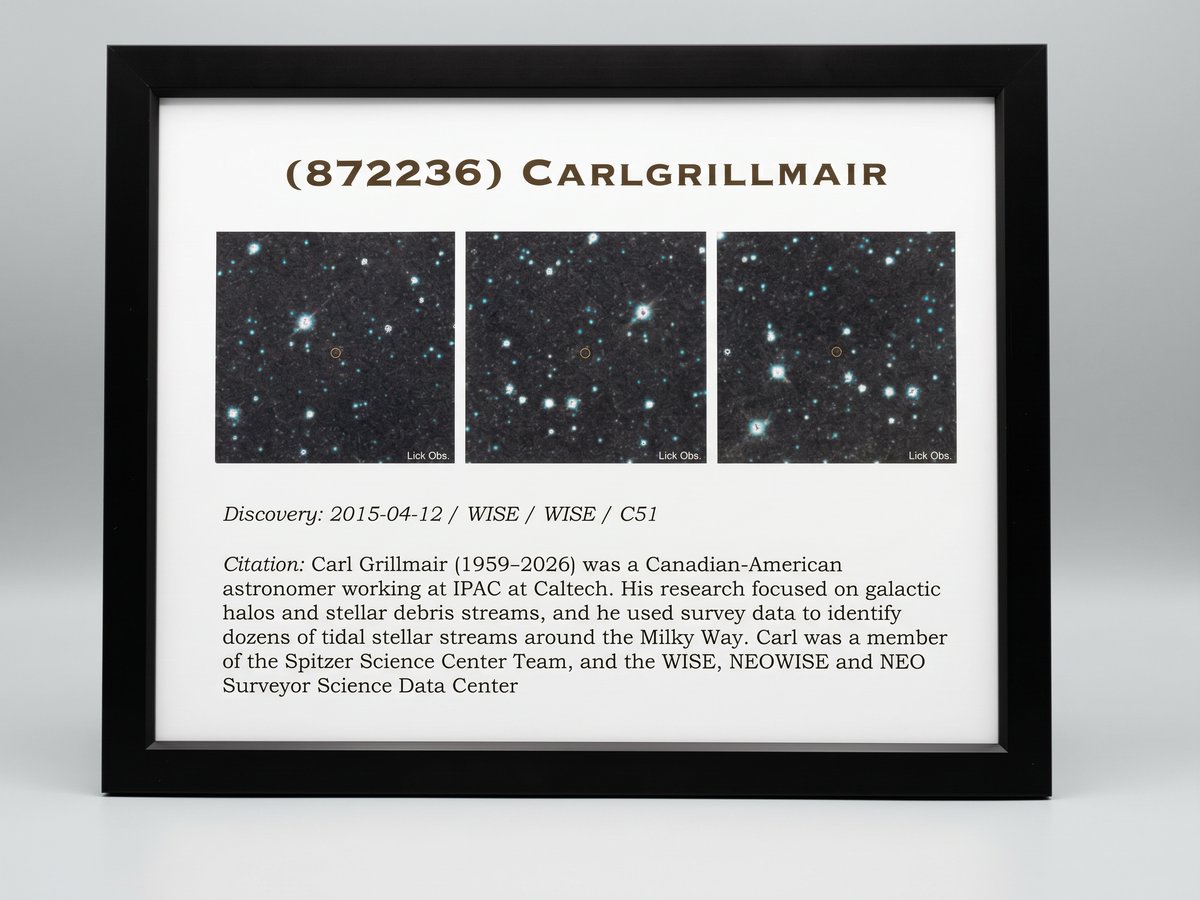
Some IPAC staff members have been officially designated as minor planets! ☄️ It's an honor to celebrate this milestone and carry forward Carl Grillmair's legacy. ✨
https://t.co/ufBbQAgqqZ
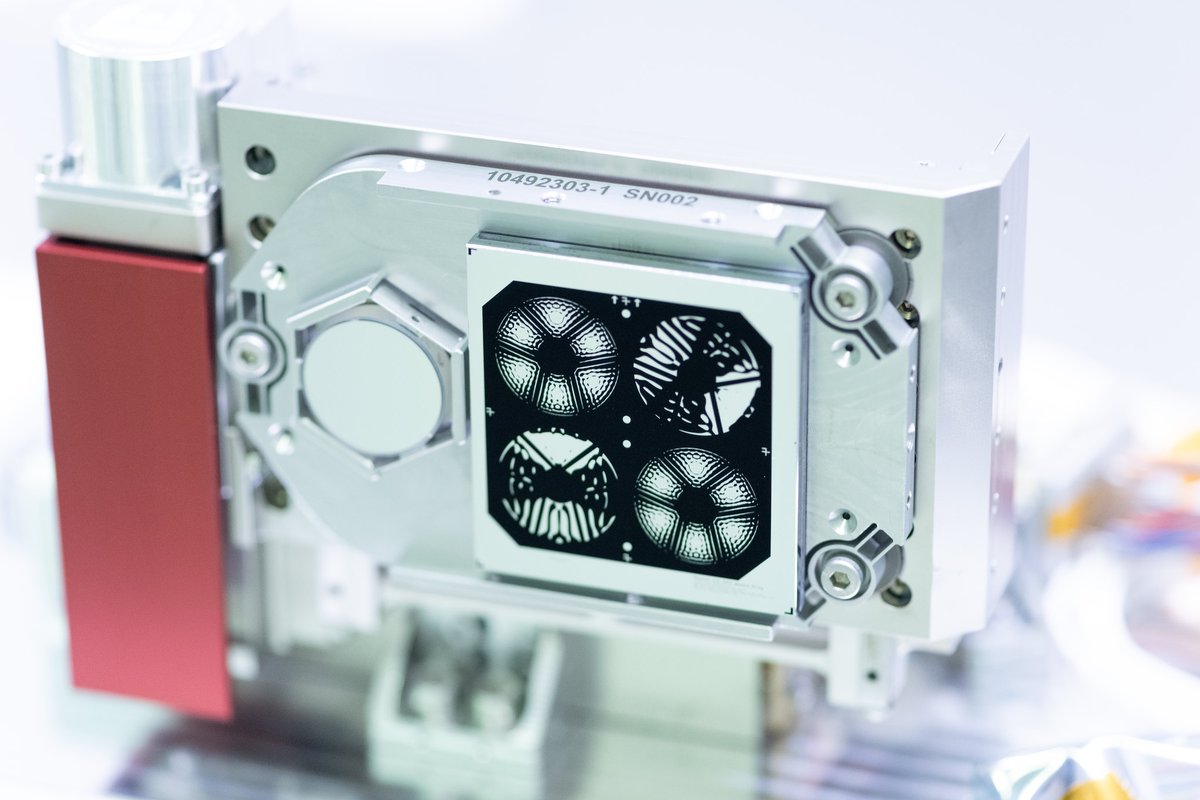
The Coronagraph Instrument on @NASARoman passed its first in-space checkout!
The instrument powered on earlier this month, and the team here at IPAC at @Caltech has been commanding the instrument and receiving data from space.
🔗 https://t.co/L8zCfKIYda
NASA has selected PRIMA, a far-infrared space observatory designed to reveal the cold, dusty universe hidden from visible-light telescopes.
Caltech, JPL, and IPAC will play key roles in the mission, targeted to launch in the 2030s.
Read more: https://t.co/VXTPpJQwiM
Scoops After Launch! 🚀🍦😋
The @NASARoman Science Support Center (SSC) at IPAC celebrated #NASARoman's launch with an ice cream social —marking years of work behind us and exciting science still ahead. #ExpandingOurView
Reminder: NASA IRTF Call for Proposals - Open until Oct. 1 for Semester 2027A (Feb. 1 - July 31)
For full information, see https://t.co/0T0LeaJZYr
The IRTF web services are recovered from the impacts of the recent extreme weather events and observatory operations have resumed.
⚡️ @NASARoman's Coronagraph Instrument is powered on and being tested as we speak 🔋
Check out these photos from the Coronagraph Command Center at IPAC, right when we confirmed that the instrument turned on!
https://t.co/7vi09sVnFD
What's so cool about the Roman Coronagraph?
Well, it's the first *active* coronagraph in space, meaning that it can adjust itself on the fly to help scientists get the clearest glare-free images.
The @NASARoman Space Telescope is set to launch on Sunday, Aug. 30!
"There is so much out there to explore," said Patrick Lowrance, the Roman Science Support Center co-lead at IPAC.
Congrats to @NASARoman on a successful launch 🚀
https://t.co/mgoXmCVsWs
A big morning for Roman’s Science Support Center at @caltechipac!
Members of the SSC team is gathered at Kennedy Space Center to watch Roman head to space after years of preparing to help scientists around the world make the most of Roman’s incredible data.
#RomanLaunch
The Nancy Grace Roman Space Telescope has officially launched and is heading to its forever home at L2!
Over the next three months, the observatory will perform final checks and power its instruments before revealing its first images by early 2027.
https://t.co/IdabpolHmh