Check out #ExploreExoplanets episdoes 9 & 10, featuring a TESS planet (TOI-700 d) with special guest Dr. Emily Gilbert!
https://t.co/fhp2pZT3V6
https://t.co/f8PpgCF25O
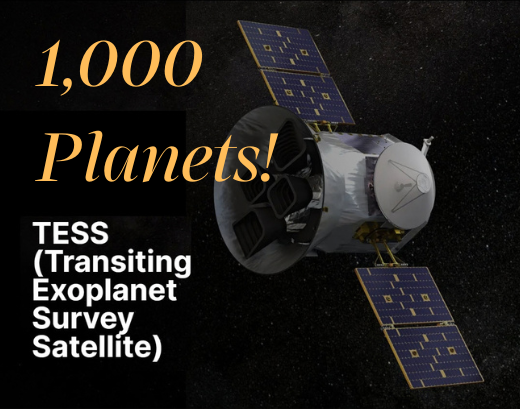
Over One Thousand TESS Planets Discovered!
This week's 70 planets mark a new milestone: over 1,000 planets have been discovered with data from NASA's Transiting Exoplanet Survey Satellite (TESS)! These additions bring the archive's total confirmed planet count to 6,445. 🧵
Ad astra ⭐
At 7:26am ET (1126 UTC) on Aug. 30, @NASARoman took to the skies en route to its new home 1 million miles away from Earth. It should reach its final destination in one month: https://t.co/GD5THXPBLn
The Nancy Grace Roman Space Telescope has officially launched and is heading to its forever home at L2!
Over the next three months, the observatory will perform final checks and power its instruments before revealing its first images by early 2027.
https://t.co/IdabpolHmh
XLSSC 122 is the cosmic rule-breaker scientists didn’t see coming 🫣
This is the earliest galaxy cluster to exhibit strong gravitational lensing, bending light from galaxies behind it, and it breaks the previous record by a few billion years!
https://t.co/2woRz4l5LQ
Euclid captures the Milky Way’s crowded heart 📸 🧡
The largest and most detailed visible light image ever made of the center of our Milky Way is revealed by @ESA’s Euclid mission 🎉
Quick Release 2 data is now available in @NASA_IRSA!
https://t.co/K21PAcaHXy
CoRoT-2 b is flipping the script 😵💫 ❤️🔥
Typically, hot Jupiters are tidally locked, meaning one side always faces their star. But new research from Aurora Kesseli, staff scientist at @NExScI_IPAC, suggests CoRoT-2 b isn't tidally locked!
https://t.co/mhMRWZMsq4
The most common types of exoplanets are oddly missing from our own solar system 🤔
Scaling K2, an ongoing project at @NExScI_IPAC, is diving into this enigma:
https://t.co/MW4fwPtnCa
The 2nd image shows the same region of the sky, but in three wavelengths chosen (from the 102 total viewed by SPHEREx) to highlight the glow of stars in the disk of the Milky Way. The wavelengths of 0.8, 1.63, and 2.6 microns have been assigned to the colors blue, green, and red.
These clouds host molecules like water, carbon dioxide, and carbon monoxide, which are vital to the chemistry that allows life to develop. Researchers believe these ice reservoirs, attached to the surfaces of tiny dust grains, are where the universe’s water is formed & stored.
The first image shows the chemical signatures of water ice (shown in bright blue) and polycyclic aromatic hydrocarbons (orange) in Cygnus X, one of the most active and turbulent regions of star birth in our Milky Way galaxy.
NASA's SPHEREx mission is mapping 'interstellar glaciers' across our galaxy, and these icy regions may be the origins of glaciers—and all water—on Earth 💧
https://t.co/dPgkC87J5T
Amaze! Amaze! Amaze! 🪨🎶🎵
@caltechipac scientist Catherine Clark was quoted in a @PhysicsToday article about the science behind the book and recently released movie @projecthailmary
Check out her quote about Rocky's home planet here:
https://t.co/bhGrXrYnSq
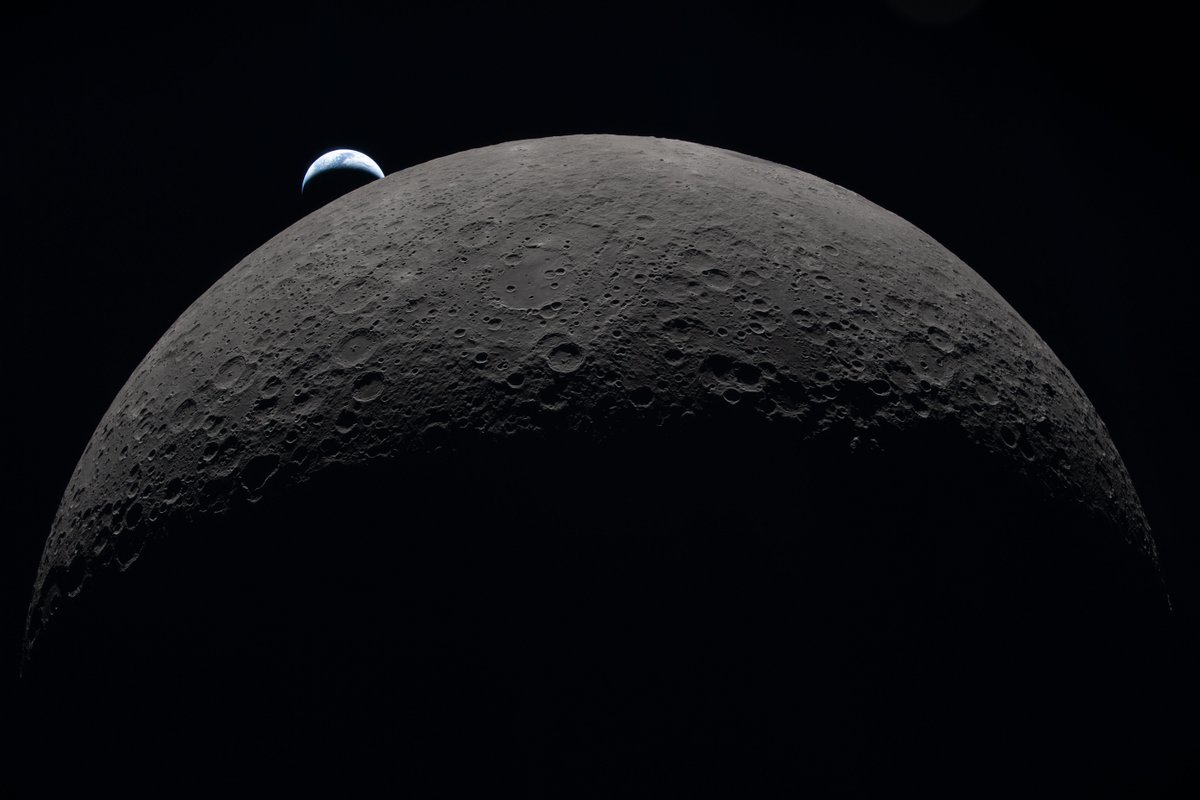
Hello, Moon. It’s great to be back.
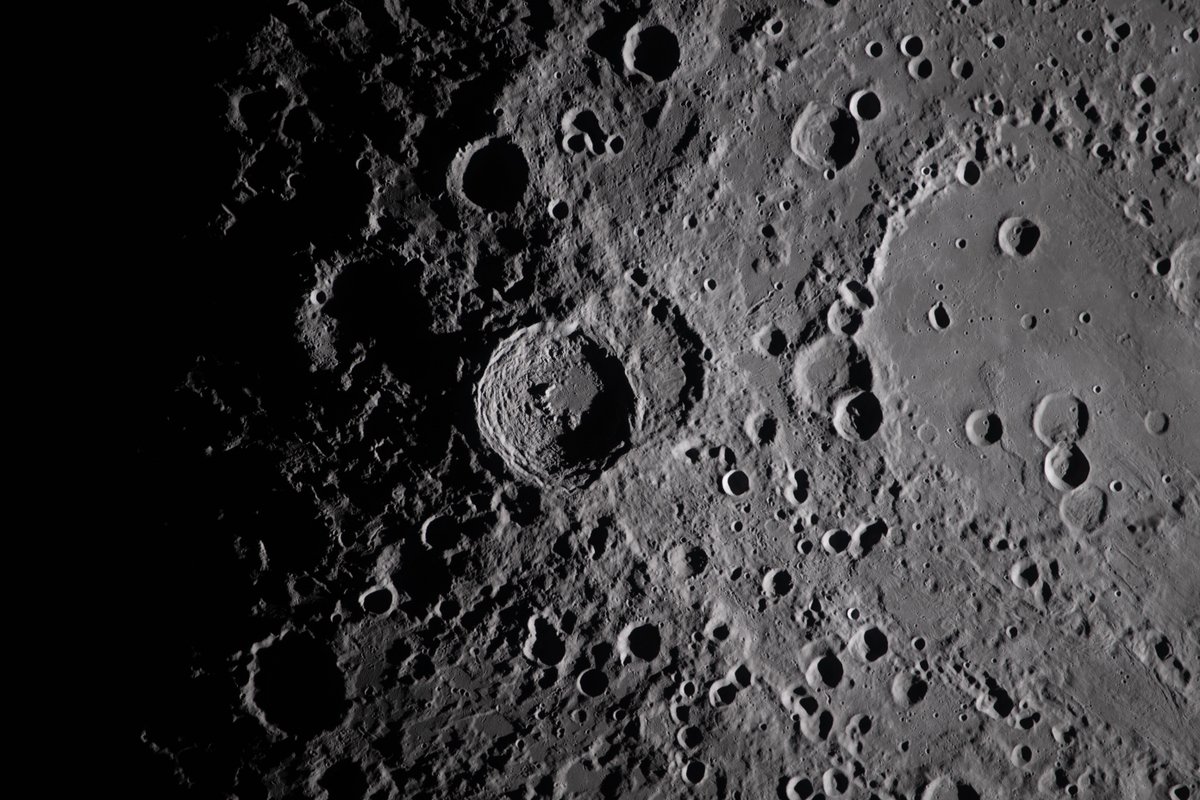
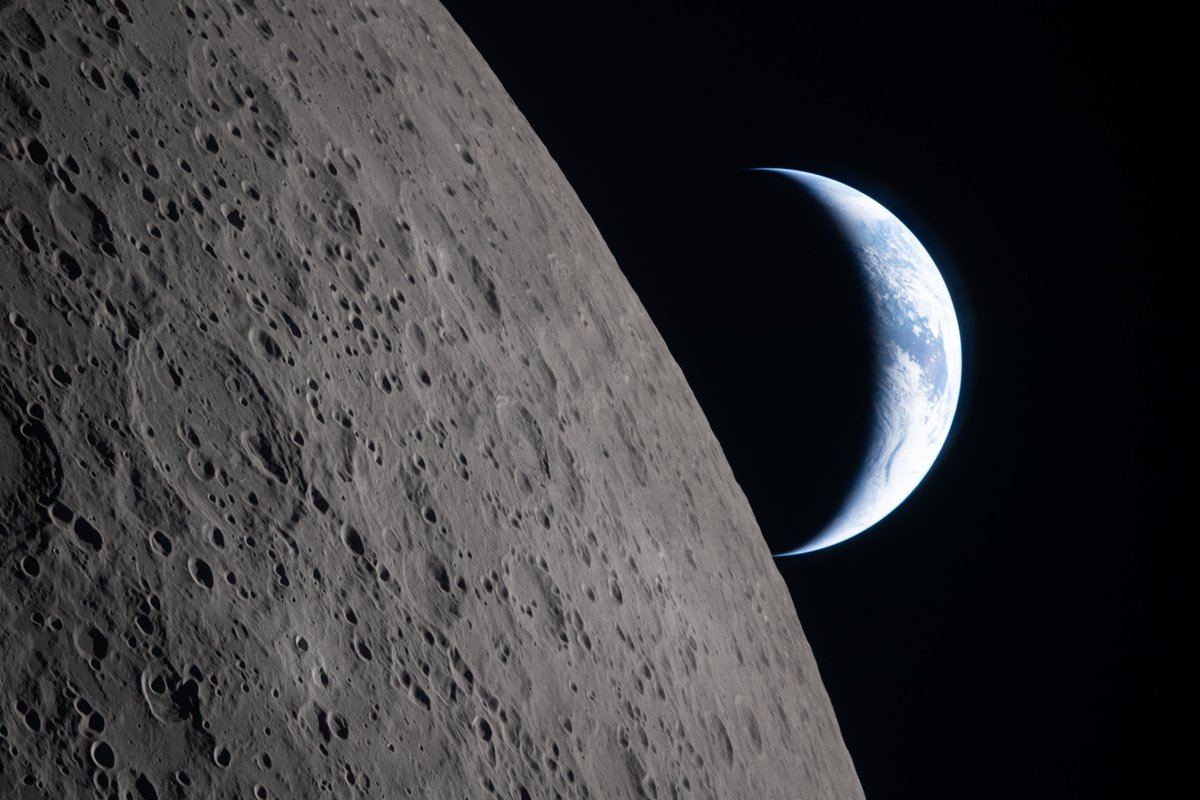
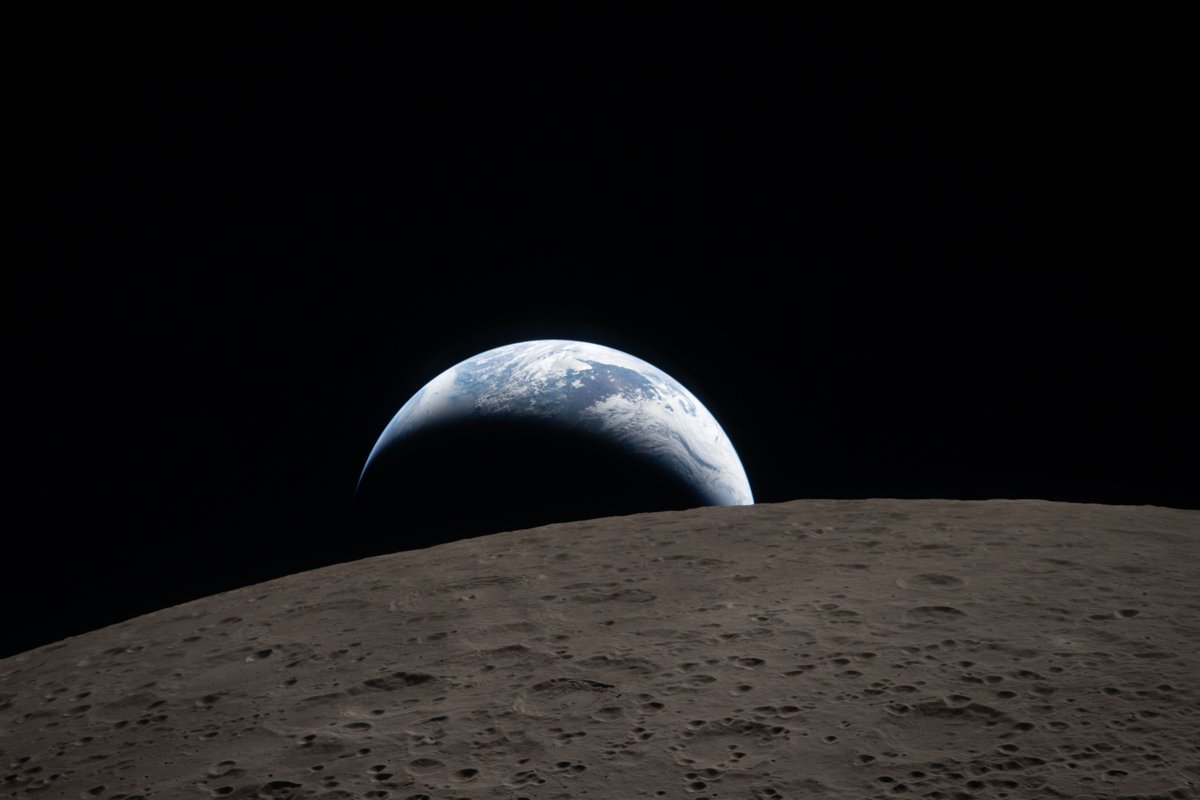
Here’s a taste of what the Artemis II astronauts photographed during their flight around the Moon. Check out more photos from the mission: https://t.co/rzM1P0QbOl
Caltech and NASA JPL scientists are tracking Artemis II on its way to the Moon. These images were taken using the Hale Telescope at Palomar Observatory, one of the largest telescopes in the world.
The dust particles are composed of silicates (similar to beach sand), carbonaceous grains and polycyclic aromatic hydrocarbons and trace the gas distribution in the galaxy. The well-mixed gas and dust provide a reservoir of raw materials for future star formation.
🧵3/3
A green-tinted double whammy: it's St. Patrick's Day & #MessierMarathon week! 💚
Messier 81 is a sight to behold in this image from NASA's Spitzer Space Telescope. In the night sky, M81 is visible with binoculars! (but it won't look green like in this infrared image 😉)
🧵1/3
This 8-micron image reveals infrared emissions from hot dust, heated by nearby luminous stars. These dust particles absorb ultraviolet and visible light, re-emitting it as longer infrared wavelengths.
🧵2/3
"It's like seeing 2-year-old children act like teenagers"
Astronomers have captured the most detailed look yet at faraway galaxies at the peak of their youth, an active time when the adolescent galaxies were hastily producing new stars.
Read more: https://t.co/ntq9hDbXnR
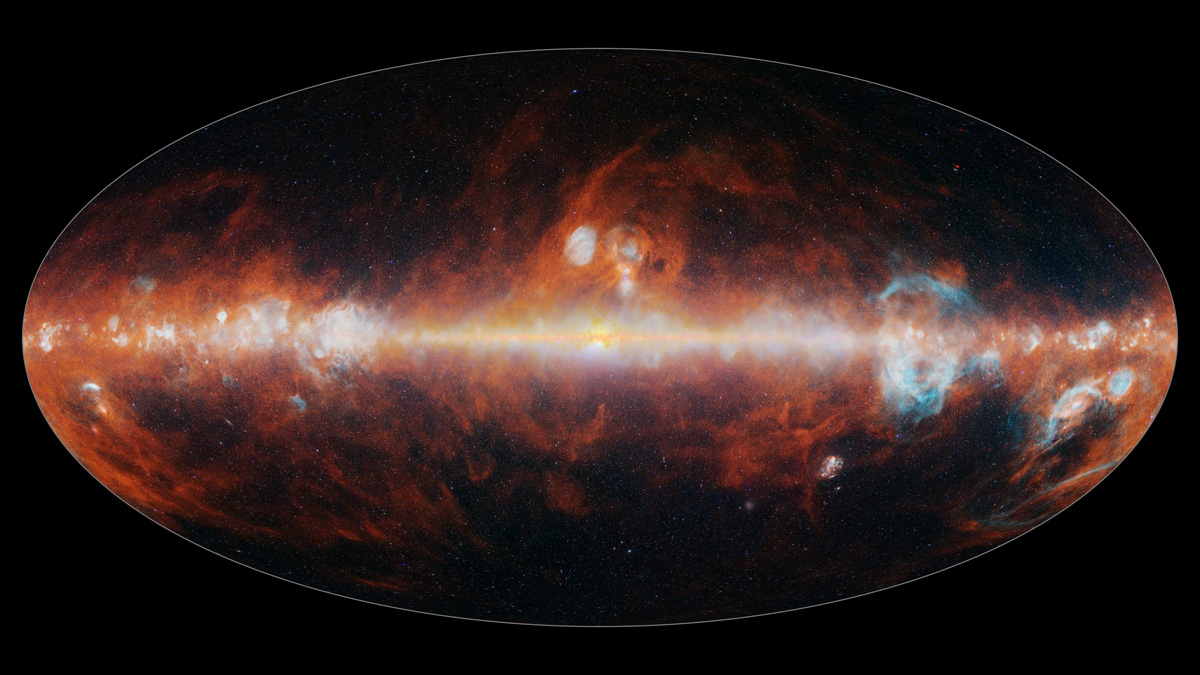
NASA’s SPHEREx space telescope has completed its first infrared map of the entire sky!
This is the most comprehensive spectral view of the infrared sky, with 102 colors (or wavelengths) of infrared light from observations made between May and December 2025.