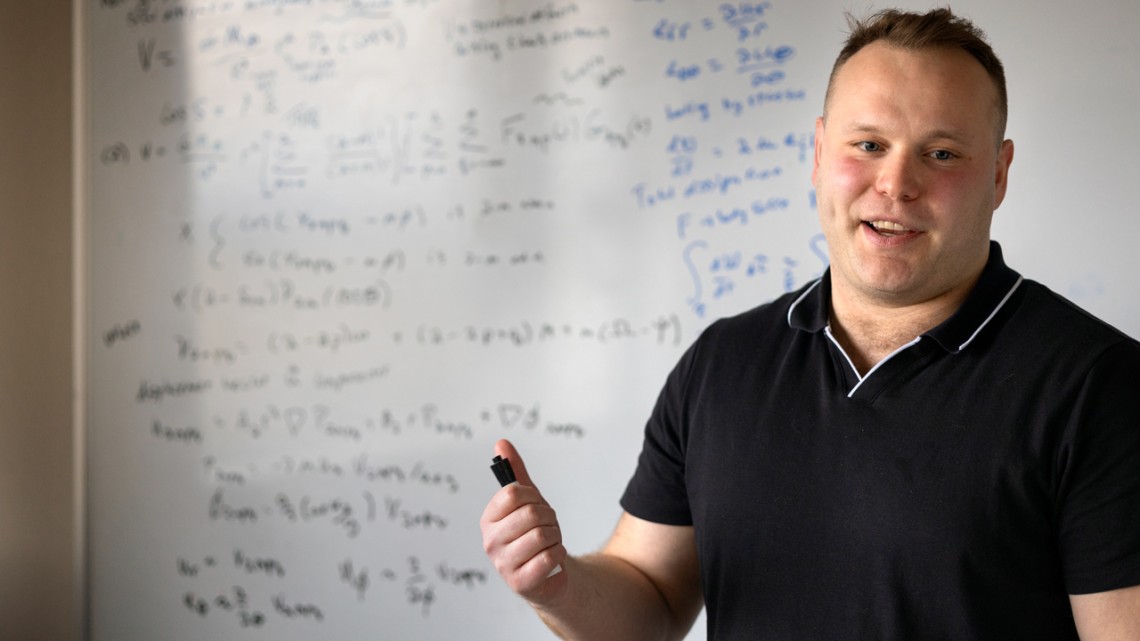
Congratulations to Darryl Seligman, @CornellAstro postdoctoral research associate!
He has received an @NSF postdoctoral research fellowship to explore "Interstellar Comets and the New Insights to Planet Formation They Provide.*
https://t.co/cdeax1nkgp
.@CornellCAS@CornellAstro doctoral candidate Stella Ocker is co-author of a paper on new evidence on the nature of mysterious fast radio bursts. Read more: https://t.co/FVveIuaD5m
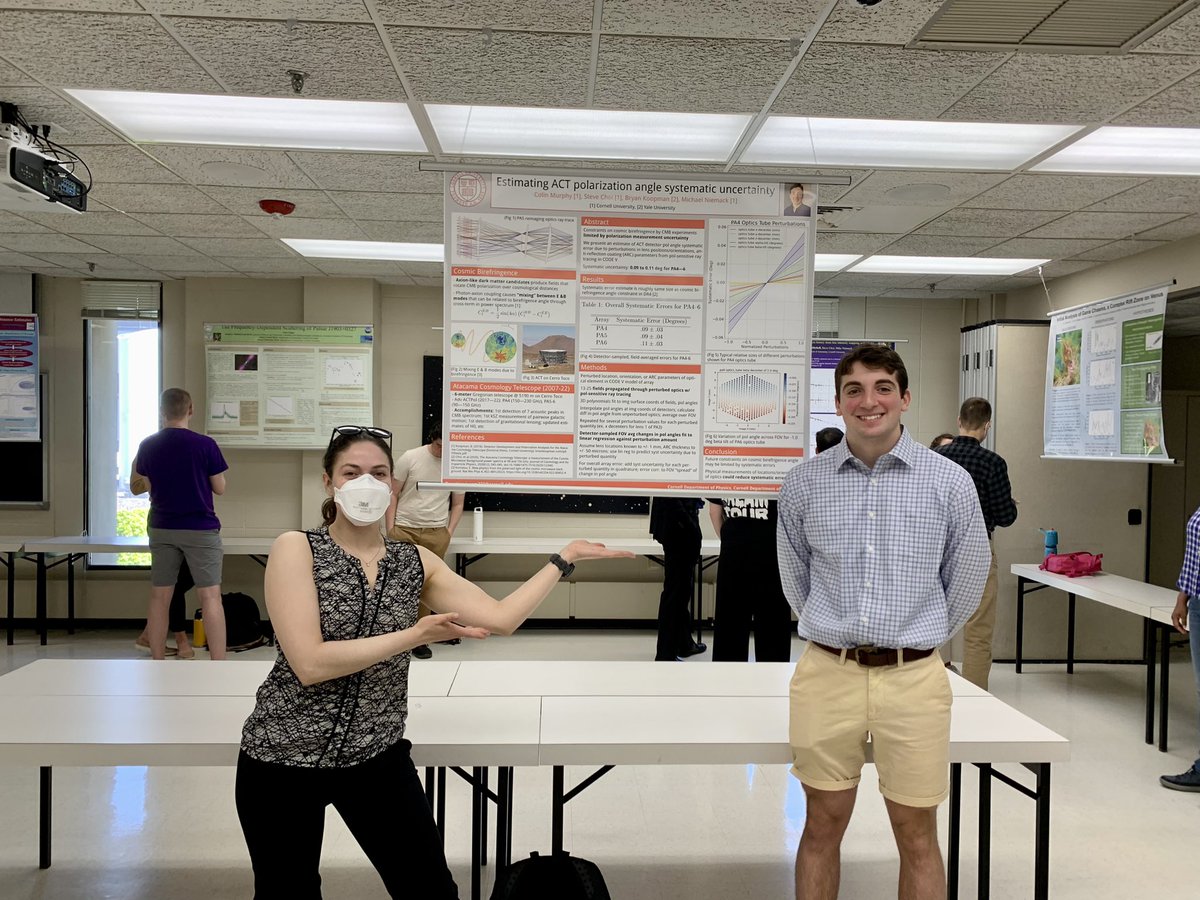
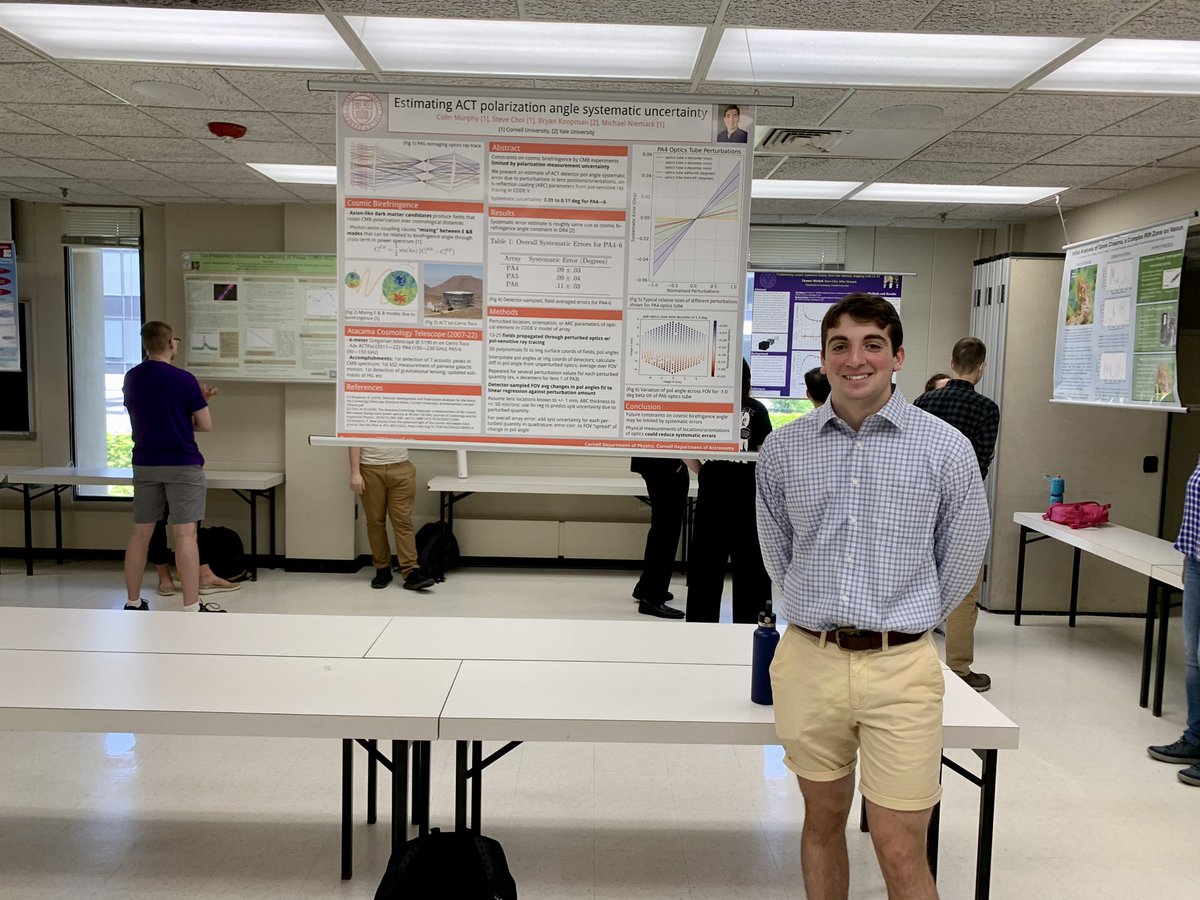
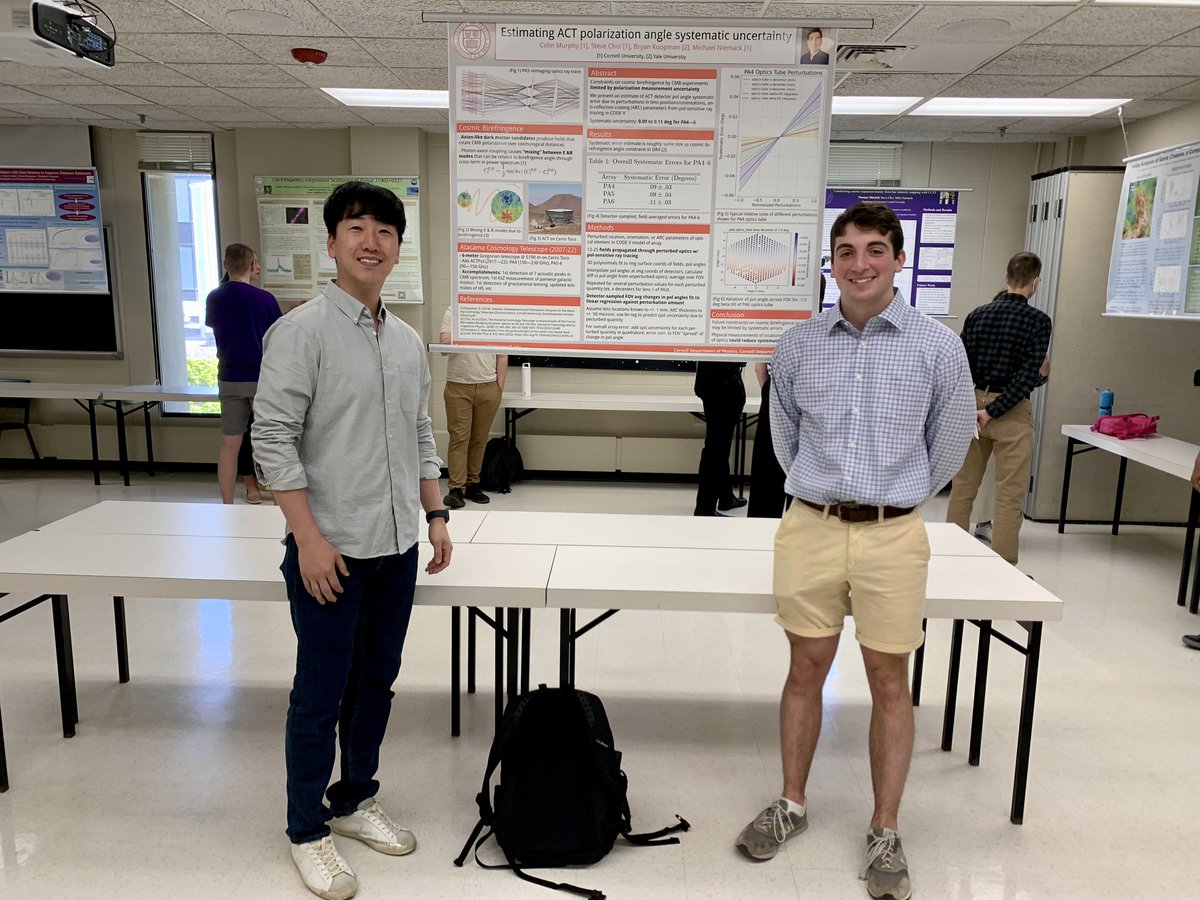
Colin and the other undergraduate students did a fabulous job presenting at the @CornellAstro Undergraduate Research Poster Forum this morning! Great work everyone!
.@CornellAstro researcher Shami Chatterjee contributed to new findings about fast radio bursts (FRBs) from distant galaxies: “These new observations are another step forward in understanding the remarkable engines and the diversity of fast radio bursts."
https://t.co/roeAq3td74
“In this observation of radiation from a faraway celestial object, we see a beautiful effect that is a manifestation of intricate, fundamental physics.” @CornellAstro professor Dong Lai tests quantum electrodynamics in a neutron star with a magnetic field
https://t.co/9MBRLorSIS
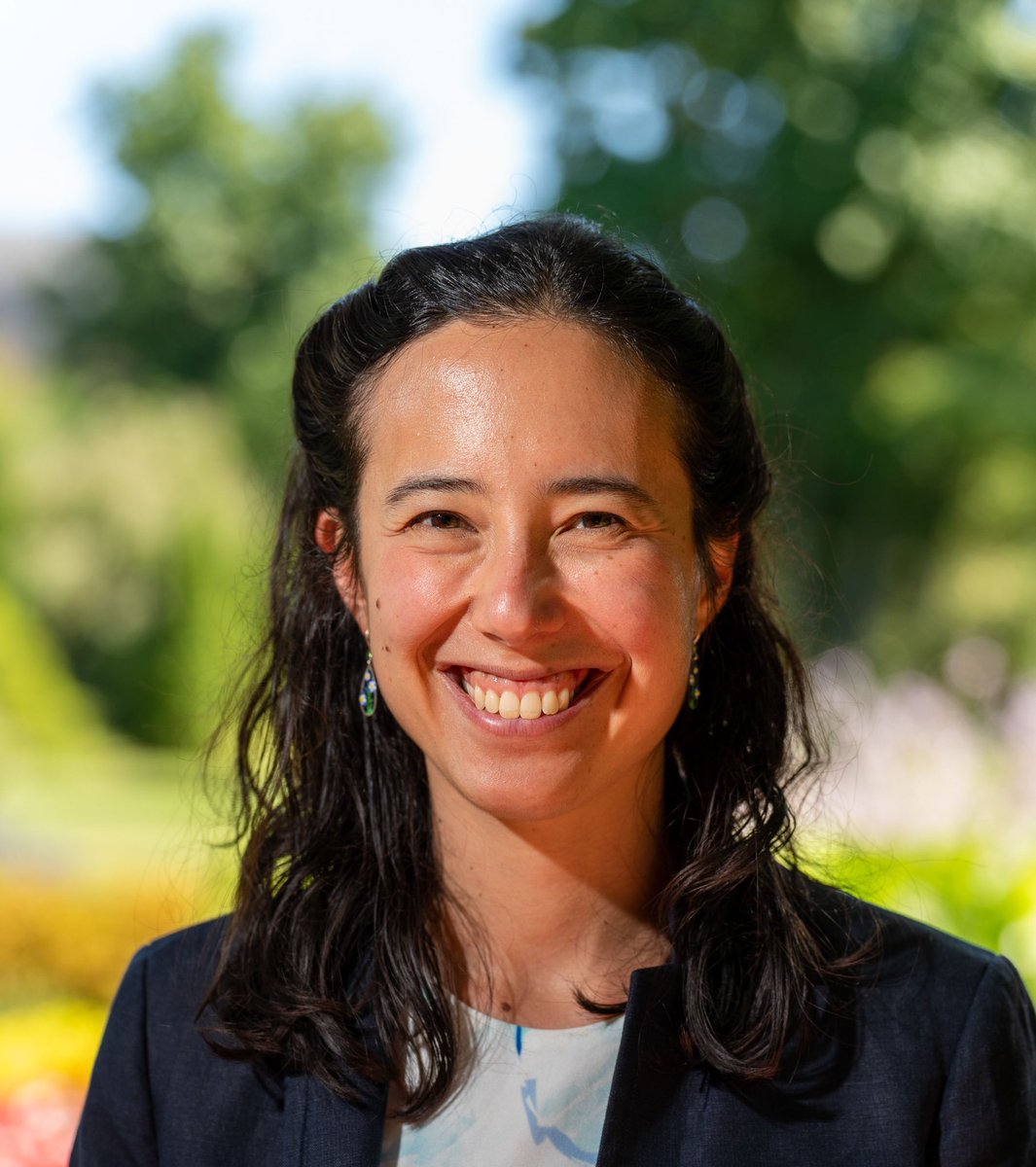
Time Magazine has named Britney Schmidt, associate professor of astronomy @CornellCAS and of Earth and atmospheric sciences @CornellEng, to its 2023 list of the world’s 100 most influential people. @CornellAstro https://t.co/BpakBeW1QS
How many rogue planets are out there, since one could conceivably destroy the Earth? @Newsweek asks. "We expect a really big population," says astronomer Alberto Fairén.
@CornellAstro
https://t.co/C3NwnP1kDg
The #exoplanet Smertrios has a surprising abundance of heavy elements: "[It's] the mass of Saturn, but its atmosphere seems to have as much as 27 times the amount relative to its hydrogen and helium," @CornellAstro professor @jlunine says on @SPACEdotcom
https://t.co/3gL0oOfjIy
“Every giant planet is different, and we’re starting to see those differences thanks to JWST." @CornellAstro professor @jlunine and colleagues are exploring #exoplanet atmospheres using @NASAWebb. Some of their first findings appear today in @Nature
https://t.co/Vnmt7OOZSZ
"It's thrilling to be part of a grand human quest to look for worlds beyond our solar system…and in turn, to learn about our own place in the universe."
Astronomer and A&S Dean @DrRayJay talks with @radionz about the adventure of space exploration.
https://t.co/BaILurejlW
What is #Oumuamua? @CornellAstro
researcher Darryl Seligman and colleagues argue that this mysterious 400-foot interstellar pancake is an icy planetary building block – and that similar small bodies, “dark comets," may be found in our midst.
https://t.co/6zyCTN8WNC
For more than 30 years, the “Friends of Astronomy” have gathered to learn about the wonders of the universe from Cornell astronomers. Martha Haynes @CornellAstro professor and alum Chuck Mund, Jr. ’81 organize monthly Zoom events – join in!
https://t.co/D5HcAwKzPU
We’re back with a new episode next week! We feature Anna Ho, a new Assistant Professor of Astronomy at @CornellAstro studying energetic transients. We talk about her career path, experiences as a new Professor, ways to make the field more equitable for the future, and much more!
A particle physicist and flutist have transformed the waveform data of interstellar space from Voyager 1 into music; in @washingtonpost, @CornellAstro PhD candidate Stella Ocker
she said she loved how the composition captured what Voyager 1 experienced.
https://t.co/70jIq9VCd6
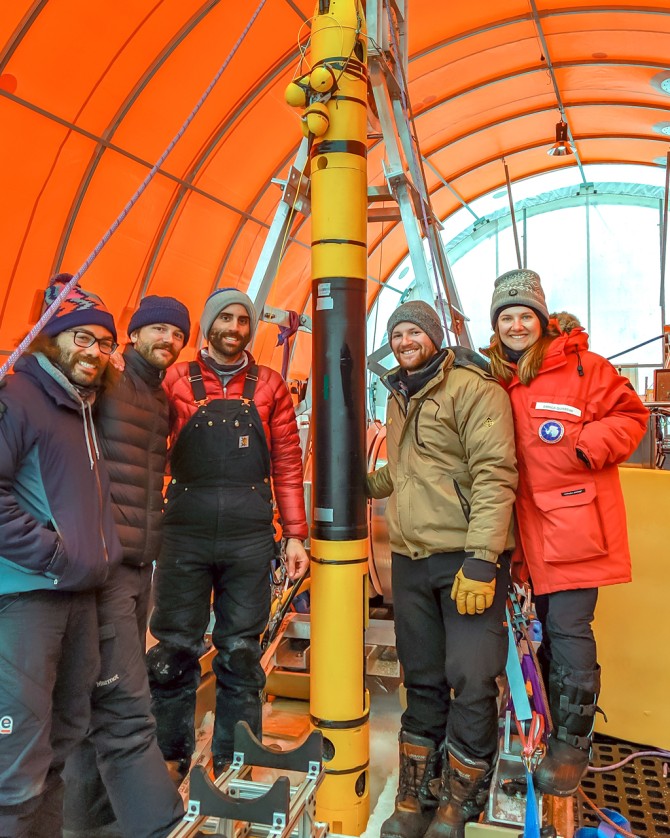
Underwater robot @IcefinRobot
gave Cornell researchers and their U.S.-New Zealand team an unprecedented look at the base of Antarctica’s largest ice shelf. Led by @CornellAstro scientist Britney Schmidt
https://t.co/yGbu5UrdZ9
.@CornellCAS@CornellAstro doctoral student Bo Peng is lead author of a paper about the discovery of a chemically abundant galaxy in the early universe, to which doctoral students Catie Ball and Christopher Rooney contributed as co-authors. Read more: https://t.co/fm5UEUGjHO
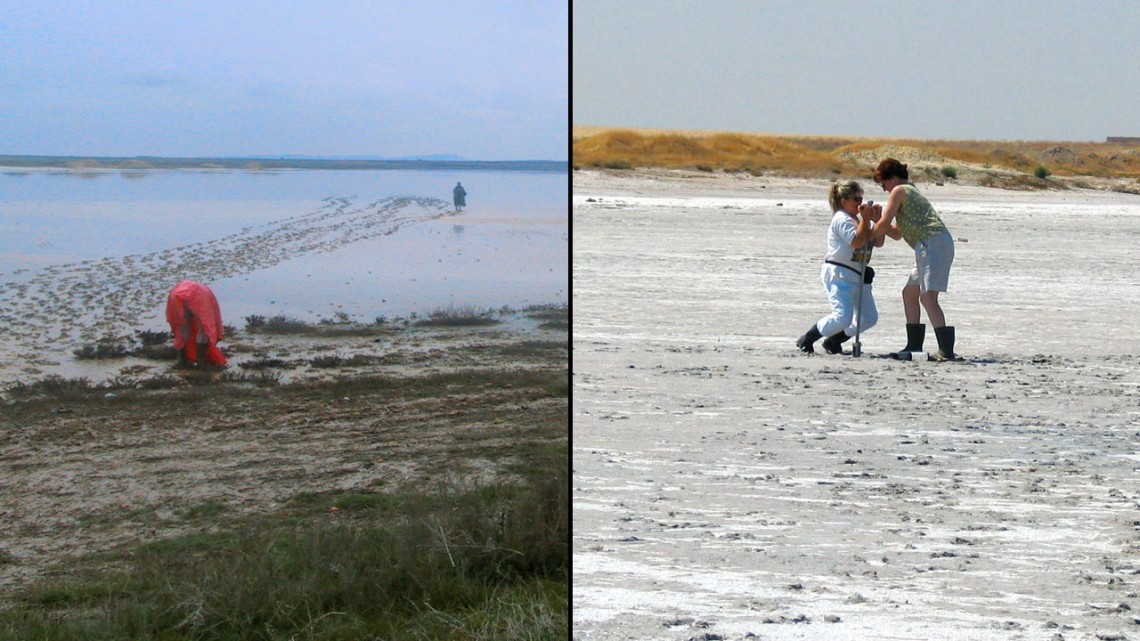
Cornell astronomers are searching for keys to life on Mars in central Spain – the extremely salty Tirez lagoon holds clues to the time when the red planet had liquid water on its surface.
@CornellAstro
https://t.co/TKmhq9RruI
The @CornellAstro community remembers Peter Gierasch, a Cornell astronomer who contributed to a wealth of knowledge on the processes of planetary atmospheres – specifically Mars, Venus, Jupiter and Saturn’s largest moon, Titan.
https://t.co/FBIVSGRqHU
.@NASAWebb is opening a new chapter in the study of exoplanets and the search for life beyond Earth; in @sciam, @CornellAstro professor @NikoleKLewis talks about using the telescope in current and future studies of exoplanet atmospheres
@CSInst
https://t.co/5Cb390RRN8