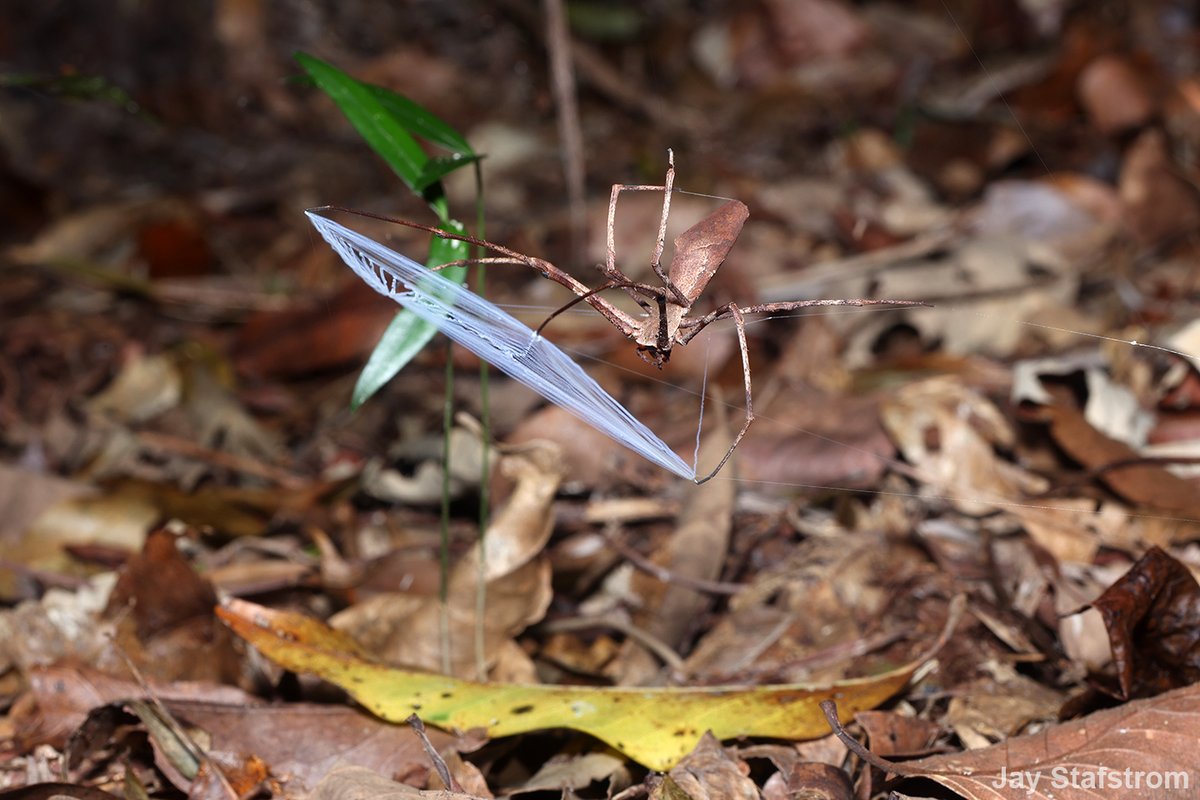
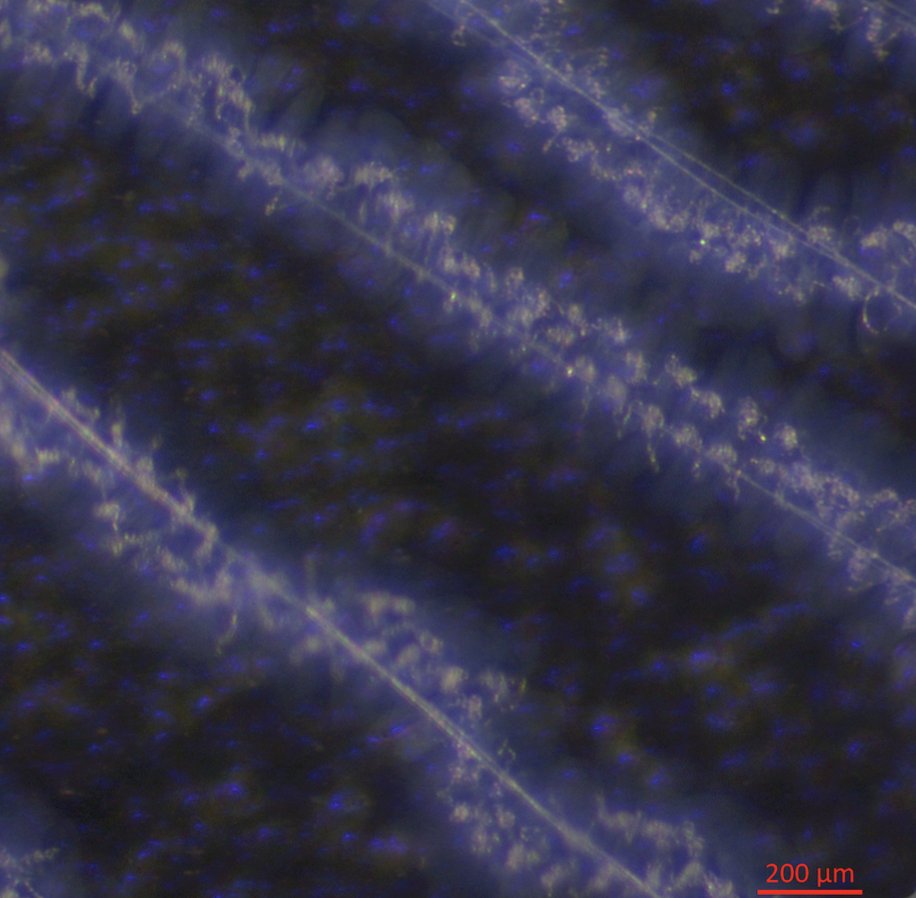
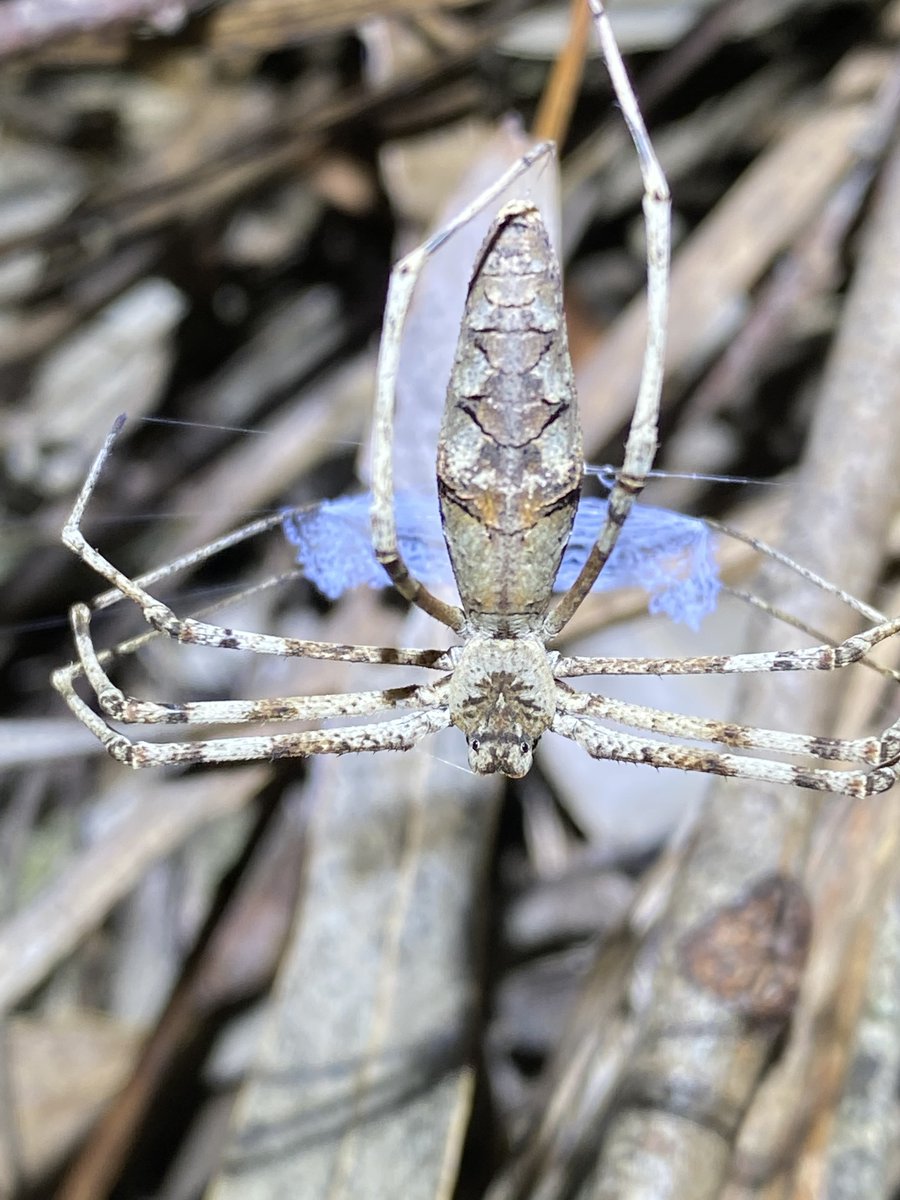
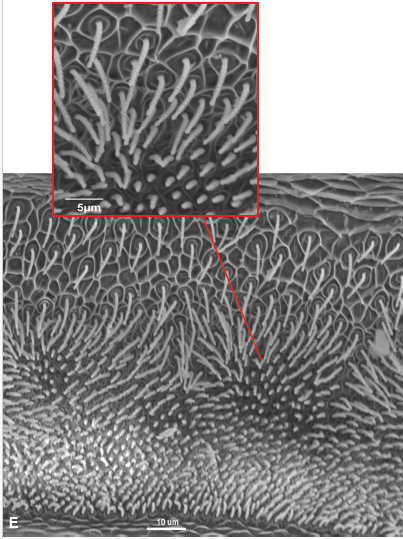
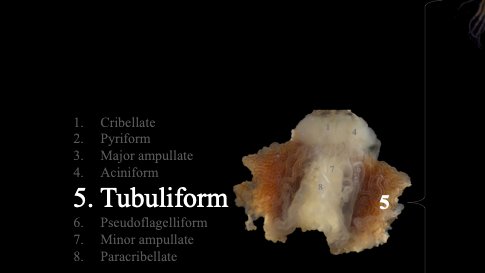
Deinopids use thousands of cribellar fibrils to make a sticky Velcro-like adhesive for their capture webs. Feast your eyes on the multitude of minuscule spigots on the cribellum.
Deinopids make a unique web that's super stretchy and sticky! Made of 5 different fiber types. And guess what? Each silk comes from its own unique silk glands! Ever been curious about their appearance? Hold onto your hats because we're going to reveal it all! #DeinopidDay
@AAS_arachnology There are so many tubulliform silk glands that I think - Likely Tubulliform mixed with aciniform and a dash of pyriform. Of course, there is always something else! Let's celebrate #DeinopidDay
@AAS_arachnology We @AMNH, @Cornell, @UML, are exploring the composition of the intricately woven egg sacs of Deinopid spiders. It's a captivating blend of biology and discovery! #DeinopidDay
DEINOPID DAY THREADS 2023 | Hearing
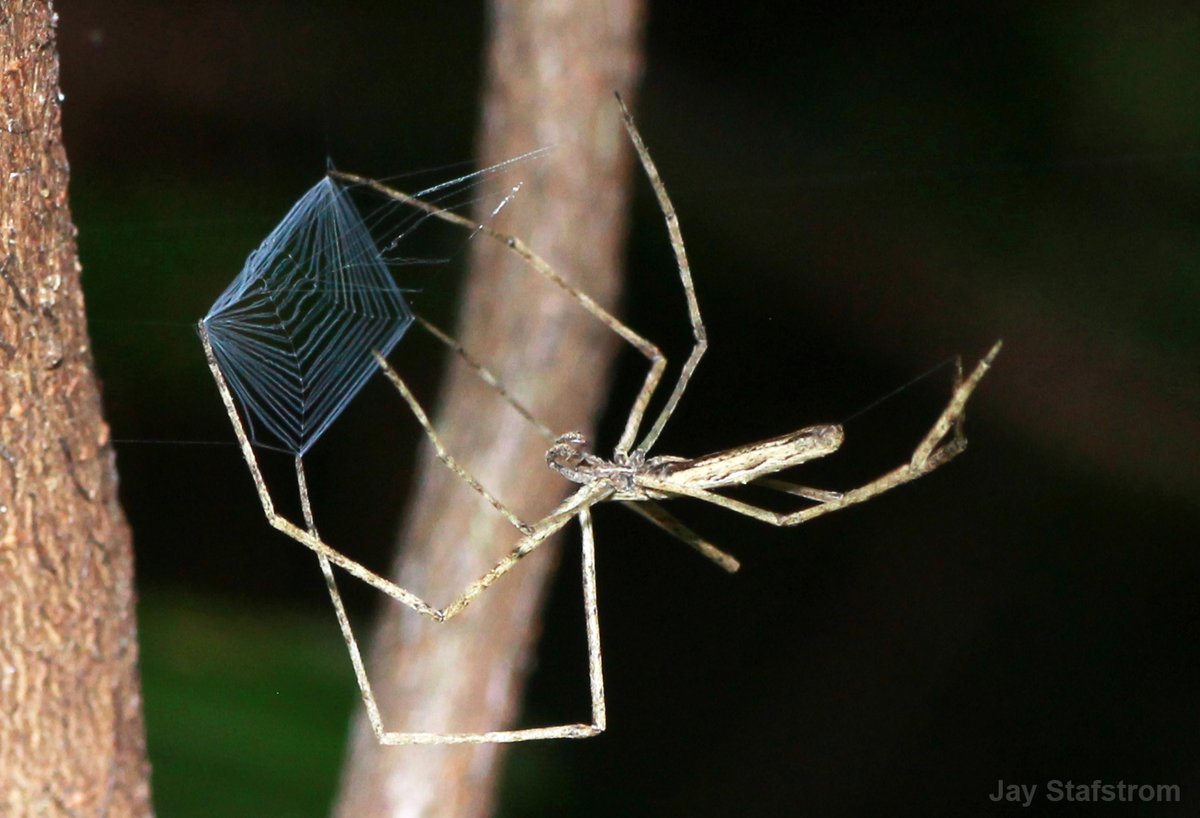
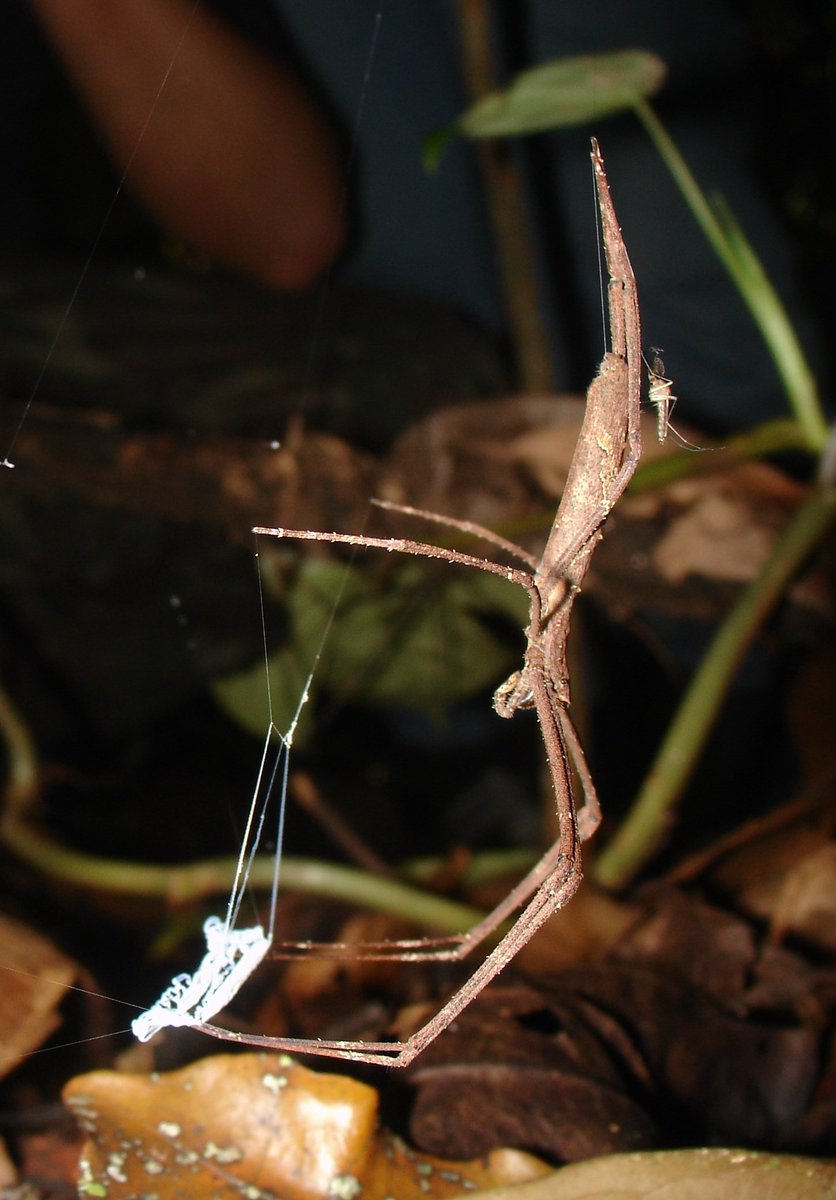
Deinopids are famous for their “net casting” ability. These spiders have been observed catching insects from the ground with their net, but they can also catch insects flying in midair. How do they do it?
#DeinopidDay
An unfortunate reality: net-casters are not invincible, and sometimes fall prey to other animals. Below, D. longipes suffers a cruel fate at the hands of a planarian worm. Since net-casters cannot drop their legs, once grasped, escape was not possible.
Net-casting spiders are known for their net-casting. These spiders are extraordinary predators. But what eats them? What are THEIR predators? And how might these spiders fend predators off? Buckle up for a thread on crypsis and anti-predator behavior.
#DeinopidDay#Arachtober
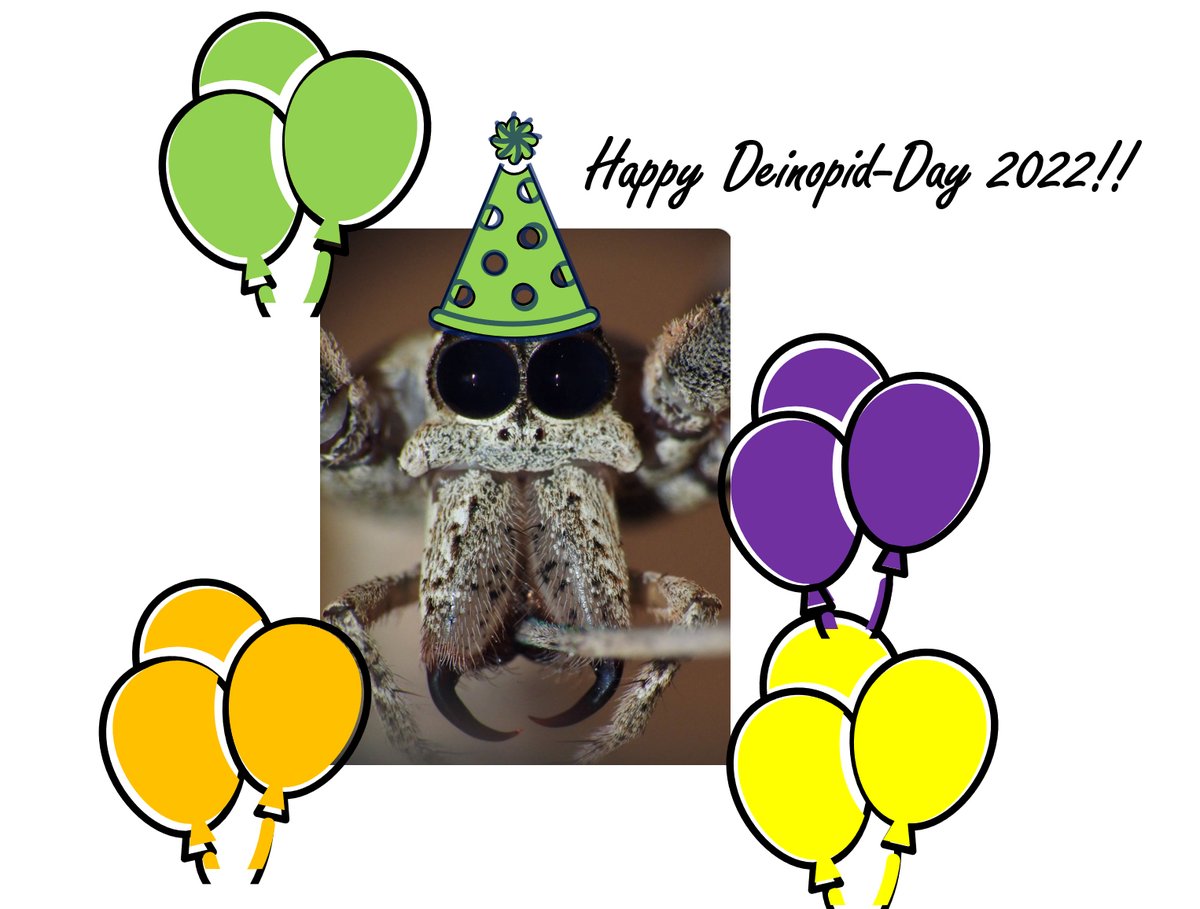
Happy #DeinopidDay 2023! Head on over to @Deinopid_Day for net-casting spider (aka ogre-faced spider) content all day!
Here's a beautiful gal that was hanging out near my light trap last night, north central Florida.
#Arachtober
Australians are so lucky...it's already #DeinopidDay over there! So here's a Menneus aussie doing its thing in the Daintree Rainforest.
At noon EST tomorrow, we'll start sharing some fun stuff about net-casting spiders...and announce a special contest 😬 Hope to CATCH you then!
Deinopid Day, an annual celebration of Deinopidae. GET IT!? We swing into action again this Sunday, #arachtober 8th. Keep your eyes peeled for some fascinating net-casting spider posts ::::)
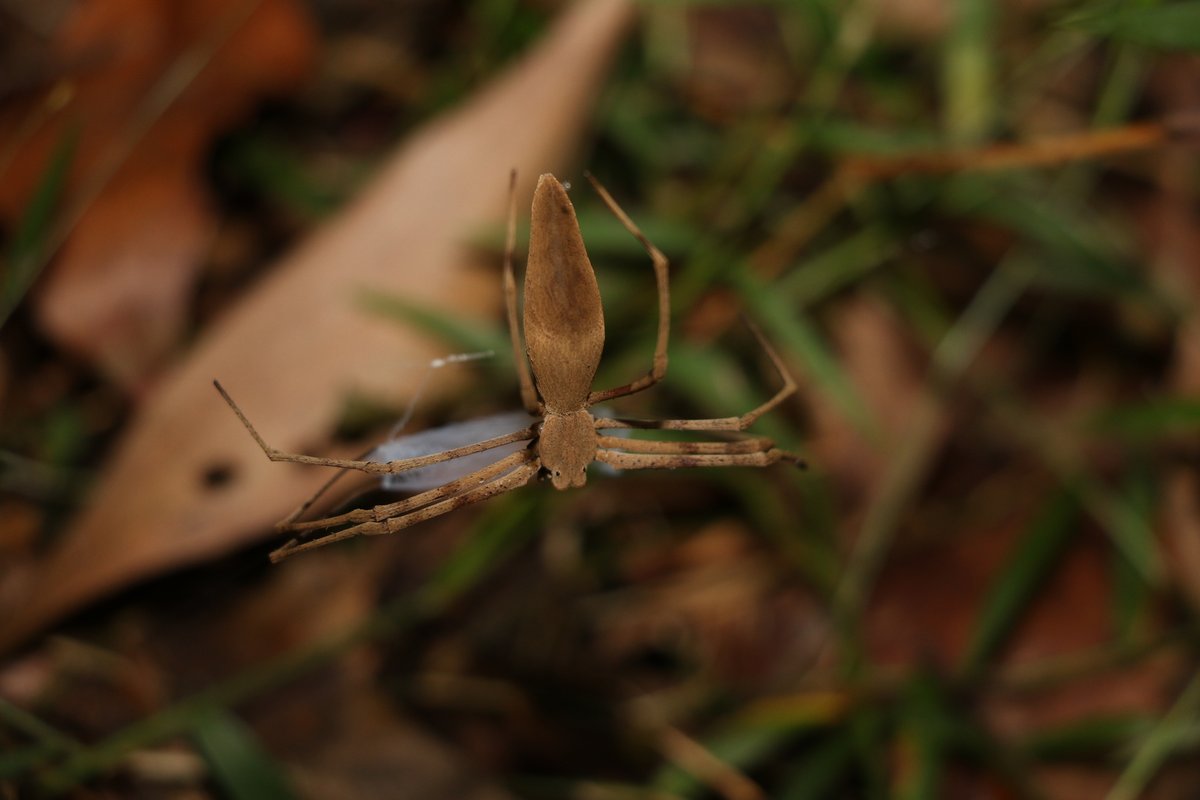
HAPPY #DeinopidDay EVERYBODY!! Today we'll cover one last topic fewer people are familiar with...how insanely camouflaged most of these spiders are during the day. AND we'll reveal the answers to all the trivia questions from this past week :)
Day 5: How many silk types can an adult female deinopid spin? Eight! Being: major ampullate, minor ampullate, psuedoflagelliform, cribellate, paracribellate, tubuliform, pyriform, aciniform. Useful in many different ways, like egg sacs, draglines, and web-building.
HAPPY #DeinopidDay EVERYBODY!! Today we'll cover one last topic fewer people are familiar with...how insanely camouflaged most of these spiders are during the day. AND we'll reveal the answers to all the trivia questions from this past week :)
Have you seen deinopid net silk up close?
Wavy undulating fibers (uf) coil around smooth basal fibers (bf), supporting a cloud of velcro-like cribellate silk (red arrow). Left image from @jessica_garb, right Peters (1992) https://t.co/X1qnsKYnLE #DeinopidDay#Arachtober
Deinopis aurita...the not-so-long-legged. Their name means 'attentive.' I can SEE why. These compact beauties are most easily found in Mexico.
iNat user: dingooctavious
https://t.co/FxgHQkfpBO
Also, D. subrufa has a lot of color variation. Very pretty. However, there might be more species accidentally lumped into this group - one of the drawbacks of trying to ID bugs via photos without genital morphology or genetics.
iNat user: gregtasney
https://t.co/Dhh57ryney