Telescopic views of Saturn and its beautiful rings often make it the star of star parties.
But this stunning view of the outer gas gaint planet's rings and night side just isn't possible from telescopes in the vicinity of planet Earth.
Peering out from the inner Solar System they can only bring Saturn's day side into view. In fact, this image of Saturn's slender sunlit crescent with the planet's night shadow cast across its broad and complex ring system was captured by the robot spacecraft Cassini.
After a seven year long journey from planet Earth, Cassini called Saturn orbit home for 13 years (from 2004 - 2017) before it was directed to dive into the atmosphere of the gas giant on September 15, 2017. This magnificent mosaic is composed of frames recorded by Cassini's wide-angle camera only two days before its grand final plunge.
And Saturn's night will not be seen again until another spaceship from Earth calls.
Image Credit: NASA, JPL-Caltech, Space Science Institute, Mindaugas Macijauskas
In order to confirm it can handle a harsh entry into the atmosphere of Saturn’s largest moon, Titan, the heat shield for NASA’s Dragonfly mission completed thermal-structural testing...and it performed even better than expected!
Read more here: https://t.co/dhrPVrT4ET
Webinar on 7th June on the entire GLP Value Chain
* The complete GLP-1 value chain and ecosystem
* Pharma Companies in the Value ChaiWebinar on 7th June on the entire GLP Value Chain
* The complete GLP-1 value chain and ecosystem
* Pharma Companies in the Value Chain
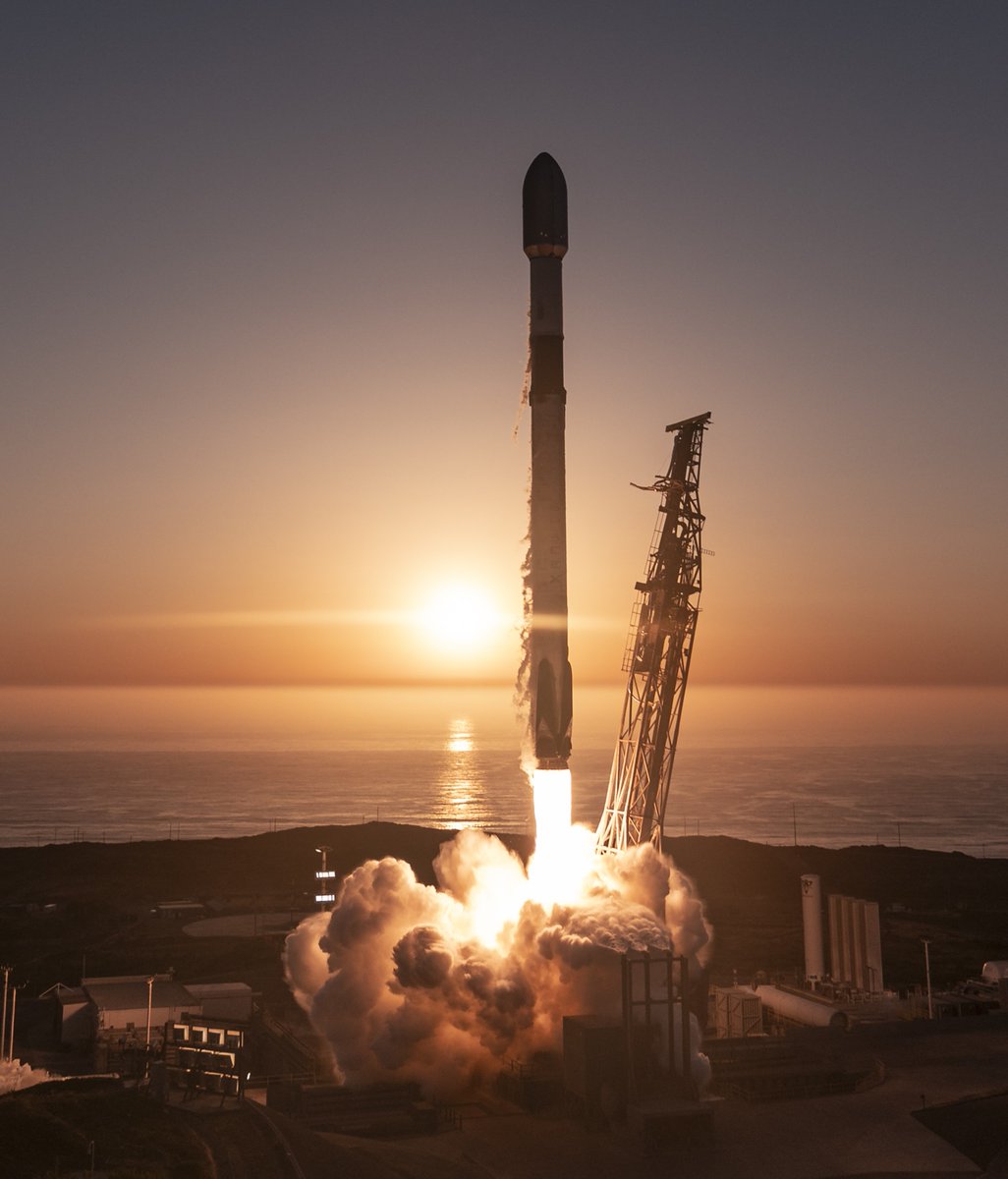
SpaceX completed its 50th Starlink launch of 2026 today. With this mission, SpaceX has deployed 1,375 Starlink satellites so far this year, and another Starlink launch is scheduled for later tonight.
(photo below is real)
In this timelapse of the night sky, you can see lightning storms (beginning and end), and one of my favorite night scenes – as we cross over Africa from west to east, it is very dimly lit until the snaking spectacle of light along the Nile appears (worth the wait), erupting into the brilliance of Cairo and the river delta. It’s a perfect illustration of the vitality of our planet’s water sources and how our human cultures have developed along them.
Once in a Blue Moon 💙
Tomorrow, May 31, we will be treated to a rare second full Moon in one month – aka a Blue Moon. Which means double the Moon joy!
Check out more notable astronomical events that are happening this year here >> https://t.co/MtXTEaVuw8
Alright I need everybody to raise their motherfuckin hands for some FREE SPINS 🎰🔥 on Gates
✅ Like & Retweet
✅ Comment your Shock username
✅ Tag a streamer you can’t stand
#Shock
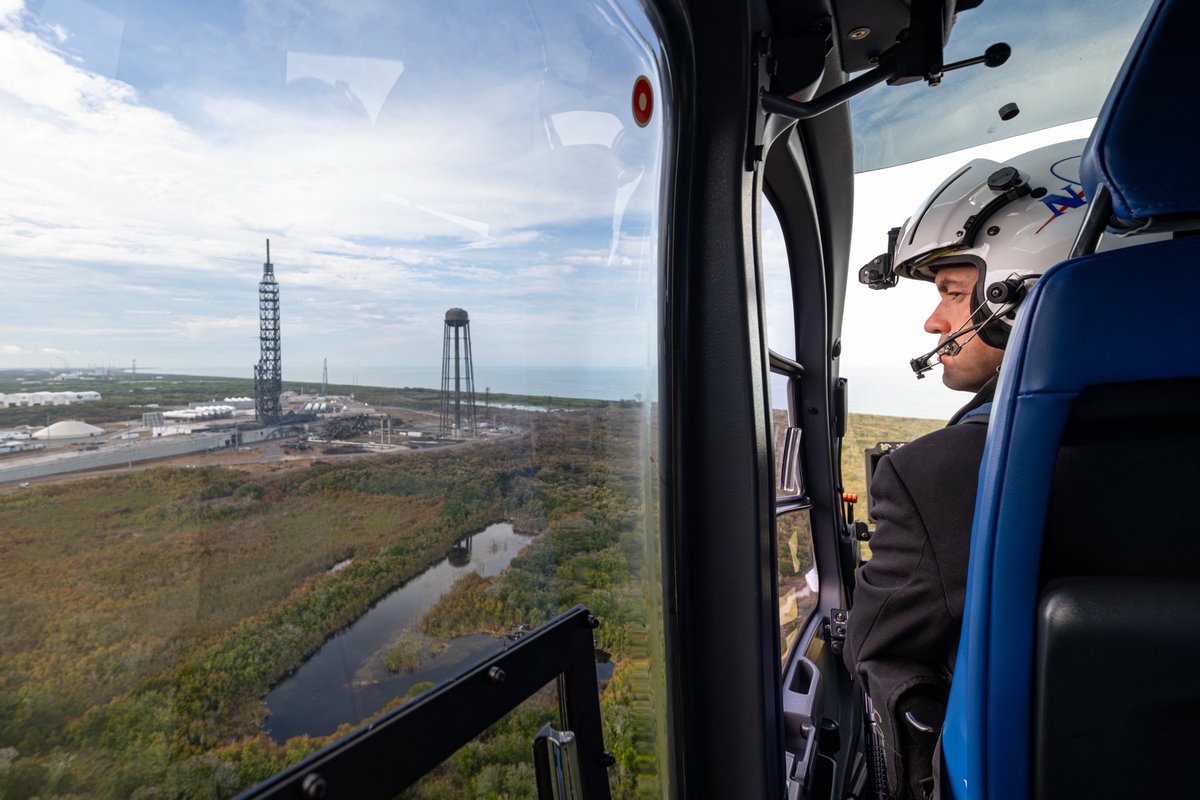
We go where we need to be, and today that was @NASAKennedy.
Some of my senior engineers and I spent time at @blueorigin with @JeffBezos and @davill, speaking with the workforce and seeing the damage at LC-36 firsthand. I appreciated the opportunity to hear directly from those working through the aftermath and better understand the challenges ahead.
There is a lot of work to do, but this is exactly why people choose careers in aerospace, whether at NASA, Blue Origin, or across the industry. The talent in this field thrives under pressure and performs at its best when solving the toughest problems.
We have been saying for months at NASA that we are not going to sit on our hands and wait for the capabilities necessary to achieve the nation’s most pressing objectives. We are going to take an active role alongside our partners, just as we did in the 1960s, to overcome setbacks, remove obstacles, and deliver the intended outcomes.
@NASA is committed to helping the Blue team recover, continue to advance their lunar lander and get New Glenn back to launching as soon as safely possible.
America’s greatest achievements in space were never the result of avoiding setbacks. They came from overcoming them. We have done it before, and we will do it again🇺🇸