🚨BREAKING: @USNatArchives has launched a centralized hub for all UAP records.
This initiative, mandated by the 2024 National Defense Authorization Act, aims to collect and make publicly accessible all govt records related to UAPs.
Explore here👇🏼
https://t.co/W23yK8DzYk
A resurfaced memo written by JFK on November 12, 1963, just ten days before his assassination, shows that he requested the CIA release all UFO information and collaborate with @NASA on UFOs to improve diplomatic relations with the Soviet Union.
https://t.co/XxsxeCcW5y
For the first time, a passive radar system in Germany independently confirmed a UFO sighting in real time, and captured a luminous, wave-like phenomenon accompanied by an unusual metallic sound.
https://t.co/JmEv6A0rB1
UFO sightings date back to ancient Rome: in 218 BCE, during the Punic Wars, ‘phantom ships’ were reportedly seen in the sky near Rome; in 76 BCE, Pliny the Elder recorded a story of a ‘spark’ that fell from the sky, increased in size, and then returned to the heavens...
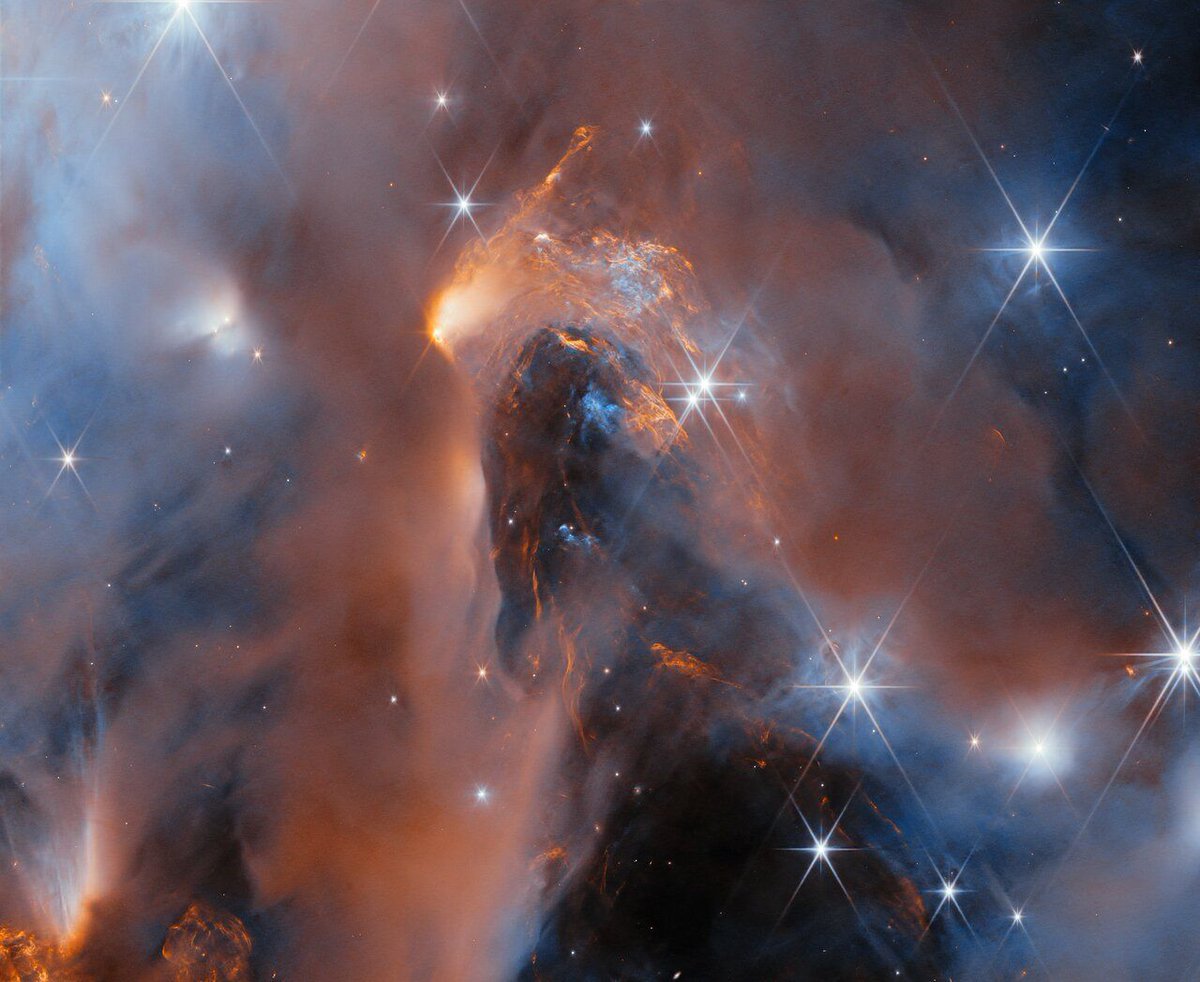
#PPOD: Peeking into Perseus
This stunning new mosaic of images from @NASAWebb 🛰️ showcases the nearby star-forming ✨ cluster #NGC1333. The #nebula is located in the Perseus molecular cloud ☁️, approximately 960 light-years away.
The center of the image presents a deep peek into the heart of the NGC 1333 cloud. Across the image, we see large patches of orange, which represent gas glowing in the infrared. These so-called Herbig-Haro objects form when ionized material ejected from young stars collides with the surrounding cloud. They are hallmarks of a very active site of star formation.
Many of the young stars in this image are surrounded by discs of gas and dust, which may eventually produce planetary systems. On the right-hand side of the image, we can glimpse the shadow of one of these discs oriented edge-on — two dark cones emanating from opposite sides, seen against a bright background.
Similarly to the young stars in this mosaic, our Sun and planets formed inside a dusty molecular cloud 4.6 billion years ago. Our Sun didn’t form in isolation but as part of a cluster, which was perhaps even more massive than NGC 1333. The cluster in the mosaic, only 1–3 million years old, presents us with an opportunity to study stars like our Sun, brown dwarfs, and free-floating planets in their nascent stages.
Credit: @esa@NASA & @csa_asc, A. Scholz, K. Muzic, A. Langeveld, R. Jayawardhana
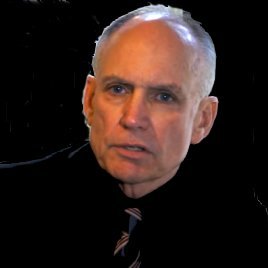
Why do former Pentagon officials take an oath when testifying that the U.S. government is hiding verifiable evidence of non-human intelligence, while current officials—such as @DoD_AARO Director Dr. Jon T. Kosloski—do not take an oath when denying these allegations?
Why does @NASA gladly share data and updates about unidentified structures in the solar system but then withhold their research findings when they investigate unidentified objects over Langley Air Force Base with a WB-57F reconnaissance plane?
https://t.co/Gv60U7Wh9r