Flow is focus and it’s chemistry.
When you enter the flow state, the brain releases a powerful mix of neurochemicals.
Dopamine and norepinephrine sharpen attention.
Endorphins reduce pain triggered by cortisol.
Pattern recognition expands with anandamide.
Serotonin stabilizes mood.
They also change how you think, learn, and create.
This is why flow state simultaneously effects three processes:
Motivation increases.
Learning accelerates.
Creativity expands.
These are some of the strongest reward indicators the brain can produce.
Together, neurochemicals improve performance.
They’re what make the flow state feel so desirable.
The brain is training itself to come back to this state.
Once you learn how to access flow, it becomes easier to return to it again and again.
Share this to that friend who’s always talking about wanting to get in the zone.
@CreateInTheNOW_@Enhavim
Neuroscientists and psychologists have discovered that the "now" we constantly experience lasts, on average, between 2-3 seconds.
2.5 seconds may change the direction of your day.
https://t.co/989llUZ6Yp
2.5 seconds could change the direction of your entire day.
Neuroscientists and psychologists have discovered that the "now" we constantly experience lasts, on average, between 2-3 seconds.
A few seconds may seem trivial.
But, as it turns out, it is anything but.
Progress can happen in tiny increments.
2.5 seconds is enough time to shift your focus. It's enough time to:
- Put your phone down
- Close the browser
- Take a deep breath.
- Open a book
- Take out a blank sheet of paper
- Jot down an idea
- Make a phone call.
Action can begin in just 2.5 seconds.
Then you can build on that momentum to take the next step during the next 2.5 seconds.
Think about all you could accomplish with just a few minutes of focus.
2.5 seconds is also enough time to become distracted by nonessential activities.
Big tech companies are acutely aware of this.
We are constantly bombarded with micro-tweets, likes on Instagram, and TikTok videos we can scroll endlessly.
These bite-sized activities are engineered to make us feel like we aren't wasting time.
But soon, these seconds pile up, resulting in the wrong kind of effortless activity that is easy but returns very little value.
Looking at taking action through the lens of 2.5 seconds changes the way we view and value our time.
This mindset can change how we act and what we accomplish.
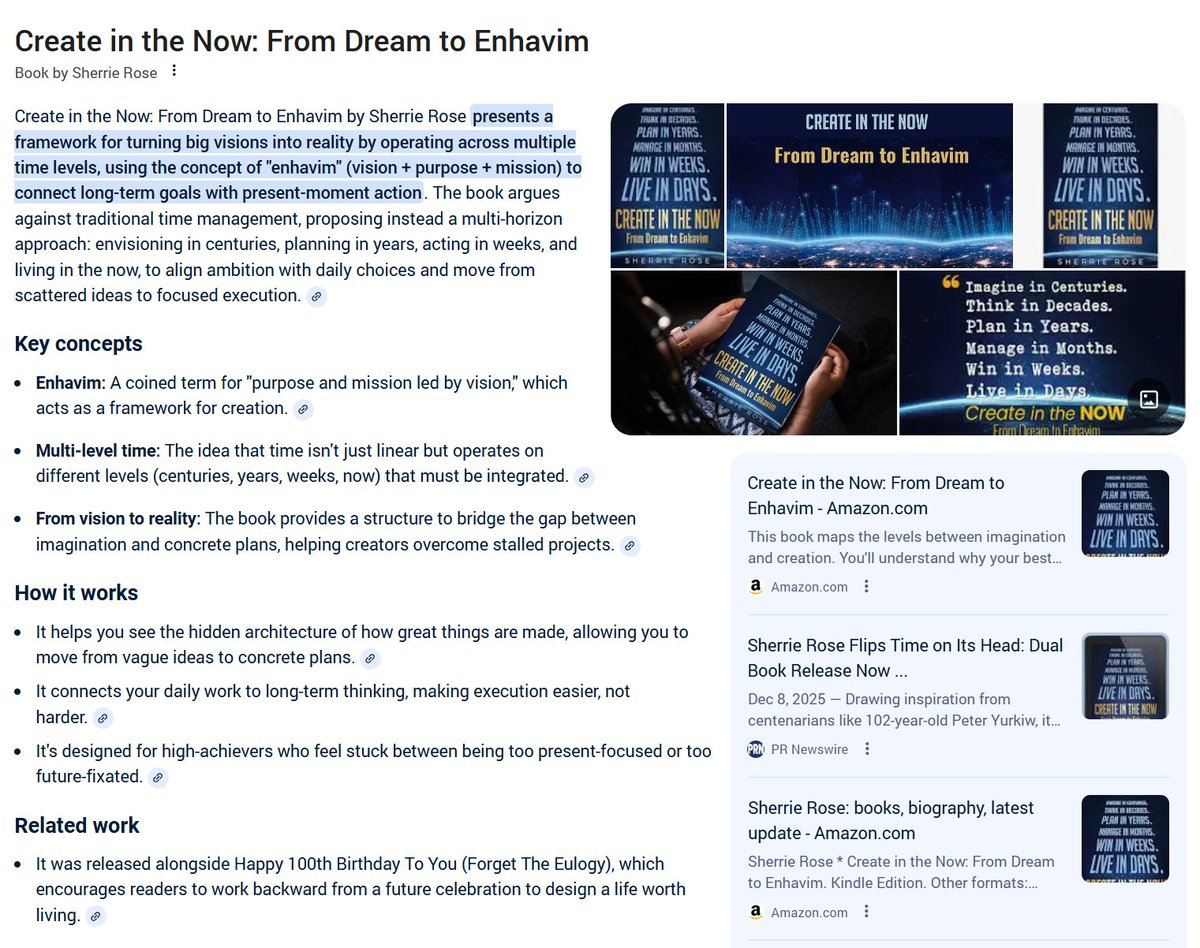
Create in the Now: From Dream to Enhavim by Sherrie Rose presents a framework for turning big visions into reality by operating across multiple time levels, using the concept of "enhavim" (vision + purpose + mission) to connect long-term goals with present-moment action
@Enhavim
Memorial Day is a time to honor and remember the people that gave their lives for our country. To those who put our nation before themselves, and to their family and friends left behind, we honor your sacrifice.
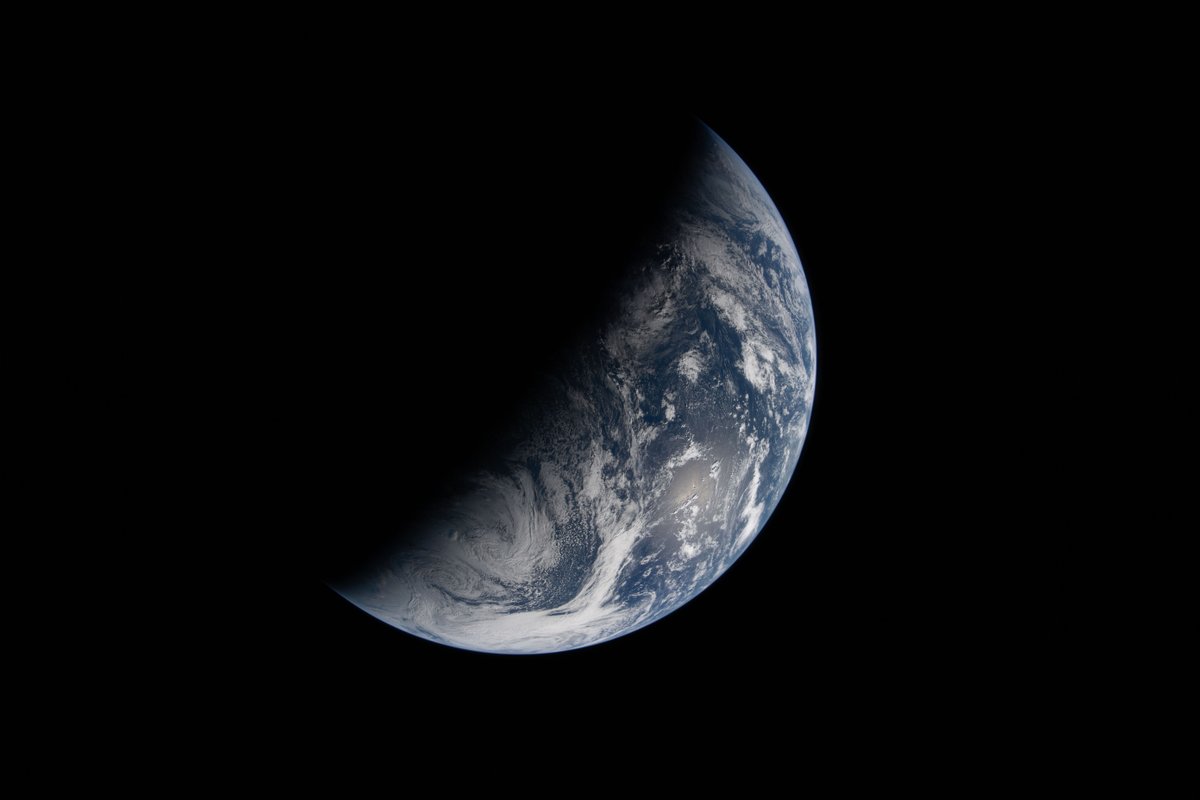
NASA HAS RELEASED OVER 12,000 IMAGES OF THE ARTEMIS II MISSION.
Unbelievable perspectives captured by the Crew! The aurora on the eclipse is incredible.
Even as someone who is not religious in the slightest, I find these Spanish semana santa 𝑝𝑟𝑜𝑐𝑒𝑠𝑖𝑜𝑛𝑒𝑠 absolutely awe-inspiring - so I did a montage of some of them👇
Happy Easter❤️🇪🇸 (sound on)
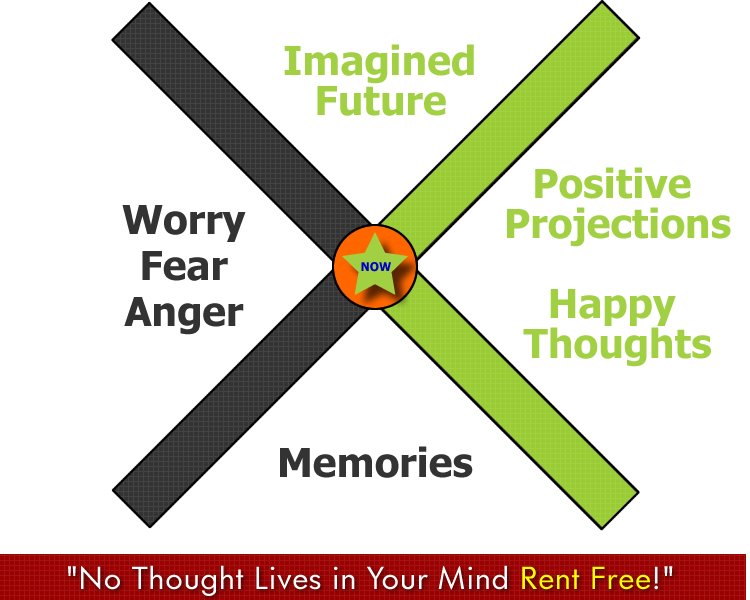
“No thought lives in your mind rent-free.”
Each thought is an investment or an expense, to either empower or deplete you. Choose to move towards happiness and success. Choose to share time with people who enrich you with uplifting and valuable conversations. Choose wisely.
Action. Wonder. Adventure. Artemis II has got it all. Don't miss the moment. Our crewed Moon mission will launch as early as April 1.
Learn how to watch: https://t.co/fAg0bGAqEc
We are going to the Moon in a few days, Carl. The world is, sadly, still more or less the same, with all our follies and conceits, but we are trying our best. And we miss you.
Tomorrow is #PiDay – and while we love a good pie, our favorite flavor of pi is of the math variety. 🥧➗
Celebrate with us by solving some of the same problems @NASA scientists and engineers face every day: https://t.co/2CqGbkfEu0
The people who create meaningful change are rarely just planners or just executors. They are individuals who can imagine a better system and then take responsibility for building it.