Dear Christopher Nolan,
My name is Herod Priovolos and I want to tell you what #TheOdyssey truly means to me and to generations of Greeks who grew up with Homer’s story.
Homer did not sing of Odysseus simply to entertain us with ships, storms, gods and monsters. He told the story because he understood what war, time, distance and loss can do to the human soul.
Odysseus leaves Ithaca as a king, a husband and a father. He returns twenty years later alone, exhausted and disguised as a beggar, carrying the memory of every companion who never made it home.
The monsters are not merely creatures created for spectacle.
The Cyclops is power without justice. The Sirens are the beautiful voices that tempt a person to abandon their purpose. Circe represents the danger of losing our humanity. Calypso offers Odysseus immortality, but even eternal life becomes a prison when the price is forgetting his wife, his son, his homeland and his own identity.
And Ithaca is not merely an island.
Ithaca is the place that remembers you when the world no longer recognizes your face. It is the home that remains alive inside you after everything else has been taken away. It is Penelope growing older while she waits. It is Telemachus becoming a man without his father. It is Argos surviving long enough to recognize his master one final time.
Odysseus is not great simply because he defeats monsters. He is great because he is proud, frightened, wounded, clever, imperfect and deeply human. He loses his companions, his youth, his name and twenty years of his life, yet he refuses to forget who he is.
When he finally returns, Penelope does not recognize him through strength, glory or appearance. She tests him. Odysseus proves his identity by remembering the bed they built together around the roots of a living olive tree.
That is the heart of The Odyssey.
Not the battles. Not the ships. Not the monsters.
Two people standing before each other after twenty years, asking whether love, memory and identity can survive everything time has done to them.
That is why this poem has survived for almost 3,000 years. Every human being is trying to return to something: a home, a person, a lost part of themselves, or the life they had before the world changed them.
So use Homer’s seas, gods, heroes and monsters. But please understand what you are touching.
The Odyssey was never truly about how far a man could travel.
It was about how much the world could take from him before he stopped being himself, and whether, after losing almost everything, he could still find his way home.
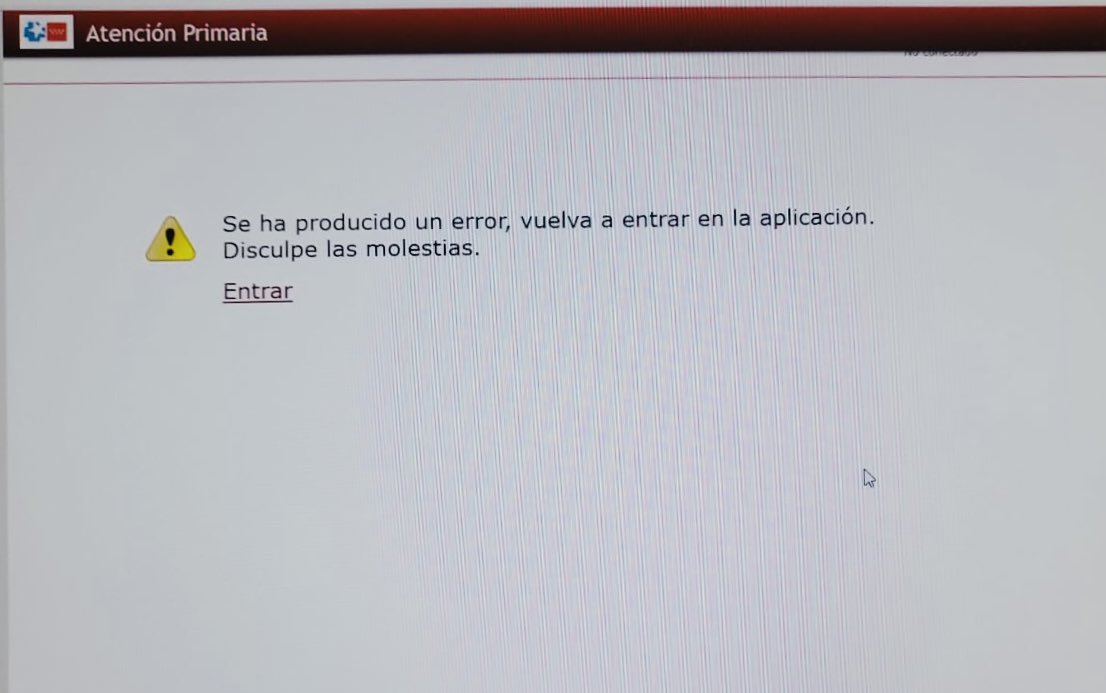
@sanz_ismael En los centros públicos de la C de MAD se utiliza EDUCAMADRID, app corporativa de la consejería de educación y no un producto de una empresa privada. La problemática de privacidad y protección de datos personales de los alumnos (menores de edad) saltó en la pandemia, nada nuevo
US President Ronald Reagan was shown "WarGames" (1983) at Camp David the weekend it was released. He loved the movie but it also freaked him out. A few days later, at a White House meeting that included the chairman of the Joint Chiefs of Staff, Reagan asked, “Could something like this really happen? Could someone break into our most sensitive computers?”
The answer came back a week later: “Mr. President, the problem is much worse than you think.” That led not only to a significant revamp of how computer security was handled at the Defense Department, but also passage of an anti-hacking law that would eventually evolve into US Computer Fraud and Abuse Act, 1986. Clips of "WarGames" (1983) were shown during the congressional hearings where lawmakers debated the need for hacking legislation.
("How Sci-Fi Like ‘WarGames’ Led to Real Policy During the Reagan Administration", Kevin Bankston, New America, 2018)
P.S: On this day, 43 years ago, John Badham's "WarGames" (1983) premiered at the Cannes Film Festival, France.
One question I get a lot is can you see the stars differently from up in space. When we orbit on the night side of the planet, we get a view of the stars very much like being in a very dark place on Earth. And because of our orbital inclination, we get to see the stars of both the northern and southern hemisphere. I captured this shot of our galactic plane from one of the windows of the Crew Dragon Freedom that is docked to the zenith docking port.
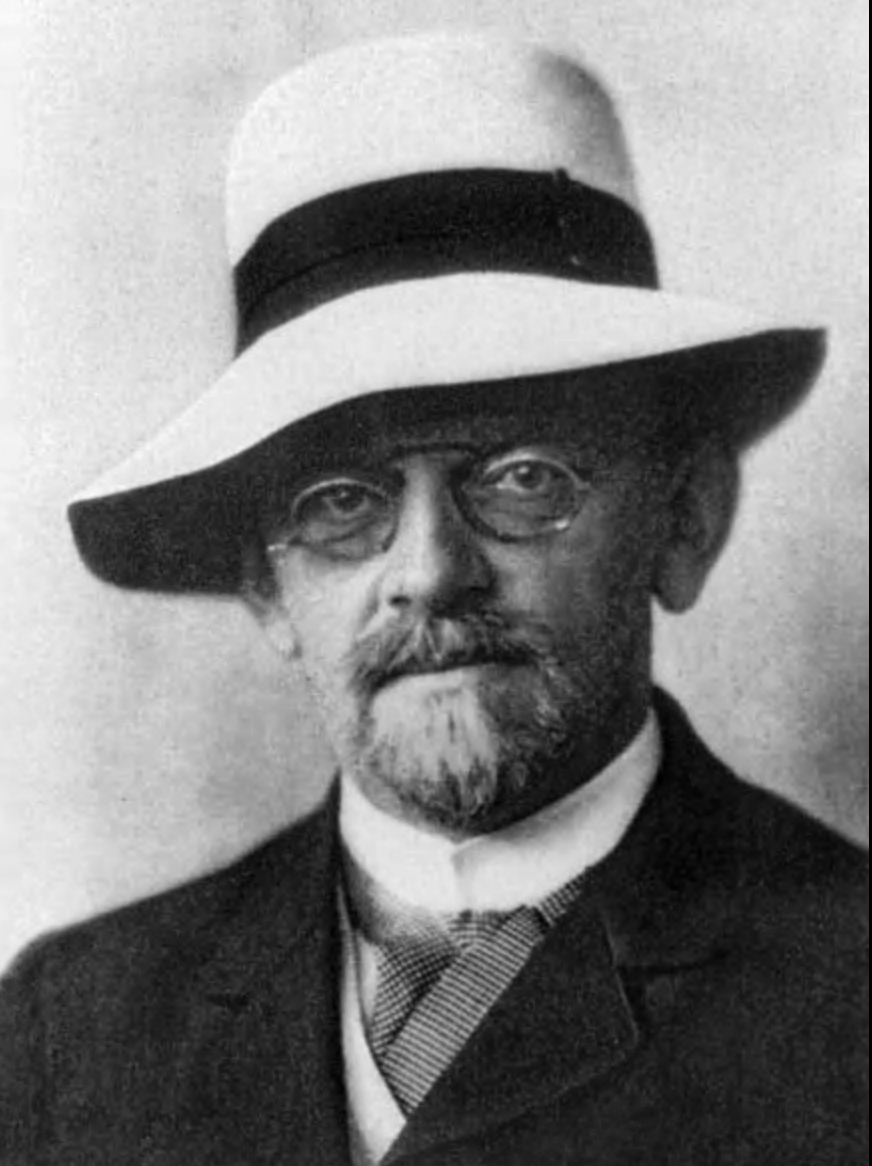
1) En 1934, un anciano David Hilbert cenaba con Bernhard Rust, ministro de Educación nazi. Rust le preguntó cómo iba la matemática en Gotinga ahora que estaba "libre de la influencia judía". Hilbert, protagonista de una de las búsquedas científicas más estimulantes del siglo, le respondió lacónicamente: "Ya no hay matemática en Gotinga."
Para empezar a entender esa frase hay que saber qué era Gotinga. Y desgraciadamente, tenemos que hablar en pasado. Durante más de un siglo, la pequeña ciudad de la Baja Sajonia fue uno de los grandes centros de la matemática mundial. Gauss, Riemann, Hilbert, Noether o Born pasaron por allí. Libertad académica, financiación estable y prestigio social del saber. Uno de los ecosistemas más productivos para la innovación intelectual que jamás hayan existido, destruido de un plumazo por los nazis. Y todavía leo de vez en cuando eso de "fueron unos monstruos, pero económicamente levantaron Alemania..." 🧵
El clip colaborativo del rapero sueco Yung Lean y GENER8ION supera los límites de un simple videoclip musical y ya es un festín visual extraordinario. 🔥
La coreografía, a cargo del gran coreógrafo francés Damien Jalet. 💥
Hoy, 29 de abril, Día internacional de la danza.
La vida humana consiste en un acto de equilibrio entre el esfuerzo por mejorar y la aceptación de lo que somos. Si la filosofía nos trae una pregunta decisiva es qué significa vivir una buena vida.
https://t.co/7S3TU3sADB
Mi reconocimiento a todos los divulgadores y personas individuales que dedican tiempo a la cansina tarea de, una y otra vez, educar al público: quien crea que no hubo viajes a la luna en el pasado ha sido víctima de un engaño. Ya vale con esto.
We see our home planet as a whole, lit up in spectacular blues and browns. A green aurora even lights up the atmosphere. That's us, together, watching as our astronauts make their journey to the Moon.
La IA no nos hace necesariamente peores; cambia los incentivos. Si permite llegar rápido a un nivel aceptable, muchos se detendrán ahí. Ese es el riesgo: no la estupidez, sino la trampa de la mediocridad, donde baja el coste de conformarse con lo suficiente.
El problema no es la IA, sino cómo la integramos en educación. Si solo premiamos respuestas rápidas y resultados finales, reforzará la superficialidad. Si valoramos proceso, juicio y mejora, puede ser una herramienta para pensar mejor, no menos.
@jsainzg en https://t.co/FUFvuSLKUR
Los titulados universitarios de familias con bajos ingresos, ganan mucho menos que los graduados de más nivel de renta cinco años después. Estas diferencias persisten incluso al controlar por universidad, carrera o notas. 💼La clave está en la primera transición laboral: los graduados con menos recursos tienden a aceptar puestos con menor proyección en su primer empleo. Este primer paso explica dos tercios de la brecha salarial a los cinco años. https://t.co/wBBmUBfdNt
https://t.co/CKNp5VEOeo