via@ReadingForum_Ed
This week, we are excited to share "Helping your child become a reader" by Donna Scanlon and her colleagues. The link is below, and, as always, we appreciate your sharing our posts
https://t.co/5z3GFpMd5k
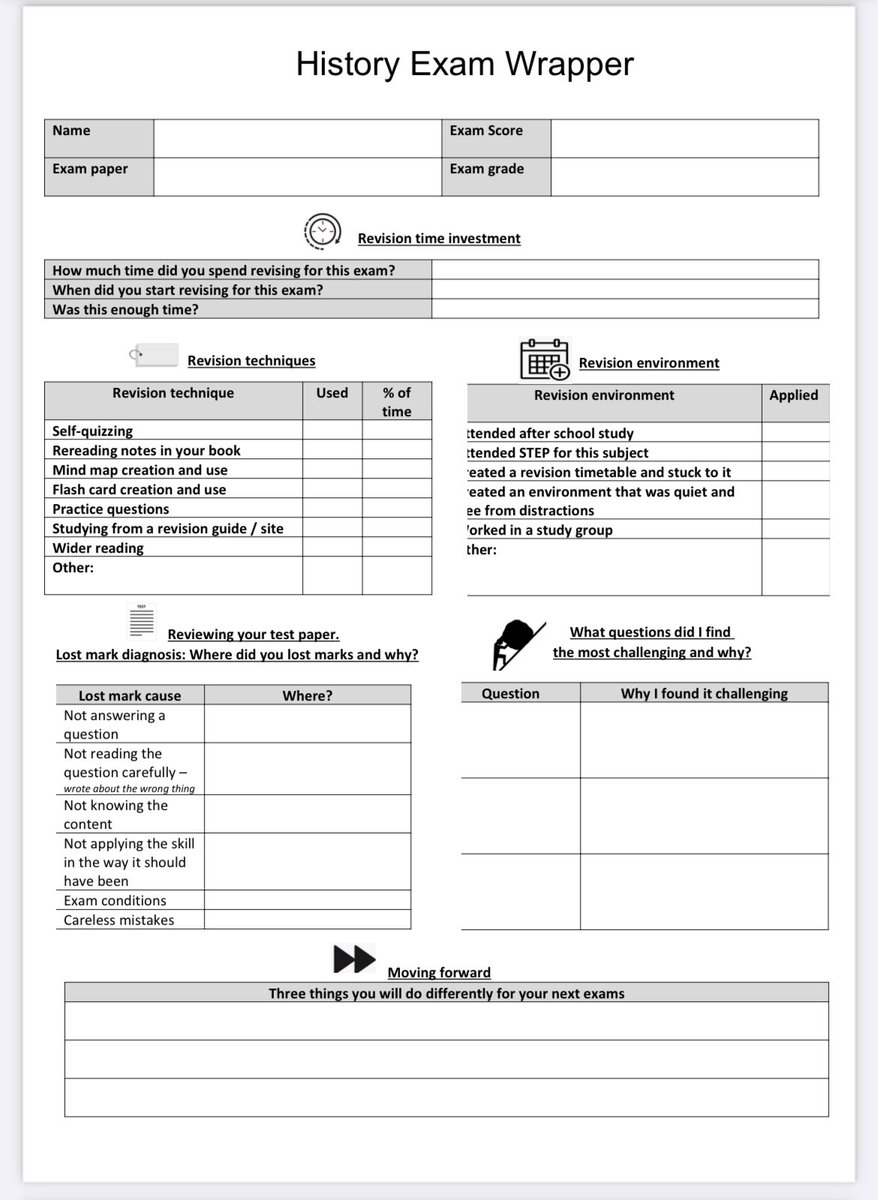
T @lamb_heart_tea's Ss get two opportunities to reflect on their study strategies: one before the exam and one after!
https://t.co/9wPAmjqCjP
#BiteSizedPD
Some news: Alongside my (amazing) co-authors @EricaWoolway & @ColleenDriggs I've just finished a new book, "The TLAC Guide to the Science of Reading." Here's a bit more about it:
I created this padlet that is full of 63 free adolescent literacy resources from PaTTAN. I offered it freely, no barriers, as I do ALL of my padlets and wakelets weeks ago. You can access it in full here: https://t.co/gmPzqMgMBz
@LauraMcGowen3@eduleadership I appreciate the references to 95% but always understood them to be mainly aspirational (and drawing from small studies) instead of evidenced with replication or scaling in actual classrooms... is there actually any robust evidence for 95% across classrooms?
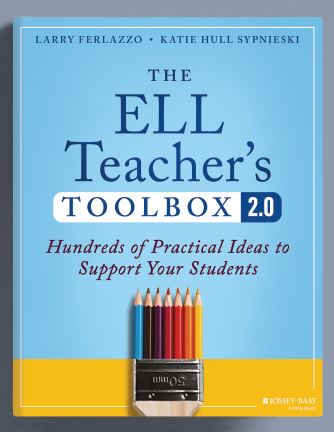
. @KHullSyp and I are spending our Thanksgiving break going over the galley proofs of the second edition of The ELL Teacher's Toolbox. Look for it next March! You can pre-order it here: https://t.co/nuunQSBfwN
Many of you might be aware that I've been posting annual "Best" lists since 2010 covering many different education-related topics. I'll start sharing 2024's lists soon, but in the meantime you might or might not want to peruse all the past lists here https://t.co/tJ27dQCRUV
Are you having trouble meeting the needs of ALL of your readers? 💙
8th grade teacher, Emily Jaskowski, developed a fluency small group protocol that helped ALL of her students improve! 💯
Listen to Emily talk about this in our latest podcast episode 🎧https://t.co/0LpJXanXwC
@Parents4RJ@reading_league I trust that folks retweeting this know that stages of grief work cited here was based on case-studies from the 60s that haven't held up to replication and may be better understood as a bit of a myth. Lots of citations and discussion available via a quick google search.
@FaithBorkowsky@BoksnerJudy@devin_kearns IMO this goes well with Ep 61.
Re comments about how research extrapolations can be mistakenly interpreted as evidenced reminded me of how researchers can do this too. (e.g.: current push for sound walls). A good reminder to read/consume critically.
Thx for pulling together!
@burnsmk1@amandavande1 I'm not questioning this but do have a tough time making sense of the different assertions I hear about the value of thinking about instructional level this way (I'm assuming something like 90% accuracy) and assertions to use grade level text with scaffolds instead...
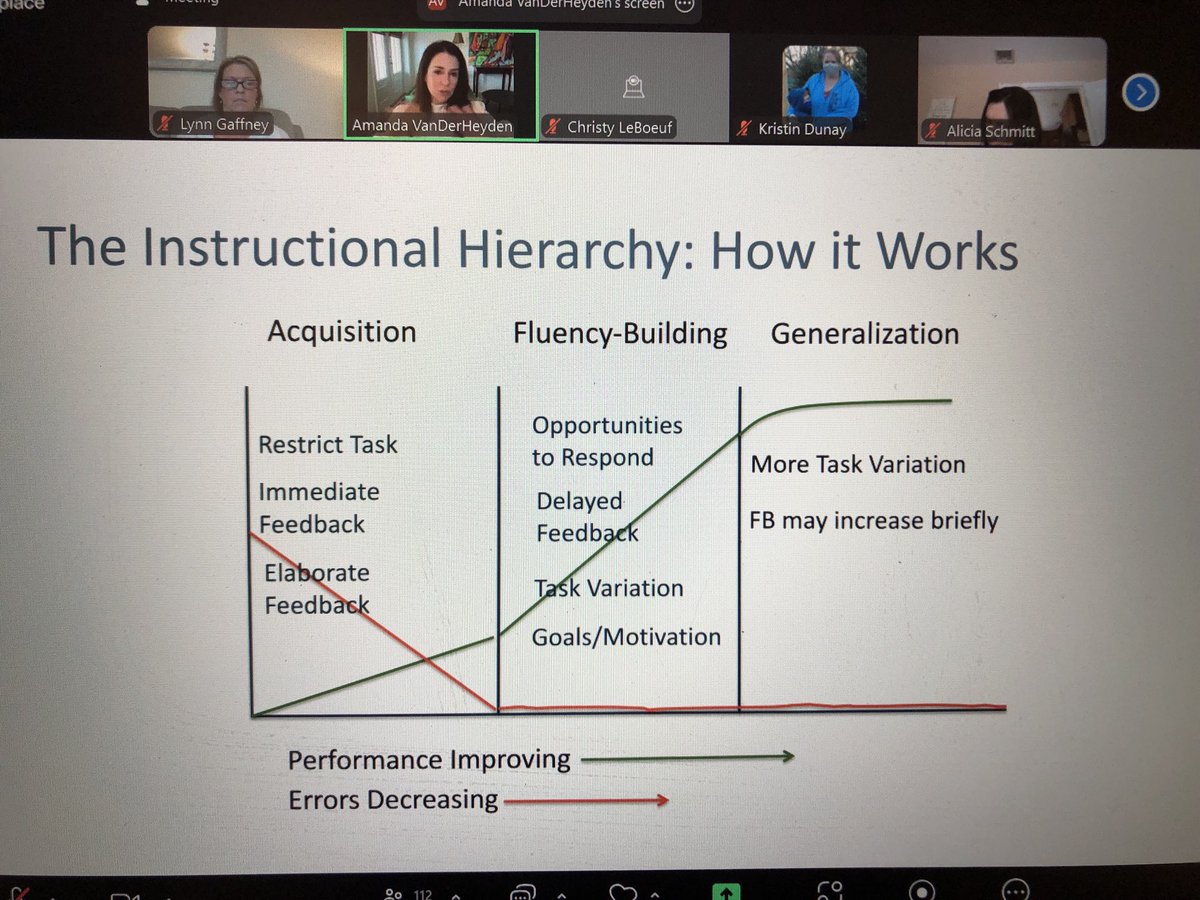
When you give students the "right" task difficulty in instruction, engagement & completion goes up. When math ed trainers act like an interesting task is what accounts for engagement, they are missing a really important ingredient which is child proficiency. Gickling & Armstrong 1978
https://t.co/lvaTdjj579
New tip sheet! ELL Tips for History & Social Studies Teachers
This is the first installment of a new tip sheet series. We'd love to know what you think! | https://t.co/LaBILGMBxf
@NCSSNetwork#ELL#ELLchat#MLL#MLLchat
Academic jargon is suffocating your understanding of concepts.
Your writing lacks depth because you don't understand these terms.
I've got your solution:
Repost & reply 🎓
I'll DM you this handy guide in Google Sheets to explain scientific terminology (must be following).