At a Glance: Viksit Bharat Shiksha Adhishthan Bill, 2025
The Bill introduces a simplified, future-ready framework for higher education governance in India by establishing a single system for minimum academic standards, replacing multiple legacy regulators, and strengthening institutional autonomy, accreditation, and quality assurance.
With a technology-driven, transparent regulatory process, it promotes multidisciplinary learning, research, and innovation in line with NEP 2020, supporting globally competitive, outcome-oriented HEIs.
#TransformingHigherEducation
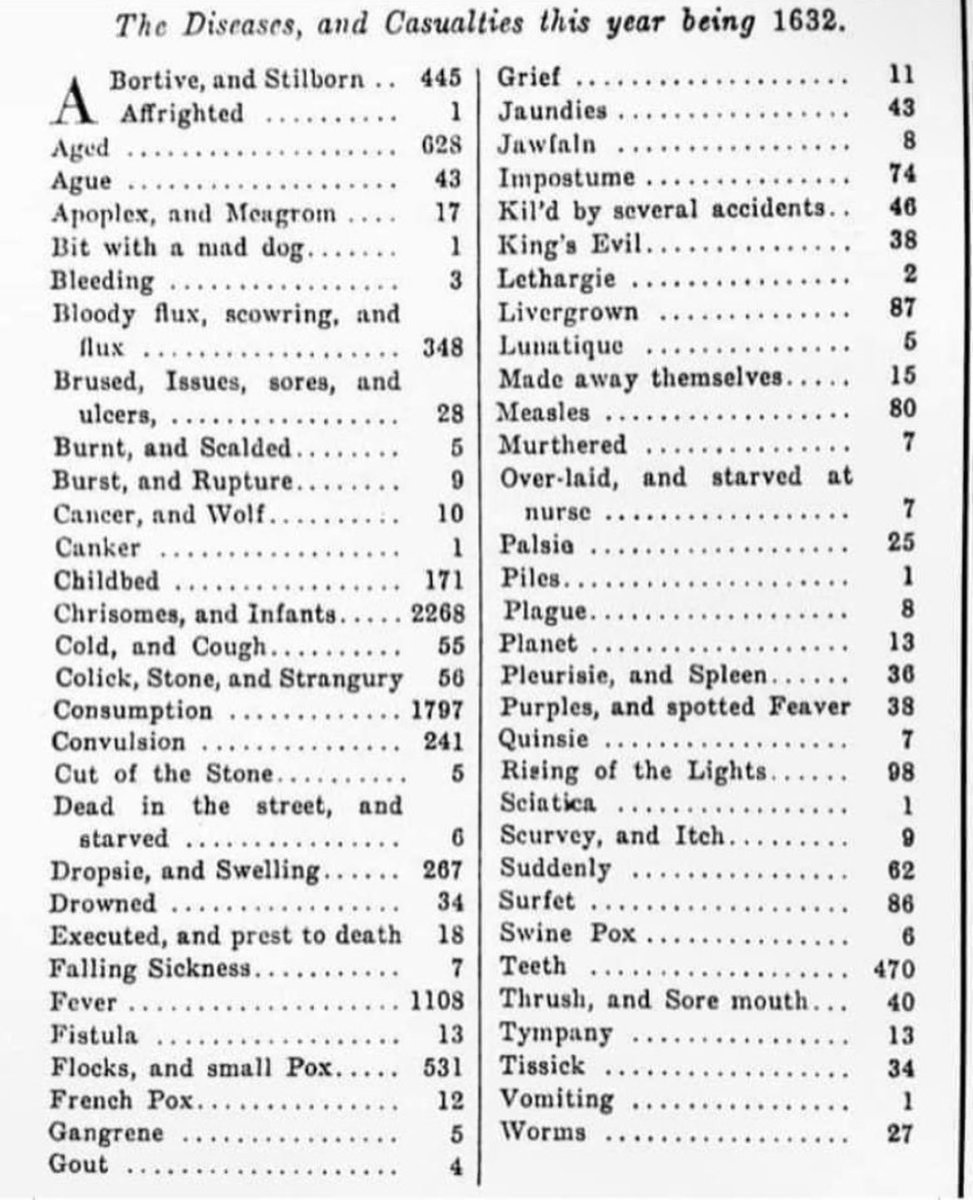
Causes of Death in London - 1632.
During the early 17th century in London, various factors contributed to the mortality rates among its inhabitants. One belief held by many medical practitioners was the influence of planets on health and mental well-being. Those deemed "planet-stricken" were believed to have fallen under the malevolent forces of certain planets, exhibiting symptoms resembling aneurysms, strokes, and heart attacks.
Another significant cause of death was Consumption, now known as Tuberculosis, caused by bacteria primarily targeting the lungs. By the turn of the 20th century, it had become the leading cause of death in the United States.
The King's Evil, also known as scrofula, was a tubercular infection affecting the lymph glands in the throat. People believed that being touched by a monarch could cure this ailment, but between 1629 and 1660, it still resulted in an average of approximately 30 deaths per year.
Deaths caused by the removal of kidneys, referred to as 'Cut of the Stone,' were also recorded in the city during this period.
Moreover, dental infections posed a significant health risk during the 1600s. Listed as the fifth or sixth leading cause of death in London, they continued to be a serious concern up until 1908 when they still resulted in fatal outcomes for 10 to 40 percent of those affected.
As society progressed and medical knowledge advanced, the understanding and management of these causes of death improved, leading to a decline in their prevalence over time.
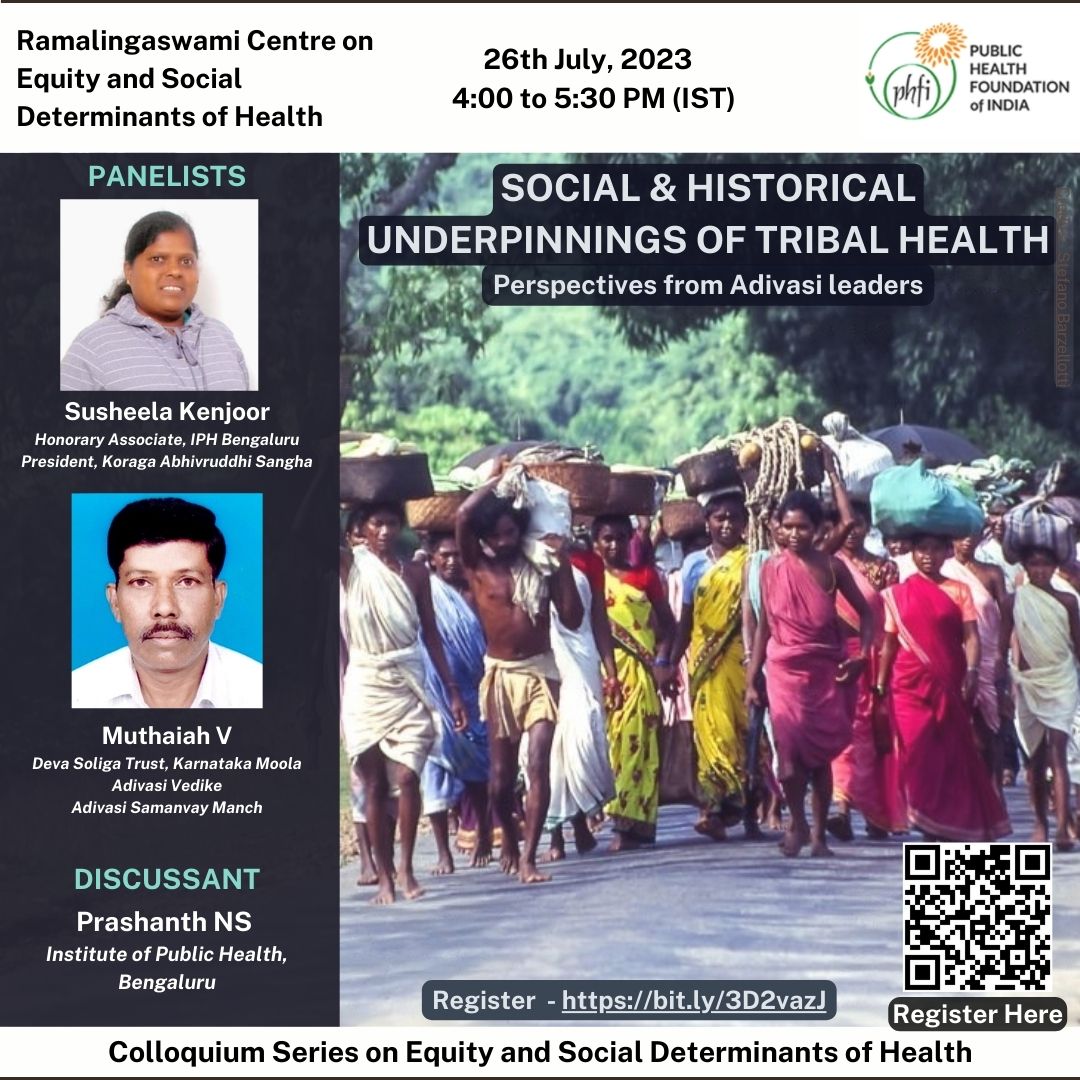
Today at 1630 hrs I The Ramalingaswami Centre on Equity and Social Determinants of Health, invites you to attend our monthly colloquium series on 26th July 2023, 4 - 5:30 pm, titled The Social and Historical Underpinnings of Tribal Health. Registration https://t.co/4Fhh6WMmlZ
Climate crisis
Pandemics
Drug-resistant infections
Noncommunicable diseases
Inequality
If you look at all the challenges of our lifetime, they are all transnational. No country on their own will be able to solve them, says WHO's new Chief Scientist @JeremyFarrar at #WHA76.
Dr. Gaurang shah, very eminent Neuroradilogist at Michigan, USA & my classmate, is given a Gold medal by Michigan radiological society. Editor of couple of books and principal writer of many publications. Still a very humble & extremely helpful human being. Congratulations GV