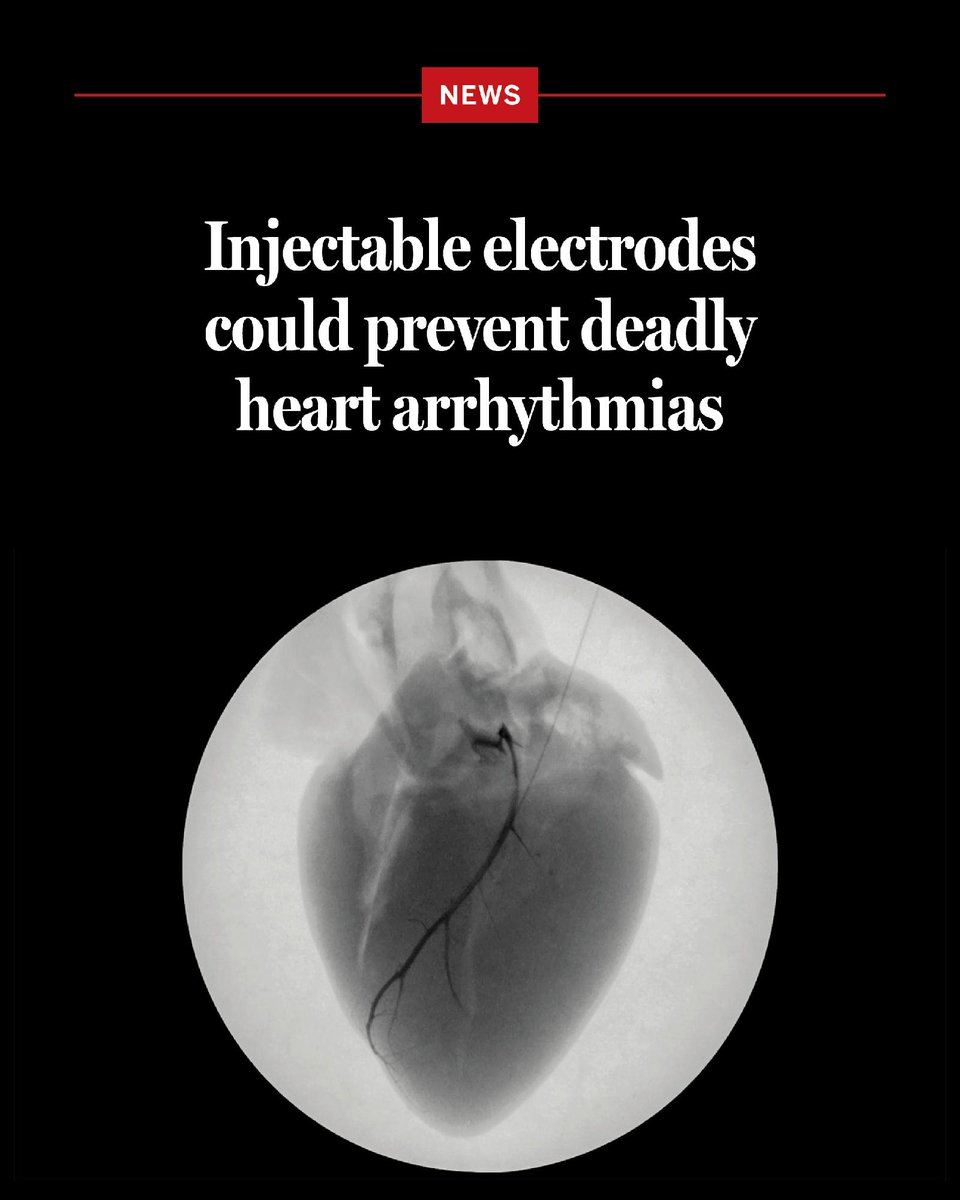
Heart attacks and strokes triggered by electrical misfiring in the heart are among the biggest killers on the planet.
In 2022, researchers created a “liquid wire” that, when injected into pig hearts, can guide the organs to a normal rhythm. Learn more: https://t.co/5sbdACBdrM #ScienceMagArchives
🚨 DRISCOLL’S WHISTLEBLOWER SPEAKS OUT ABOUT PESTICIDE OVERUSE ON BERRIES
David Harada was Driscoll’s Manager of Food Safety and Regulatory Compliance. His job was to make sure the berries families were buying met pesticide safety standards.
Now he is blowing the whistle.
Harada says he began finding problems with pesticide over-application on Driscoll’s growers’ crops and repeatedly brought his concerns to management.
But according to his lawsuit, instead of asking how they could fix the problem, a director asked whether the company had “plausible deniability.”
Harada also said that Driscoll’s removed pesticide compliance safeguards from its internal system — safeguards designed to make sure enough time passed between pesticide application and harvest so residues could break down.
He says he continued raising concerns and ultimately faced retaliation.
This is why Moms Across America continues to insist that food safety cannot be left to corporations to police themselves.
Berries are some of the most frequently consumed foods by our children. Our children are eating berries drenched in pesticides that are over the already too high safety limits set by our EPA.
سبحان من علمه كيف ينسج ☝️
يُطلق عليه أيضاً اسم الطائر النساج؛ وذلك بسبب براعته المذهلة وقدرته الفطرية العالية على حياكة ونسج أعشاش معقدة وهندسية للغاية باستخدام ألياف النباتات وأوراق الأشجار كالموز والنخيل.
#طائر_النساج_الاسيوي 🦜
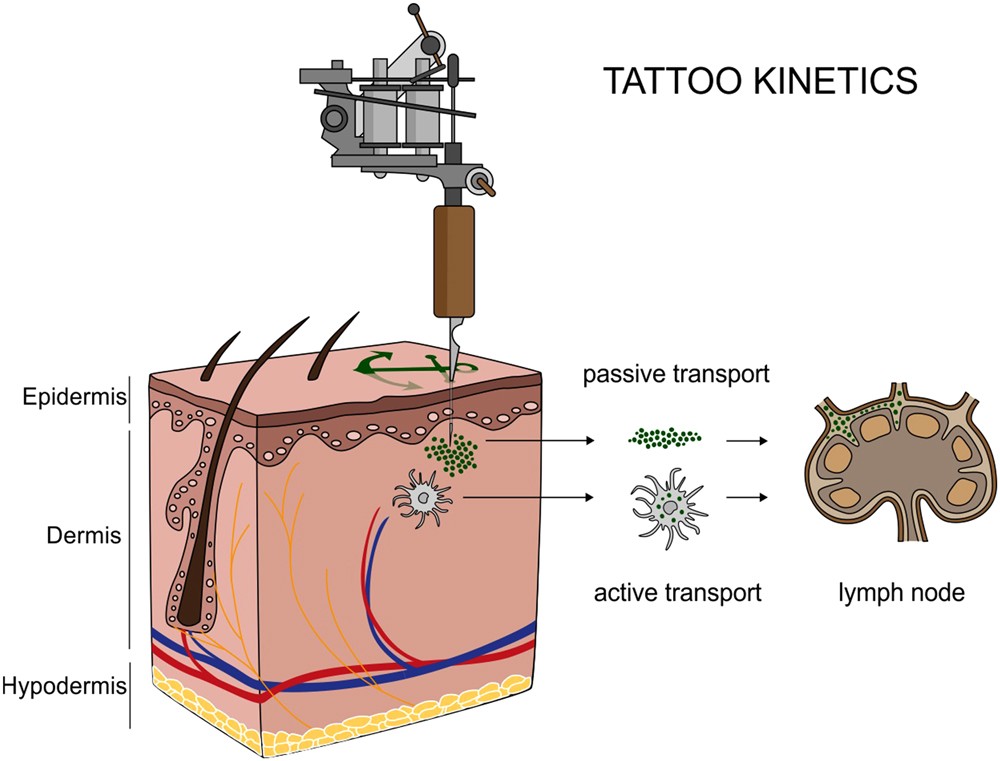
Tattoo ink may trigger chronic immune effects, while laser removal can break some pigments into carcinogenic compounds.
Tattoos were associated with 21% higher lymphoma risk. With laser removal, the risk was ~199% higher.
You lost more than half your deep sleep before you turned 25.
A 5-year-old gets about three hours a night. A 25-year-old gets about 74 minutes. An 85-year-old gets about 22 minutes, with nearly two hours lying awake in bed. @WilliamWallace made this video from 65 sleep studies.
What about the fixes people sell for deep sleep?
Sleep labs have tested most of them, usually in people around 60:
-> Magnesium: about 6 extra minutes, in a 2002 study of 12 people.
-> Glycine and melatonin: no added minutes.
-> Timed pink noise: bigger deep-sleep waves, but no extra time.
-> Blue-blocking glasses: one lab test in 13 teenage boys found no change.
-> Red light: I found no lab tests.
-> Best evidence: CBT for insomnia, a talking therapy, raised deep sleep in 46 adults averaging 61 and beat a sleeping pill.
But age may not explain the whole curve.
Studies of people over 60 alone did not find a clear drop in deep sleep. And the relationship goes both ways: one night of disrupted deep sleep raised amyloid, the Alzheimer's protein, in healthy adults, while in older adults a shrinking brain goes with weaker deep sleep.
Bottom line: if someone says they can give you those minutes back, ask for one number.
How many minutes of deep sleep did it add in a sleep lab in people your age?
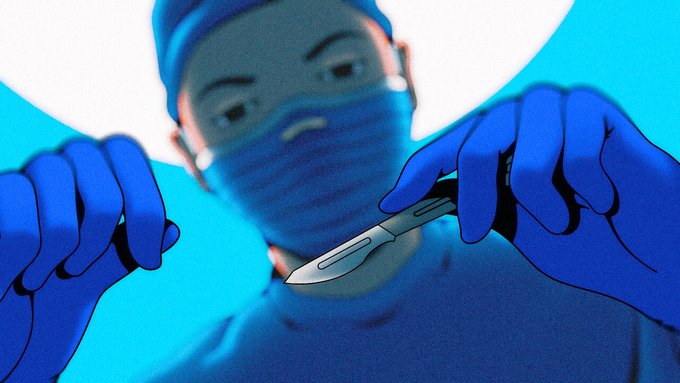
A growing body of evidence suggests millions of surgeries performed each year are unnecessary. They cause needless physical pain and financial stress—and are a terrible waste of resources
Just 5 infections are responsible for more than 2 million preventable cancer cases each year, accounting for one in eight diagnoses worldwide.
A new study from the World Health Organization’s cancer agency shows that one in eight cancer cases diagnosed globally is caused by preventable or treatable infections.
Published in The Lancet Oncology, the research indicates that roughly 12% of all new cancer cases in 2024, about 2.3 million cases, were directly linked to infectious pathogens. Instead of traditional lifestyle factors such as smoking or sun exposure, these diagnoses stem from common biological agents.
Experts emphasize that a vast majority of these cases could be entirely avoided through existing vaccines, timely screenings, and standard medical treatments.
At the heart of this global health challenge are five primary pathogens responsible for nearly all infection-related cancers. The stomach bacterium Helicobacter pylori leads the list, causing an estimated 760,000 cases of gastric cancer, closely followed by human papillomavirus (HPV) with 750,000 cases.
Hepatitis B and C viruses continue to drive high rates of liver cancer, while Epstein-Barr virus, recently linked to a broader spectrum of stomach cancers and lymphomas, accounts for 260,000 cases.
By expanding access to HPV vaccinations, hepatitis treatments, and antibiotic therapies, public health officials could sharply reduce the global cancer toll.
[Rumgay, H., Georges, D., Huang, Y., Hirabayashi, M., Shah, R., de Martel, C., et al. (2026). Global burden of cancer attributable to infections in 2024: a worldwide incidence analysis. The Lancet Oncology. DOI: 10.1016/S1470-2045(26)00307-4]
You train to protect your mitochondria from aging. And it works. Exercise preserves mitochondrial energy production into your 90s. But a 2025 study by @GGouspillou and colleagues reveals there's a second mitochondrial function that declines with age no matter how much you exercise.
Gouspillou and his colleagues at Université du Québec à Montréal divided 139 men aged 20 to 93 into active and inactive groups. They measured physical performance, muscle composition, and three critical mitochondrial functions: energy production, free radical generation, and calcium handling capacity.
The conventional wisdom says mitochondria wear out with age, becoming a leaky metabolic engine that produces more oxidative stress and becomes less capable of taking nutrients and converting them into ATP.
Direct measurement across 73 years of aging shows that's not necessarily correct.
Mitochondrial energy production stayed completely stable in active participants from their 20s through their 90s.
A 90-year-old who stayed active had mitochondria that produced energy like a 20-year-old. Inactive individuals showed declining energy production, but it tracked with how little they moved, not how many years they'd lived.
When normalized to mitochondrial content, the differences disappeared entirely. The study suggests that aging doesn't break energy production. Physical inactivity reduces how many mitochondria you maintain. Each individual mitochondrion works just as well at 90 as at 20.
Free radical production, blamed for decades as an aging driver, showed no increase with age. Active participants actually produced more free radicals than inactive individuals while displaying superior strength and performance. The free radical theory of muscle aging didn't hold.
The study had some interesting headlines:
• Physical activity protects performance across the lifespan but doesn't completely prevent age-related decline
• Mitochondrial energy production depends on activity level, not chronological age
• Free radical production remains stable with aging and reflects mitochondrial health, not damage
• Mitochondrial calcium handling capacity drops sharply after age 60 in both active and inactive individuals
• Reduced calcium handling correlates with lower muscle mass, strength, and performance
• Deterioration accelerates dramatically after 60 rather than declining gradually
The calcium handling finding represents the first mitochondrial function that deteriorates with aging regardless of exercise. Mitochondria normally act as calcium buffers, absorbing excess calcium to keep cells functioning properly. When this buffering capacity fails, a protective channel called the permeability transition pore opens too easily.
Think of it like a circuit breaker that's supposed to trip only during emergencies but starts tripping at lower and lower thresholds. When the pore opens prematurely, stored calcium floods back into the cell, triggering a cascade of damage.
This calcium release activates pathways that break down muscle protein faster than the body builds it back up. It generates bursts of oxidative stress that damage cellular components. It releases mitochondrial DNA that the immune system mistakes for bacterial invasion, triggering inflammation.
Each pathway drives muscle loss without requiring energy failure. The mitochondria still produce ATP normally. They've just lost the ability to prevent calcium from activating destructive programs that eat away at muscle tissue.
The study measured calcium handling by exposing muscle mitochondria to calcium loads and tracking retention. Both active and inactive participants showed declining capacity, but the pattern matters. Calcium handling remained relatively stable from ages 20 to 60, then dropped sharply after 70.
Calcium retention capacity correlated with thigh muscle mass, knee strength, walking distance, and mobility performance. It also correlated with GDF15, a stress molecule that rises with aging and predicts worse health outcomes. This suggests calcium handling directly influences muscle health and systemic aging markers.
Physical activity protected functional performance. Active participants outperformed inactive individuals on strength and mobility tests across all age groups. But both groups showed age-related declines. Exercise delays deterioration but doesn't eliminate it.
Muscle fiber composition revealed how activity and aging affect muscle differently. Active young adults had more type I endurance fibers that stayed stable across decades. Inactive individuals showed fiber type changes suggesting nerve disconnection from muscle that active individuals avoided.
Intermuscular fat, the marbling that accumulates in muscle tissue, increased with aging in both groups. But physical activity provided protection in later decades. Older active individuals had less fat infiltration than older inactive individuals, though the protective effect only emerged after years of consistent activity.
The implications challenge decades of research direction. Drug development targeting mitochondrial energy production in aging muscle produced zero effective treatments. This study suggests those efforts addressed the wrong problem. Energy production itself doesn't decline with healthy aging.
Calcium handling deterioration appears to be the actual mechanism driving muscle loss.
Restoring calcium buffering capacity or preventing the permeability transition pore from opening prematurely may represent more effective intervention points than trying to boost energy production or mitochondrial numbers.
There are some limitations that stand out when you read the paper:
First, only men participated. So findings may not apply equally to women.
Participants were relatively healthy community-dwelling adults, not people with severe muscle wasting. The design prevents establishing whether calcium handling failure causes muscle loss or just accompanies it.
With that being said, the data fundamentally reframe what aging does to muscle. Energy failure on per mitochondria level isn't the driver in healthy aging. Inactivity reduces mitochondrial numbers while aging leaves energy production intact. The exception, calcium handling deterioration occurring regardless of activity, appears to be where aging actually operates.
In 2008, Malcolm Gladwell explained why some people succeed and some don't in a single 1-hour talk.
This will permanently change the way you think about talent, effort, and success.
Bookmark & watch today, no matter what.
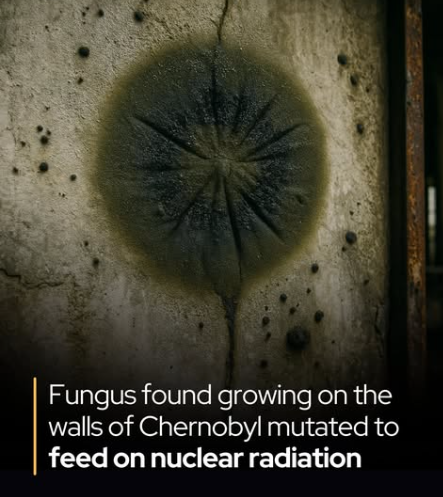
A black fungus feeds on radiation in Chernobyl.
In the radioactive ruins of Chernobyl’s Reactor 4, scientists found an extraordinary black fungus, Cladosporium sphaerospermum, thriving in one of Earth’s most toxic environments.
Rather than merely enduring radiation, this fungus seems to harness it through radiosynthesis—a process akin to photosynthesis but driven by gamma radiation, converting it into chemical energy. It’s among the rare organisms capable of this feat.
Even more remarkable, when tested on the International Space Station, the fungus flourished, forming a biofilm that blocked up to 84% of cosmic radiation, hinting at its potential as a living radiation shield for astronauts. With radiation posing a major hurdle for deep-space missions to Mars and beyond, this self-regenerating biological layer could revolutionize spacecraft design by replacing heavy, bulky shielding.
On Earth, researchers are exploring its use in bioremediation to detoxify radioactive sites too hazardous for humans, potentially transforming nuclear disaster recovery. As one scientist put it, “It’s like nature crafted a biological radiation shield.” From Chernobyl’s ruins to space, this humble fungus could help humanity thrive in the universe’s harshest environments.
Continuous positive airway pressure (CPAP) is the best-known treatment for sleep apnea, a disorder that raises the risk of high blood pressure and other health problems. A new study suggests that using a mandibular advancement device (MAD) is just as effective as CPAP for reducing blood pressure in people with sleep apnea at risk for cardiovascular disease. #HarvardHealth
https://t.co/nGb8RTcCrX




![Rainmaker1973's tweet photo. Just 5 infections are responsible for more than 2 million preventable cancer cases each year, accounting for one in eight diagnoses worldwide.
A new study from the World Health Organization’s cancer agency shows that one in eight cancer cases diagnosed globally is caused by preventable or treatable infections.
Published in The Lancet Oncology, the research indicates that roughly 12% of all new cancer cases in 2024, about 2.3 million cases, were directly linked to infectious pathogens. Instead of traditional lifestyle factors such as smoking or sun exposure, these diagnoses stem from common biological agents.
Experts emphasize that a vast majority of these cases could be entirely avoided through existing vaccines, timely screenings, and standard medical treatments.
At the heart of this global health challenge are five primary pathogens responsible for nearly all infection-related cancers. The stomach bacterium Helicobacter pylori leads the list, causing an estimated 760,000 cases of gastric cancer, closely followed by human papillomavirus (HPV) with 750,000 cases.
Hepatitis B and C viruses continue to drive high rates of liver cancer, while Epstein-Barr virus, recently linked to a broader spectrum of stomach cancers and lymphomas, accounts for 260,000 cases.
By expanding access to HPV vaccinations, hepatitis treatments, and antibiotic therapies, public health officials could sharply reduce the global cancer toll.
[Rumgay, H., Georges, D., Huang, Y., Hirabayashi, M., Shah, R., de Martel, C., et al. (2026). Global burden of cancer attributable to infections in 2024: a worldwide incidence analysis. The Lancet Oncology. DOI: 10.1016/S1470-2045(26)00307-4]](https://pbs.twimg.com/media/HTjylOzWEAAQpB1.jpg)