Happy to share that our paper has been published 🎉in Theoretical and Applied Genetics.
This study examines the genetic basis of resistance to root-lesion nematodes in triticale and provides tools for cereal breeding programs.
📄 https://t.co/dEFQ7kBVTW
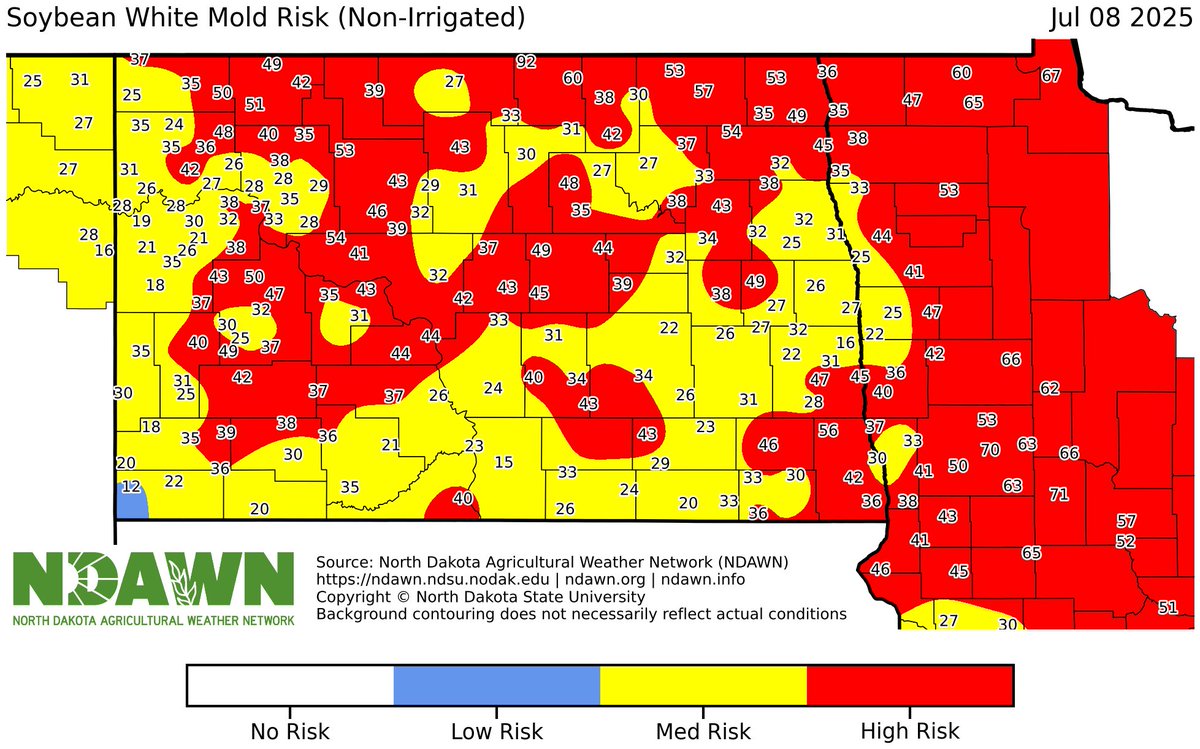
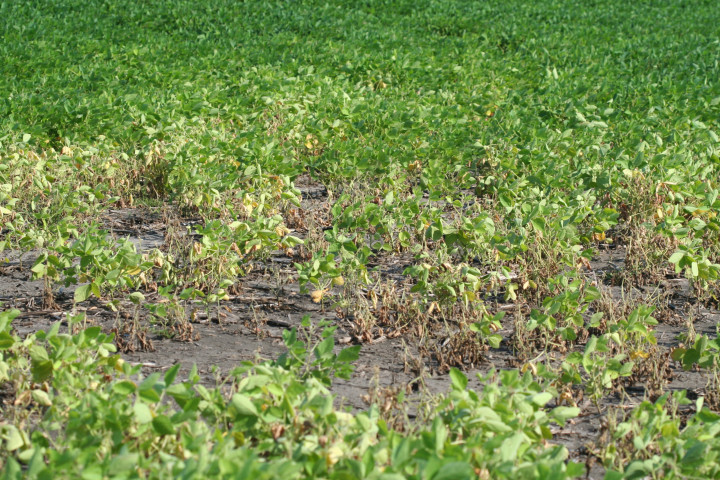
Lots of soybeans starting to flower across North Dakota. With cool temps and more rain in the forecast, risk for white mold is expected to continue climbing. Remember that canopy closure is incredibly important for the white mold apothecia to form.
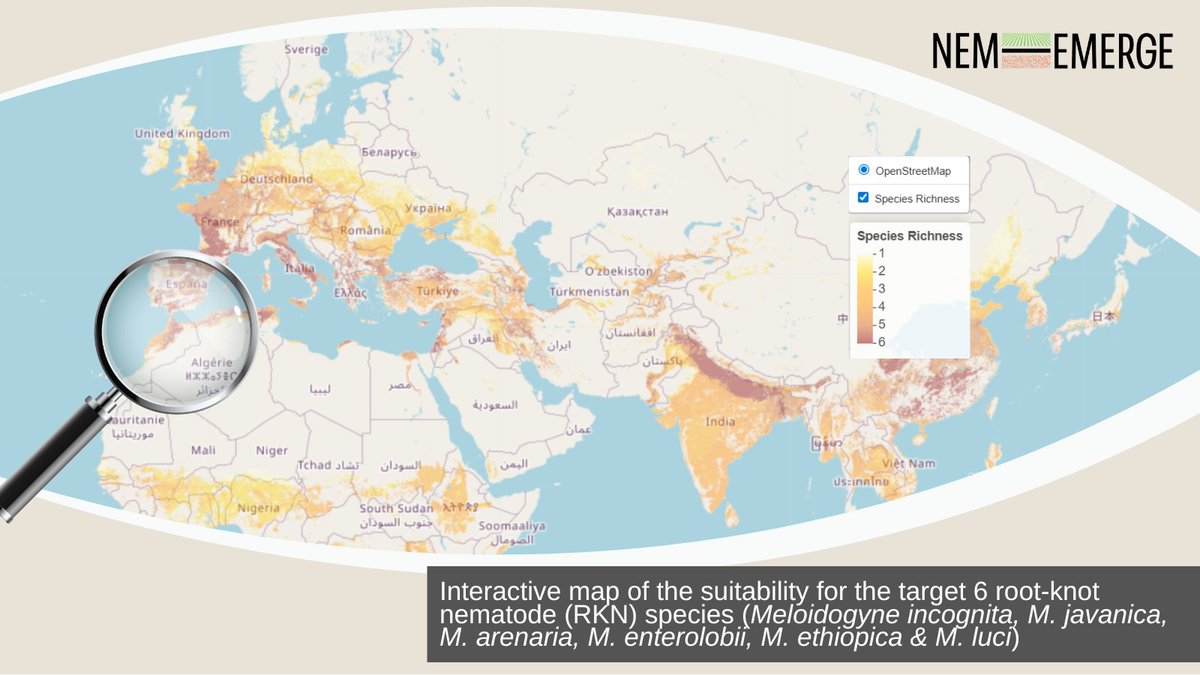
🔎 This #interactive#richness#map indicates the potential root-knot nematodes (#RKN) invasion risk or emergence risk🐛
➡️By Mohammed Dakhil & Dan Bebber @UniofExeter
To view the map🔗 https://t.co/sdl2OKEokm
More info at the #NEMEMERGE website🌐 https://t.co/dqW0B0Zuty
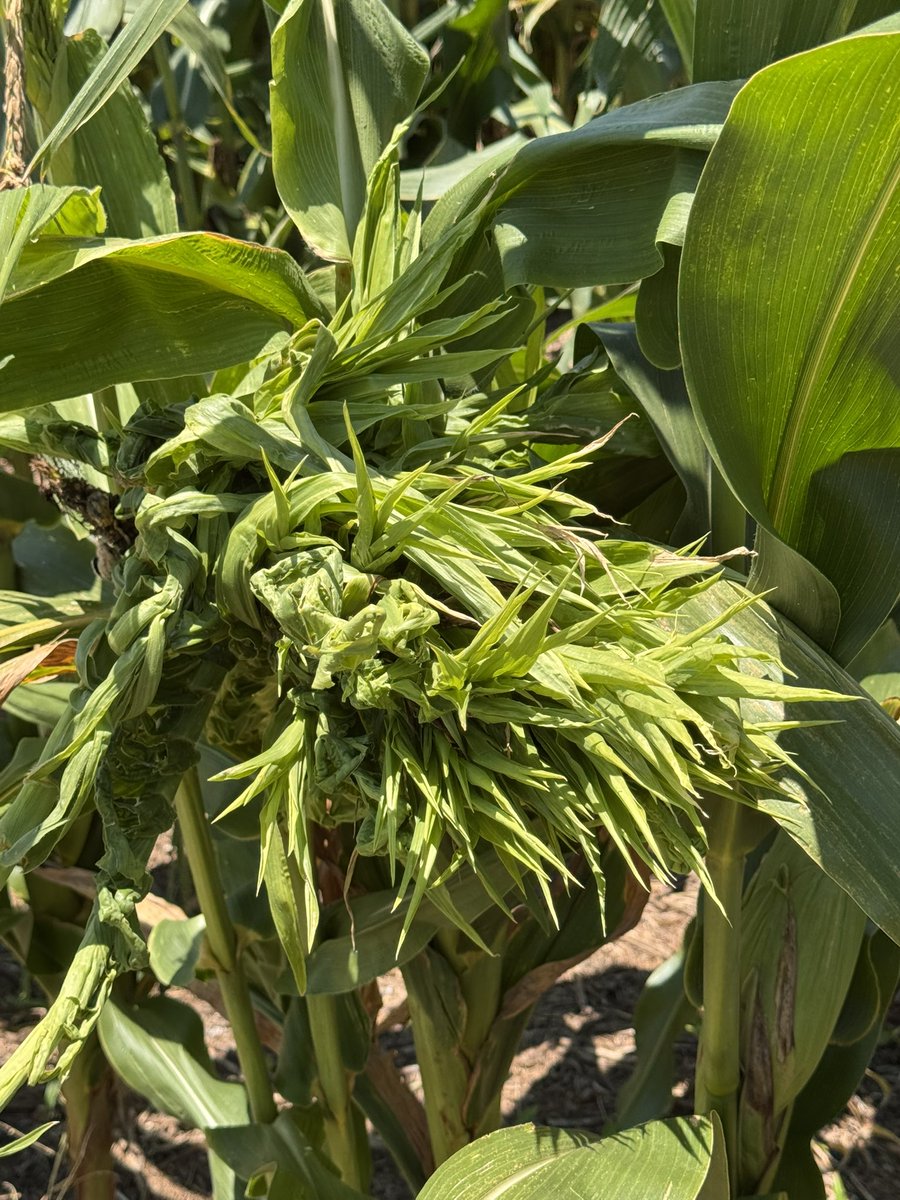
CRAZY TOP is a corn disease caused by an Oomycete pathogen. Symptoms include tillering & twisting of upper leaves. The tassel resembles a mass of leafy structures giving it a bushy appearance. Crazy top is more common in fields that are flooded early in the season @CropNetwork
Double-trouble on broccoli. Leaf symptoms of Alternaria leaf spot include round tan spots w/t concentric rings; often with a yellow halo & cracks in the middle. The V-shaped lesion at the leaf edge is Black rot, a common bacterial disease of Crucifers #Fungi#Bacteria#Gardening
Did you know that ectoparasitic nematodes were not considered damaging to plants until Florida nematologist Vernon Perry demonstrated sting nematode damage to celery and strawberry in 1950 (photo)? Fumigated on right, sting on left.
"If you're working non-stop all the time you will burn out."
How do you keep a healthy work-life balance as a scientist? Hear 2009 chemistry laureate Venki Ramakrishnan share his best advice on how to achieve a good work-life balance.
#NobelPrize
My manuscript on a novel detection method for the oak wilt pathogen is now available for First Look in @PhytopathologyJ@plantdisease
Thrilled to hear the feedback from homeowners, foresters, arborists, and diagnostic labs for this sampling method @NPDN
https://t.co/RPc2nlRMMe
🌱#NEMEMERGE will provide a spectrum of sustainable, science-based solutions for both the convensional & organic #farming sector based on the principels of Integrated Pest Management #IPM👇🏽
These solutions will be proposed based on #codesign with multiple actors🤝#nematodes
Black rot is a bacterial disease of Crucifer. The pathogen causes U-shaped lesions that are yellow then brown/necrotic. The stem can b/c infected causing plants to wilt. The bacterium is transmitted on seed/transplants. Copper fungicides may limit spread #Bacteria#Plantdisease
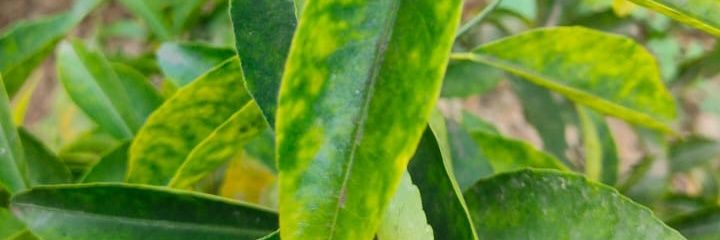
New root-knot nematode species 🔬 Meloidogyne limonae 🌿🪱 .Morphological and molecular characterisation of this new RNK, parasitising Citrus limon in Hainan Province, 🇨🇳. Infected lemon trees showed poor-quality lemons + weak growth.
Plant Disease https://t.co/0ySjG5a3co
A sting #nematode female recovered from a southern Georgia #cotton field. These nematodes are usually found in soils with at least 85% sand content and the damage threshold per 100cc #soil is very low - usually between 1-5 nematodes at fall sampling.
@activeplantnema