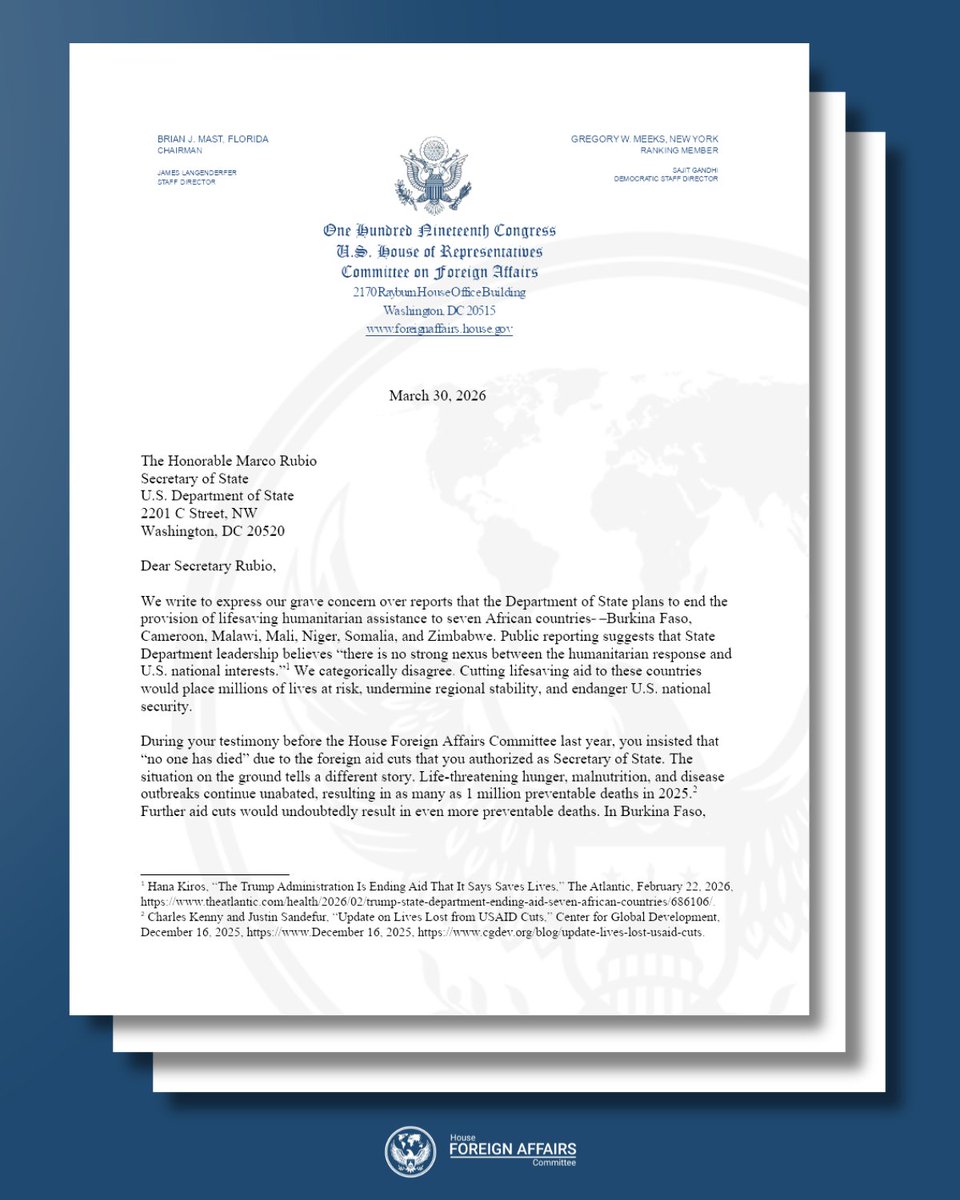
Ranking Members @RepGregoryMeeks and @RepSaraJacobs led Africa Subcommittee Democrats in a letter to Secretary Rubio warning against State Department plans to end lifesaving assistance to Burkina Faso, Cameroon, Malawi, Mali, Niger, Somalia, and Zimbabwe.
Read the letter: https://t.co/wEVejJ3GDe
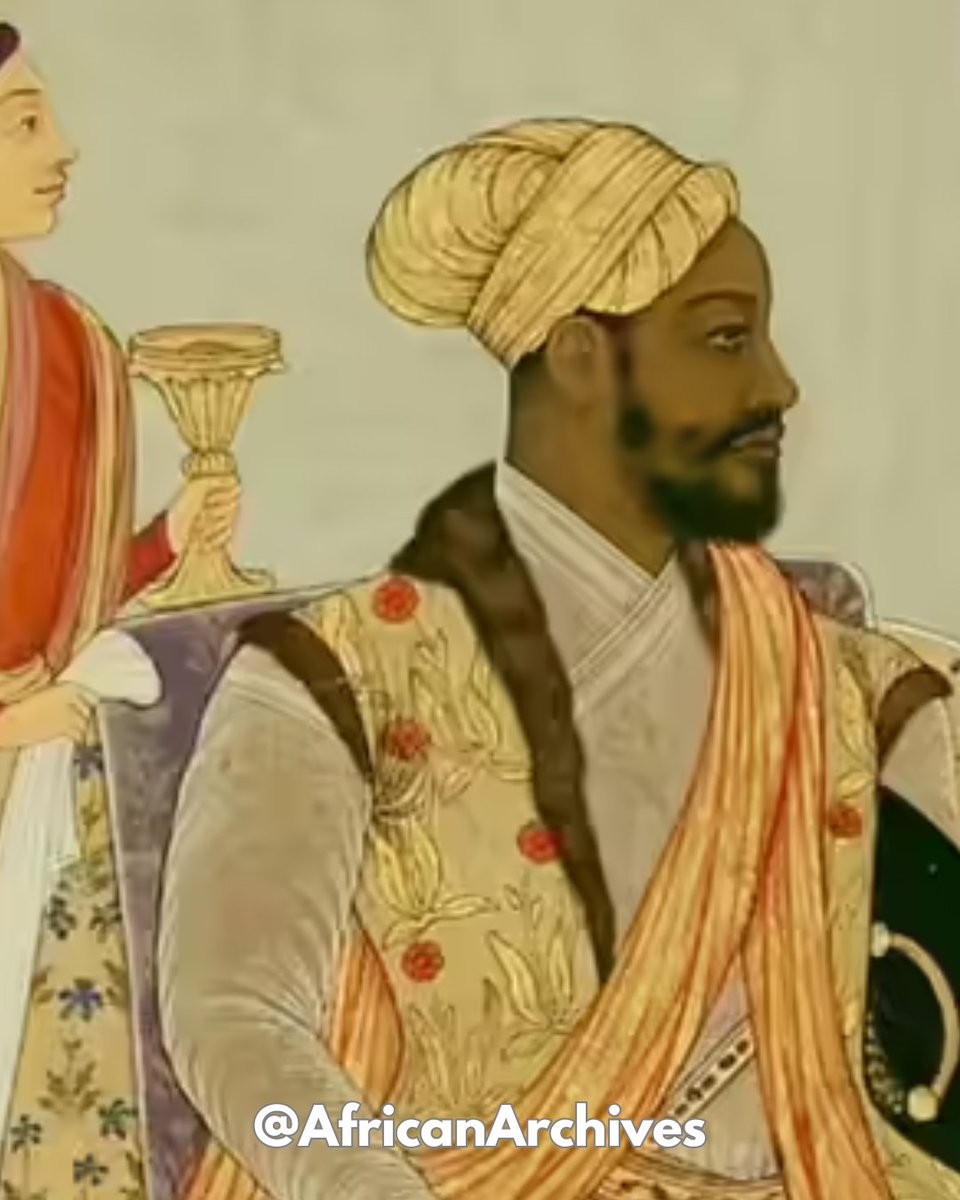
Malik Ambar, the Ethiopian who ruled in India as prime minister in the late 1500s.
Born in the late 16th century in what is now Ethiopia, Malik Ambar was captured as a child and sold through the Indian Ocean slave trade. He was taken to India, where Africans—often referred to as Habshis or Sidis—were commonly recruited into military service.
After gaining his freedom, Malik Ambar distinguished himself through intelligence, discipline, and leadership. By around 1600, he had risen to become the prime minister and regent of the Ahmadnagar Sultanate, effectively ruling the state on behalf of its young sultan.
Malik Ambar reorganized the kingdom’s administration, reformed its revenue system, strengthened defenses, and founded cities, including the settlement that would later become Aurangabad. He is especially remembered for his use of guerrilla warfare, which repeatedly frustrated and stalled the expansion of the powerful Mughal Empire. Mughal emperors wrote about him with open hostility—because they could not defeat him.
Despite being born enslaved, Malik Ambar became a kingmaker, general, and statesman whose authority reshaped politics in the Deccan for more than two decades. He ruled until his death in 1626, leaving behind a legacy that challenges narrow ideas about African history and global power.
Malik Ambar’s life is a reminder that African influence has never been confined to the continent—and that leadership can emerge from the most unlikely beginnings.
The Chairperson of the African Union Commission Calls for De-escalation and Respect for the Revitalized Peace Agreement in South Sudan.
The Chairperson of the African Union Commission, H.E. Mahmoud Ali Youssouf, expresses deep concern over the deteriorating security situation in parts of the Republic of South Sudan, particularly reports of escalating tensions and violence in Jonglei State, which have led to the displacement of large numbers of civilians.
The Chairperson is gravely alarmed by reports of inflammatory rhetoric and actions that risk inciting further violence and placing civilian populations, including women and children, at heightened risk. Such developments run counter to the letter and spirit of the Revitalized Agreement on the Resolution of the Conflict in the Republic of South Sudan (R-ARCSS).
H.E. Mr. Youssouf strongly condemns any calls for, or acts of, violence against civilians and reiterates that the protection of civilians remains a fundamental responsibility of all parties to the conflict.
While noting the continued public commitments by South Sudanese leaders to the peace process, the Chairperson expresses serious concern over ongoing violations of the Permanent Ceasefire and their adverse humanitarian impact.
The Chairperson @ymahmoudali calls upon all parties to exercise maximum restraint, immediately de-escalate tensions, and fully comply with their obligations under the R-ARCSS. This includes strict adherence to ceasefire arrangements, respect for agreed power-sharing mechanisms, and a return to inclusive, consensus-based decision-making.
The Chairperson further urges South Sudanese stakeholders to place the interests of the people of South Sudan above all other considerations and to resolve outstanding differences through dialogue and peaceful means, with a view to ensuring the successful completion of the Transitional Period.
The African Union reaffirms its unwavering commitment to supporting the people and Government of South Sudan in their pursuit of lasting peace, stability, and national reconciliation, and will continue to work closely with IGAD, the United Nations and international partners toward this objective.
Read @ https://t.co/lSwbFOCLTE