Convergence of KRAS Mutations and MTAP Loss in Pancreatic Cancer: Genomic Landscape and Clinical Implications | Clinical Cancer Research | American Association for Cancer Research https://t.co/tES3jRIlPi
In the @NEJM, hidden in the #ASCO26 flurry, is our letter highlighting response to first-in class approach to directly targeting beta-catenin:TCF interaction
Targeting of Wnt–β-Catenin Pathway in Recurrent Ameloblastoma | New England Journal of Medicine https://t.co/4FLXo5Gzlg
𝐎𝐧 𝐂𝐡𝐢𝐧𝐚: Regarding the China debate that has been raging here, a phrase I've heard asked many times is: "What if the next Keytruda comes from China?" Well, this morning I posed this Q to the developer of Keytruda, who has also been in licensing drugs from China lately.
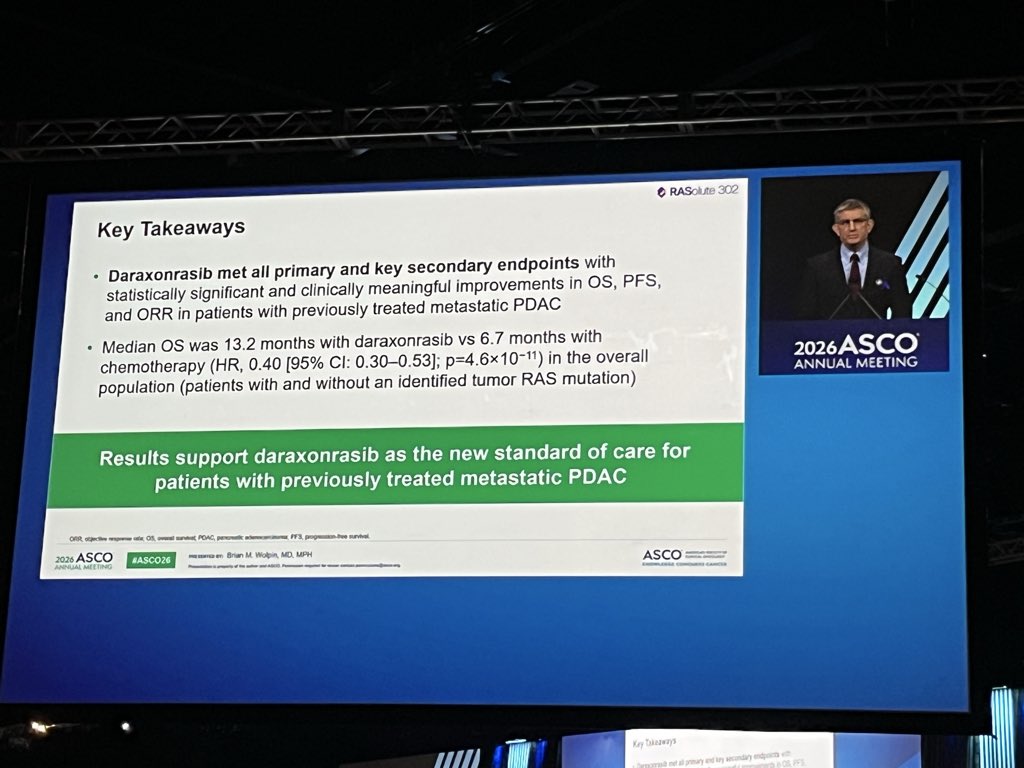
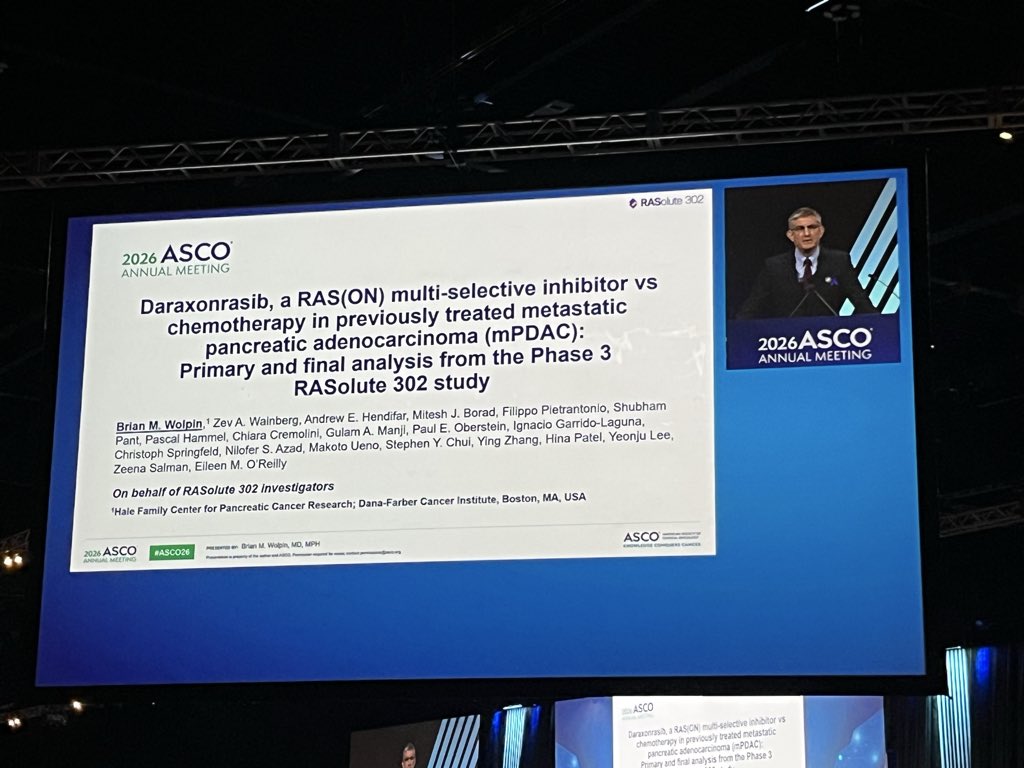
A historic moment at #ASCO26: more than 9,000 oncologists rose for three standing ovations as Brian Wolpin, MD, MPH, Director of the Hale Family Center for Pancreatic Cancer Research, presented promising new Phase 3 results for an investigational treatment for metastatic pancreatic cancer.
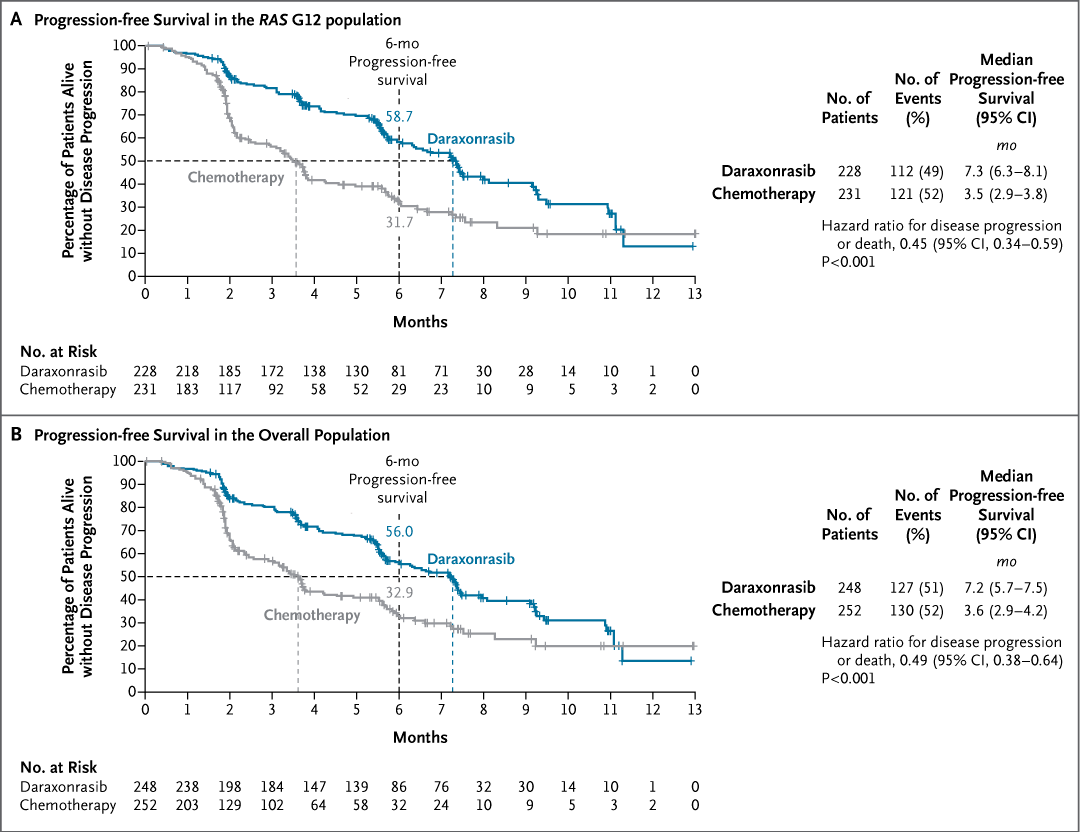
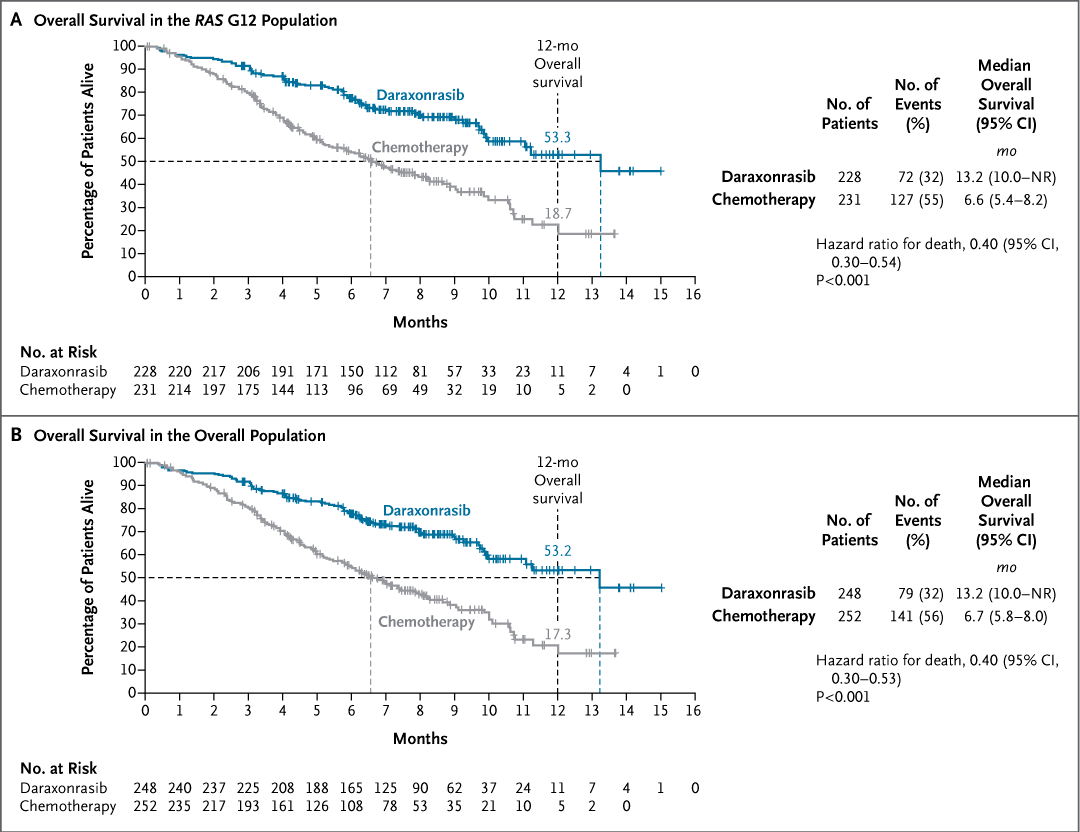
In the trial, daraxonrasib helped patients with previously treated metastatic pancreatic cancer live significantly longer than those who received chemotherapy.
While more work remains, these findings offer something powerful: hope for patients and families facing one of the most challenging cancers.
As Dr. Wolpin said, “It is exciting to see that we may soon be able to help patients with metastatic pancreatic cancer in ways we haven’t been able to before, improving both survival and quality of life.”
Congratulations to the researchers and patients who made this important progress possible. 👏👏👏
Video Courtesy: @asco
Original Article: Daraxonrasib or Chemotherapy in Previously Treated Metastatic Pancreatic Cancer (phase 3 RASolute 302 trial) https://t.co/y4G27hfORg
#ASCO26 | @ASCO
More exciting emerging #ASCO26 news for patients with TP53 R175H mutated, HLAA*02:01 restricted cancers shared by @DanaFarber_Hale investigator Rishi Surana.
No DLTs with clinically meaningful responses and time off systemic therapy, especially in #PDAC!
Thrilled and honored on behalf of the whole team, patients, scientific community and more- congratulations and good luck to @BrianWolpin this afternoon @MSKCancerCenter@DanaFarber@RevMedicines - next step is translate to practice!
The overall survival curves for Daraxonrasib in 2nd line advanced #PancreaticCancer leave no doubt how impactful this advance is for the field & for patients. Congratulations Brian Wolpin, @EileenMOReilly & @md_oberstein et al.
A seminal #ASCO26 plenary!
https://t.co/ub099PSsOq
Until now, physicians using AI in clinic had to assemble the patient’s context themselves. Allergies, comorbidities, medications, prior procedures, copy-pasted in from the chart.
Today we’re announcing a partnership with @CedarsSinai. OpenEvidence now works directly inside Epic, drawing on the patient’s full record and interpreting the medical literature through the lens of that specific patient.
Cedars-Sinai is the first academic health system to deploy patient-aware clinical intelligence at enterprise scale. The clinician asks a complex question in natural language. The answer reflects both the best available evidence and the patient in front of them.
Patient data is never stored after the clinical session or used for any other purpose.