Dad of 2 amazing daughters.
Bloomberg Distinguished Professor of Energy & Climate Justice, Johns Hopkins University. National Academy of Sciences; IPCC; pilot.
Sad indeed to hear.
Joe was passionate about energy and climate issues and was always very direct in his thoughts — agree with him on specific issues or not — he added so much to the conversation.
Plus, one of the best book titles ever, “Mortgaging the Earth”
It's stunning when you realize exactly how many things trump f*cked up in less than 2 years.
HILARIOUS when a song nails it perfectly.
THIS IS BRILLIANT!!!🔥🔥🔥
@UMESNews@1980Foundation@hbcu
Thank you for an amazing day on campus hearing about all the remarkable research opportunities for your students. Hope we can have some student collaborations with @JHUCaSE and @SAISHopkins!
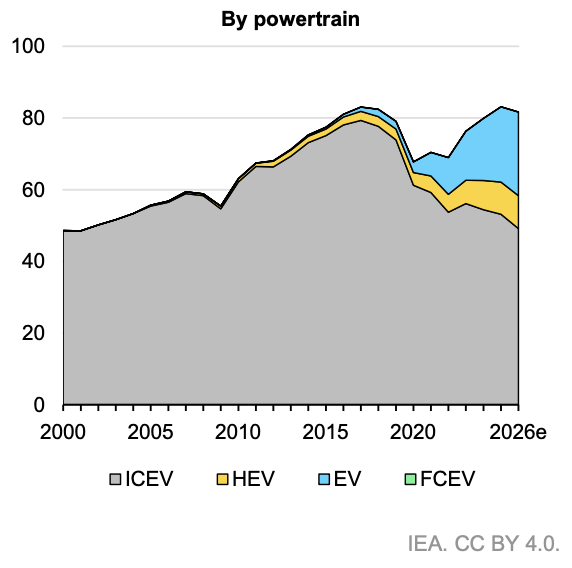
The amazing @MLiebreich posted half of the @IEA figure, but in the wider 'electrostate' vs 'petrostate' dialog, the full figure is even more interesting!
BTW, none of the solar power for EVs passes through the @ENERGY 'energy dominance'
@JohnsHopkins@UCBerkeley@HormuzLetter
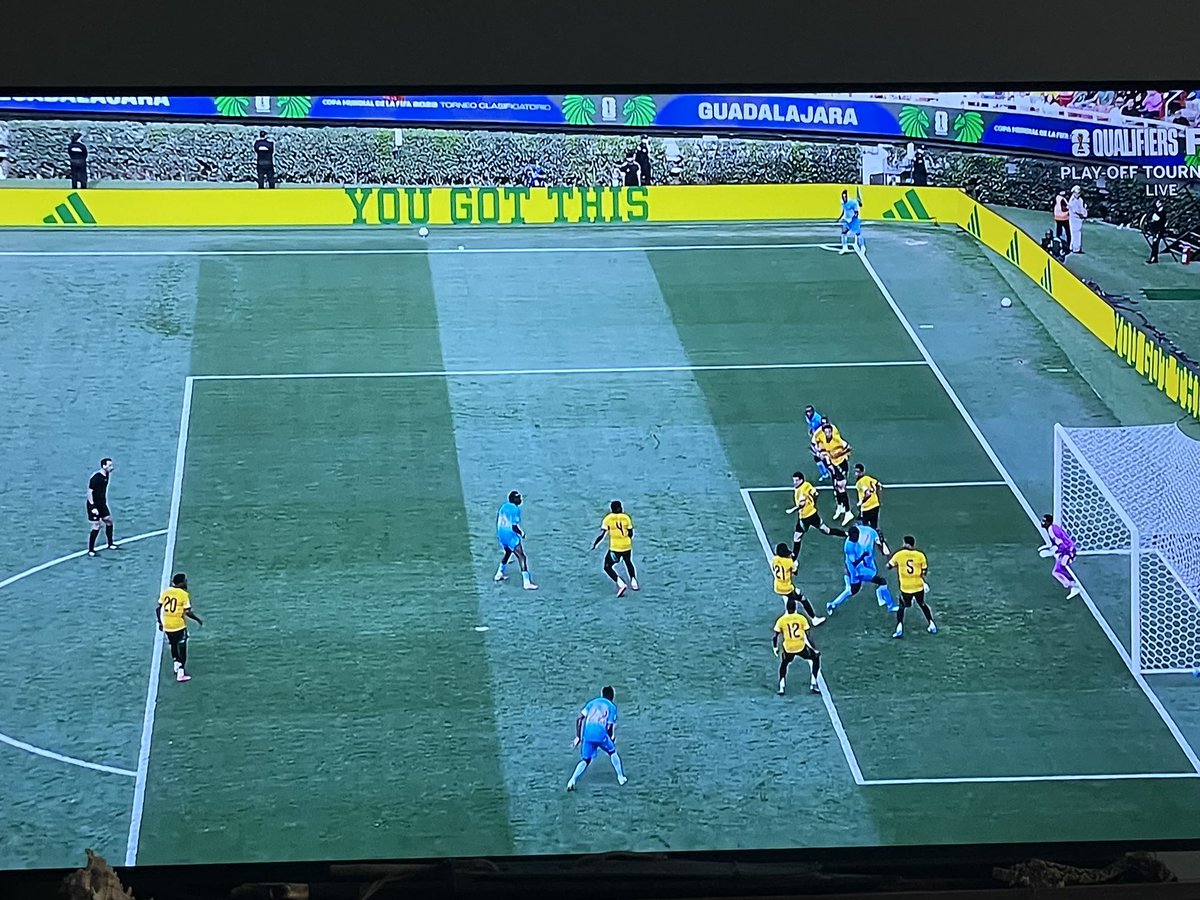
Agreed. The coach should have held @balogun out of @USMNT versus @BelFootGroup to show respect for the rules (the RedCard was incorrect, but two wrongs do not make it OK)
Sad performance on the field by @USMNT, but even less class off it by @WhiteHouse and, alas, @LoversPoch
Wonderful and important work by Dr. Chris Crespo with Alexandra Grayson on the distribution of energy insecurity across the USA.
Free to download for 50 days:
https://t.co/WDqic1VlYV
Energy Research & Social Science, 104797. https://t.co/a7thiz10d5
@ERGBerkeley@JohnsHopkins
We keep hearing "China added 78 GW of coal in 2025."
Left out, is that they also added approx:
☀️ 315 GW of solar
💨 119 GW of wind
🔋 66 GW of energy storage
In other words, while China added 78 GW of coal, it simultaneously added 434 GW of wind & solar plus 66 GW of storage.
The second thing often missed is the difference between capacity and generation.
Adding a coal plant does not mean it runs at full output all the time.
As renewables supply more electricity, coal plants can operate fewer hours each year. The capacity remains on the grid, but the electricity generated — and therefore emissions — can fall.
This is why China can add coal capacity while emissions flatten or decline.
The real questions are not:
❌ How many coal plants were built?
The real questions are:
✅ How much electricity did coal generate?
✅ What happened to coal's capacity factor?
✅ Are emissions rising or falling?
China appears to be building coal as insurance while deploying renewables and storage at unprecedented scale.
Capacity tells you what a system can do.
Generation and emissions tell you what it is actually doing. 📉☀️🔋
While the @WhiteHouse takes a @WWIIpix approach to being the world's largest #petrostate this use of @ClimateChangeAI in @PDChina highlights actual planetary intelligence....
"The future is already here;
it is just not evenly distributed"
(clearly neither is intelligence)
Across the Gobi Desert, autonomous tracked robots are transporting & installing solar panels with minimal human intervention, doubling installation efficiency. The energy transition isn't just about building more solar. It's about automating the infrastructure itself. #LFP#SWB
UNDP RR @JLStalon connected with Bloomberg distinguished Prof. @dan_kammen of Johns Hopkins. They explored aligning the youth employment initiative with a planned J.H.U. Coastal Research University to leverage sustainability science for inclusive economic growth and green jobs.
Excellent day to make that statement given that we just published a report TODAY showing renewables overtook coal power in 2025 for the first time in over 100 years.
The share of coal power has been consistently falling for over a decade now and will continue to do so.
@TheCVF "For the first time, developing countries can build a cheaper, more reliable energy path to prosperity on their own terms," says report author Daan Walter.
6/6