@patrickc As a counter example, it's straightforward to construct strictly mechanical (of any solid substance-- eg, Fe) logic gates that can be combined to be Turing-complete. This would be very large, inefficient and impractical, but suggests there's nothing fundamental tying it to Si/C.
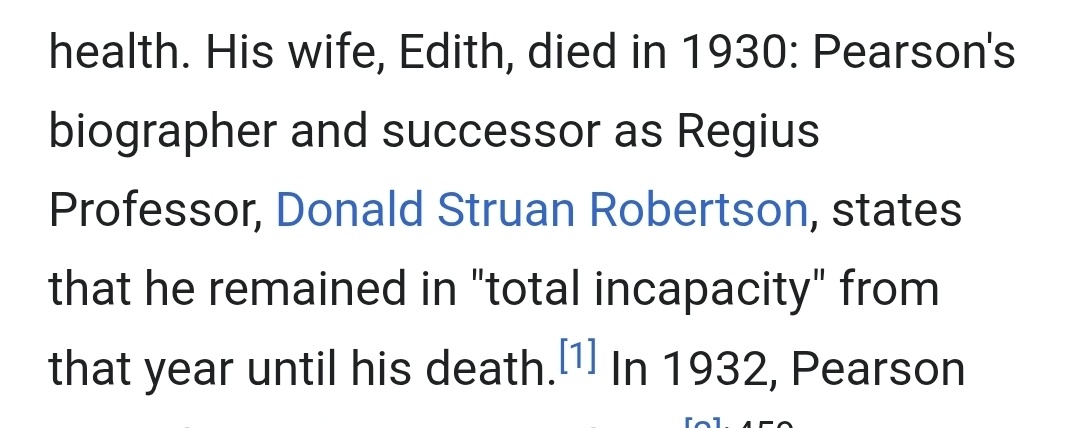
@nchlsswft@AntigoneJournal I wondered how long they'd been married for (45 years) and checked Wikipedia, where I came across this section. It's touching to imagine him caching this note among the pages.
@W_Poulos So you can’t tell if polytropos as “man who had so many roundabout ways” has a note at the end without checking (it does, it turns out). The kindle version does indicate them, and I think I’ll buy it for now and hope they can fix this in the hardcover in a second printing.
@W_Poulos I read the first few pages and thought it was a good and interesting translation, but was a bit disappointed to find that the endnotes (which are wonderfully ample) don’t seem to be indicated in-text in the hardcover.
Having presented well over 1,000 episodes of the much-loved BBC Radio 4 series, Melvyn Bragg has made the decision to step down from In Our Time following the series which aired earlier this year
Read more ➡️ https://t.co/vEKXGAbLR5
@mbeisen I went on an English Viking reading bender a few years ago and learned that Grimsby was named by Vikings during the 9th cent, and that the name means (some details are slightly contested) "Odin Town". This is the only fact I know any Grimsby, but it's a pretty spectacular one.
Starting a podcast ("Instant Classics") with Charlotte Higgins at the end of August. One thing we'll be doing (there are plenty others) is reading & discussing the Odyssey over several months. Here's why we chose that https://t.co/YORTNNXbvh
The recent @TheRestHistory mentions "empire without end", from book I of the Aeneid: is there a link between this and Ephesians 3:21 ("world without end", in the KJV?) Was this a stock phrase in the early Roman Empire (or among 17th century translators to English?) @holland_tom
Anyone lose a USB drive with these files: "Chaons and Evil," "Bardess," "Mothtectonics," "Cultural Convolution"? I somehow ended up with it. Will return to rightful owner.
I finally got around to listening to this today: Stewart examines the role of ignorance in science, religion, politics and art, in a way that isn't exactly redemptive, but rather defends a productive tension between ignorance and knowledge. It's really an impressive achievement.
Ignorance has an extraordinary often positive role in our creative, artistic and political lives - I’ve been working with some wonderful thinkers to explore the power of ignorance on @BBCRadio4 starting tomorrow at 9.30 + @BBCSounds - please join and tell us what you think 🙏
This is a very good suggestion: there are a lot of shades of gray here that only exist because we’re binning every concept of replicate into one of two vaguely defined groups.
I think it's time to retire the term "replicate" to avoid getting mired in endless debates about what constitutes a technical or biological replicate. Instead, simply state what assumption was tested (i.e., what conditions changed) when the experiment was done again.
@OdedRechavi Excellent company name! I spent about an hour wondering why you'd want to evoke a minor wrestler in the Iliad before I finally remembered the other thing he did...
This seems like it is the beginning of an explanation for Brion Gysin and Ian Sommerville’s “Dreamachine”, invented in the late 1950’s, which fascinated people like William Burroughs.
https://t.co/d1gwgg3kWh
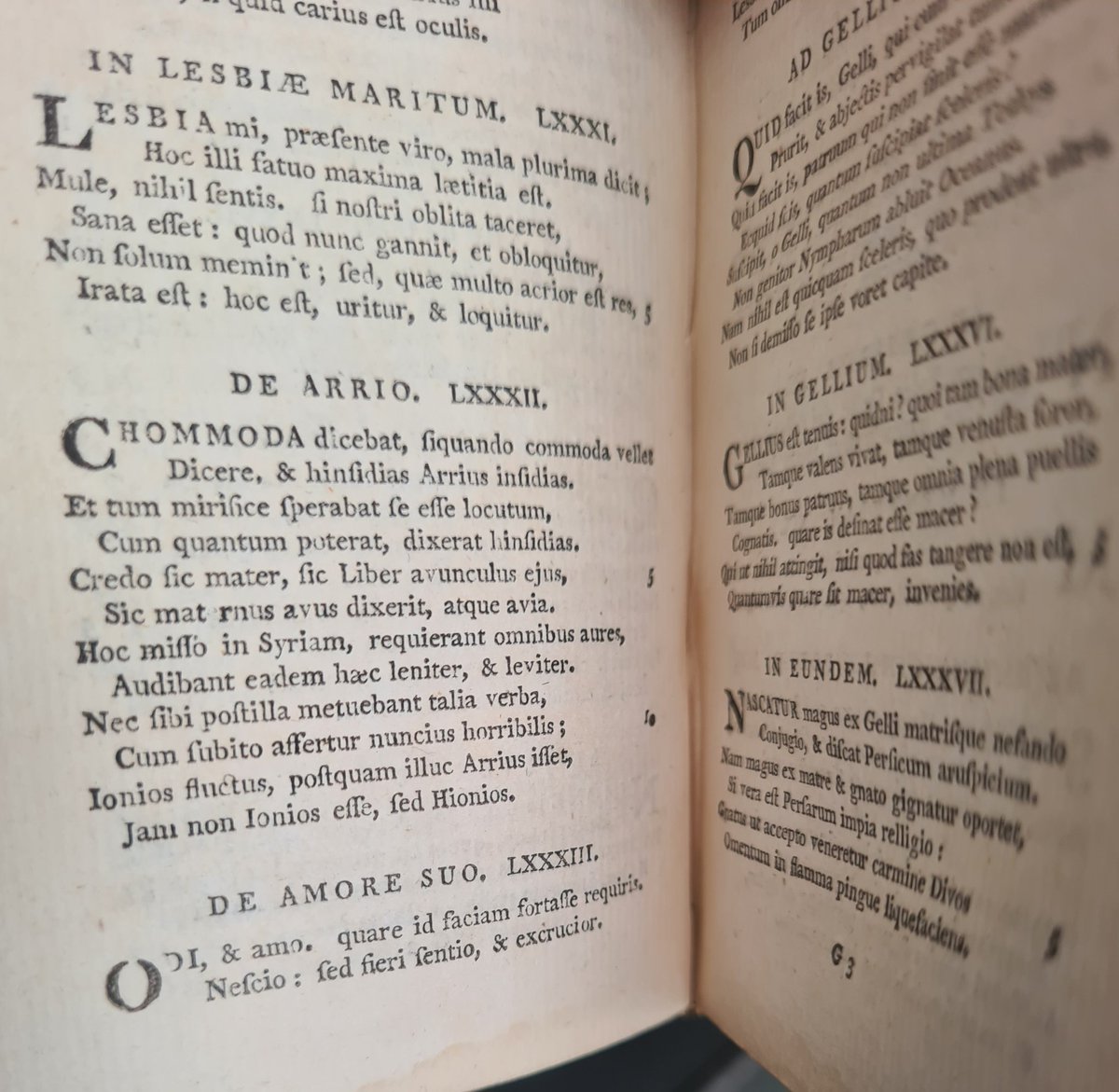
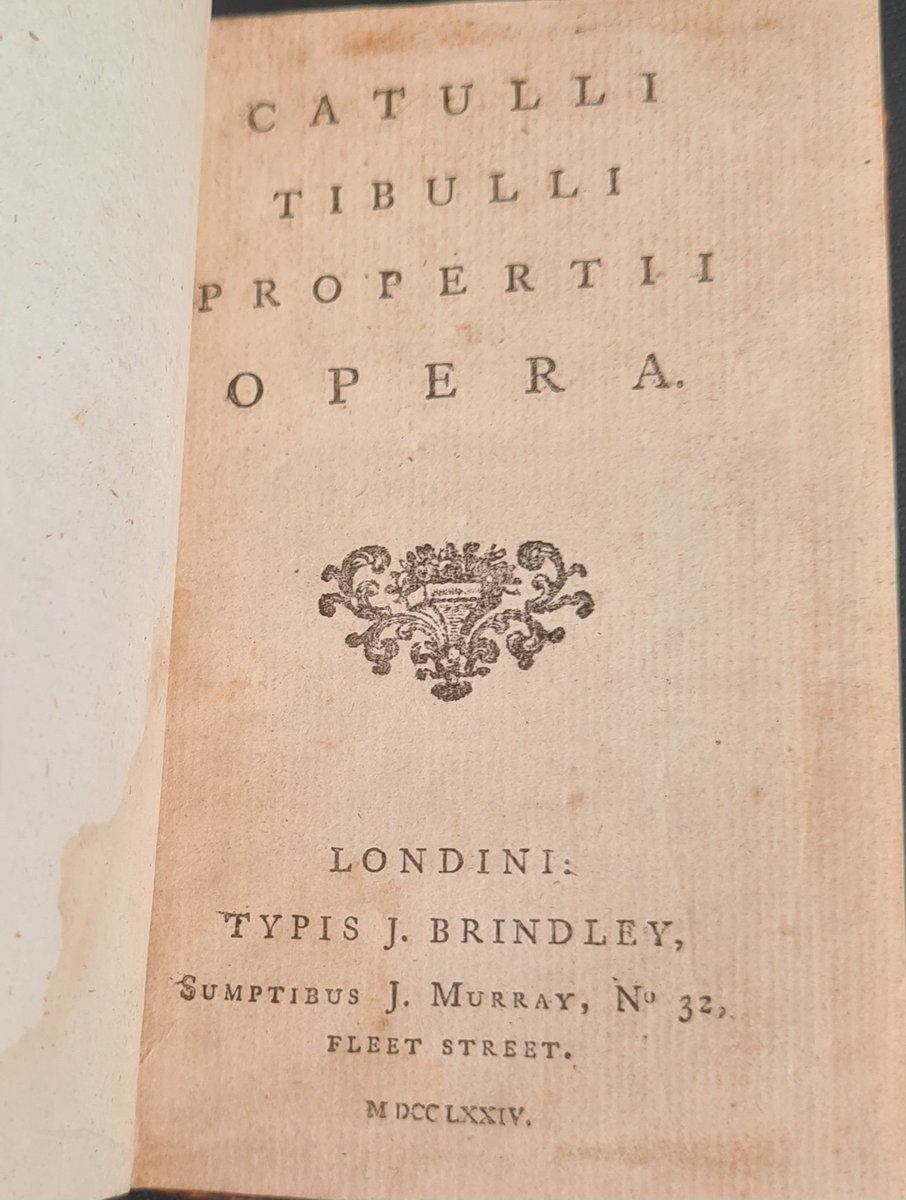
May Day give-away! We've dug out a book from 1774, precisely a quarter-millennium ago: it's the triumvirate of love poets, Catullus, Tibullus & Propertius (+bonus Sulpicia!). Just RT this message, follow our account, and we'll draw out a winner at midday on May Day (1st) Gd luck!