Finally, best news of the morning (and something you didn't expect so soon)...
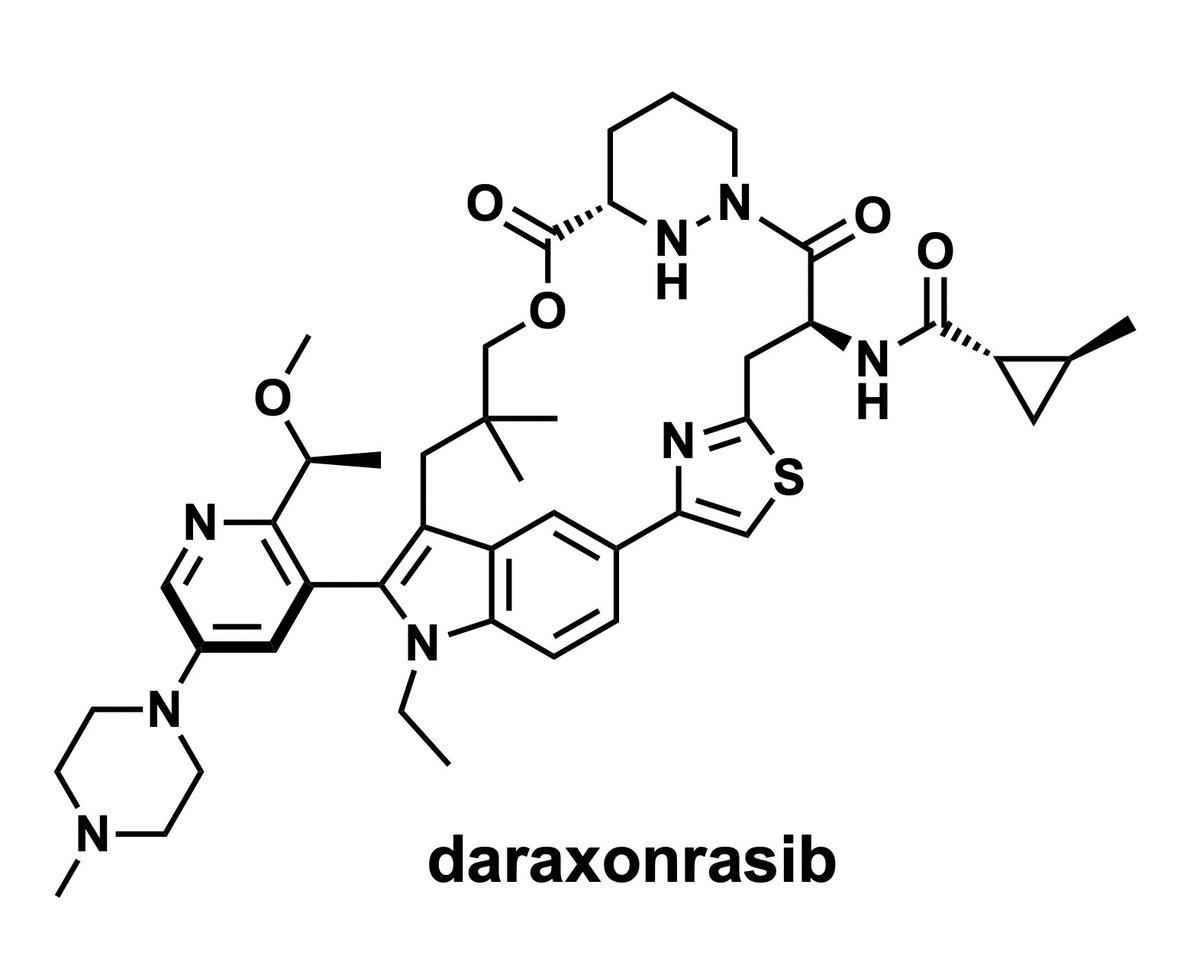
Revolution Medicines $RVMD daraxonrasib Ph3 results in second-line pancreatic cancer.
Median overall survival in ITT patients (KRAS mutants + wild type combined) Dara 13.2 months vs chemo 6.7 months.
OS Hazard ratio 0.40
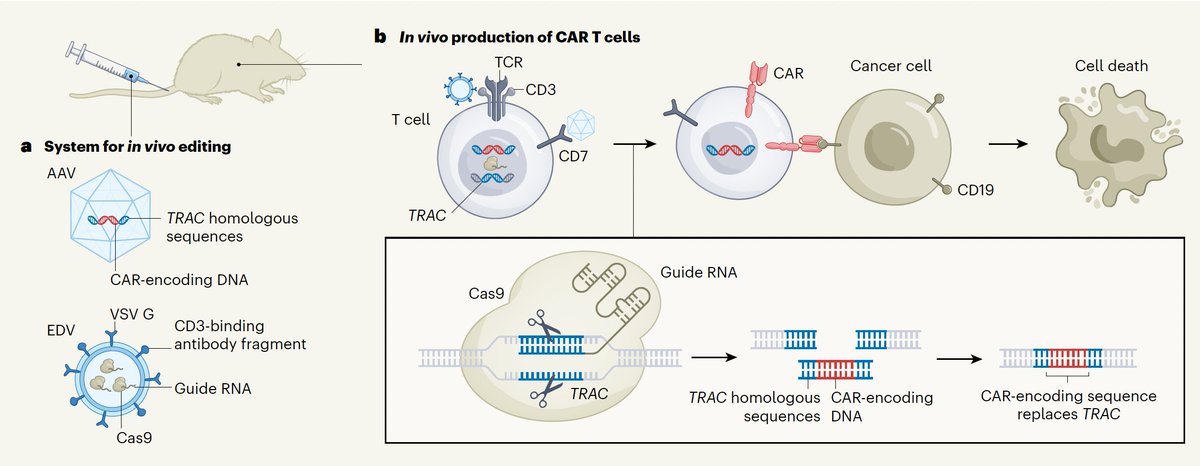
I am so excited to share our new paper in @Nature: the first programmable, site-specific integration of a large DNA payload into T cells in vivo.
A single IV injection results in therapeutic levels of TRAC-targeted CAR T cells in multiple models.
https://t.co/t3pyjHyGWS
a 🧵
3. Terrific. Do you have access to my Google docs? I'm wondering specifically about a doc called ***, and another called ***.
4. Wow, this is great. A few questions for you. First, are you able to propose email replies *in my style*, by reading and emulating my word choice and sentence structure, etc?
5. Second, by reading through my emails, all of which are stored my Gmail account (I never delete emails), can you discern patterns in how I respond to 'retail' emails in which people are asking to meet? Can you propose replies to people I typically agree to meet with offering times that are free in my calendar? And can you gently decline (or propose that I simply don't respond) to people to whom I typically don't offer meeting times?
2/2
Wow -- I hadn't seen Google announce this capability. I strongly encourage you try this set of prompts in Gemini:
1. Can you read my email?
2. Excellent. Are you able to see my calendar as well?
1/2
Today we report that an engineered skin bacterium, swabbed gently on the head of a mouse, can unleash a potent antibody response against a pathogen. Could lead to topical vaccines that are applied in a cream. @DjenetBousbaine led the charge... @Nature 1/55
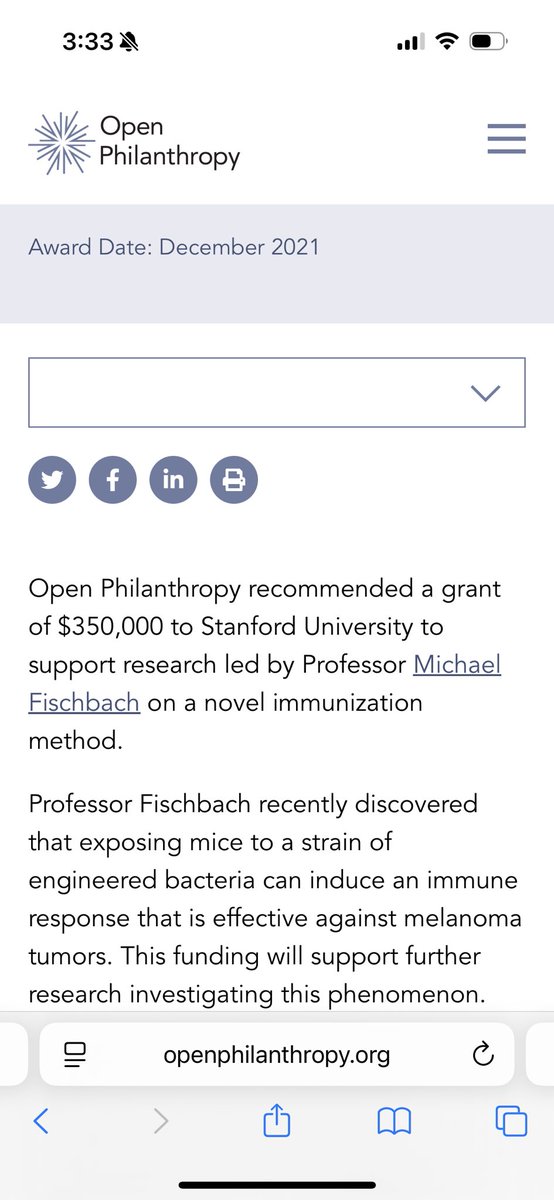
Proud supporters of this at @open_phil after we saw @mfgrp’s wild paper on it a few years ago. Much left to figure out!
Chasing down “big-if-true” findings like this is a good fit for science philanthropy, since donors can move quickly, flexibly, reactively vs govt grant cycles
Saw a talk this week on the trippiest thing: bacterial cultures on skin induce immune responses. At Michael Fischbach's lab, they demonstrated immunizing mice against tetanus by just dabbing an engineered version of a harmless staph culture on its head. Unlike intramuscular vaccination, the antibody levels don't seem to demonstrate any waning, even after a year.
This is both scientifically very interesting (can vaccines just be... creams?), and an amazing reminder of how much we still don't know. We could have discovered this decades ago, but somehow never noticed until now.
The Weill Cancer Hub is fostering groundbreaking @UCSF–@Stanford collaborations to develop transformative cancer therapies. I’m grateful to co-lead one of the selected teams with @mfgrp to advance next-generation in vivo CAR T cell therapy!
What an amazing story that was such a blast to collaborate on with @mfgrp lab!!! Phenomenal work led by @DjenetBousbaine and all co-authors!! Unroll this thread and be amazed 🤯👇🏾
A typical project for an incoming graduate student might involve 1–2 weeks of planning and 2–5 years of execution, [yet] the problem you choose will influence the impact of your work just as much as the quality of your execution. – Michael Fischbach
https://t.co/hGh0UvEq9k @mfgrp
@SU2C Scientific Advisory Committee member @mfgrp published a paper in @Nature showing that immunity to a common skin bacteria involves a coordinated T and B cell response, which can be redirected against pathogens as a novel form of topical vaccination https://t.co/kfikJlL2p3
Extremely proud to find this innovative vaccine platform from Michael Fischbach at Stanford. Imagine no more jabs! Low cost and globally deployable. https://t.co/abri0MjiWr
take some time now to read this thread
it explains what happens with the immune system when swabbing (no entry!) a bacteria on the head of a mouse
it beautifully walks us through the years-long scientific journey
and is exemplifies how our competitors are in fact our friends❤️