🚨Event Alert
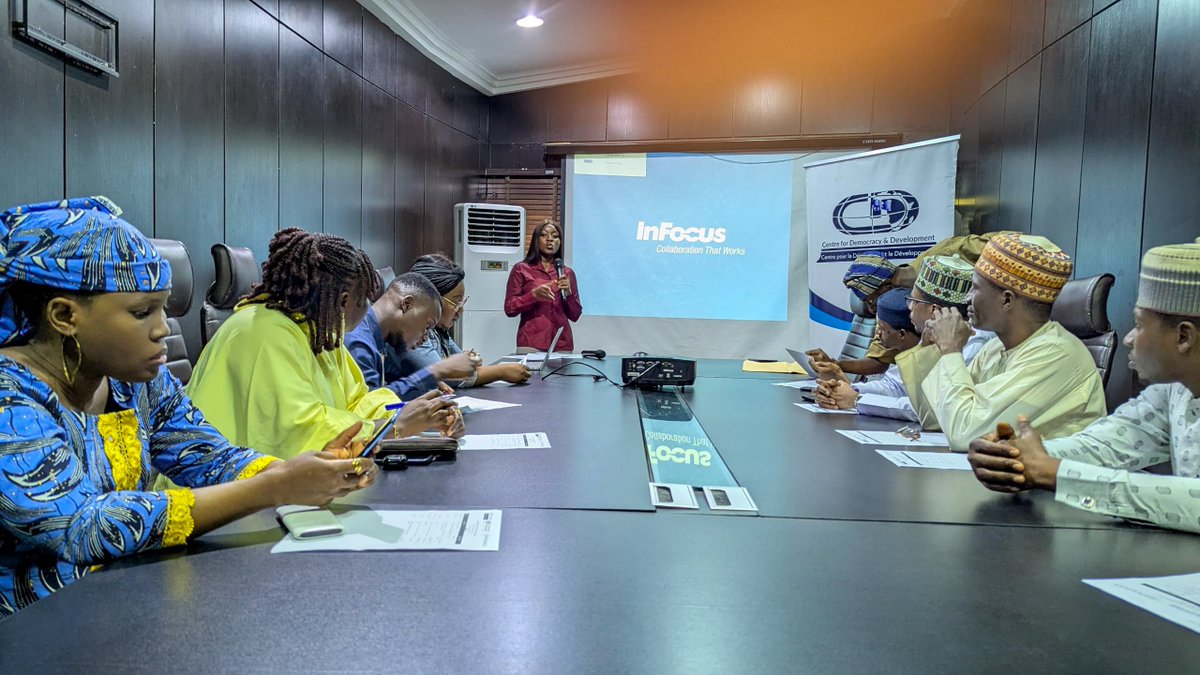
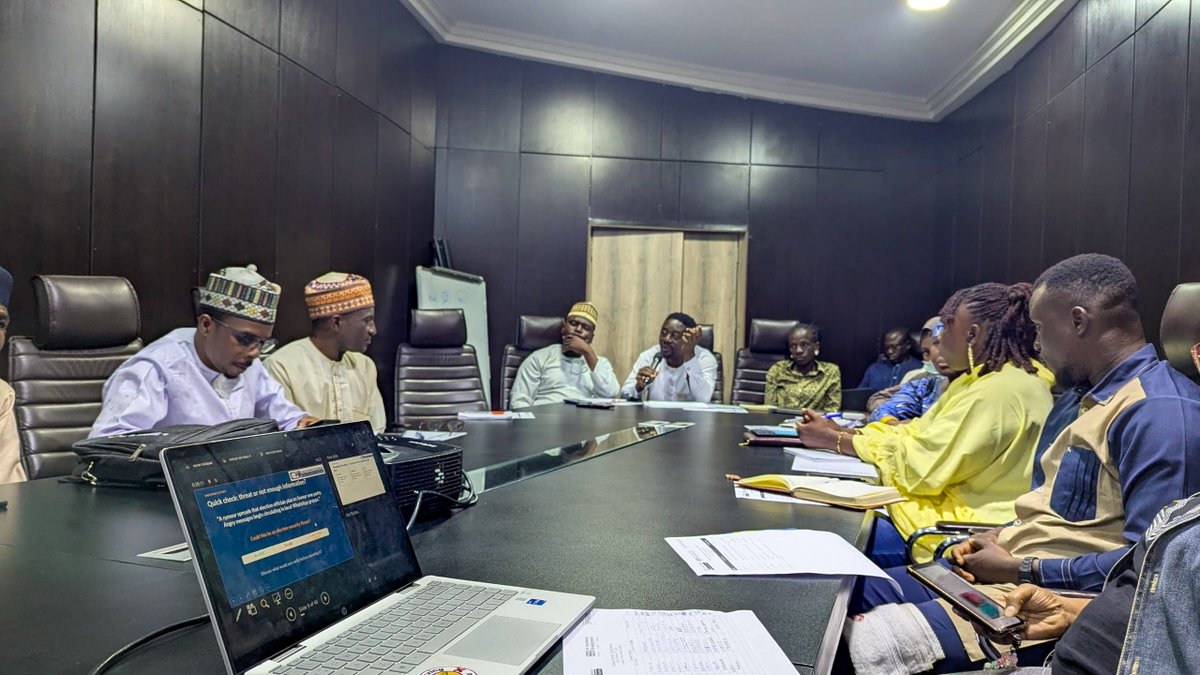
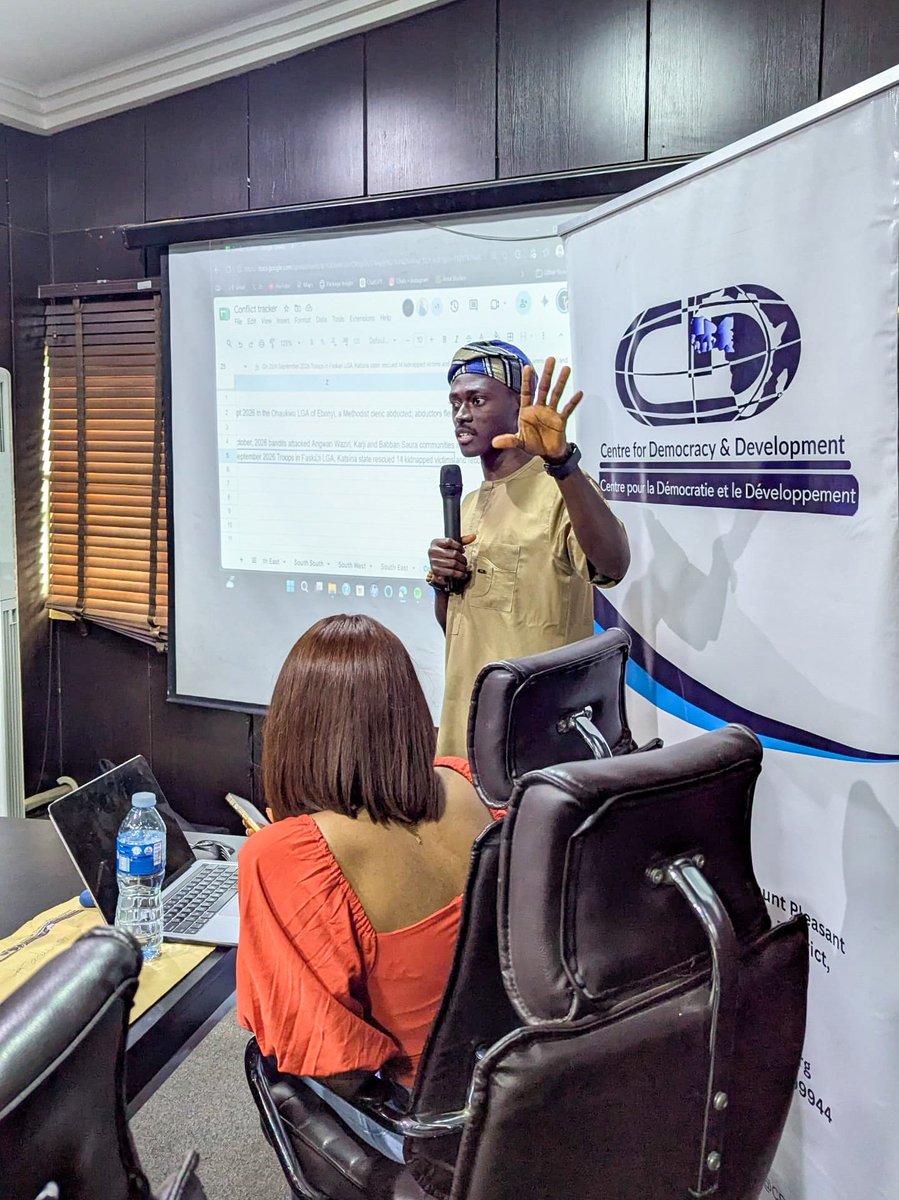
We are honoured to partner with Open PEA to host two events in Abuja on the 24th and 25th of November. We look forward to engaging conversations and insightful discussions across both events.
🚨 New Publication Alert
In this Policy Note, Prof @RemiAiyede posits that Nigeria's local councils are still far from being effective and democratic, 50 years after the 1976 LG reforms and two years after Supreme Court's 2024 ruling on LG autonomy 👇🏾
https://t.co/VeXwlAYdkW
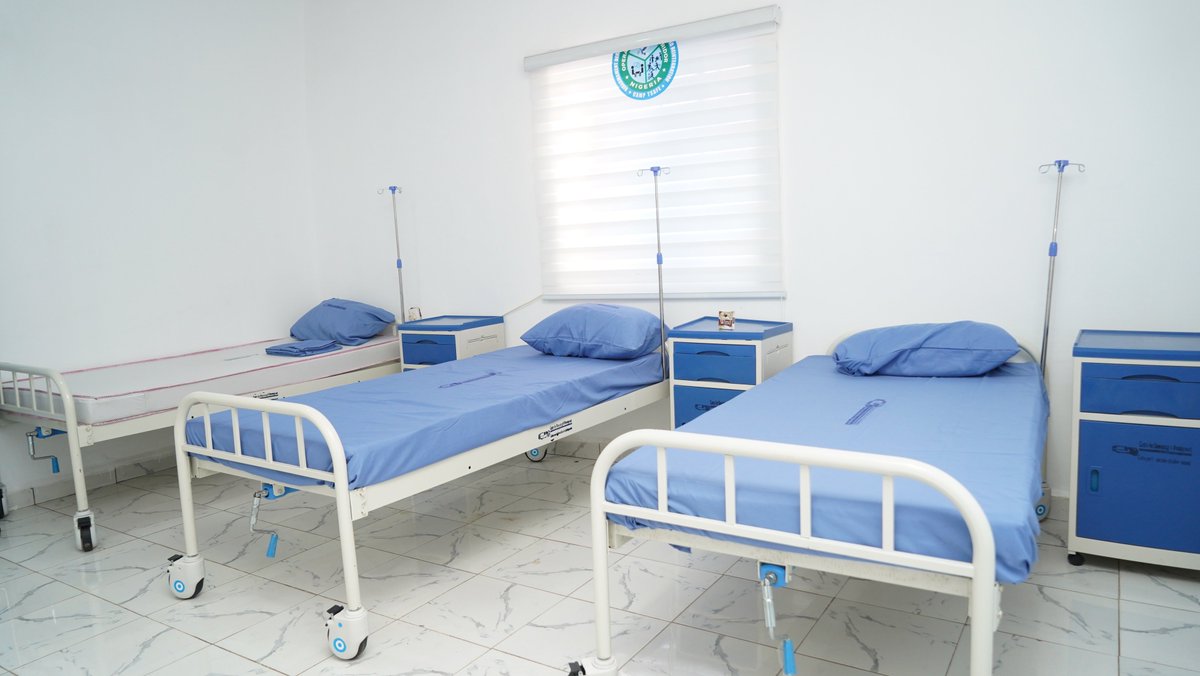
On 12 November 2026, CDD-West Africa joined Operation Safe Corridor (OPSC) North-West to commission the newly remodelled and equipped Medical Reception Station at Camp Tsafe, Zamfara State.
The facility, supported by CDD-West Africa with medical equipment provided through the MacArthur Foundation's support, is intended to strengthen healthcare services for camp personnel, eligible programme beneficiaries and vulnerable host-community members.
The commissioning marks an important step in strengthening OPSC's operational capacity in the Northwest.
#OPSC #CDDWestAfrica
The hall is set, and the energy is building! We’re excited to welcome our partners and guests as they arrive for the Operation Safe Corridor (OPSC) CSO Dialogue & Book Launch.
Today’s engagement provides an important platform for dialogue, reflection and collaboration towards strengthening rehabilitation and reintegration efforts in Nigeria.
#OPSC #CDDWestAfrica
Nigeria's 2027 Elections: What Do the Numbers Tell Us? 🇳🇬
With over 103 million registered voters, 176,846 polling units and more than 700,000 ad hoc personnel required for each election day, the scale of Nigeria's 2027 general elections presents significant logistical, technological and institutional demands.
But beyond the headline figures, what do we know about the electorate, the distribution of registered voters across the country, the candidates contesting and the systems being put in place to deliver credible elections?
Drawing on the Independent National Electoral Commission's (INEC) address at its 100-day countdown briefing on 6 October 2026, CDD-West Africa examines the figures shaping preparations for the polls.
Our infographics explore:
🔹 Voter registration: The size and geographical distribution of Nigeria's electorate.
🔹 Demographics and inclusion: Age, gender and disability representation on the voter register.
🔹 Political competition: Candidate nominations across the five major elective office categories.
🔹 Electoral logistics: The personnel, infrastructure and transportation required to deliver elections nationwide.
🔹 Technology and electoral integrity: Developments in voter accreditation, electronic result transmission and cybersecurity.
#NigeriaDecides2027 #ElectoralIntegrity #CDDWestAfrica
The Centre for Democracy and Development @CDDWestAfrica, with support from the Foreign, Commonwealth
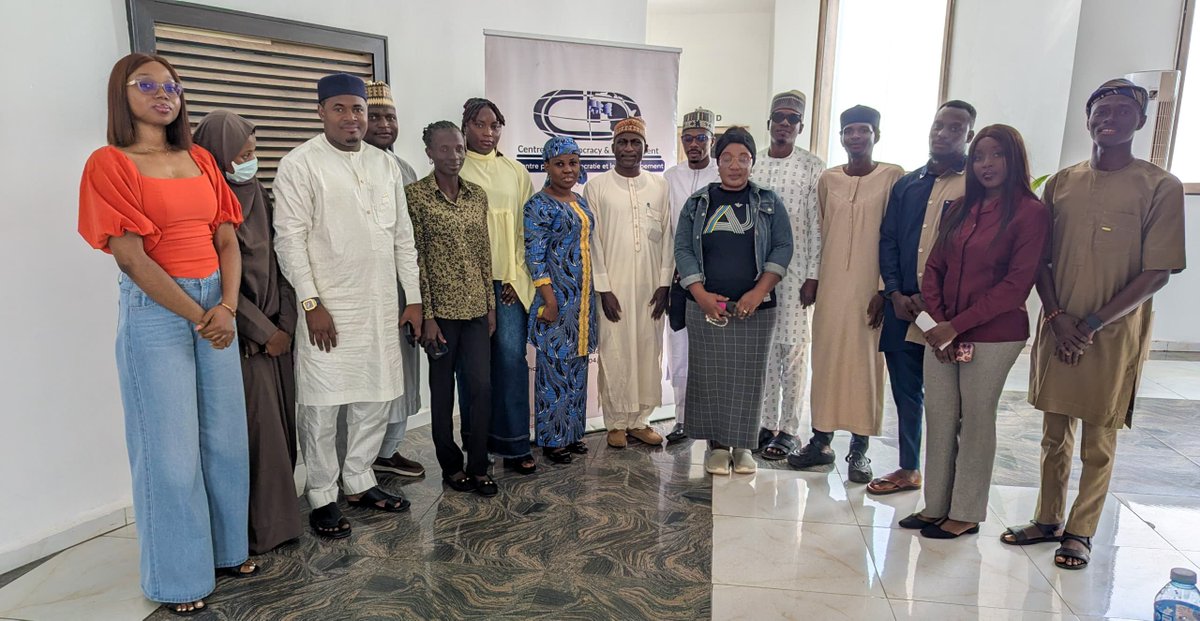
& Development Office @FCDOGovUK through the SPRiNG programme, conducted a training and onboarding session for Community Dialogue Committee members and Election Security Threat Reporters who will support election security monitoring and early warning efforts ahead of the 2027 General Elections.
The engagement brought together selected participants from Katsina and Kaduna States and focused on strengthening their capacity to identify, document, analyse, and report emerging security threats and incidents that could affect the electoral process.
The 2027 General Elections 🇳🇬 are already taking place against a challenging security environment, characterised by both longstanding security threats and emerging election-related risks. These challenges are compounded by the spread of misinformation, disinformation, and hate speech, which can heighten tensions, deepen divisions, and potentially contribute to electoral violence.
The training is part of activities under the Election Security and Resilience Project and seeks to strengthen community-level capacity for early identification and reporting of election security threats, facilitate timely response and dialogue, and contribute to a more peaceful and resilient electoral process through evidence-based research and strategic stakeholder engagement.
Political participation does not begin and end at the ballot box. 🗳️
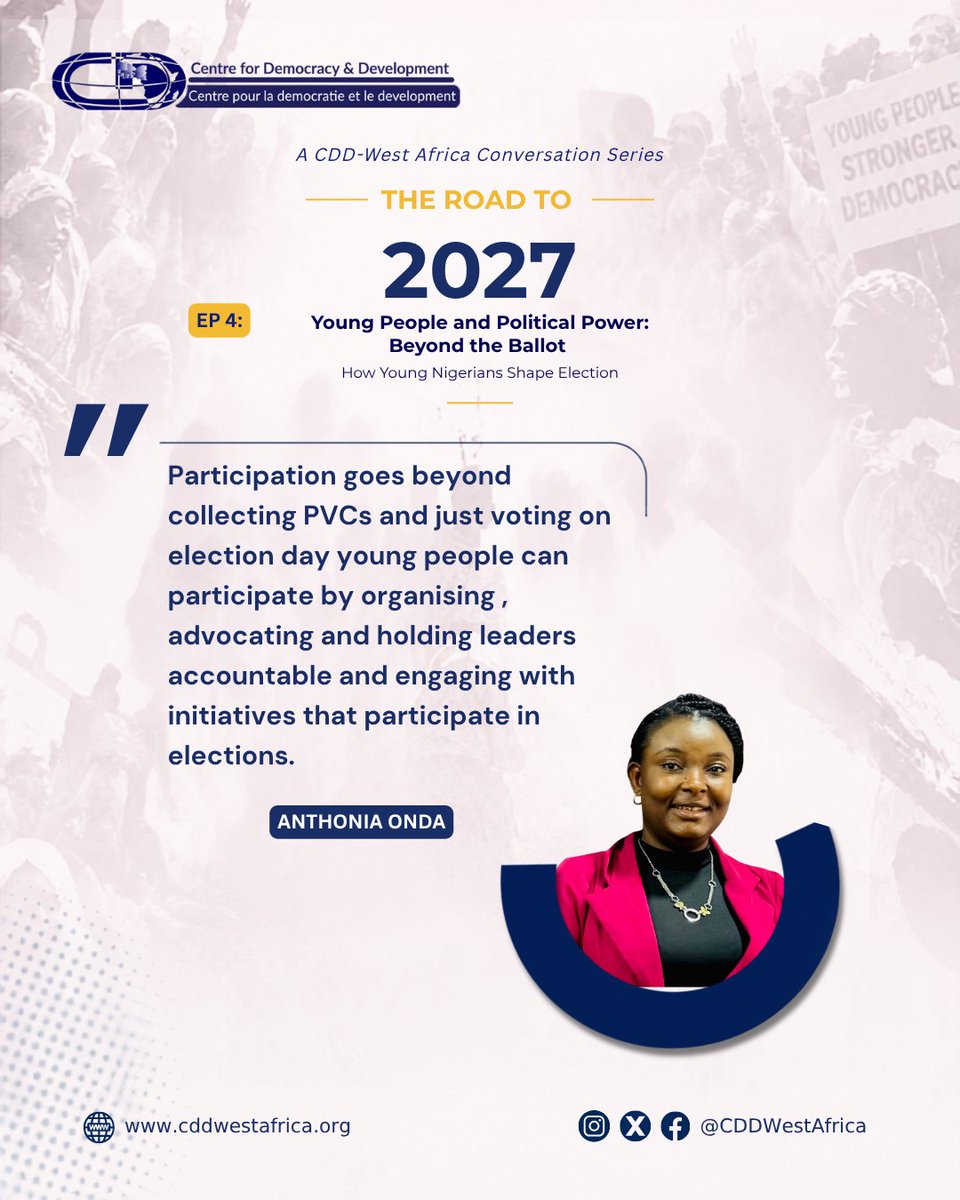
In Episode 4 of CDD-West Africa’s Road to 2027 series, Anthonia Onda and Moses Abolade reflected on what it takes for young Nigerians to move from political interest to meaningful influence.
The conversation explored the importance of organising, advocacy and accountability; the need to combine digital mobilisation with sustained offline engagement; and the structural barriers that continue to shape young people’s participation in public life.
As Nigeria looks towards 2027, the question is not only whether young people will vote, but how they can organise, participate and build the collective power needed to shape the political process.
Here are a few reflections from the conversation.
#RoadTo2027 #YouthPoliticalParticipation #NigeriaDemocracy
@NOIPolls@afrobarometer Nigerians, like many Africans, are communal. It's still popular. This must be isolated from the indegene-settler conflicts over land which has recent times assumed violent dimension.
@NOIPolls@afrobarometer Nigeria is always open to foreigners. Specifically, it is a necessity that the countey approves visa on arrival for all African countries to take full advantage of #AfCFTA.
@DNellyJ@NOIPolls@afrobarometer@GarShehu It's easy to understand why African countries are not a good attraction for Japa to the youth. The economies of many African countries are decimated and their currencies are bad for remittance. Most Nigerian youth in other African countries use them as springboard to other places
@NOIPolls A cursory look at the statistics reveal this to be the youth population. They youth are naturally agile and impatient. Realising that old age may not be kind to those who didn't prepare early, they want to fulfil their great dreams.
@NOIPolls@afrobarometer The reasons for these are obvious. Countries of the North are obvious attractive due their less population and better socio-economic opportunities.
@DNellyJ@NOIPolls@afrobarometer Nigeria's 'refugee' (internally displaced persons) population may be scary. However, it is necessary to underscore that it has never always been like this. Insecurity associated by Boko Haram caused it.
@DNellyJ@NOIPolls@afrobarometer Yes, it may looks scary. However, I'm sure a huge number of the 55% are not saying they are leaving forever. They hope to come back.
@NOIPolls@afrobarometer While of the 1980s was about people who left to study or sharpen skills, contemporary Japa is about people with skills in search of climes that have value for those skills and are ready to pay for them
@NOIPolls@afrobarometer The Japa syndrome in contemporary Nigeria and is link directly to poor governance. It's different from that of the 1980s when people talked about Andrew's 'checking out'.
@NOIPolls@GovernmentZA@afrobarometer@NigeriaMFA Countries on #AfCFTA should be intentional about it, leveraging public enlightenment instruments and channels.
Foreign policies should also be reformed/strengthened to drive the process, and speak to fundamental and complementary policies such as visa on arrival
@DNellyJ@NOIPolls@afrobarometer You are correct, but governments in Africa have been too fixated about trade to the detriment of the people that make trade works.
Countries can't operate restrictive movement of non-citizens and expect to boost earning from trade