Professor researching why we age & how to reverse it. Author & host of Lifespan. Mission: Extend healthy life for all. Views are entirely his own. @joinlifespan
For NAD+ users: NMN and NR didn't extend lifespan here, and the NIH's ITP found the same for NR.
Small arms, so not the last word. But there's still no good evidence that NAD+ precursors extend mammalian lifespan.
An important note to make.
Rejuvenation without the loss of cellular identity.
That is the fundamental problem of cellular reprogramming.
Once solved, anti-aging biology will usher in the brightest era in human history.
That's all.
Proud to be named one of @Fortune’s Best Workplaces in BioPharma 2026! This recognition reflects the people behind our mission and the collaborative culture driving our work to advance epigenetic restoration to reverse diseases of aging. View the list here:https://t.co/KQdxASzLkw
Next step: Longevity and Rejuvenation. We are almost there.
Researchers in Bonn turned blood cells from an 80-year-old into neural stem cells with a molecular age below 20. More than 60 years younger by epigenetic clocks, which estimate age from chemical marks on DNA.
The team directly reprogrammed blood precursor cells into neural stem cells, skipping the usual pluripotent stem cell stage. The rejuvenation unfolded gradually and could be tracked for over 100 days.
Squeezing a fibroblast nucleus for a moment opens chromatin at mappable loci. Yang Song and Song Li at UCLA aimed CRISPRa guides at exactly those spots. Fibroblast to neuron conversion went from under 3% to about 40%, with no virus. In aged mouse fibroblasts, the same mechanically enhanced Oct4 activation lowered DNA methylation age on the mouse skin clock, close to the level of cells from young animals. But global methylation also drops. so how much of this is rejuvenation rather than dilution is the open question. Title: Mechano-epigenetic enhancement of CRISPR activation of target genes fo… https://t.co/wXxMjPVl1d
Bowhead whales can live for >200 years - longer than any other known mammal on earth! 🐳
Enjoy more science cartoons in Lifespan Magazine: https://t.co/sDRKvMRlRj
Big congratulations to Dr. Christoph Gorgulla @StJude, a Lifespan Foundation Laureate, with a check for $100K to study AI-mediated drug design using quantum
Thank you to subscribers of LS Magazine, who help support the Lifespan Foundation & research like Christoph's 🙏
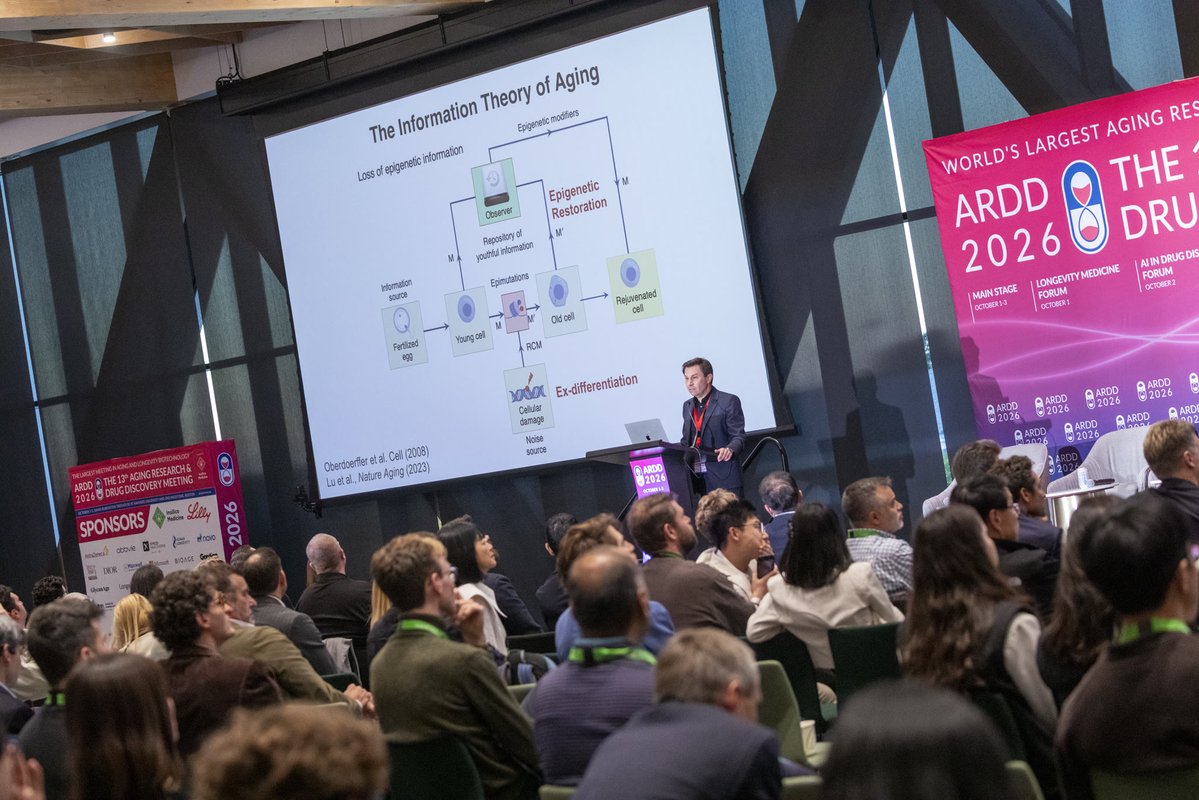
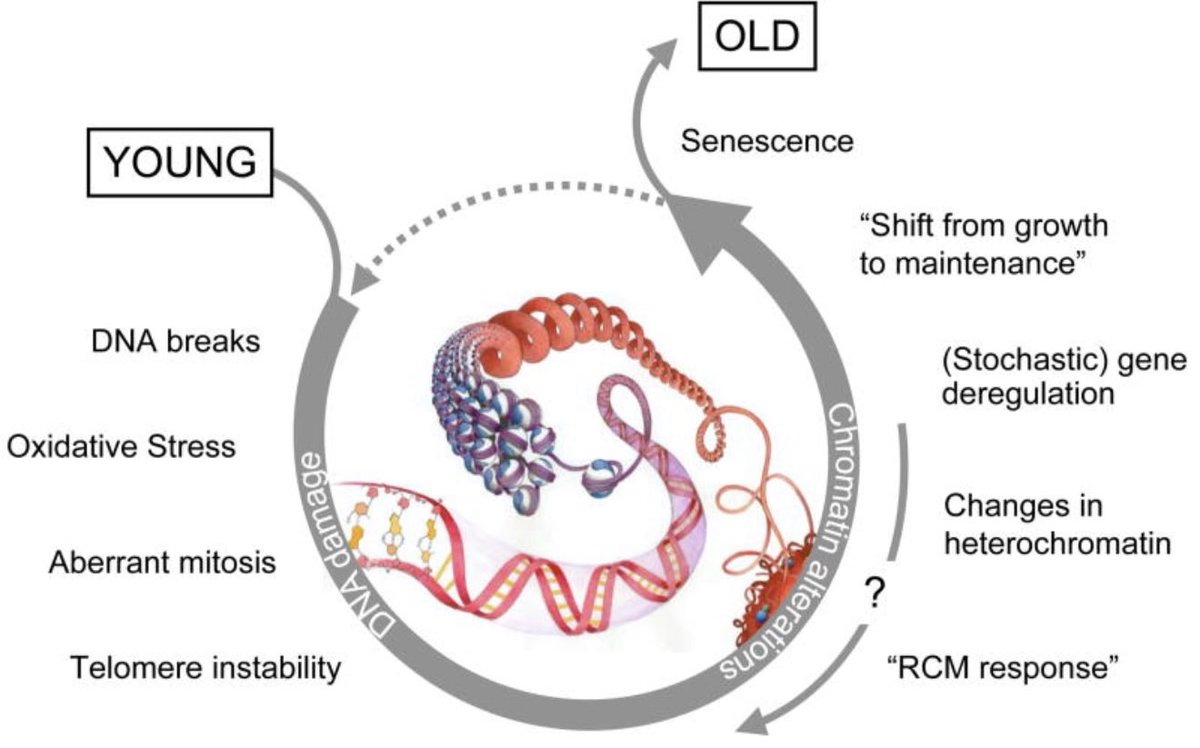
So true - the Information theory of aging in 2008:
NAD+ ➡️ sirtuins ➡️ histone modification ➡️ epigenetic stability ➡️ cellular identity ➡️ slower aging
https://t.co/ntf8o5mTtv
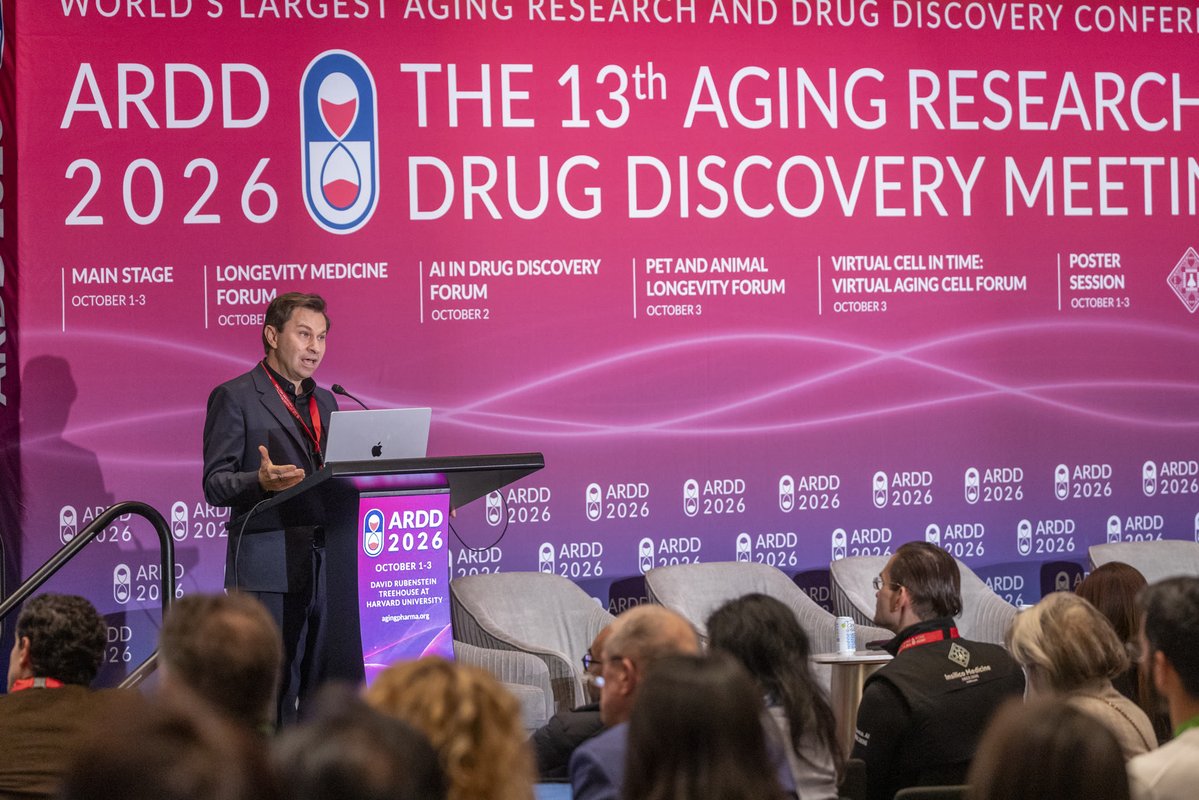
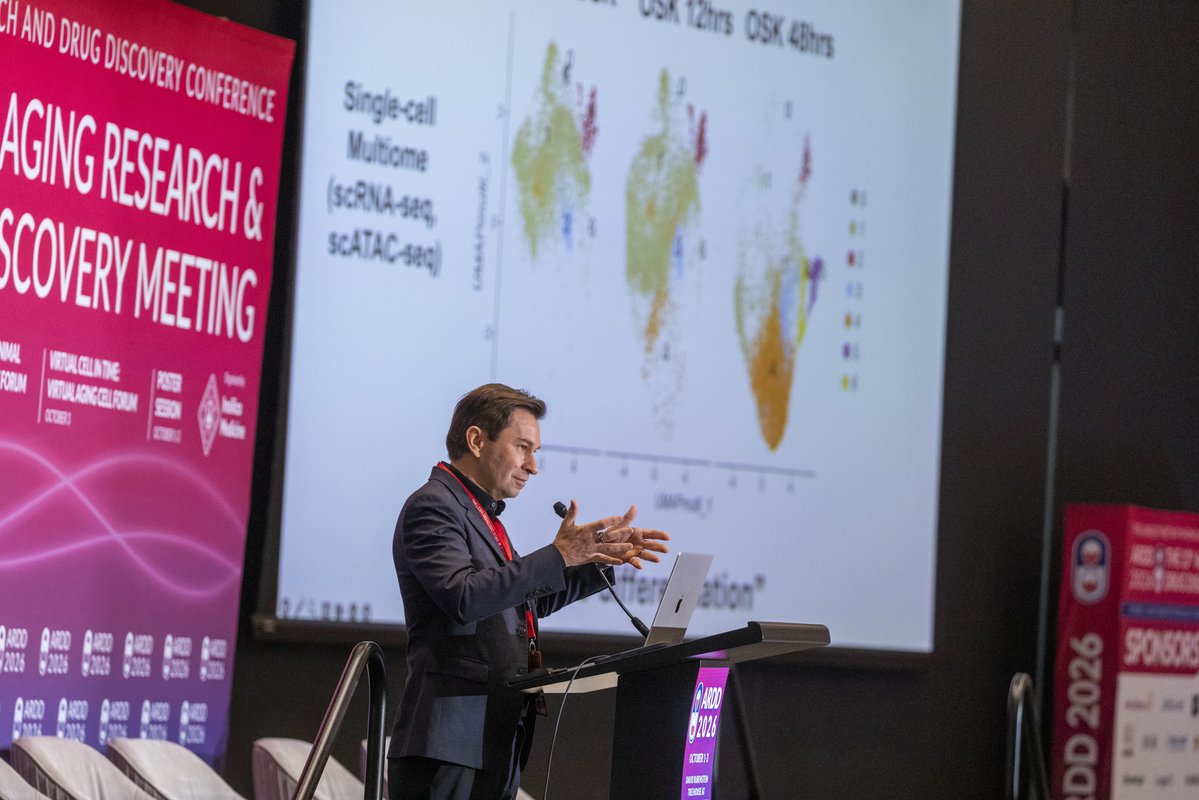
NAD boosting and epigenetic restoration are two levers aimed at the same aging biology. David Sinclair (Harvard Medical School) at #ARDD2026. Photos: https://t.co/vpNtq07ZfU
It’s confusing. Some studies examine sildenafil (Viagra), others tadalafil (Cialis). So many new studies are indicating surprisingly positive effects on various organs & even immune cells fighting cancer. How about a new Lifespan episode called “What’s not to love?”
@davidasinclair On your latest Rogan podcast, you mentioned both Tadalafil and Sildenafil but it was confusing which one you were referring to at times. It might be worth a followup post to clarify your position on both. Thank you from a long-time follower and fan!
There is no convincing evidence that low dose Cialis associated with altered lens proteins or causes cataracts. There are potential side-effects to discuss with a physician, like a potentially slightly higher occurrence of a “stroke in the eye” (NAION), as with GLP-1RAs
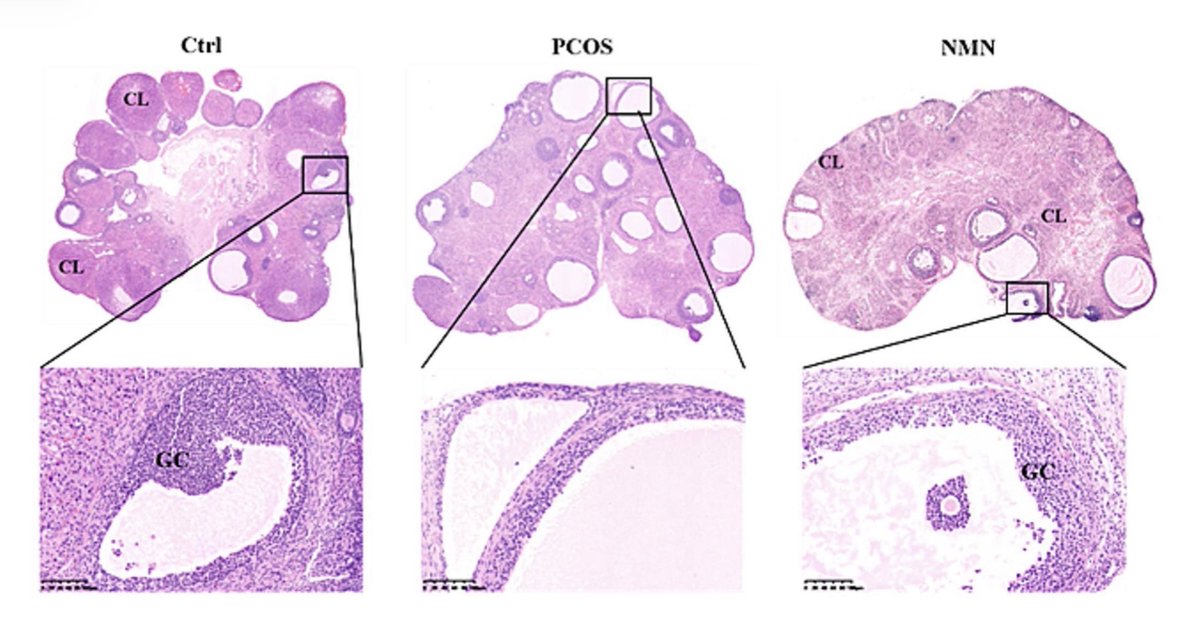
NEW PAPER: In rats, the NAD booster NMN effectively alleviates polycystic ovary disease, a common cause of infertility, by increasing SIRT2 activity, suggesting NMN as a possible therapeutic
Highlights from authors:
1. NMN effectively ameliorates metabolic and endocrine disorders in PCOS
2. NMN activates granulosa cell glycolysis via SIRT2-mediated LDHA deacetylation
3. LDHA then converts pyruvate to lactate
3. K119 is a critical functional acetylation site of LDHA.
4. Targeting the SIRT2/LDHA-K119 axis improves follicular development in PCOS