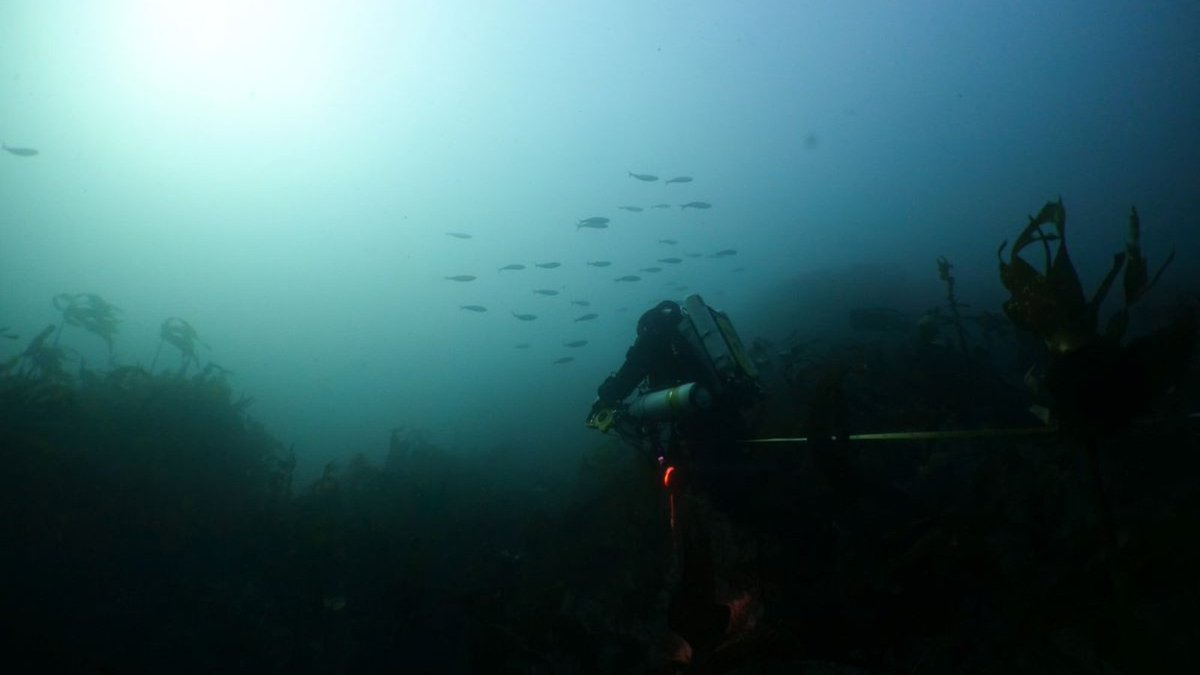
62% of #MarineProtectedAreas designated to protect rare migratory fish in NE Atlantic are located outside the species core habitats.
This is according to new research led by @Sophie_AElliott@InstitutAgroRA
🐟🌊
Double the difference you make to aspiring ecologists!
Your donations will allow individuals facing barriers to progression to attend our 10th anniversary summer school
Shathuki shares what attending the summer school meant to her
@lankanaturalist
https://t.co/I3jtluAokI
Have you booked your ticket for our Land Use Summit with @ZSLScience?
Register by 14 Apr to hear from our incredible line up of speakers & join the conversation on how nature recovery can be balanced with food production🌾 energy generation⚡& housing🏠
https://t.co/9dhZdUeJHP
Livestock Guardian Dogs (LGDs) change predator behaviour in ways that both protect livestock and support conservation efforts, according to new research in @AER_ESE_BES 🐶🐑🦊
https://t.co/zntUGqXNHM
Would you like to shape the future of ecology and the BES?
Join our volunteer committees - a volunteer leadership role with a difference.🌍💚
https://t.co/VSSjRP4Hgr
Forests with two or three tree species are on average 35% more resilient to storms than forests with only one species, according to new research led by @BarrereJulien5 & @GeorgesKunstler @INRAE_Lyon_Gre
Published in @FunEcology📗
Story in @guardianeco📰
https://t.co/LUZHcSTmDW
In the damming words of the government’s own environment watchdog, the UK's Environment Improvement Plan is off-track and lacks transparency and accountability.
Will the 2020s slip us by as a decade of missed opportunities? 👇🧵
"The biosphere cannot save us on its own: a complete fossil fuel phase out is essential for a thriving planet.
This moment can be considered 'historic', but to truly make history we need rapid action."
Read @ymalhi's response to today's COP28 agreement
https://t.co/E5ehHdPff4
A new #AI tool can generate life-like birdsongs🎶 to train bird ID tools🔍 helping ecologists to monitor rare species in the wild.
Developed by @umoncton researchers & published in @MethodsEcolEvol
https://t.co/xh7O0rRtFy
Today’s #KingsSpeech matters. In the space of approximately ten minutes, we will discover if the government understands the acute challenges of our time in #Climate and #Biodiversity.
The 2023 overall winner of #CapturingEcology is...🥁
'Vibrant Sleep' by Viktor Nunes Peinemann📷
Congratulations Viktor and all our other winners! 🎉
We will be showcasing more winning images throughout the day, or you take a look now 👇📸
https://t.co/z2TebFR2dj
On paper there’s been plenty of political action on the environment in the last decade but the latest #StateOfNature report found UK biodiversity is still plummeting. We need even greater ambitions to reverse these catastrophic declines this decade.
Have we seen enough ambition for nature at the party conferences?
🔵Conservatives stick to “pragmatic” Net Zero approach
🔴Labour promise more power to environmental regulators
🟡Lib Dems promise bans on bottom trawling in MPAs
With UK nature in decline, we need action now.
"The news that @DefraGovUK cannot detail any evidence of progress towards protecting 30% of the UK’s land and sea for nature by 2030 is lamentable." says @rick7575, Chair of our Policy Committee
The latest #StateofNature Report rings yet another alarm bell on the biodiversity crisis in the UK.
Although the UK is world-leading in its monitoring of biodiversity, we have less than half of this remaining.
https://t.co/pos7aRSYPm
We need action across our society now. Nature cannot wait.
This past 2 week’s conveyer belt of insane government environment policy decisions couldn’t be further from the path we should be immediately taking.
The latest #StateOfNature Report marks a decade of missed opportunities to halt the spiraling decline of UK wildlife.
With less than half of UK biodiversity remaining the science has never been clearer...
“Whoever is in government in 2024 needs to grasp the nettle – or kelp.”
Ecologists have worked tirelessly to collect evidence and produce report after report.
The latest #StateOfNature gives the most comprehensive view to date of the dire situation UK wildlife is in.
Pollution from treated and untreated #Sewage is the greatest threat to #River biodiversity, causing more damage than runoff from farms, according to new research in @AER_ESE_BES#WorldRiversDay
https://t.co/DV97RCqQaQ
Will Invasive species jeopardise global efforts to halt biodiversity loss by 2030?
The new @IPBES#InvasiveAlienSpecies report reveals the negative impacts of biological invasions but hints at a turning tide for better, more collaborative, management 👇
https://t.co/fokZRvnwNW