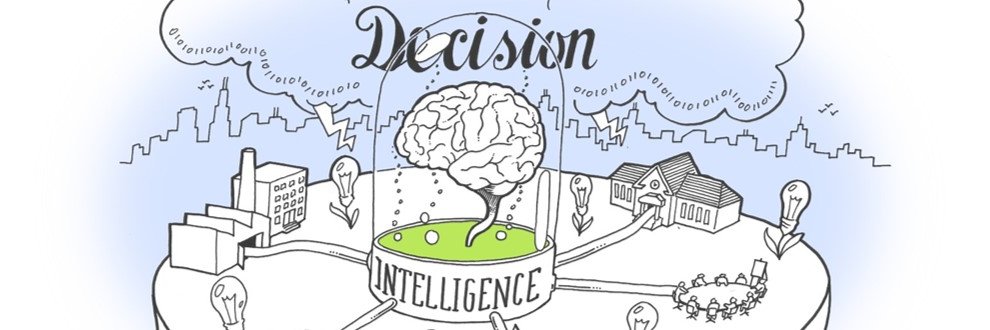
DI - Decision Intelligence GmbH supports companies in creating a FIT between their intelligence requirements and their intelligence processing capacities.
My latest issue of the "Decision Model Innovation" NEWSLETTER:
Decision Model Innovation: The Value Creation Perspective https://t.co/XWCQEOC8P1 via @LinkedIn
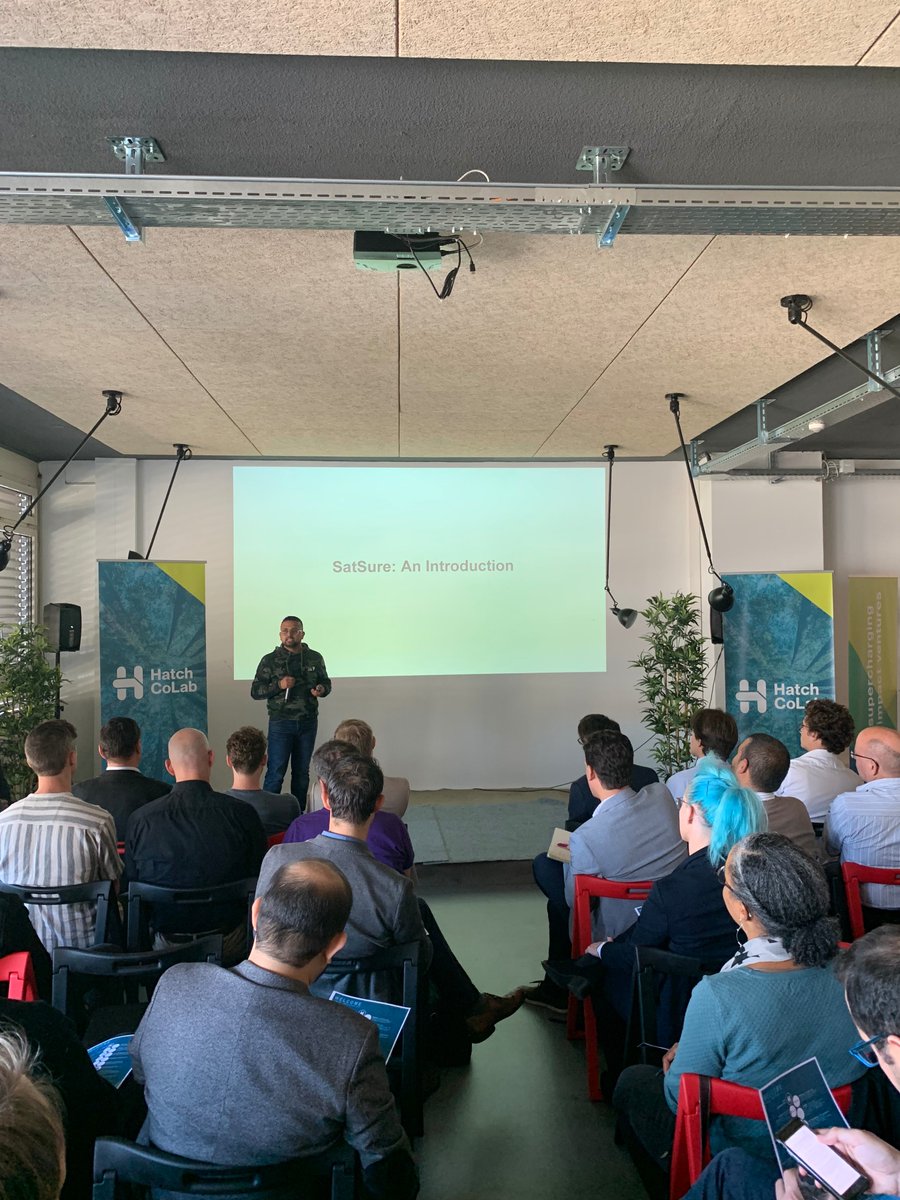
#FPOAWARDS | Prateep Basu, Co-Founder & CEO, SatSure joins us as an esteemed speaker at @Samunnati and The Economic Times Farmer Producer Organisation Summit and Awards 2019 | 18 October | New Delhi.
Join the conversation: https://t.co/wIn5nJeMgo
#fpo#awards#agriculture
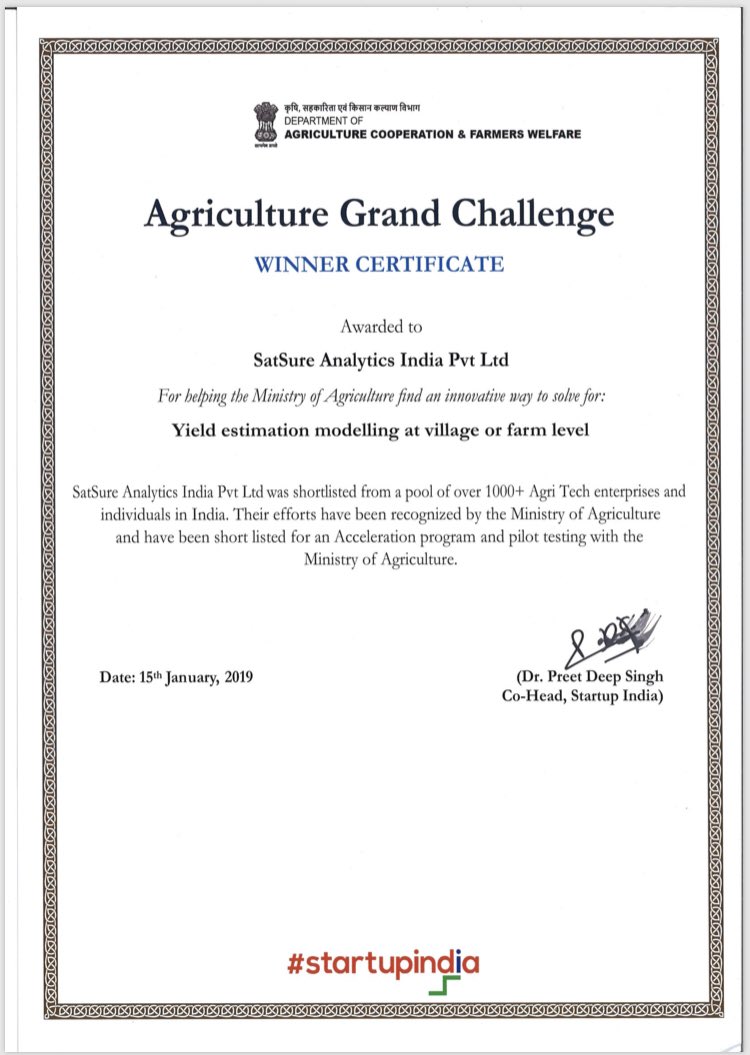
We have made our move to south east Asia starting with Philippines to provide their farmers, govt, banks and insurance our full stack crop & disaster monitoring services. More news to follow soon! https://t.co/1IKUidxCsj @_abhishekraju@DecisionIntell2@ADB_HQ
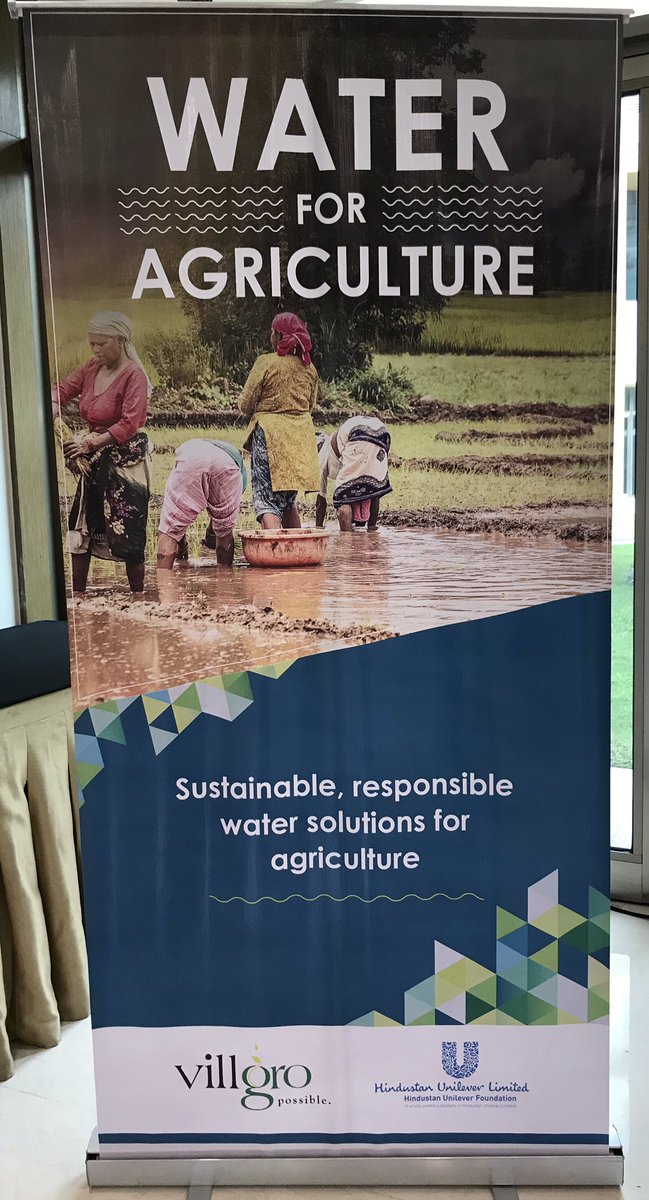
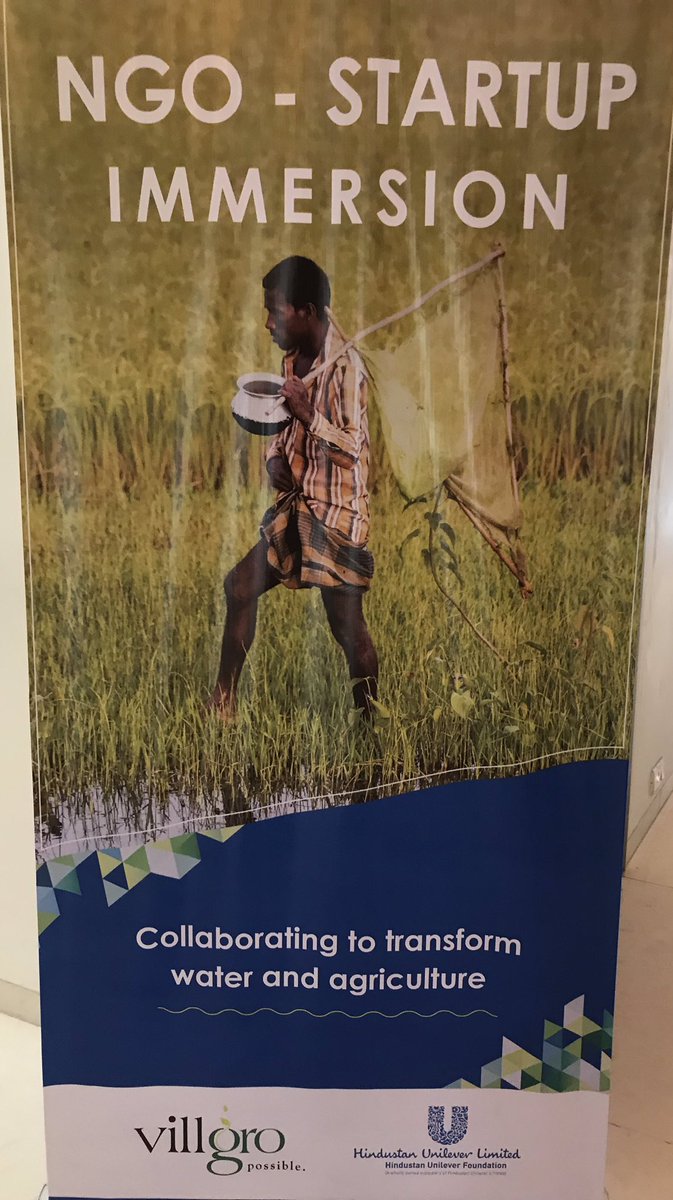
Excellent immersion session between NGOs & Startups on water security organised by @HUL_News foundation & @Villgro to assess how to solve the water problem in agriculture #sustainability#AgTech#PlanetFirst
Want to know how land is used in #Australia? The Queensland Land Use Mapping Program used emojis to create a thematic map of how land is used in the Brisbane region. 🌳😃 See this wonderful map here: https://t.co/A4edcP3Adg #PoweredByEsri@QldGov
🤦I've just lived the irony of a data analysis workshop that drifted into the topic of giving good presentations, spent over an hour on things like the importance of ending early... and is now ending late.
Industry heads in the automobile sector sense that up to 1 million jobs could be lost. This is despite the fact commercial vehicle buyers could buy more vehicles now before the stricter anti-pollution norms kick in next year (vehicles will then be costlier).
More scary than the challenges faced by big industry are the ones that will sweep the lighter mfg sector. Robotics-driven production in rich countries will have huge effects on developing nations which have millions of wage-arbitrage jobs making products for exports.
Strategic adjustment to global competitive changes is difficult in India, because we don't have a strategy-led policy environment for economic action. Instead, political leadership of the economy has been the norm, and this is usually more reactive than proactive.