Companies replacing junior roles with AI and then wondering why they can't find senior talent in five years is going to be the most predictable crisis in hiring history.
We can achieve great things when we work together.
The Artemis II recovery team includes specialists from the U.S. military alongside engineers and technicians from NASA and Lockheed Martin.
HOME.
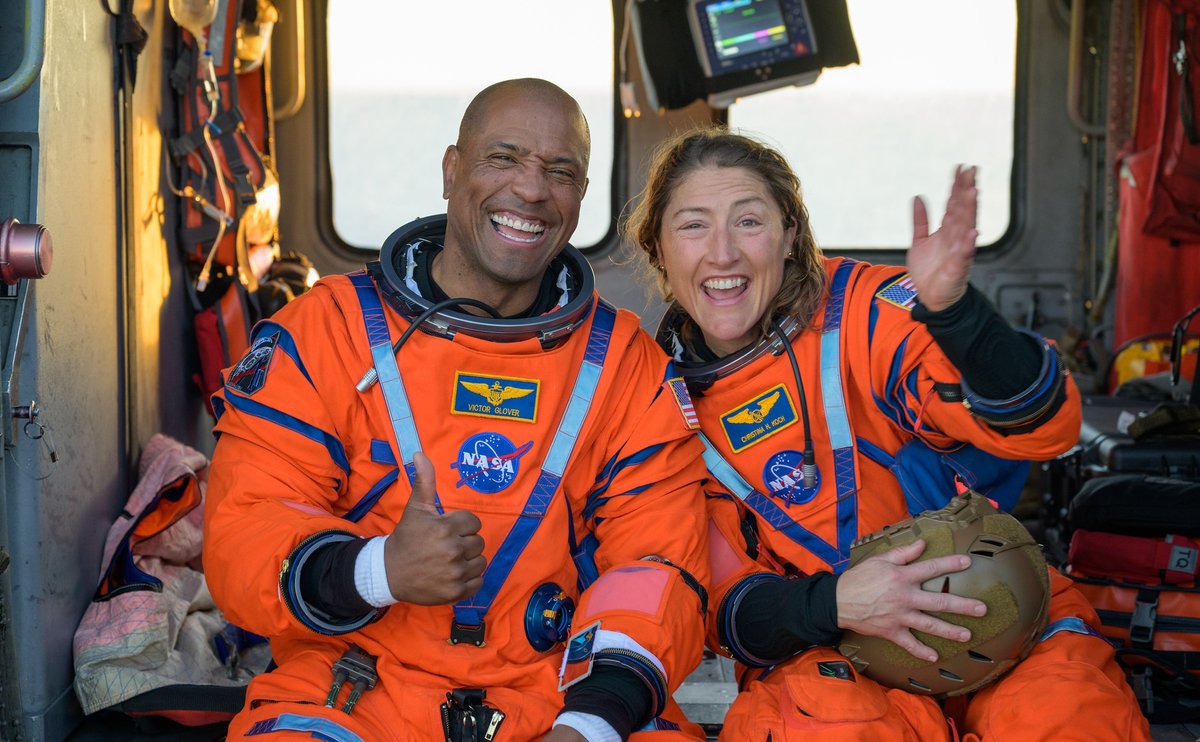
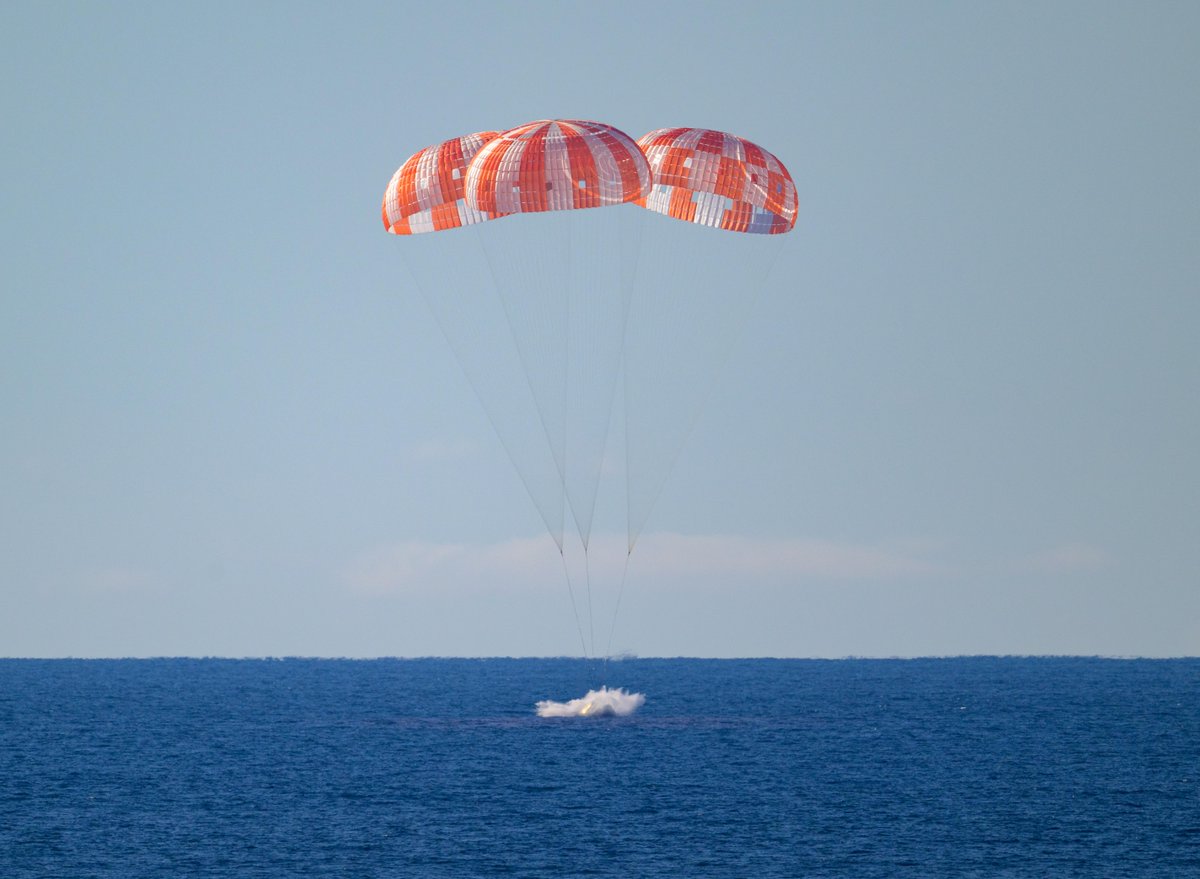
The Artemis II crew has arrived back on Earth, ending a nearly 10-day journey around the Moon. The trip took them farther into space than humans have ever gone before, and now they're safely home with us.
https://t.co/XmDQwNlCPR
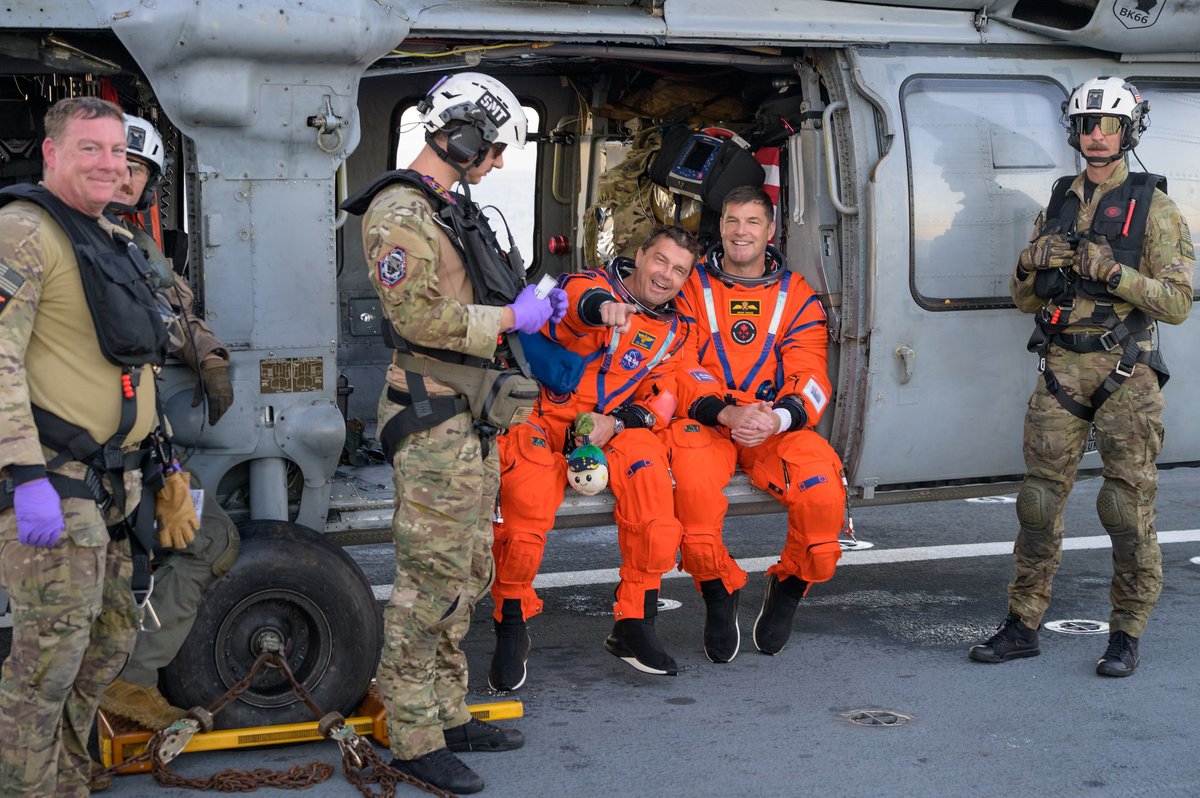
The Artemis II astronauts were all smiles on the flight deck of USS John P. Murtha after they were extracted from their Orion spacecraft after splashdown.
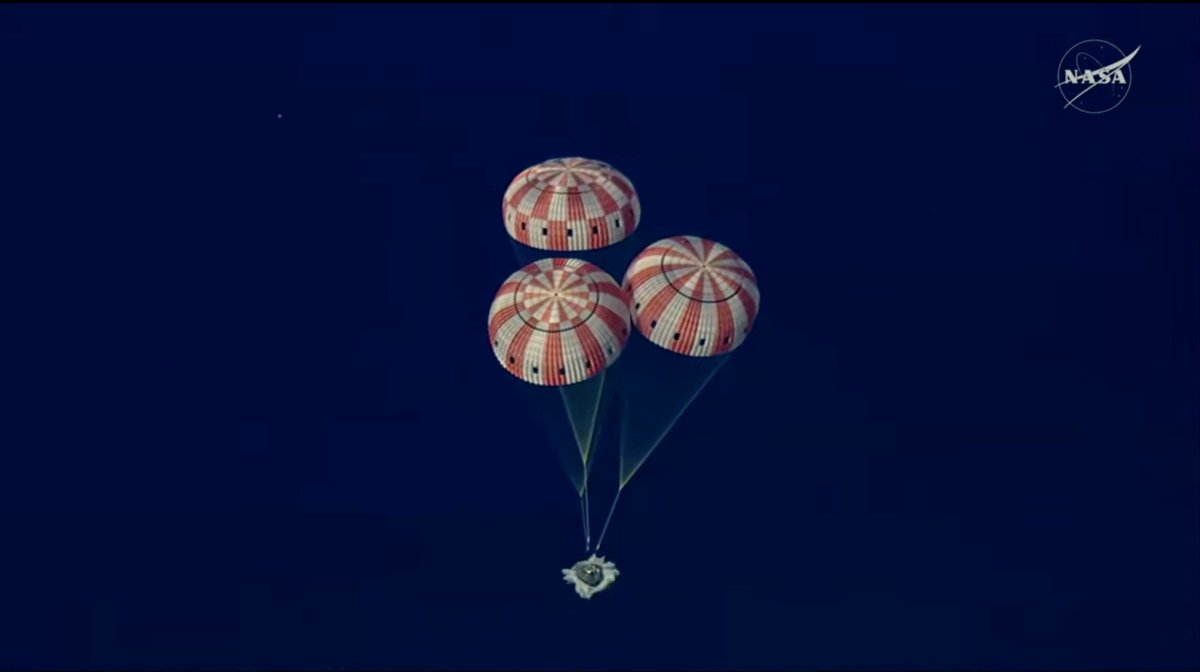
And splashdown!
America is back in the business of sending astronauts to the Moon and bringing them home safely.
Reid, Victor, Christina, and Jeremy did an outstanding job. These talented astronauts inspired the world and represented their space agencies and nations as humanity’s ambassadors to the stars.
This was a test mission, the first crewed flight of SLS and Orion, pushing farther into the unforgiving environment of space than ever before, and it carried real risk. They accepted that risk for all we stood to learn and for the exciting missions that follow, as we return to the lunar surface, build a Moon base, and prepare for what comes next.
And they were not alone. The entire NASA workforce, our commercial and international partners, and the hopes and dreams of people all over the world were with them. The astronauts know it, and you should too. This mission would not have been possible without you.
Congratulations. Artemis II, mission accomplished.
Wake up—it's Artemis II's last day in space!
As the crew prepares to splash down in the Pacific Ocean this evening, they started their day with "Run To The Water" by Live, their wake-up song played by Mission Control.
Fly me to the Moon. 🌕
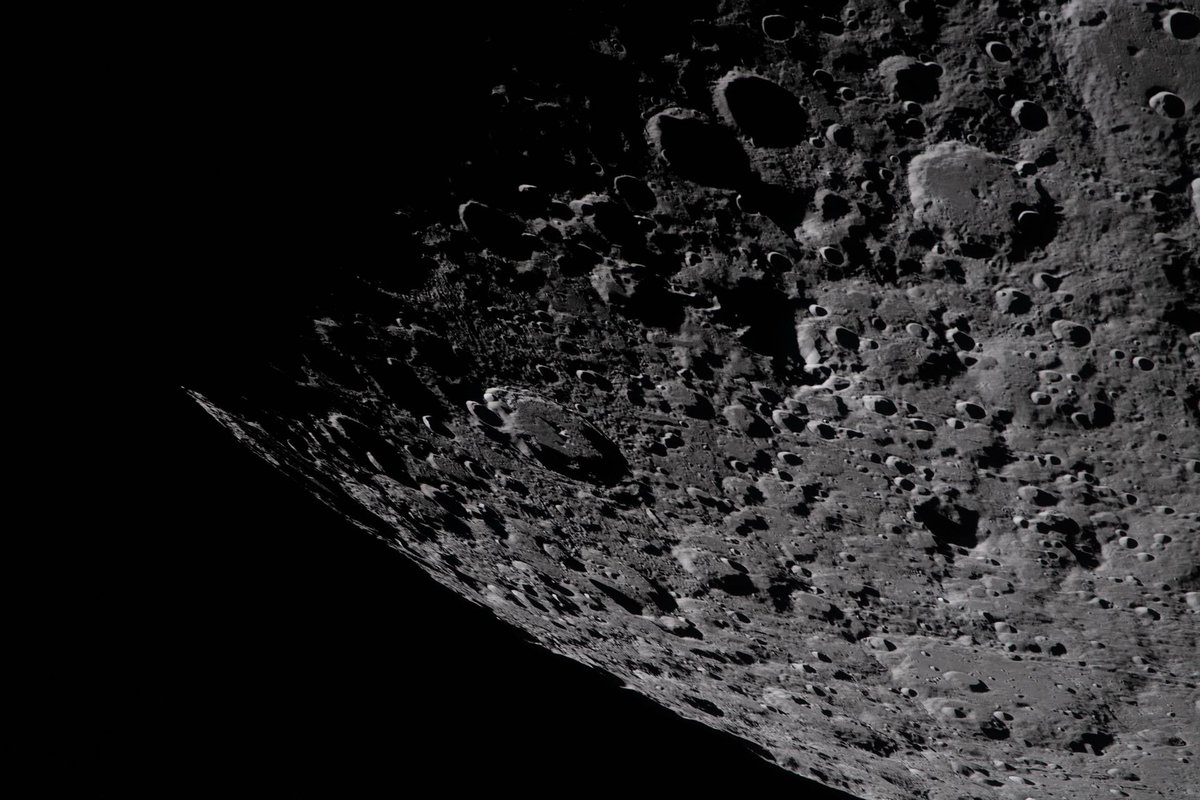
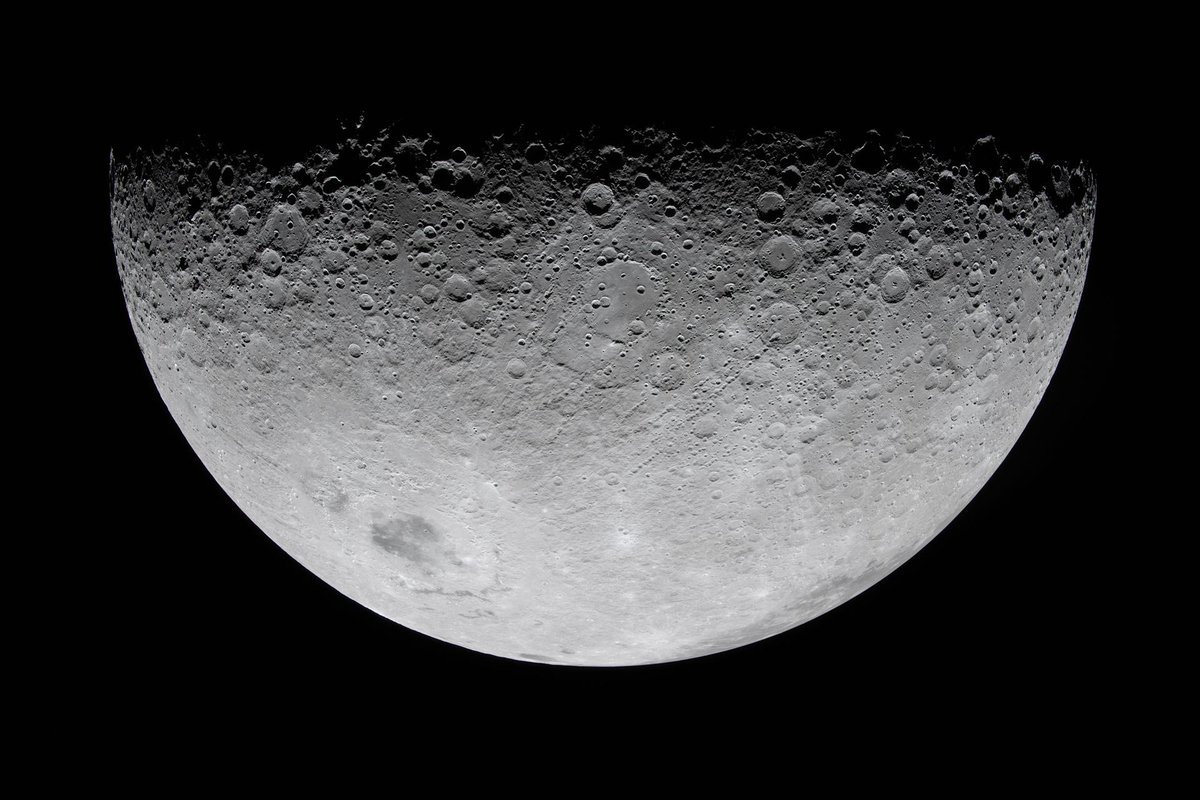
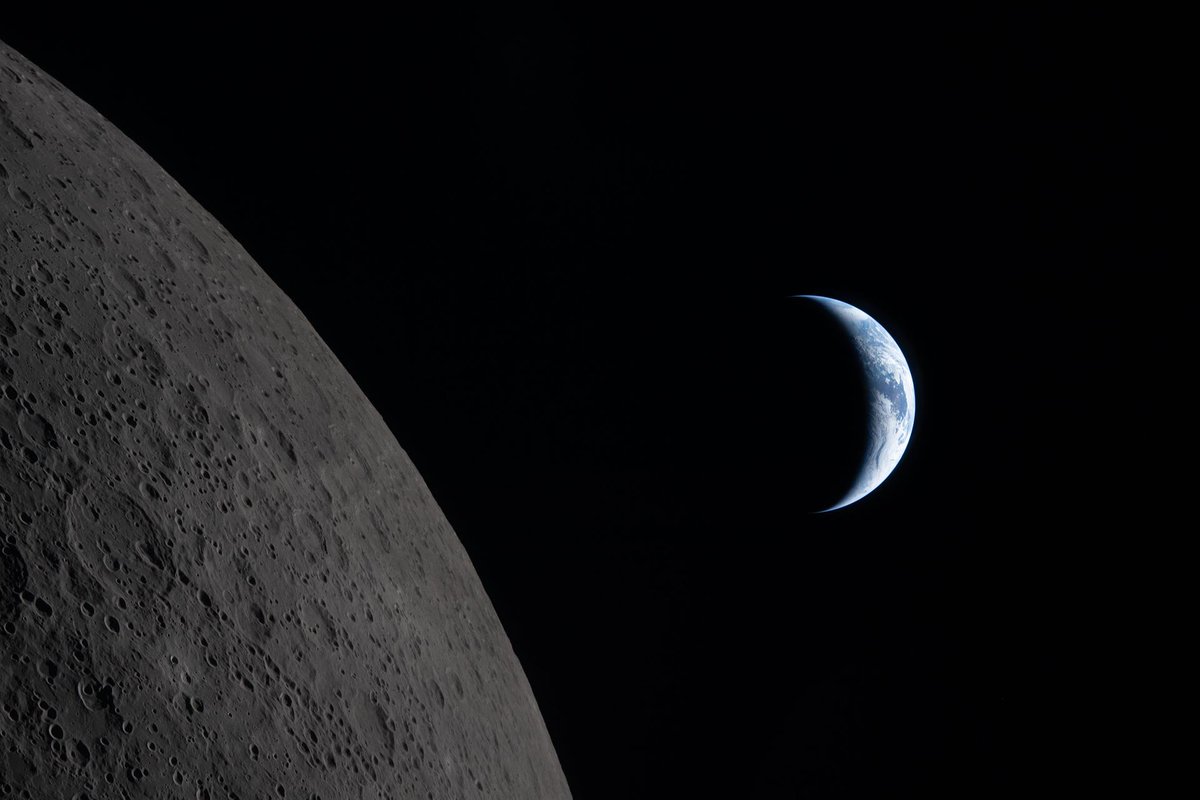
These stunning pictures were taken by the Artemis II crew during their pass over the lunar far side.
The crew are now heading back to Earth, with NASA targeting 11 April for splashdown off the coast of San Diego. 🌍
These photos are a good reminder that Photographers argue about gear way more than history does.
Some people will cheer because they were shot on Nikon. Some will say they would’ve looked better on Sony. Some will say the astronauts should’ve taken a Hasselblad and it would have been perfect.
But that misses the point completely.
These images, Earth, the Moon, Earth setting behind the lunar horizon, a close-up of a crater, were made on a journey around the Moon with 10-year-old Nikon DSLRs.
And they’re stunning. And would have been stunning with a Lecia too, or a Canon, with similar focal lengths and sensor.
Because great photographs are rarely about having the newest camera. They’re about having the right tool, knowing how to use it, and being ready when the moment happens.
The brand didn’t make these images.
The age of the camera didn’t make these images.
The astronauts did.
Their eye, their preparation, their connection to what they were seeing, and their ability to use the gear they had in one of the most extraordinary places humans have ever gone.
Shoot, just hearing that they had proper shrouds over the windows and dimmed the lighting in the cabin to cut reflections, my photographer soul rejoiced! They thought through how to best capture the moments!
Yes, being in the right place at the right time matters. In a moment like this, it may matter more than anything.
But when that moment comes, what matters next is knowing your gear well enough to make the picture and being setup with the right gear to make it happen.
Not chasing the newest model.
Not arguing over logos.
Not pretending the camera is the artist.
Vision matters. Passion matters. Timing matters.
But when that moment comes, what matters next is knowing your gear well enough to make the picture and being set up with the right gear to make it happen. moment happens. (now let the silly camera model debates start...)
Photo Credit: NASA