After a hiatus, glad to be back in the chair producing new episodes of @BioAgePodcast — a show that features the people & companies advancing the science of human longevity and discovering drugs to extend healthspan.
For those of you who reached out to say you'd been missing the show — thanks for the encouragement and inspiration. And for those of you who haven't listened before, now's a great time to start.
"There is no such thing as ‘a’ senescent cell — just as there is no such thing as ‘a’ cancer cell."
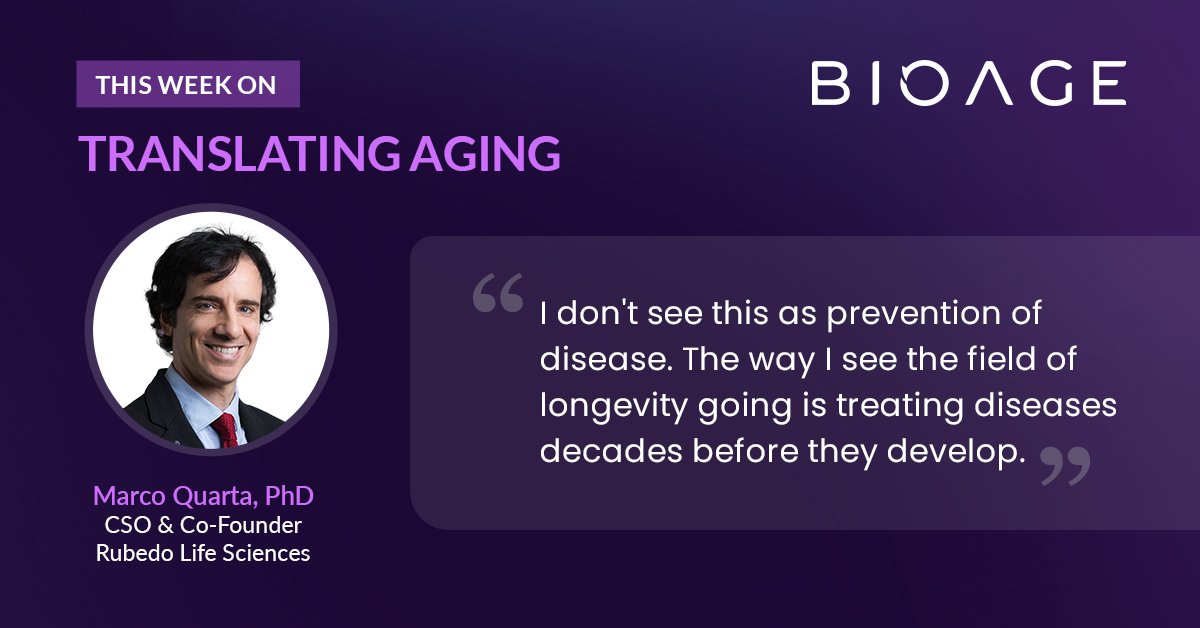
Marco Quarta brought that premise to Translating Aging back in 2023. Three years later, the co-founder and CSO of @LifeRubedo returns to the show with the data to back it up: Phase 1b/2a results for RLS-1496, a first-in-class topical GPX4 modulator, with clean safety and significant efficacy signals across four skin indications. In our conversation, Marco also introduces his concept of a new drug class — senoadaptive therapeutics — that clear pathological cells and restore stressed-but-recoverable ones.
Plus: why GPX4 modulation could become the next GLP-1.
🎧
• Apple: https://t.co/TLqZWy5dFw
• Spotify: https://t.co/WV5coZx0yY
FinalDose is building the first programmable drug platform - a single smart drug molecule that finds diseased cells by their DNA and destroys them. They're starting with all cancers.
Congrats on the launch, @Jeffliu6068Liu, @sklin_lite, and @liyaohuang2!
https://t.co/uKJgl7lpmR
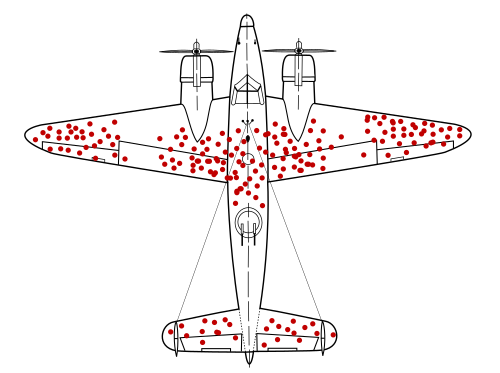
@josiezayner Sounds like a way to get buy-in from tech bros who once heard biology explained by analogy to computer and now think they understand biology
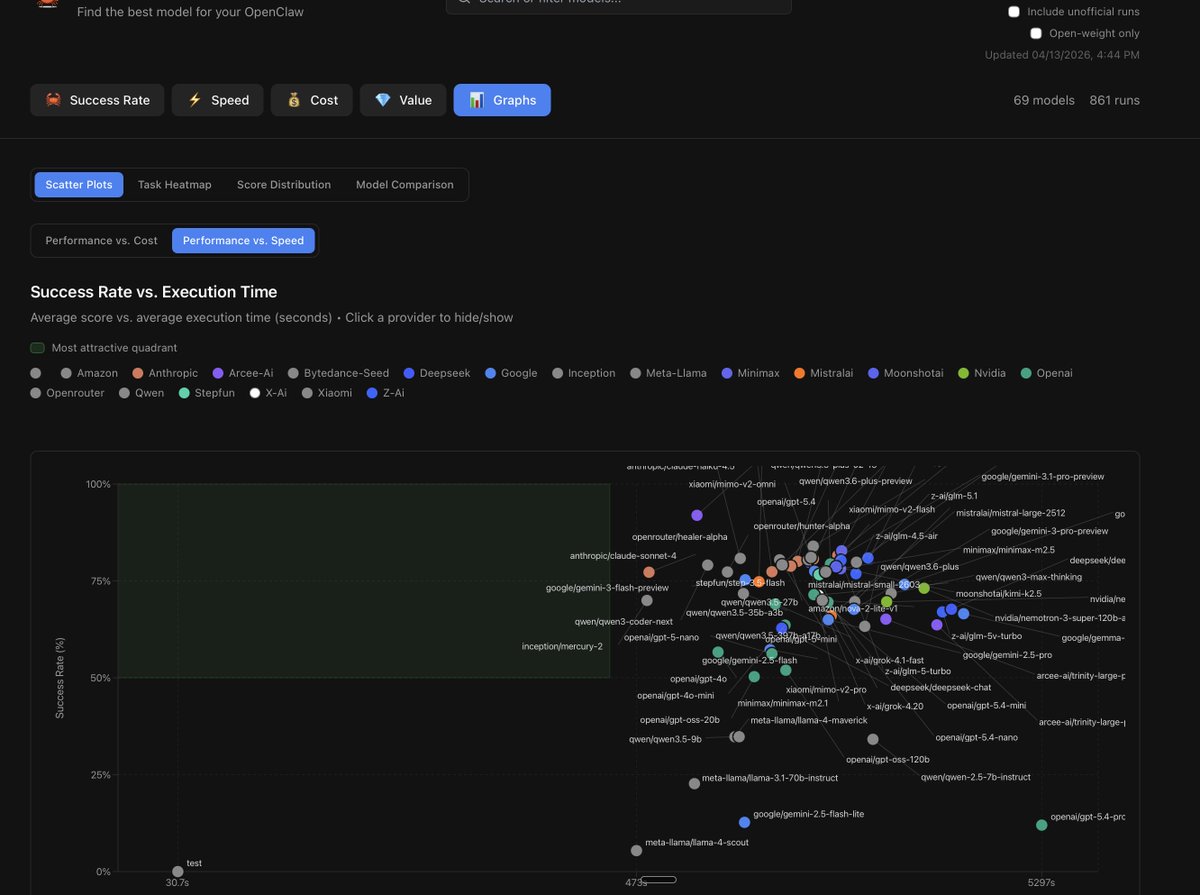
@olearycrew You're certainly welcome, and thanks for fixing it! As I'm sure you understand as a data person - I'm so happy to see the graph as it was intended
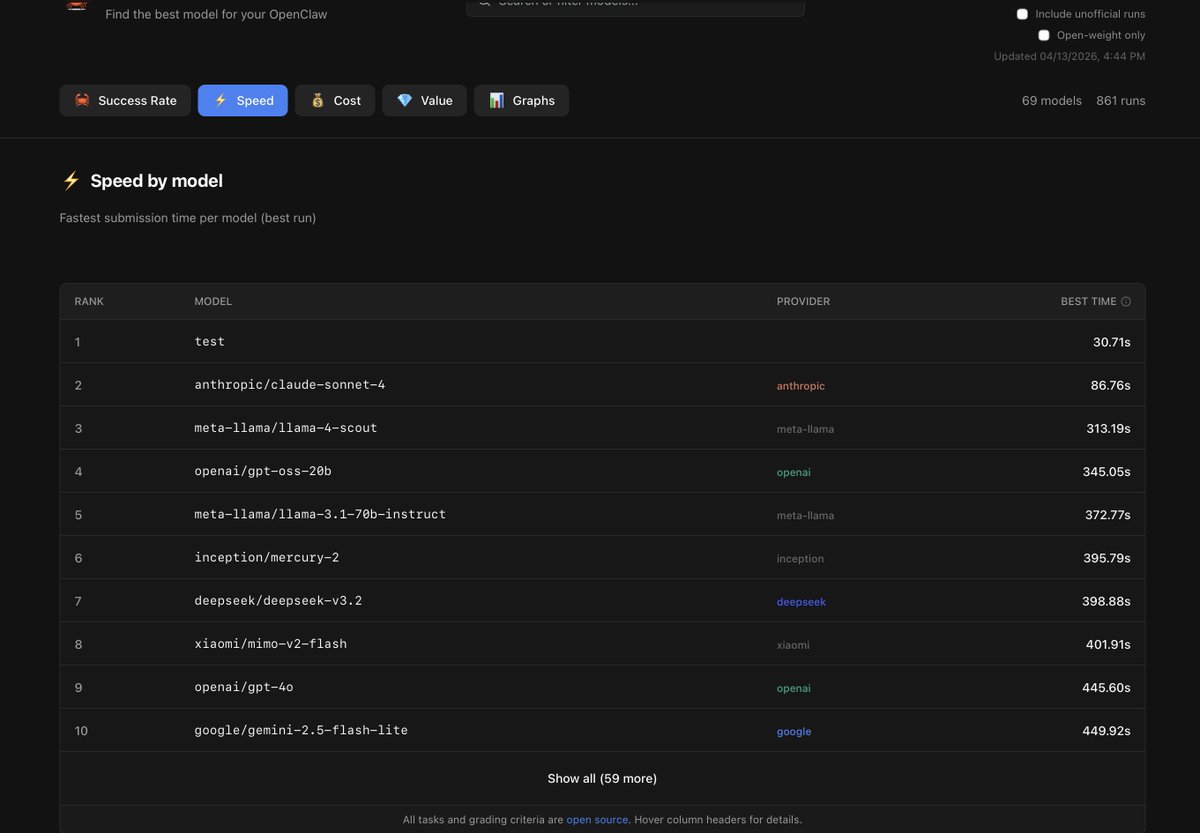
@olearycrew Thanks. Didn't feel like a github issue; it's about the underlying data. There's a dummy model in the db called "test", and because it has a very small "best time" and a success of 0, it borks the graph of "perf vs speed" by bunching everything else in the upper right quadrant
@pinchbench the presence of the “test” model (with its tiny best time) is borking your “performance vs speed” graph because everything else bunches up in the top right
I know this is a bot account but can’t figure out how to get a human’s attention on this
@KarlPfleger@MartinBJensen notwithstanding this quibble, I agree with Martin on the importance of dedicating capital to techs that enable large-scale increase in healthy lifespan
We're pleased to share additional positive interim Phase 1 data for BGE-102, our potent, orally available, brain-penetrant NLRP3 inhibitor — showing potential best-in-class hsCRP reduction in patients with elevated cardiovascular risk.
Read the release:
https://t.co/4sdxxxM1nv
Key findings from our first MAD cohort in obese participants with elevated hsCRP:
• Rapid and profound reduction in hsCRP, a widely used marker of inflammatory cardiovascular risk: 86% median reduction at Day 14
• 93% of participants achieved hsCRP levels < 2 mg/L, the clinical threshold for reduced cardiovascular risk
• Broad anti-inflammatory effects: Significant reductions in IL-6 and fibrinogen, key independent markers of cardiovascular risk
• Well tolerated: Favorable safety profile with no dose-limiting toxicities
Path forward: Full Phase 1 data, including additional multiple ascending dose (MAD) cohorts in participants with obesity and elevated hsCRP, anticipated 1H26
Phase 2a study on track to initiate 1H26, with readout anticipated by year-end
Aging biology in action: Chronic inflammation is now recognized as a major driver of cardiovascular disease—on par with cholesterol—yet it remains undertreated. NLRP3 is a key driver of age-related inflammation, and BioAge's discovery platform showed that reduced NLRP3 activity is associated with healthy longevity. With the potential to deliver injectable-like inflammation reduction in a convenient oral therapy, BGE-102 could address a significant unmet need in cardiovascular risk management and beyond.
We look forward to sharing full Phase 1 results in the first half of this year!
What will it take to turn the science of aging into new medicines that benefit millions of people? BioAge CEO and co-founder @kpfortney sat down with @TIME magazine’s @dmosbergen for an in-depth conversation about why targeting the biology of aging could transform how we treat metabolic disease—and why the field is at an inflection point.
The interview, published in TIME’s “Future of Living” series, covers topics including:
• 🔬 BioAge’s human-first approach — With decades of health records and biological samples, we can study what's different about people who age well and work backward to find drug targets.
• 💊 BGE-102, our lead NLRP3 inhibitor — Now in Phase 1 clinical trials, this once-daily oral therapy targets the chronic inflammation that drives cardiovascular risk as we age.
• 🏃 Apelin and the biology of exercise — We're developing drugs that mimic the molecular benefits of physical activity, with potential to help maintain healthy body composition during aging and therapeutic weight loss.
• 🤝 Why Big Pharma is leaning in — Our collaborations with Novartis and Lilly reflect growing recognition that aging biology offers a path to preventative medicines that address root causes of chronic disease.
"I'm expecting a lot to happen in the next 5 to 10 years," Kristen says. "The growth in the field has been tremendous, so that really bodes well."
Read the full interview: https://t.co/tJ3Ctd27W2
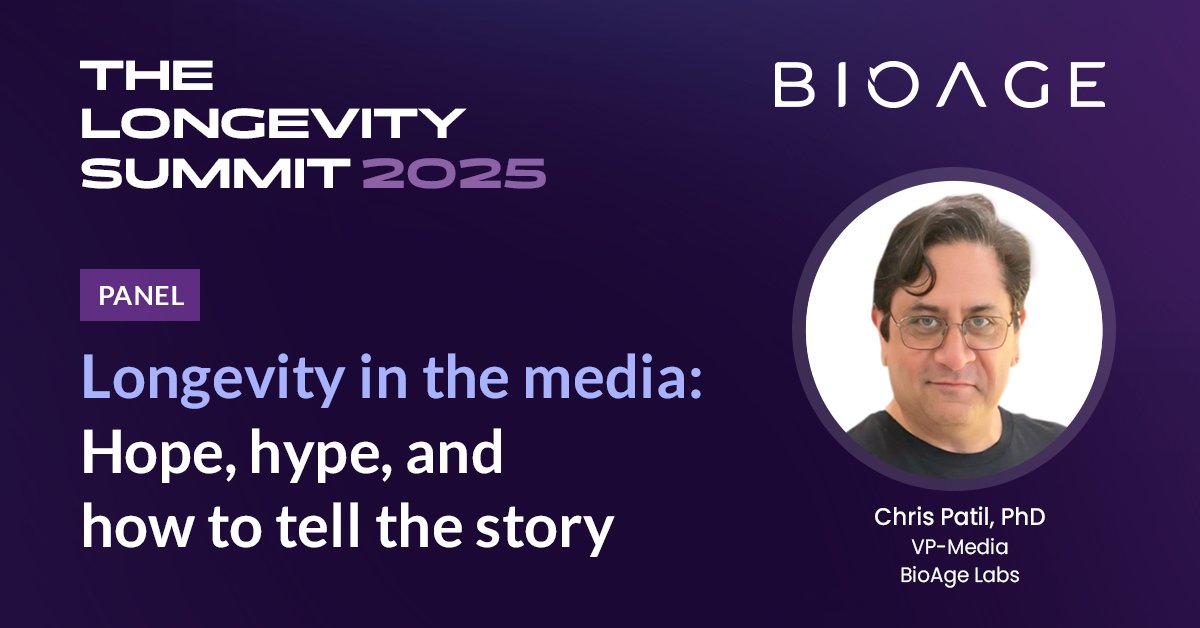
Why does ‘anti-aging’ hype sometimes drown out the best aging science? Why does Hollywood keep casting life-extension seekers as villains? And how can we educate the public about what the biology of aging makes possible?
Today at the 2025 Longevity Summit at @BuckInstitute, BioAge's VP-Media Chris Patil, PhD (@DoNotGoGently) is facilitating a conversation about the media narratives surrounding longevity science — and how we might tell them better.
Joining Chris on the panel will be:
- Zara Stone, Culture & Tech reporter at The San Francisco Standard
- Keith Comito, CEO & President, Lifespan Research Institute
- Gary J. Alan, Co-founder, ALSAE Foundation