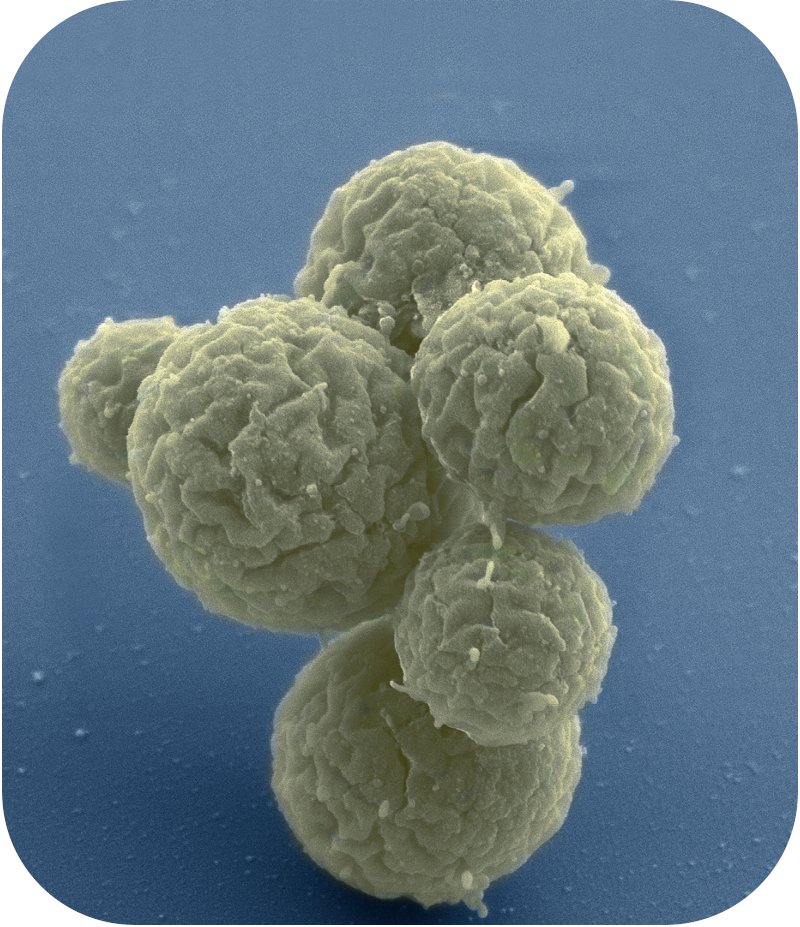
“Evolution of a minimal cell” in @Nature:
https://t.co/LxEyxhaZfo
Led by @RoyBoy432 with Brent Lehmkuhl at @IUBiology@JCVenterInst collaborators: Lijie Sun, Daniela Bittencourt, Kim Wise, John Glass
Along with @dschoolmaster, and Mike Lynch @ASUBiodesign
RIBOmap for spatially resolved single-cell translatomics is published today! Congrats to the whole team and thanks so much for the constructive feedback and great suggestion from the editor, reviewers, colleagues, and friends!
https://t.co/Dmxbe7atn5
Happy to share our work & the main part of my PhD now as a pre-print, searching for functional sORFs with @LoreLafra @simonelsasser Chris, Carmen & Jürgen. It's been quite the journey! Happy for any feedback, so feel free to reach out. https://t.co/KsQ9wVq6Ut
had a great time at #microproteins2023, learned a lot, grateful for the feedback received and happy having met (again) so many nice people. Location wasn't too bad either ;) Thanks a lot to the organisers for making this happen!
What are the roles of the youngest and shortest proteins of the human proteome? Happy to share our new publication in @MolecularCell where we studied these two underappreciated elements of the human proteome. Curious? Check our article & the thread below. https://t.co/3rWrr4RAkI
Excited to share our new work out online today @MolecularCell. Postdoc Zhenkun Na adapted proximity biotinylation to generate a subcellular map of the unannotated proteome. https://t.co/NDVNeeeJdH
Our latest on how mitochondrial microproteins/SEPs regulate OXPHOS & mito homeostasis. Congrats Liang Chao & Zhang Shan! To David Stroud (shoutout David Robinson @thestroudlab) & Deb Muoio for another successful collaboration! #microproteins#smORF
https://t.co/8TTxveqFZo
...And it's out @MolecularCell! 🥂
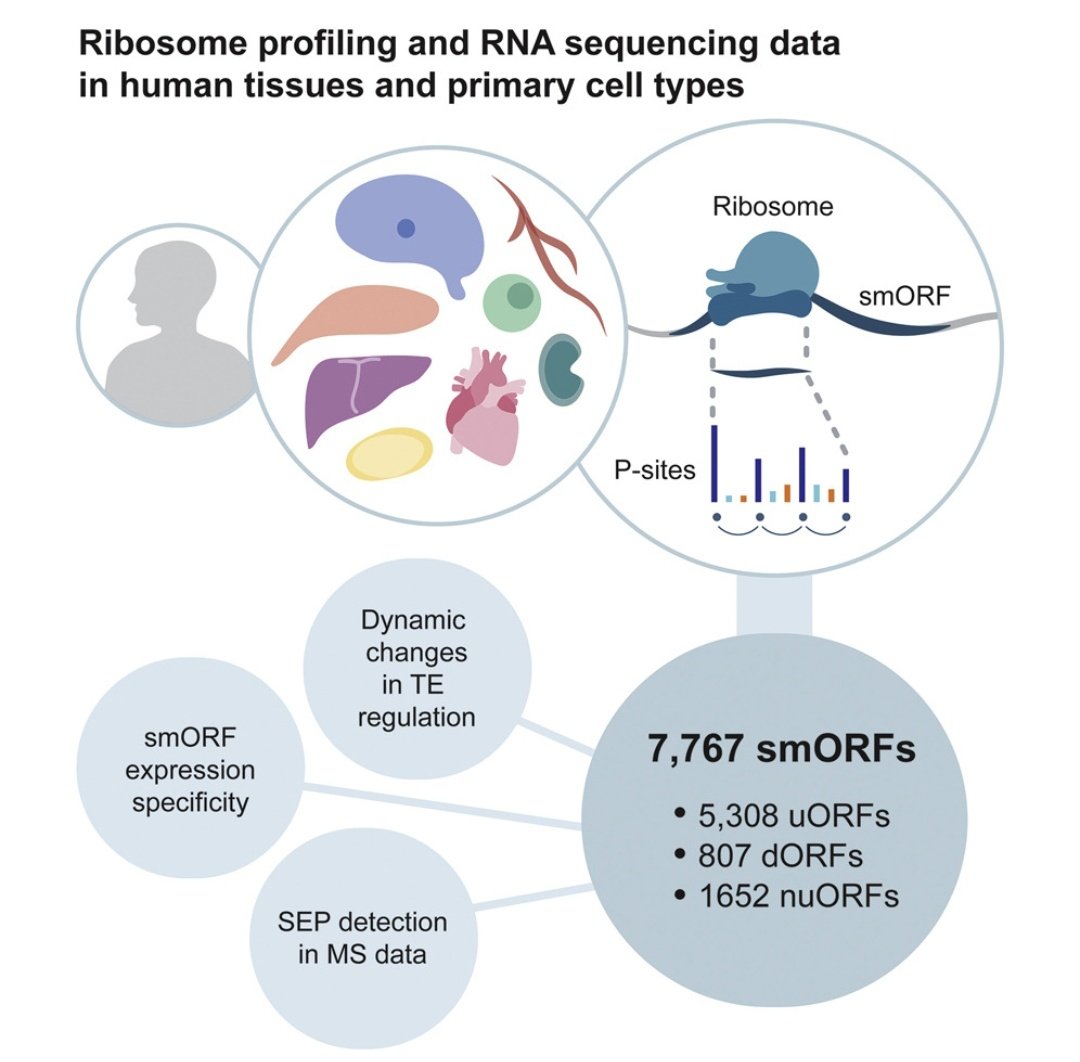
We, the team, are happy to share with the field an atlas of 7k small ORFs (smORFs) detected in 11 human tissues/ primary cells.
https://t.co/qYeWz1CfKf
We do know that B.1.529 has many more mutations than other variants *and* has mutations seen in other variants that are associated with BOTH higher transmissibility AND immune escape.
It's the number and type of mutations that are worrying the virologists & immunologists 10/16