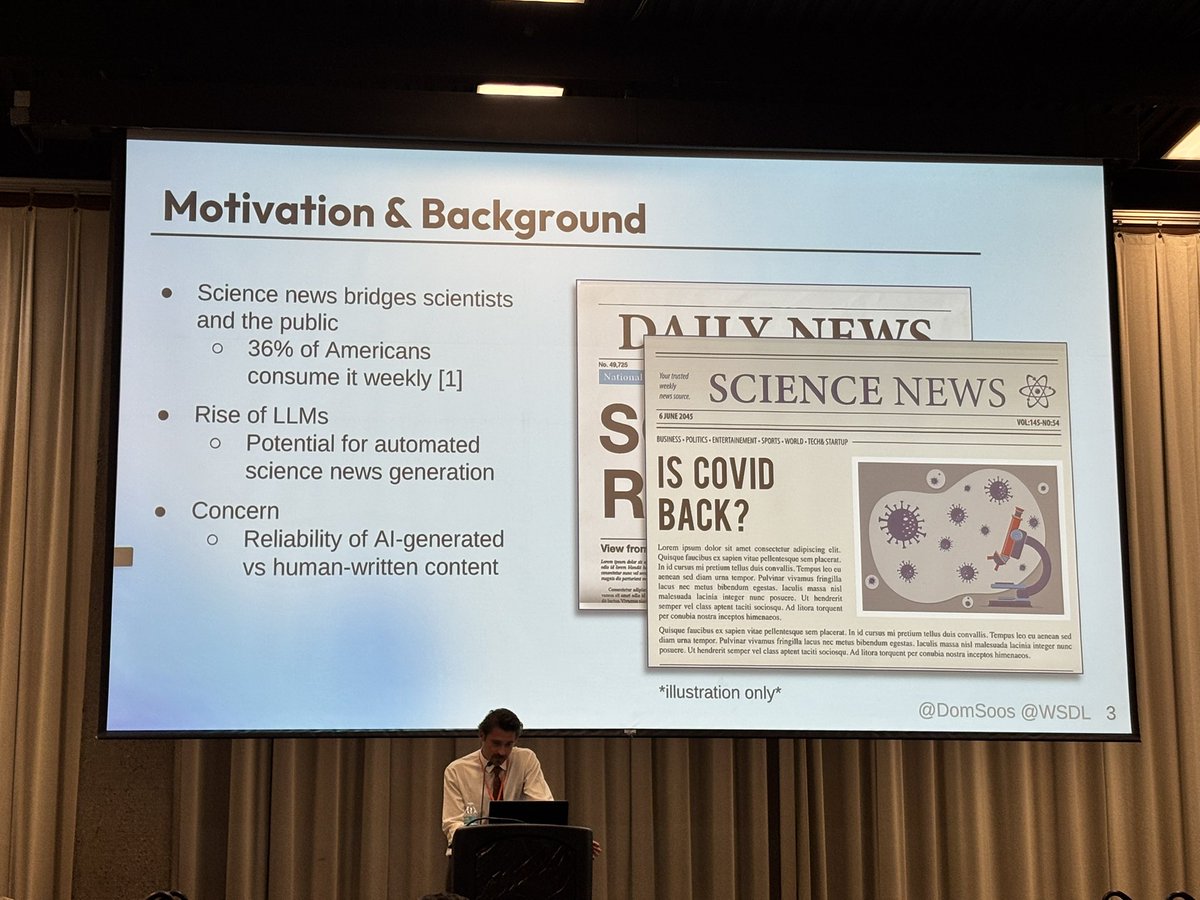
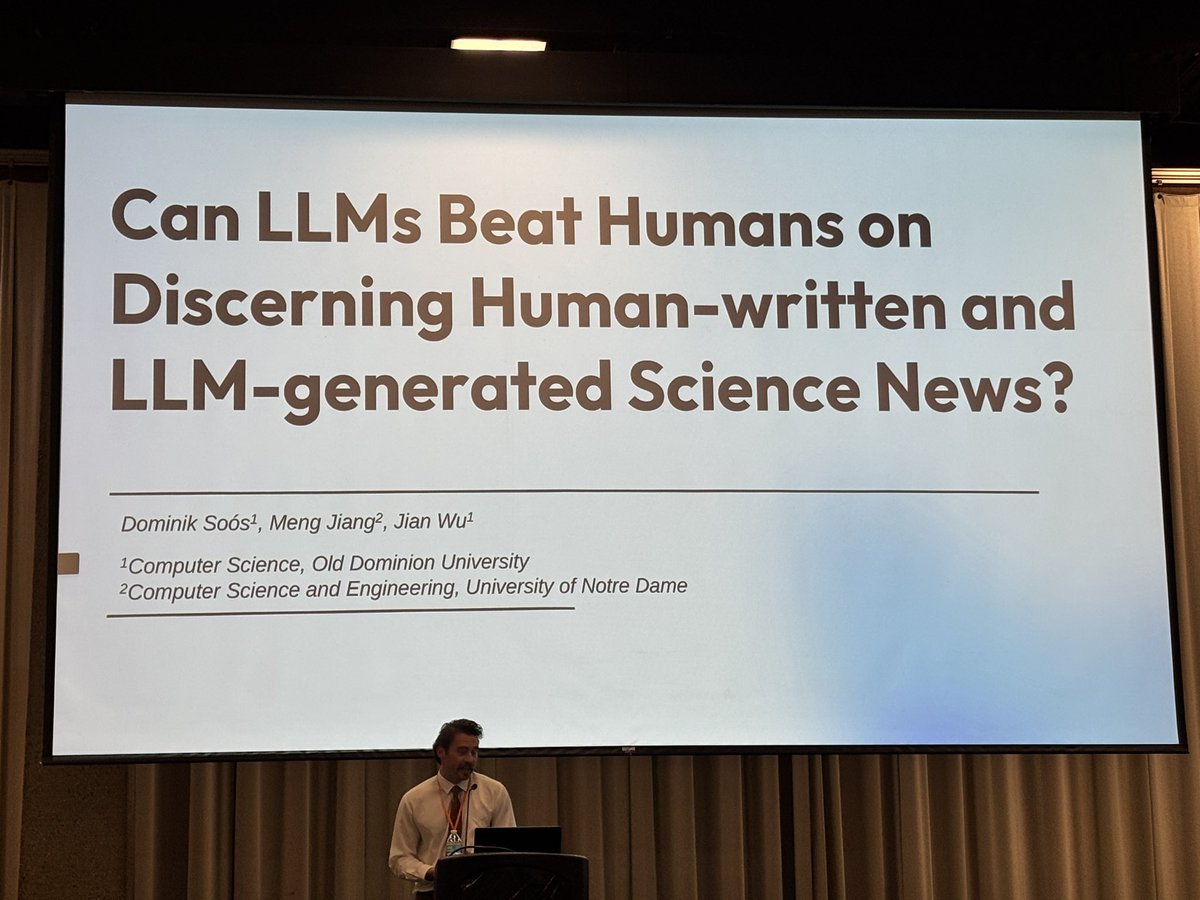
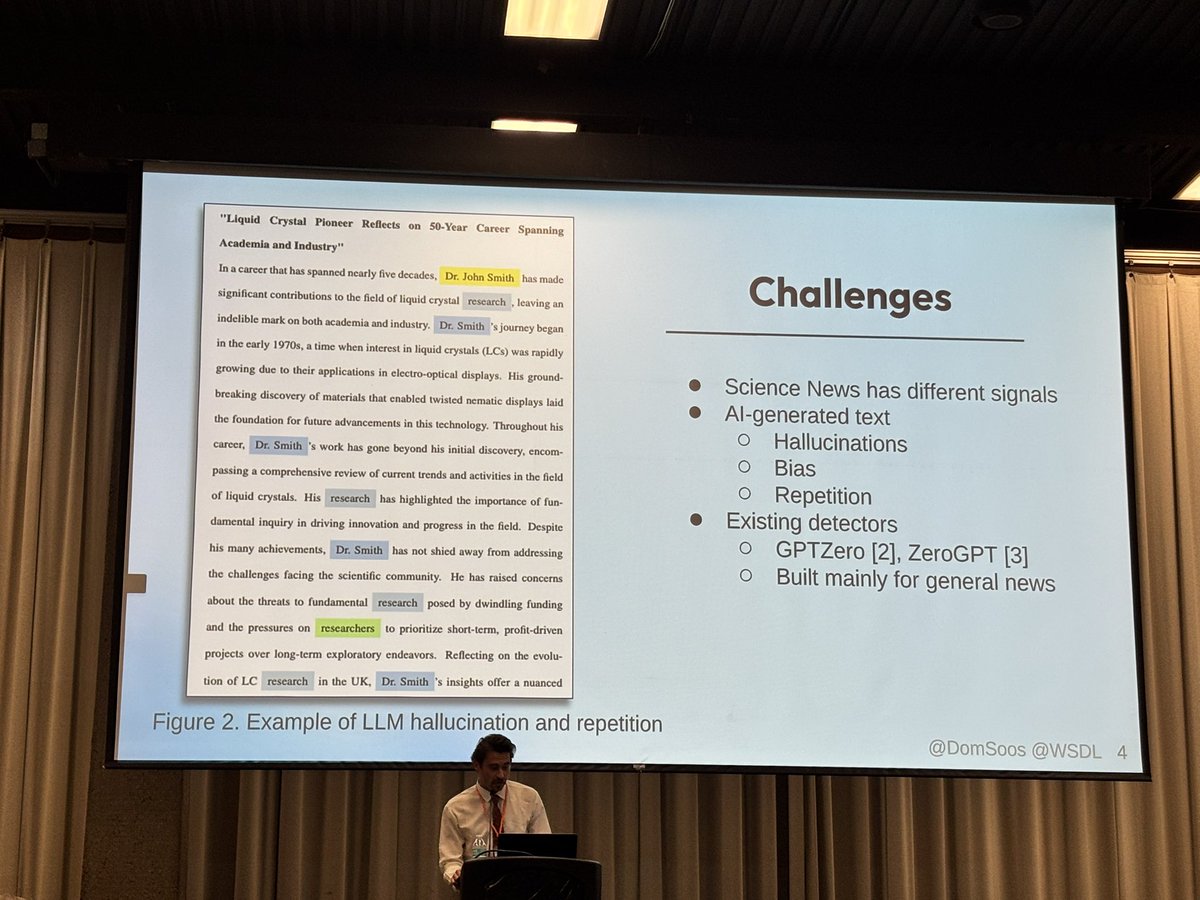
Presented our work at the 32nd IEEE International Conference on High-Performance Computing and Data Analytics (HiPC 2025) in Hyderabad, India🇮🇳
Trip report: https://t.co/QiSinIcIfC
@oducs@WebSciDL
𝗦𝗧𝗔𝗨𝗡𝗖𝗛 𝗗𝗘𝗙𝗘𝗡𝗦𝗘.
@KrisTrinidad43 led an @ODUFootball defense that conceded just 138 yards & recorded 9 sacks in a shutout win en route to the @SunBeltFB Defensive Player of the Week nod. ☀️🏈
📰 » https://t.co/mC7LdyqV1z
This is exciting; I expect we are going to see a lot more things like this and it will be one of the most important impacts of AI. Congrats to the Future House team.
https://t.co/Cxeh8UlWdk
𝗣𝗿𝗼𝗺𝗽𝘁 𝗲𝗻𝗴𝗶𝗻𝗲𝗲𝗿𝗶𝗻𝗴 𝗶𝘀 𝗱𝗲𝗮𝗱.
I know that sounds dramatic, but hear me out.
Every developer building with LLMs eventually hits the same wall. The model is smart, sure. But it can't access your docs. It forgets yesterday's conversation. And it makes stuff up when it's not sure about something.
You can't prompt your way out of these problems.
The real skill now? 𝗖𝗼𝗻𝘁𝗲𝘅𝘁 𝗲𝗻𝗴𝗶𝗻𝗲𝗲𝗿𝗶𝗻𝗴 - building the system 𝘢𝘳𝘰𝘶𝘯𝘥 the model that feeds it the right information at the right time.
Think of it like this: the context window is basically the model's working memory. It's a whiteboard. Once it's full, old stuff gets erased to make room for new stuff. So you need architecture that manages what goes on that whiteboard and when.
We just dropped a full guide on context engineering (free, obviously). It covers everything from chunking strategies to multi-agent systems to the new Model Context Protocol.
And includes all these core components for building AI apps:
• Agents - the brain that decides what to do when
• Query Augmentation - turning messy requests into something useful
• Retrieval - connecting the model to your actual data
• Memory - so it doesn't forget everything between sessions
• Tools - letting it interact with real systems
• Prompting Techniques - yeah, this still matters, just not in isolation
If you're building anything serious with AI, this is the shift you need to understand.
Get your free copy here: https://t.co/hmeXLWZbT0
.@DomSoos from @WebSciDL and @oducs is presenting "Can LLMs Beat Humans on Discerning Human-written and LLM-generated Science News?" They explored whether LLMs can outperform humans for LLM-generated vs. human written news.
🔗doi: 10.1145/3720553.3746674
#LLM#NLP@fanchyna
Excited to share that our paper with @Fermilab has been accepted to HiPC 2025🎉
We built an efficient GPU-based multidimensional global optimizer that combines PSO, BFGS, and Automatic Differentiation.
The animation highlights the global search.
@oducs@WebSciDL
Wrapped up my internship @Fermilab! From particle accelerators to bison, it’s been an unforgettable summer. Blog post here: https://t.co/QCfFpoKHkl
@WebSciDL@oducs
Paper accepted to ACM Hypertext '25! 🎉
We show we can improve open-source LLMs to human level accuracy at distinguishing between human-written and LLM-generated science news. Thankful for my advisors for their support. @fanchyna@Meng_CS@WebSciDL@oducs
LLMs Get Lost in Multi-turn Conversation
The cat is out of the bag.
Pay attention, devs.
This is one of the most common issues when building with LLMs today.
Glad there is now paper to share insights.
Here are my notes:
I almost got scammed yesterday!
I'll post it all here to showcase the anatomy of an online scam in the time of LLMs.
1. I received this invitation to speak at a tech summit at a well known University in China.
Pat Conroy is a FB prospect in the 2025 draft class. He scored a 9.98 RAS out of a possible 10.00. This ranked 2 out of 540 FB from 1987 to 2025.
https://t.co/n9iMLBQcZB
We knew very little about how LLMs actually work...until now.
@AnthropicAI just dropped the most insane research paper, detailing some of the ways AI "thinks."
And it's completely different than we thought.
Here are their wild findings: 🧵
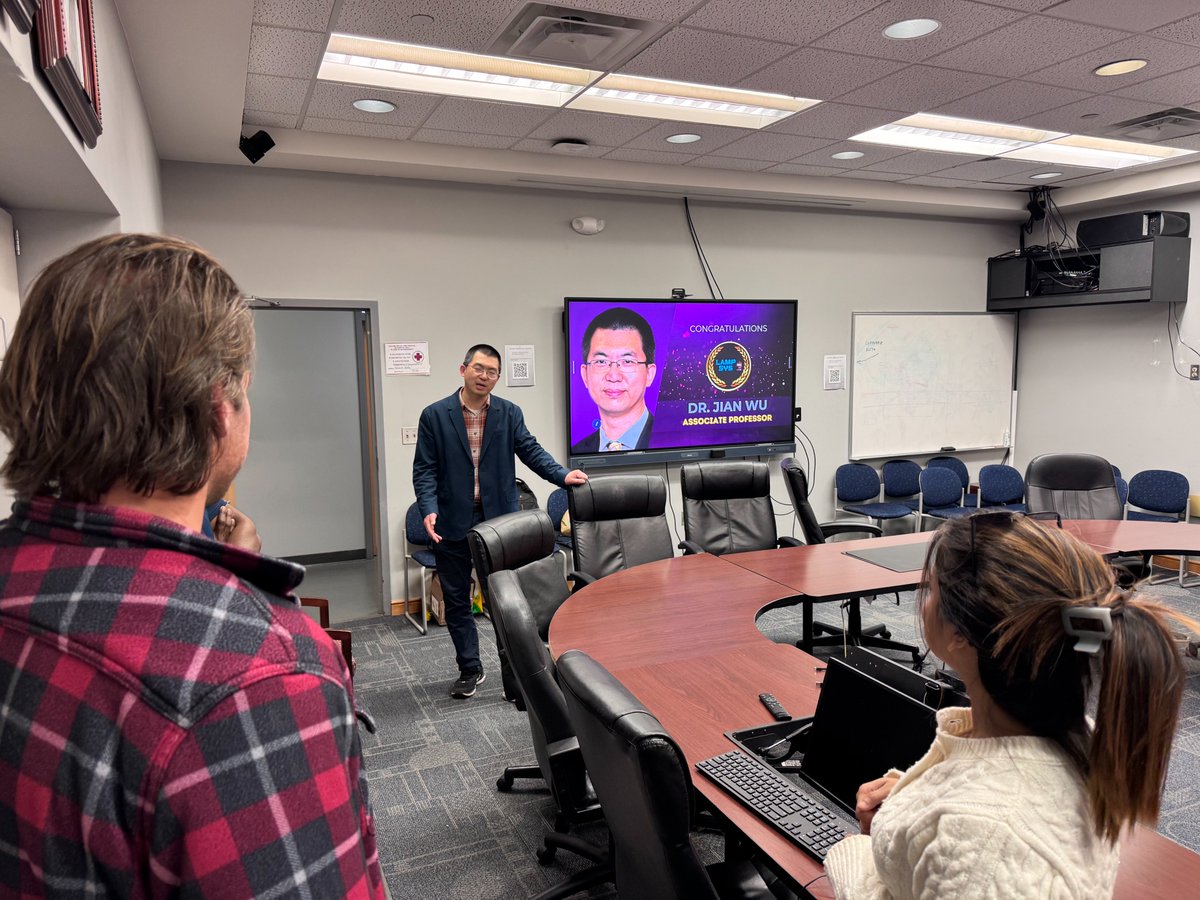
Celebrating Dr. Wu’s well-deserved promotion to Associate Professor! 🎉 A wonderful gathering filled with joy, gratitude, and inspiration. Huge congratulations, Dr. Wu! 🥂@fanchyna@WebSciDL@rochanaro@DomSoos@Xin9Xin
❗️Attention is NOT all you need ❗️
Using only 8 GPU's (not a cluster), we trained a Qwerky-72B (and 32B), without any transformer attention
With evals far surpassing GPT 3.5 turbo, and closing in on 4o-mini. All with 100x++ lower inference cost, via RWKV linear scaling