Human single unit fanatic - Postdoctoral researcher - linking language and memory: how is it represented in the MTL? -Universitätsklinikum Bonn - Mormann lab
After much consideration, I’ve decided to step away from academia. Although I find my work incredibly fascinating, I’ve chosen to transition into industry. I’m grateful to everyone I’ve met during these years—thank you for the insightful conversations, and memorable moments.
Extremely honored to have won the Brain Award for Scientific Excellence! A huge thanks to my promotors @Pieters_Tweet and @MatthewWSelf for their help and support throughout my PhD.
🎉 Huge congratulations to Doris Dijksterhuis (@DorisDijk) for winning the 2024 Brain Award for Scientific Excellence, and to Koen Seignette (@kseignet) for receiving the 2024 Brain Award for Collaborative Excellence! 🏆
Learn more about their work here 👇https://t.co/KJpI3YapWP
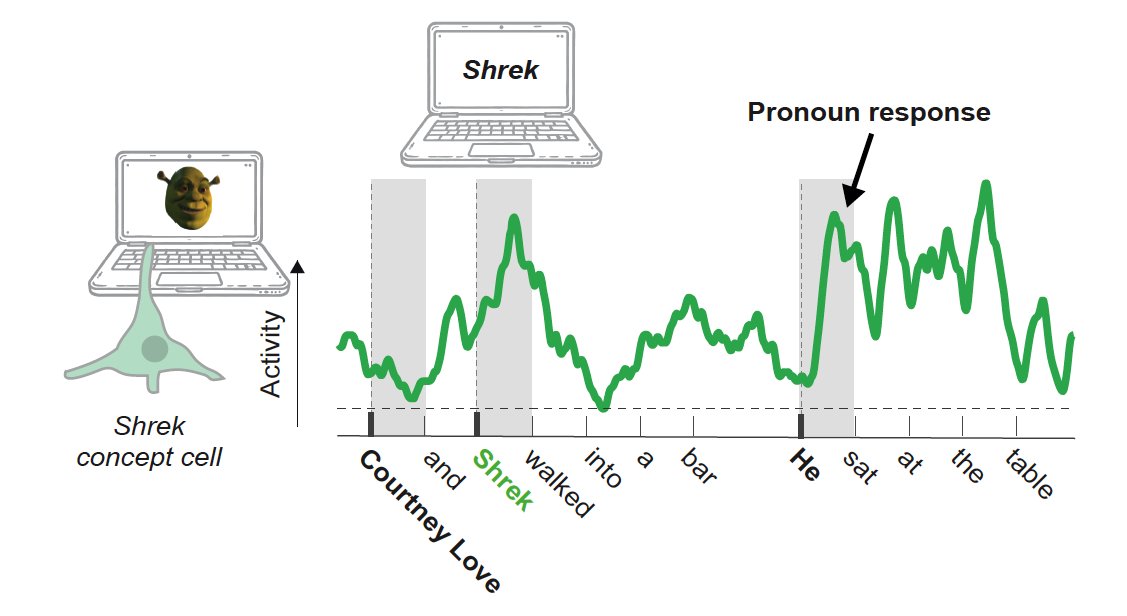
Neurons in the hippocampus, known as "concept cells," respond to both specific nouns and pronouns that refer to those nouns, suggesting these cells help link and update concepts during language comprehension. https://t.co/nV9HL7vizc
@aarteliteraria@PsyPost Thanks! I'm interested to learn more about how WM is represented during this process. You can see in our data that there is no persistent activity between the presentation of the noun and pronoun, so how is it then represented? Maybe somewhere else. I'm excited to dive into this.
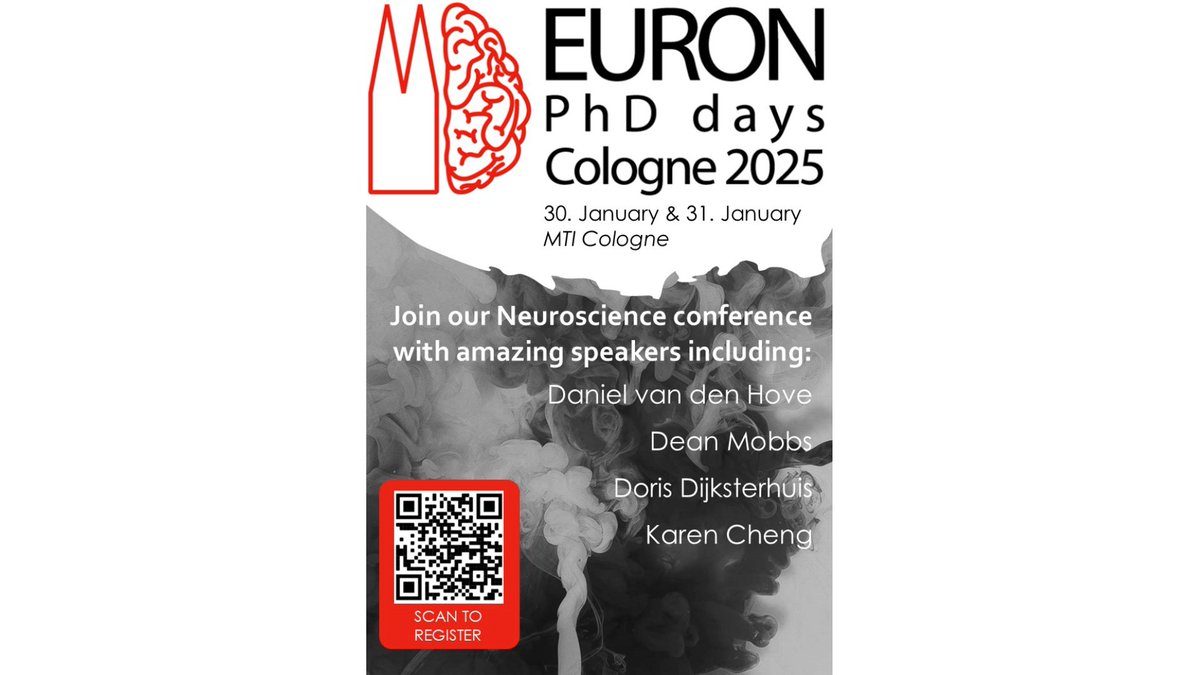
iBehave PhD student Quinn is co-organizing #EURON#PhD Days in @UniCologne
🎓 Workshop from iBehave CADRE Team
🎙️Talks from iBehave members @karen___yc & @DorisDijk
🎙️ Keynotes: Daniel van den Hove @Caltech & Dean Mobbs @maasuniversity
Register 👇
📎 https://t.co/0XJbMX8QaK
Hersencellen die actief worden als je een specifiek persoon voor je ziet, reageren ook op persoonlijke voornaamwoorden die naar die persoon verwijzen. https://t.co/9RxyxKK35u
Already the last day of SFN tomorrow - with many of us presenting in the very last session in the afternoon. Please come visit us at below posters (Posters V8-V16 & 1 Talk) to hear about our latest discoveries in memory and imagination. #SfN2024@CedarsSinai@CaltechN
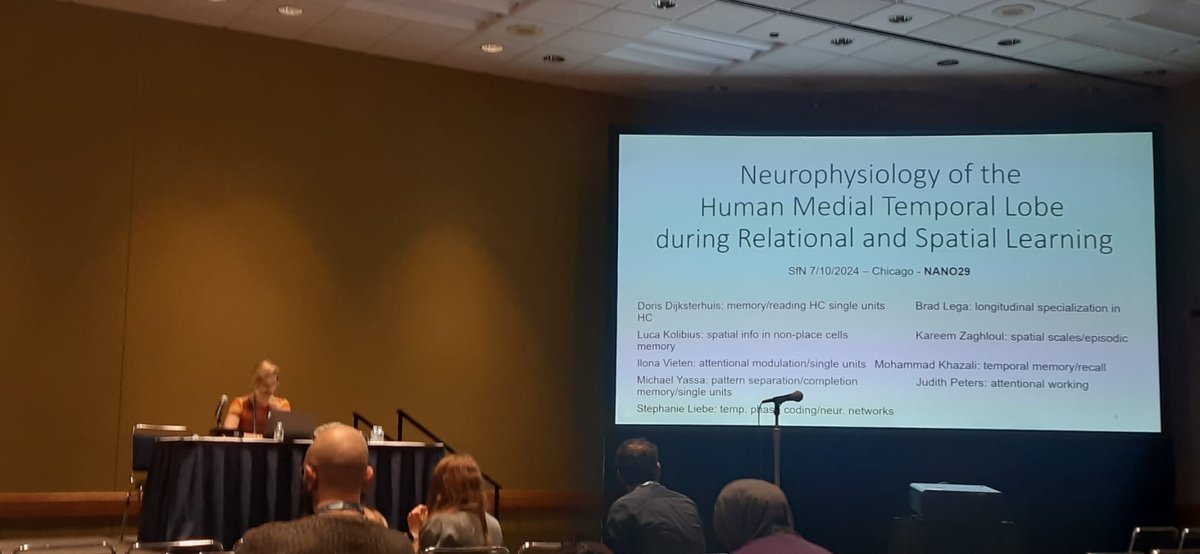
Very happy with how our nano session went at @SfNtweets 2024! Thanks to all speakers for contributing with such wonderful talks. I'm looking forward to follow your work and hope to organise more together in the future.
Gratified to see this elegant extension of our CONCEPT CELLS to language domain of pronouns. Beautiful demonstration by @DorisDijk et al. of the exceptional abstraction by these cells. On lighter note good to see Shrek cell (as we saw at @UCLANsgy) in hippocampus across Atlantic
@DorisDijk@MatthewWSelf I am very happy that the paper about hippocampal responses elicited by pronouns that refer to concepts came out this week!
https://t.co/b7cyrRj13j
Proud of our work and my PhD baby. Now out in Science: Pronouns reactivate conceptual representations in human hippocampal neurons. Thanks to @Pieters_Tweet, @MatthewWSelf and the others for this great study! https://t.co/t1mwL2i0l2
Concept cells can respond to pictures and written names. But did you know they also respond to pronouns when that pronoun refers to their preferred concept? We were able to follow conceptual representations during reading on a single cell level.
Are concept cells a.k.a. “Jennifer Aniston neurons” key to understanding how we form memories?
Check out our latest Q&A with Prof Florian Mormann @humansingleunit @UniBonn on his research and the potential implications for Alzheimer’s.
https://t.co/5BkgHJhy7a
#neuroscience
UnitMatch tracks neurons across multiple electrophysiological recording sessions. It relies on the spike waveform and allows tracking even when functional properties change such as during memory formation. @EnnyvBeest@MatteoCarandini@kennethd_harris
https://t.co/Jr5SJ8b5xf