Medical Oncology Former Fellow at @BPorgbr and now working at @Oncoclinicas. Interested in Breast Cancer, Oncogenetics and Cancer Genomic 🧬. Tweets are my own.
Major outstanding question:
*Does adjuvant CDK4/6i use reduce late relapse?*
-Even after stopping abema after 2yrs, MONARCH-E curves continue to separate after 5yrs @JCO_ASCO
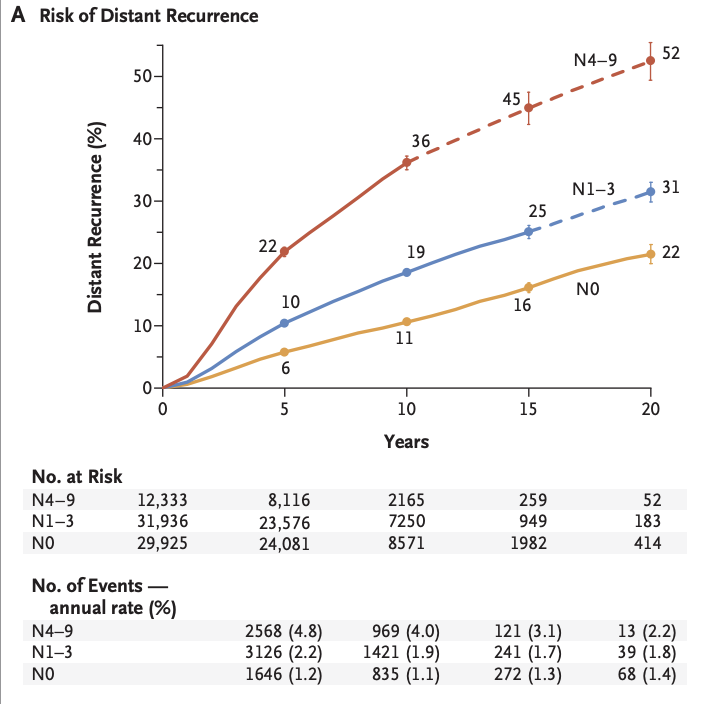
We know late relapse is a major challenge for HR+/HER2- #breastcancer (EBCTG meta-analysis @nejm 2017)
⁉️ what are your thoughts about pts
- eligible for adjuvant abemaciclib based on clinicopathological features
(⬆️high clinical risk)
AND
- without chemotherapy indication by genomic risk
(⬇️low genomic risk)?
Would you recommend adjuvant CDK4/6i for these patients?
Em 22 e 23 de março, São Paulo será sede do ESMO Summit Latin America, uma iniciativa da ESMO em parceria com a SBOC. Na programação, haverá destaque para as principais atualizações em tumores de pele, ginecológicos, gastrointestinais, pulmonares, mamários e urológicos.
Big deal to have official recommendations for germline #BRCA testing for ALL #bcsm under 65 in addition to those with MBC that could be eligible for PARP.
Results from the KENDO trial, testing CDK4/6i+ET vs. CT+ET in aggressive HR+/HER2- aBC
The study was closed early after 49 pts due to slow accrual
➡️Still, CDK4/6i seem to⬆️PFS vs. CT
➡️Basal-like PAM50 subtype had the worst PFS with CDK4/6
@OncoAlert
https://t.co/piqAw9vsLw
Celebrating 40 years of pioneering oncology research with @ASCO's Journal of Clinical Oncology! We're thrilled to share this milestone in our history. Look forward to the reveal of our most-cited publication on 12/15. Discover the top-cited articles: [https://t.co/s40PjKuRgx]
My take: PFS benefit with capivasertib is clear in patients with AKT pathway-altered tumors (upper curve), less clear in patients with non-altered tumors (lower curve). Supports the decision by the FDA to approve capivasertib only for the first subgroup.
Unfortunately true: novel ADCs are much more potent & effective than 1st gen ones, yet the higher potency comes at the cost of more chemo-related toxicities.
In our recent Nature Review we suggested some strategies to mitigate toxicity of novel ADC (🧵):
https://t.co/QcpeKTosCq
Four key points
1. OS benefit
2. CNS is very common site of initial recurrence in HER2+ cancers
3. TDM 1 lowers risk of CNS recurrence
4. Confirmation of Lin’s law @nlinmd that the best way to reduce CNS Mets is to give better systemic therapy that works everywhere
Hot off the presses. Inavo/palbo/fulv beats palbo/fulv for PFS as 1st line Rx for HR+ MBC! Safety noted 2b good. Where will this fit in with capi and alpelisib? Roche announces pos Ph III results for inavolisib combo in HR+, HER2- MBC with a PIK3CA mut. https://t.co/wqiAeht276
Prof Razavi at #SABCS23:
RB1 alterations are enriched in germline BRCA2 carriers, and BRCA2-mutated tumors tend to have worse PFS to CDK4/6i
To be noted that BRCA2 and RB1 are co-located on the same chromosome arm, and RB1 LOH is associated with resistance to CDK4/6i
@OncoAlert
This is a great list of data coming out of #SABCS23 that is immediately actionable.
Many giving us more granularity of the risk reduction with newer therapies AND the "cost" of these therapies.
@AACR@SABCSSanAntonio
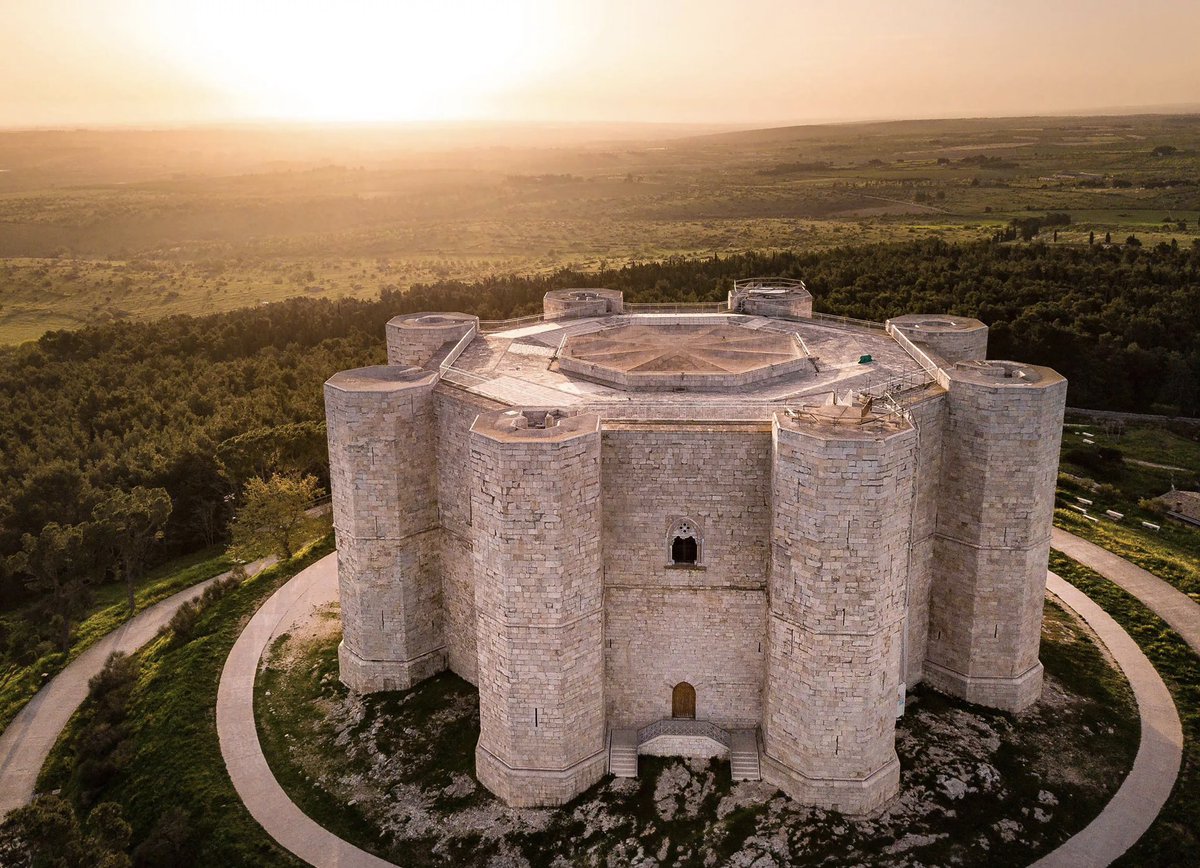
Correct! Anthracyclines were originally discovered in Italy approximately 70 years ago by a company named Farmitalia.
A member of the team went on expedition to Castel del Monte, in Puglia, in which soil he identified a strain of Streptomyces producing a substance with antitumoral proprieties: he called it “Daunomycin”, from the tribes of “Daunii” that used to live in Puglia during the Bronze Age.
The first trials with daunomycin were conducted at the NCI of Milan and at MSKCC, describing the first clinical responses. Meanwhile, the team at Farmitalia kept working on the molecule, developing an even more potent analogue.
They called it “Adriamycin”, from the Adriatic Sea that bathes the shores of Puglia, and that can be easily reached from Castel del Monte, where everything started.
More info here: https://t.co/UgQujAnGnX
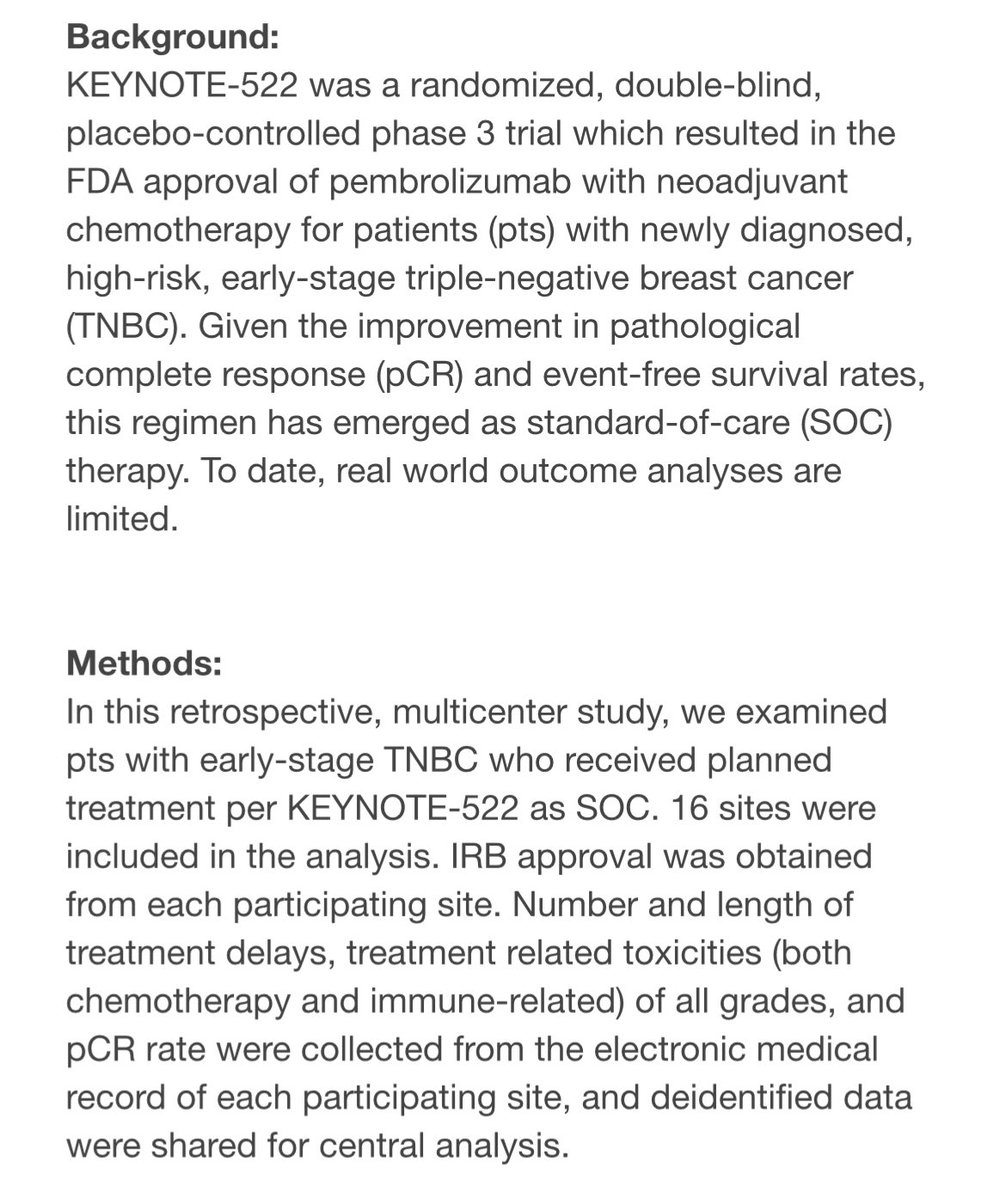
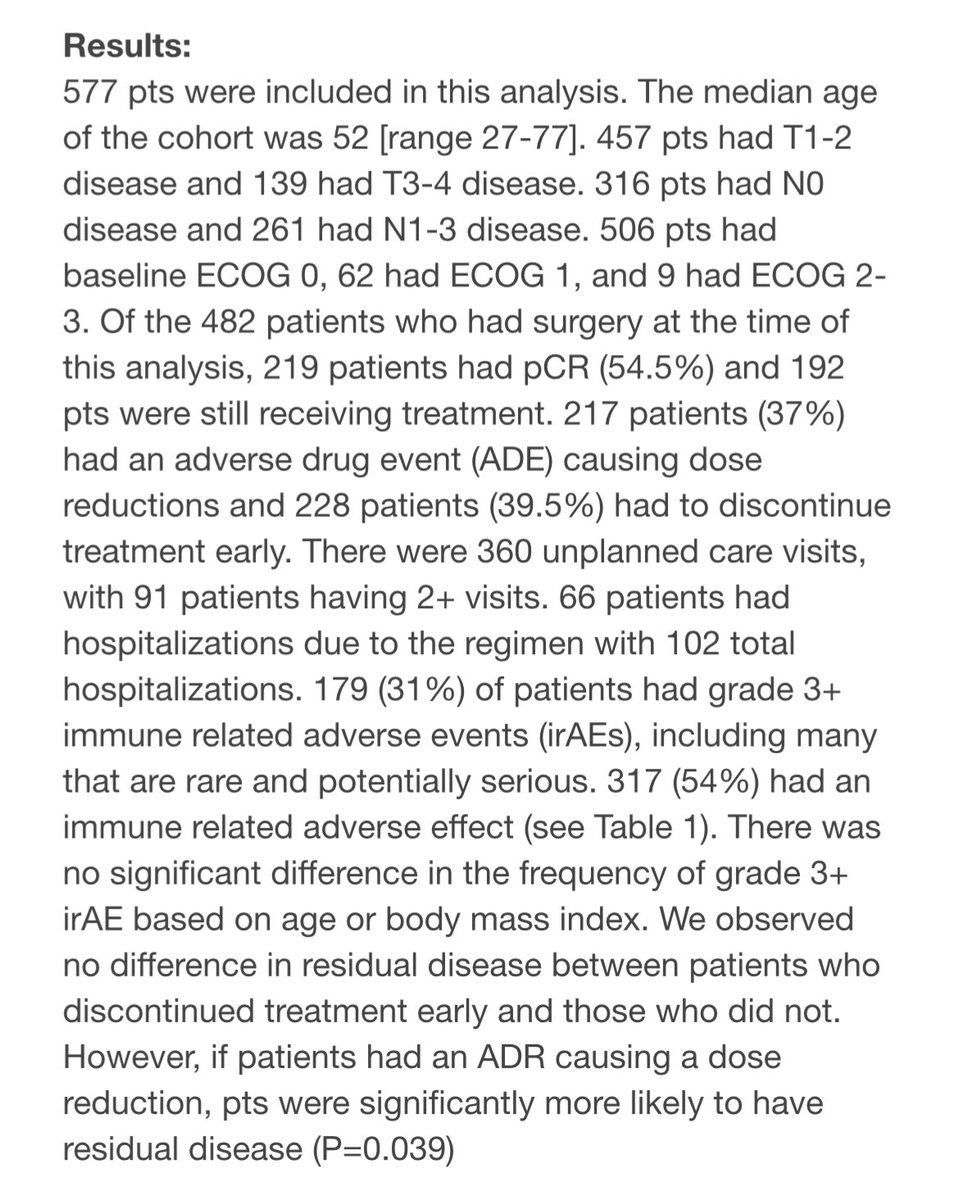
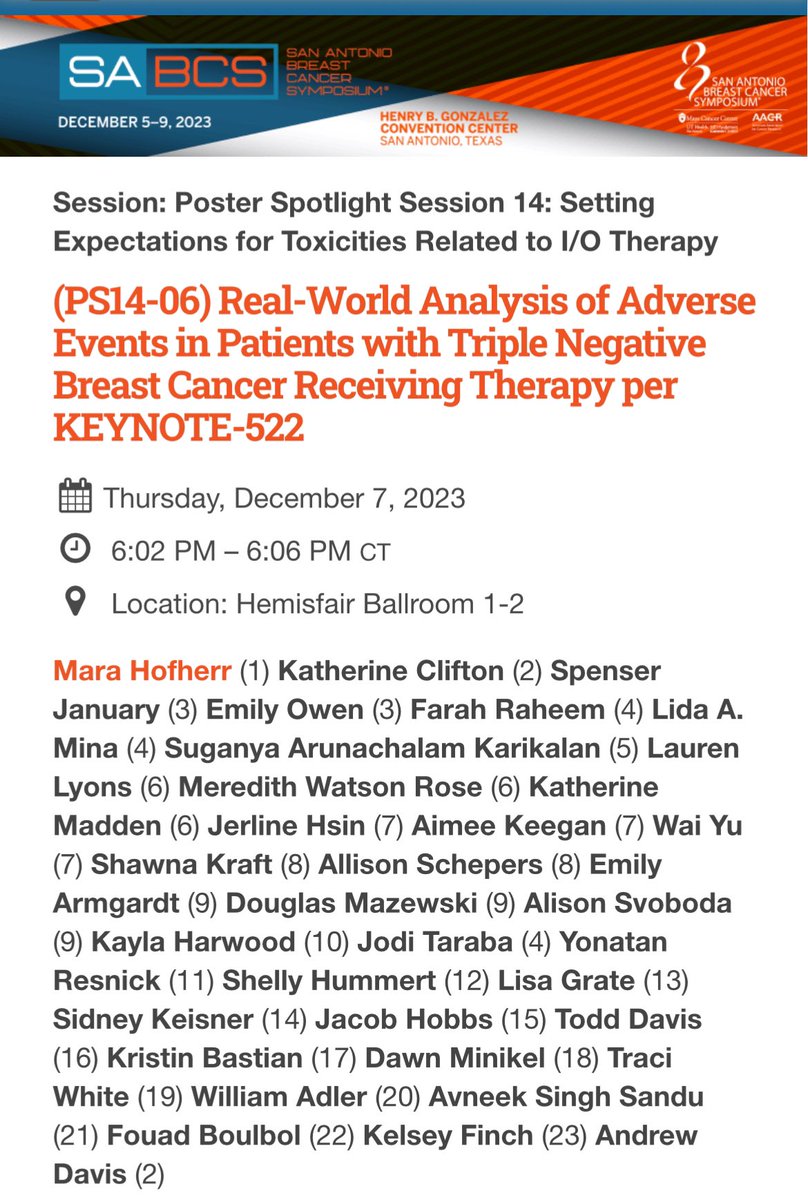
Kudos to Dr. Clifton et al for putting together this SABCS23 abstract on the real world toxicity of KN522. 16 sites, 577 pts with TNBC. The KN522 regimen led to a pCR rate of 54%, at the cost of 40% early discontinuations, 11% hospitalization, 54% irAEs, including permanent ones.
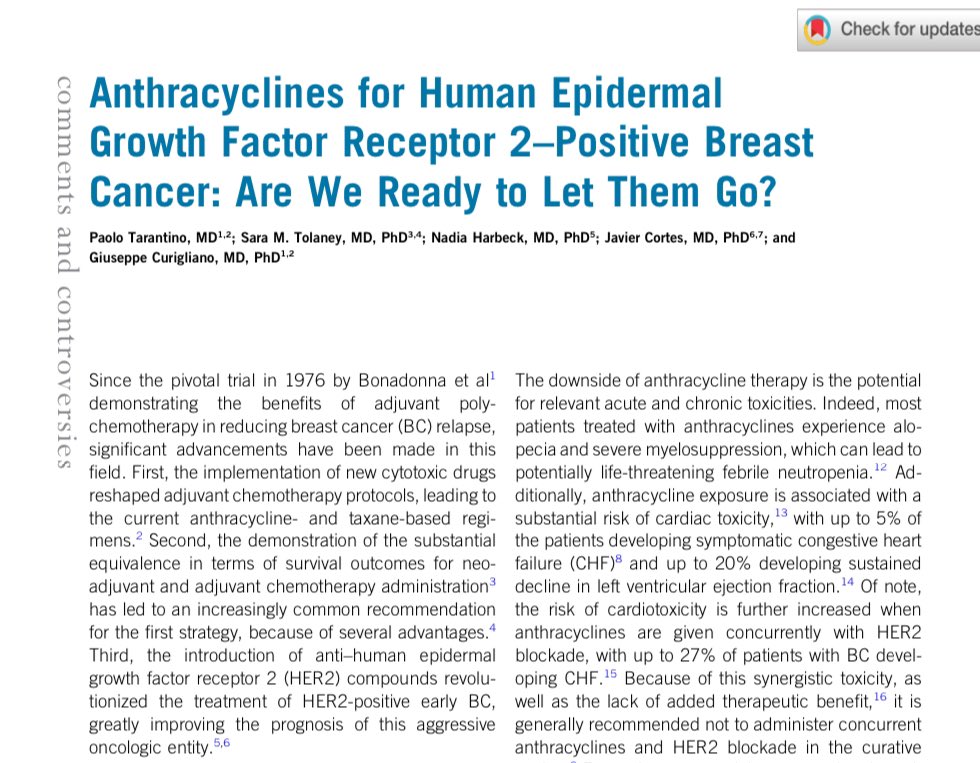
In preparation for the highly awaited #SABCS23 anthracyclines debate chaired by @DrHBurstein, make sure to give a read to our JCO editorial on anthracyclines for HER2+ breast cancer: are we ready to let them go? https://t.co/m9tpP5rgQW
Thanks to @OncBrothers for highlighting it!
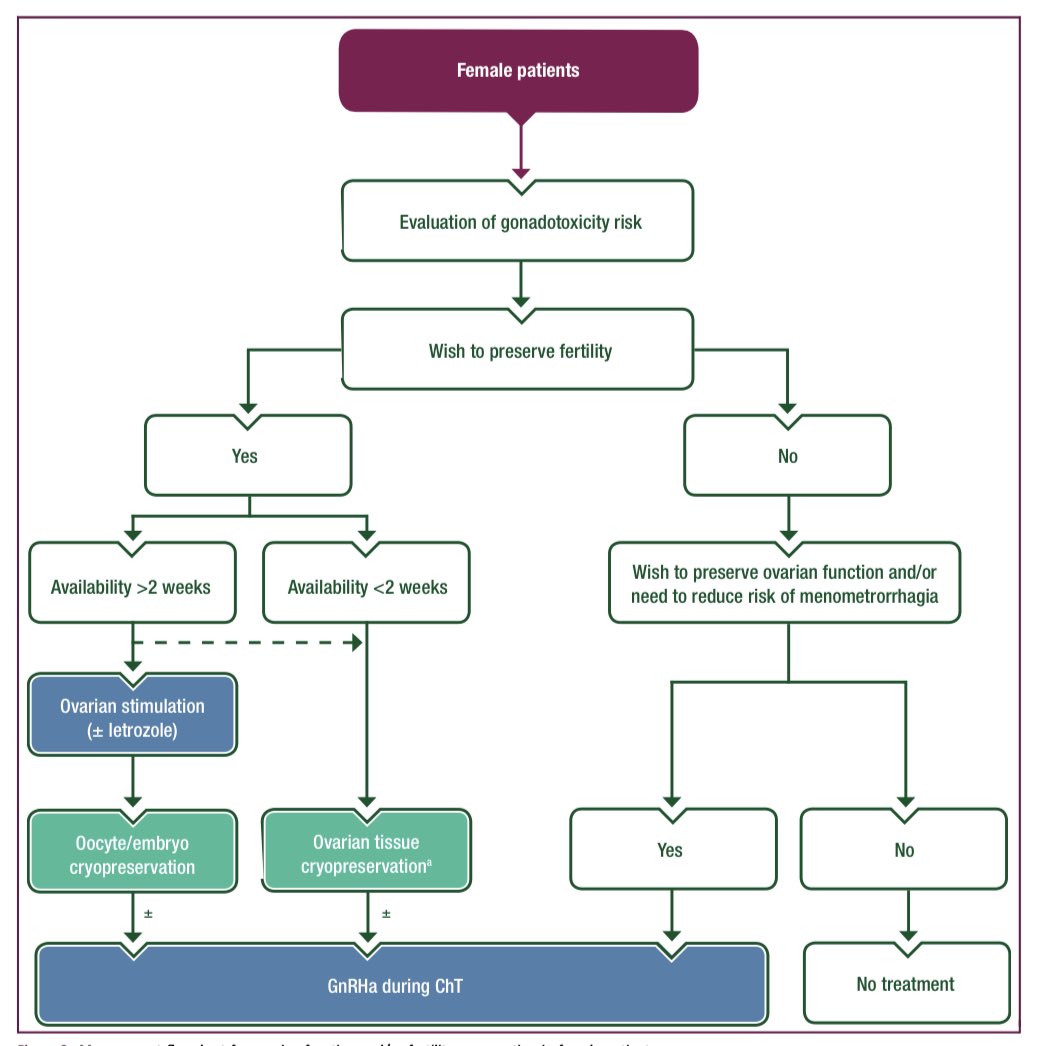
Yes, for ovarian function preservation should be offered (particularly in #BreastCancer) but it is not an alternative to cryopreservation procedures for patients interested in #fertilitypreservation…I follow this algorithm of @myESMO guidelines
#ESHREjc
https://t.co/sG9FOLFG5T