Por que o Brasil realiza mais próteses de quadril do que de joelho?
Analisamos 322.611 cirurgias (2021–2024): 64% foram de quadril, com predomínio ainda maior no SUS.
O estudo revela diferenças importantes entre os sistemas público e privado.
https://t.co/f5hb5XPqGA
A listener favourite from 2021 - Dr Howard Luks @hjluks on knee surgery for OA, when it's necessary, and how to make an informed decision. 🎧 https://t.co/a3pQx8dPP9
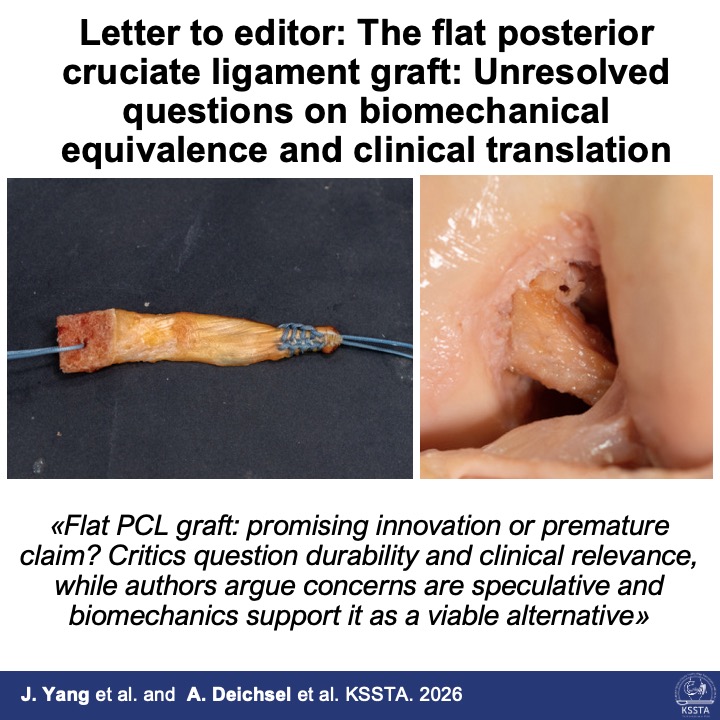
Advancing PCL reconstruction: the flatgraft concept shows encouraging biomechanical results, while ongoing discussion will refine its path to clinical adoption.
#Knee#PCL#Orthopaedics#ClinicalResearch
Read more here: https://t.co/lXifLEL3D2
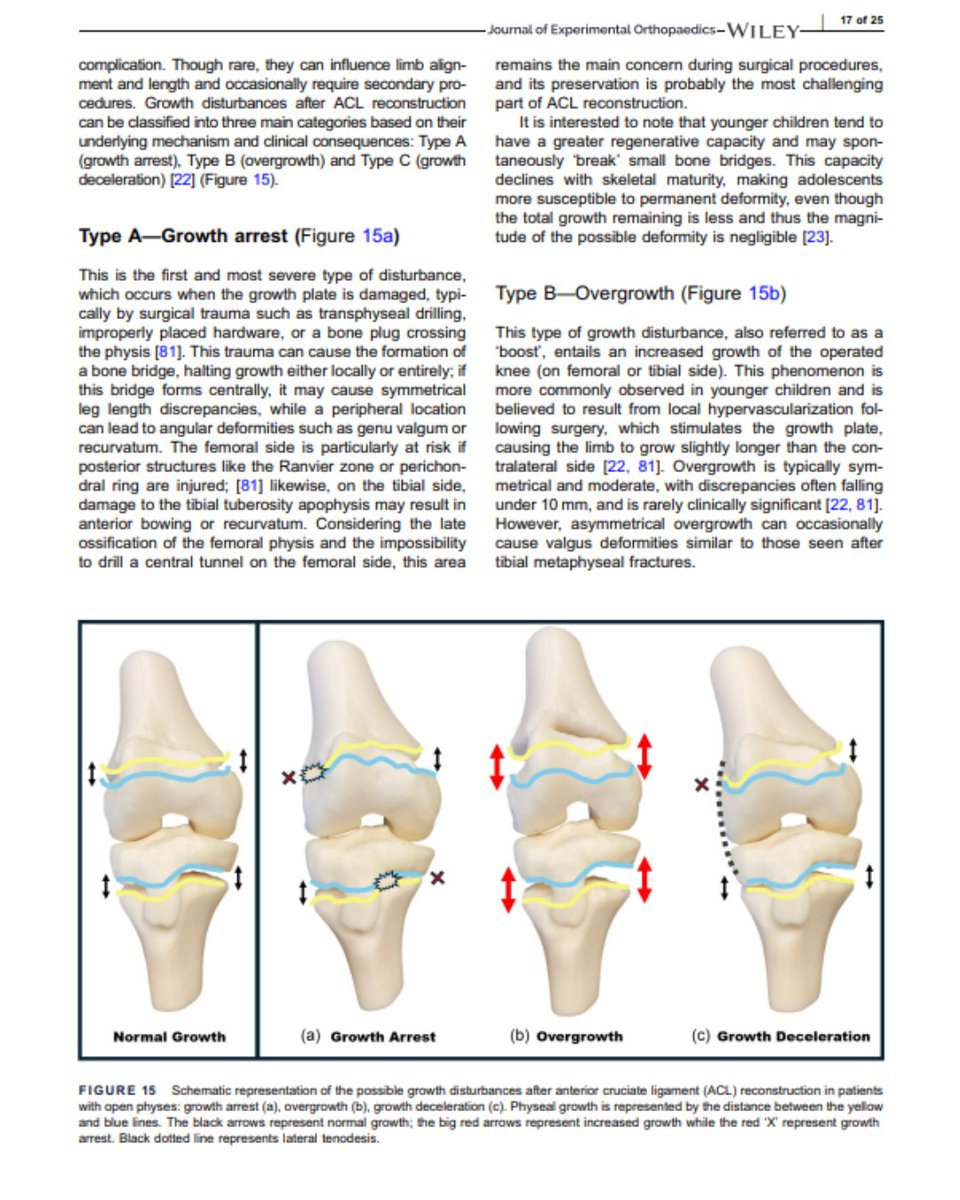
New insights on ACL injuries in skeletally immature athletes
BABY-Knee Algorithm predicts:
• 91.7% conservative failures
• 87.5% no ACLR
Update on assessment, decision-making & paediatric care.
Full-text link📖: https://t.co/g0mTjbvas8
Knee Osteoarthritis... Why Rest and Wait For Surgery is Not the Answer
1/
You have more agency than you have been told you do. The X-ray is not the verdict. The trajectory is not fixed. There are many things you can do... and they will influence the trajectory of the disease course more than any injection or medication will.
A short thread.
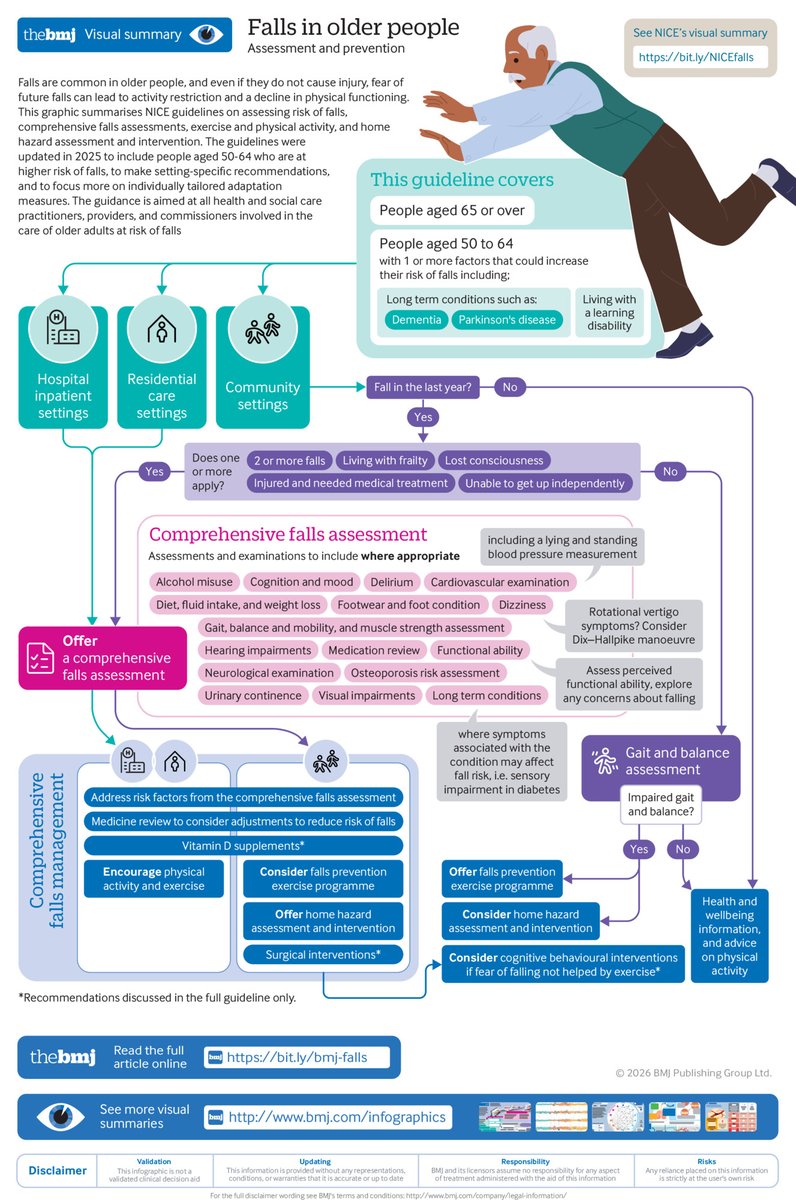
Falls are common in older people, and fall related injuries are a substantial cause of morbidity and mortality.
How should doctors assess the risk of falls? A summary of NICE guidelines, including a #BMJInfographic
https://t.co/s3P7sATuvU
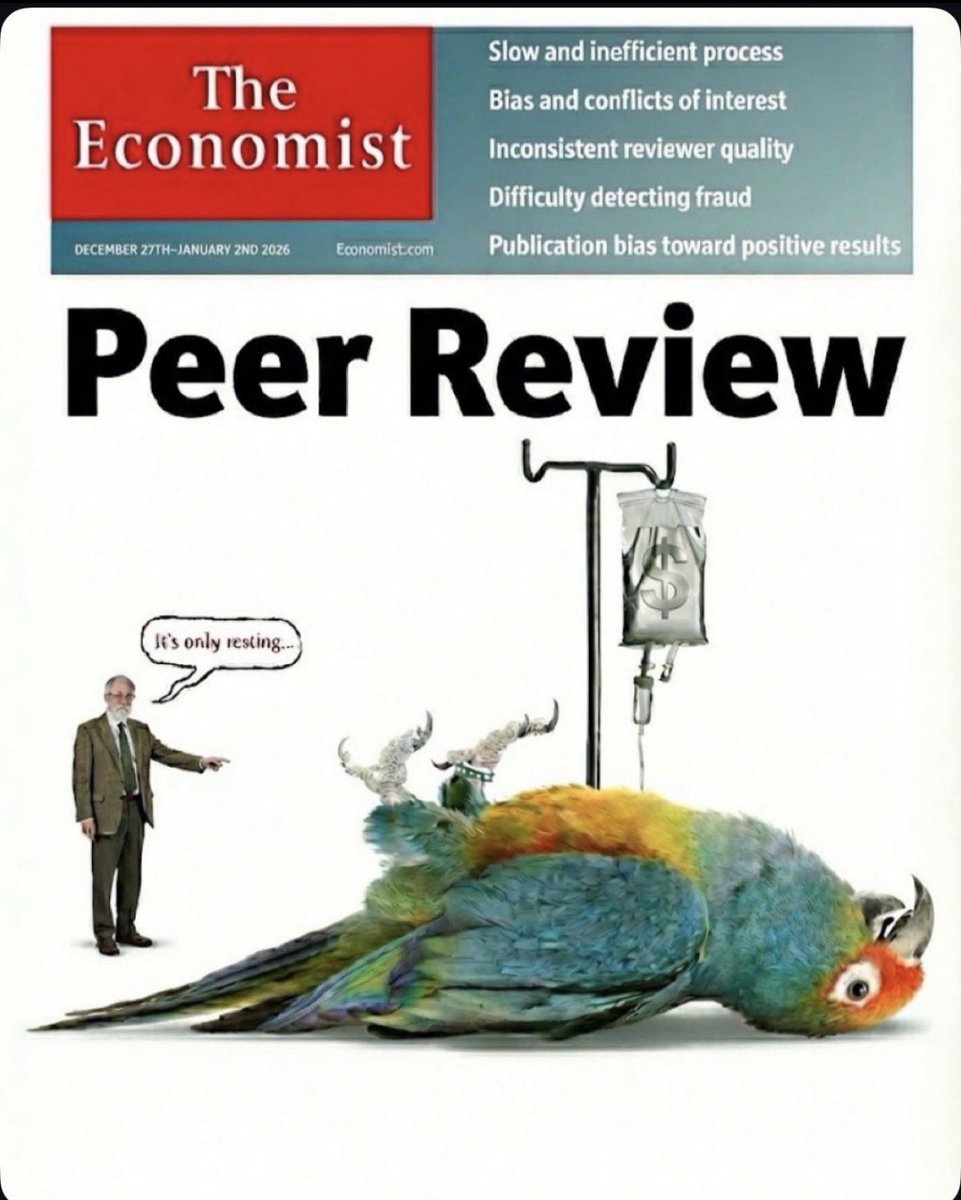
Peer review was supposed to be science’s quality filter, but somewhere along the way it started acting more like a bouncer who only lets in the regulars. It’s slow, it tends to favor established labs and familiar names, and it gets uncomfortable around anything too unconventional. Papers loaded with mountains of data tend to cruise through, while bold ideas that actually challenge the consensus get stuck in limbo or turned away at the door.
The irony is that where a paper gets published almost never determines its real worth. What actually matters is what the scientific community does with it afterward, whether people cite it, argue with it, build on it, or use it to blow up a long-held assumption. That’s where the value lives, not in the journal’s logo.
A major survey a few years back found that roughly 70% of researchers think the current system is fundamentally broken, and it’s not hard to see why. Publicly funded research hides behind paywalls, editors chase whatever topic is hot that month, and the whole incentive structure pushes toward safe bets over genuinely risky and potentially important work.
Science has always been complicated and deeply human and full of ego and inertia, but the conversation is shifting.
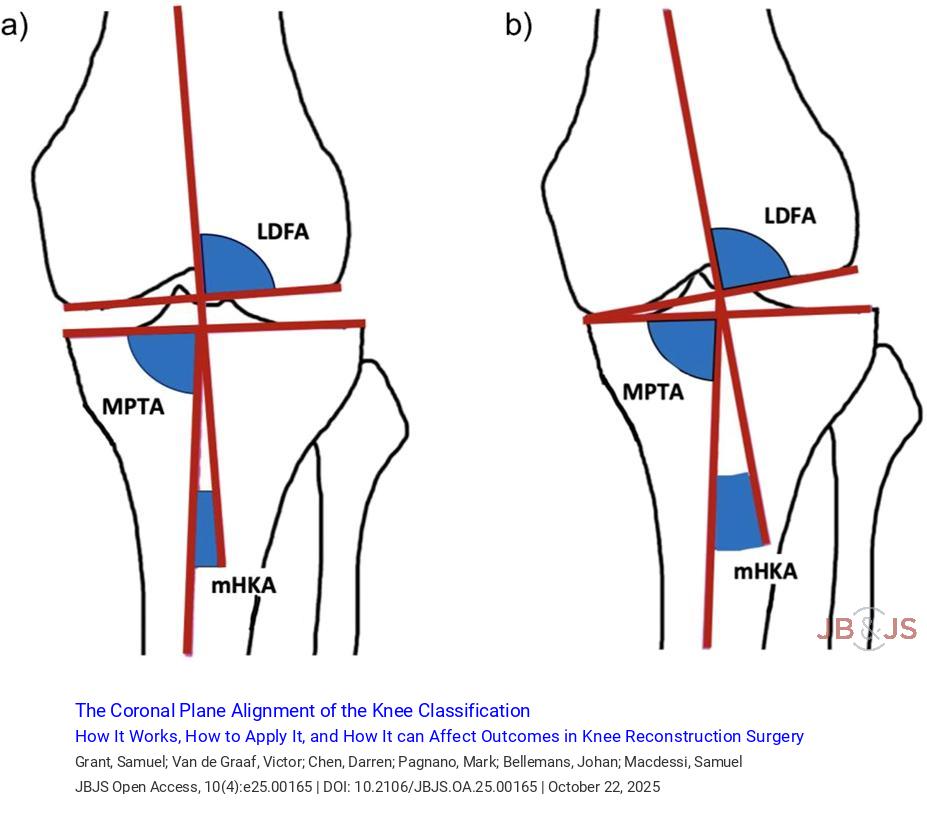
When treating the painful degenerative varus knee, surgical precision and complication management are crucial.
The ESSKA Formal Consensus Part II outlines recommendations on technique, stability, weight-bearing and return to sport.
Find out more here: https://t.co/3F0iG2Njnt
This #RMR paper introduces the REVEAL guidance—a step-by-step guide for clinical researchers to efficiently and systematically review the literature when planning a clinical trial
https://t.co/OlMSMiwrEx
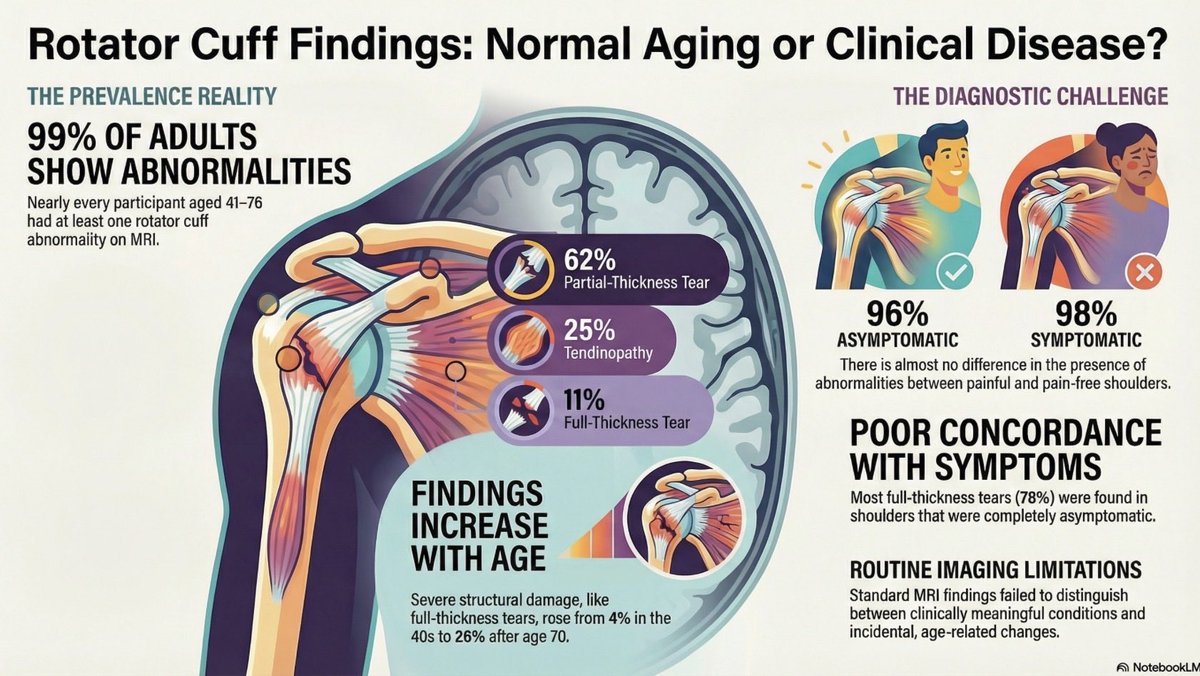
I have long proposed the term NARAC (Normal Age (Activity) Related Adaptive Changes) for asymptomatic findings on scans and imaging.
Incidental Rotator Cuff Abnormalities on Magnetic Resonance Imaging
https://t.co/Wm50ojdhqC
Em outubro de 1846, dentro de um anfiteatro cirúrgico lotado no Massachusetts General Hospital, a medicina cruzou uma linha da qual nunca mais poderia voltar.
Até aquele momento, a cirurgia era puro horror. Os pacientes eram amarrados. Assistentes os seguravam à força. Gritos ecoavam pela sala. Os cirurgiões trabalhavam o mais rápido possível — não por elegância ou precisão, mas porque a dor fazia do tempo um inimigo.
Então, um jovem dentista chamado William Thomas Green Morton deu um passo à frente com algo em que ninguém confiava totalmente: éter.
O paciente era Gilbert Abbott, que sofria de um tumor no pescoço. Diante de cirurgiões céticos e observadores atentos, Morton colocou um inalador de vidro sobre o rosto de Abbott. À medida que o vapor preenchia seus pulmões, algo extraordinário aconteceu.
Abbott ficou imóvel.
Sem contorções.
Sem gritos.
Sem terror.
Os cirurgiões começaram a cortar.
Pela primeira vez na história humana, um paciente permaneceu imóvel enquanto uma cirurgia acontecia — presente no corpo, ausente da dor. O tumor foi removido por completo. Quando Abbott finalmente recuperou a consciência, relatou que parecia apenas “como se seu pescoço tivesse sido arranhado”.
A sala mergulhou em silêncio.
Depois veio o assombro.
A dor — antes considerada inseparável da cirurgia — havia sido derrotada.
Aquele momento ficou conhecido como Ether Day, o nascimento da anestesia moderna. A partir dessa única demonstração, a medicina se transformou. Os cirurgiões puderam desacelerar. A precisão substituiu a pressa. Cirurgias complexas e salvadoras de vidas tornaram-se possíveis. As taxas de sobrevivência aumentaram. Campos inteiros da medicina surgiram.
Toda cirurgia indolor realizada hoje — cada sala de operação silenciosa, cada paciente que dorme durante o procedimento — tem sua origem naquele anfiteatro lotado em 1846.
Foi o momento em que a humanidade percebeu que o sofrimento não era uma exigência para a cura.
A dor deixou de ser destino.
Osteoarthritis is a complex disease that affects entire joints, including the bone, cartilage, ligaments and muscles; it affects >500 million people worldwide and is a leading cause of disability and premature work loss.
https://t.co/ynkH5SPObN