Richard III was 32 years, 10 months & 20 days old when he died.
He reigned for just 2 years & 57 days.
Yet he reformed the bail & jury systems so people could receive fair trial & not forfeit their property. His policies supported the poor, powerless & unrepresented. A true king.
@Grizzlegutweed1 All earlier accounts report the Prince of Wales as fallen in battle. It’s, however, not unlikely that he was killed by Clarence’s men because about half of Edward IV’s army was provided by the Duke of Clarence, so it’s a matter of probability theory.
@Grizzlegutweed1 That door leads behind the main altar. The entrance to the Clarence vault is a hole in the ground to the right closed with an iron grate. The earliest source imputing the prince’s murder to Clarence was Polydore Vergil 1536, whose moralizing account is pure Tudor propaganda. 1/2
is a good example of him acting well-considered and according to the law and his right as a lord. There is no sign of treason in 1478 other than Edward’s accusation. The execution was “private” because Edward feared a public uprising on behalf of his rather popular brother. (2/2)
I’m currently working on a new biography of George Plantagenet and even after several years of research there has been no evidence of his behavior being erratic or incoherent. On the contrary, the persecution of the people he suspected to be responsible for his wife’s death (1/2)
Part 3 - Third Creation
Name - George Plantagenet
Born - October 21st 1449
Parents - Richard Plantagenet, 3rd Duke of York and Cecily Neville
Married - Isabel Neville
Children -
-Anne Plantagenet (Born/died 1470)
-Margaret Pole, 8th Countess of Salisbury (1473-1541) -Edward Plantagenet, 17th Earl of Warwick (1475-1499)
-Richard Plantagenet (1476-1477)
Created Duke of Clarence - 1461
Died - February 18th 1478
House - House of York. A branch of the House of Plantagenet
Brief History
George was born during his father, Richard 3rd Duke of York’s, political struggles against King Henry VI and the Lancastrians during the early stages of the Cousins War/Wars of the Roses.
After George’s father and brother, Edmund, Earl of Rutland, died at the Battle of Wakefield in 1460, his eldest brother ascended the throne as King Edward IV in 1461, starting the rule of the House of Yorks.
Edward IV created George, Duke of Clarence and appointed him Lord Lieutenant of Ireland.
Initially loyal to Edward, George grew dissatisfied with his brother's policies and alliances.
He was also unhappy with Edward's marriage to Elizabeth Woodville.
In 1469, George married Isabel, Richard Neville, Earl of Warwick’s eldest daughter, against Edward IV's wishes.
This led to an open rebellion.
George and the Earl of Warwick (also known as the Kingmaker) briefly deposed Edward IV in 1470, restoring Henry VI to the throne.
Disillusioned by Warwick's favouritism toward the Lancastrian cause and realising his own ambitions for the throne were unlikely, George reconciled with Edward IV in 1471.
He fought alongside his brother at the Battle of Barnet, where Warwick was killed, and at the Battle of Tewkesbury, which secured Edward's victory.
Once again restored to favour, George inherited vast estates through his wife, including the titles Earl of Warwick and Earl of Salisbury.
After Isabel's death in 1476, George's behaviour became erratic.
He accused servants of poisoning his wife, and was involved in plots against his brother, Edward IV.
George was arrested and charged with treason in 1477.
George was then tried and convicted in Parliament.
It’s believed that he was allowed to choose his own method of execution.
George chose to be drowned in a butt of malmsey wine.
He was privately executed in the Tower of London.
All George’s titles were forfeited and this was the last time the Dukedom of Clarence was used individually and has been in abeyance since.
Image - George, Duke of Clarence
#RachaelsHistoryFacts
#RoyalFamilyHistory
#RoyalFamily #Monarchy #Plantagenets #HouseOfPlantagenets
#HouseOfLancaster
#HouseOfYork
#HouseOfHanover
#SaxeCoburgandGotha
#ClarenceHouse
We need your vote!
We are one of ten finalists for this year's @visitenglandbiz Tourism Superstar Awards which recognise the unsung heroes of English Tourism.
It's now down to the public vote who wins, so please vote for us here!
https://t.co/nTB1QD8IIQ
"I have seen her rise from her bed, throw her nightgown upon her, unlock her closet, take forth paper, fold it, write upon it, read it, afterwards seal it, and again return to bed; yet all this while in a most fast sleep."
Macbeth ~ Act 5 Scene 1
#ShakespeareSunday#CrimsonPeak
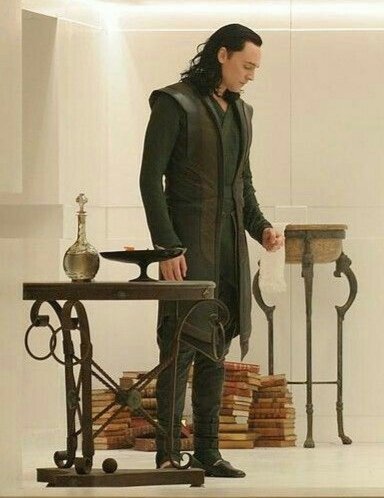
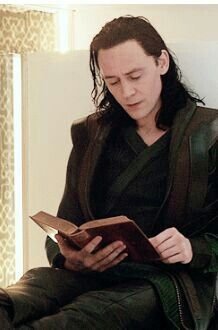
Knowing I lov'd my books, he furnish'd me From mine own library with volumes that I prize above my dukedom.
The Tempest, A1 S2
#TomHiddleston#Loki#ShakespeareSunday
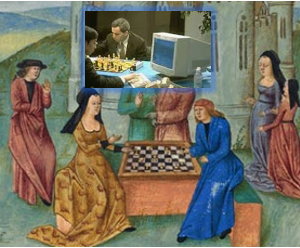
Word of the Day: gwyddbwyll https://t.co/NAJZygmhiR
One of the twenty-four feats of prowess performed in medieval Wales - see also 'sies' and 'tawlbwrdd'. On this day in 1996, the supercomputer Deep Blue beat Russian grandmaster, Garry Kasparov, in the opening game of a match.
England's 'second dissolution' intensifies: on 14 February @synod will debate GS2934 and GS2935 which, among other things, will make it a lot easier for unwanted churches to be demolished
📢Calling all creative individuals
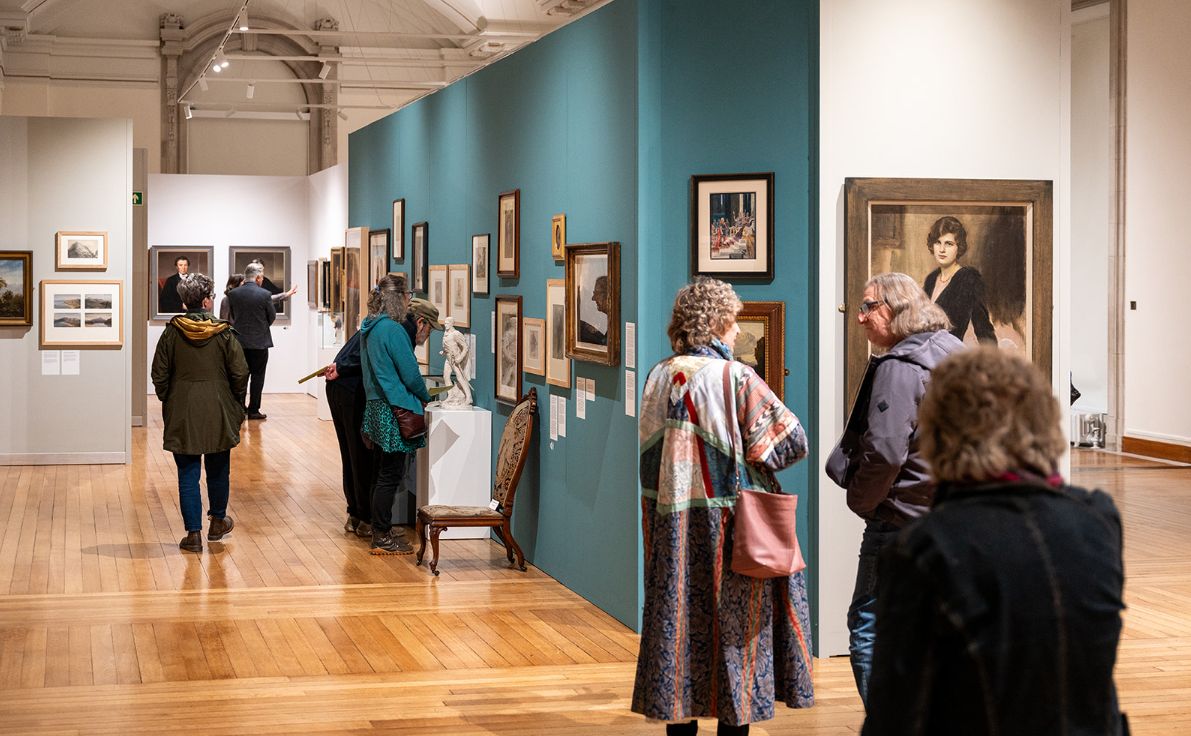
The National Library of Wales is looking for creative individuals to lead workshops inspired by our current exhibition, No Welsh Art.
Interested? Learn more 👇
https://t.co/srQBdmqjzV
On this day in 1483 Richard is crowned as the King of England and France, and Lord of Ireland, becoming King Richard III, his wife Anne Neville is crowned as Queen, in a double coronation ceremony at Westminster Abbey.
6 July 1483. Richard, duke of Gloucester, and his wife, Anne Neville are crowned King and Queen of England. For more about this day and all the work that went into it, members may borrow 'The Coronation of Richard III: the extant documents'