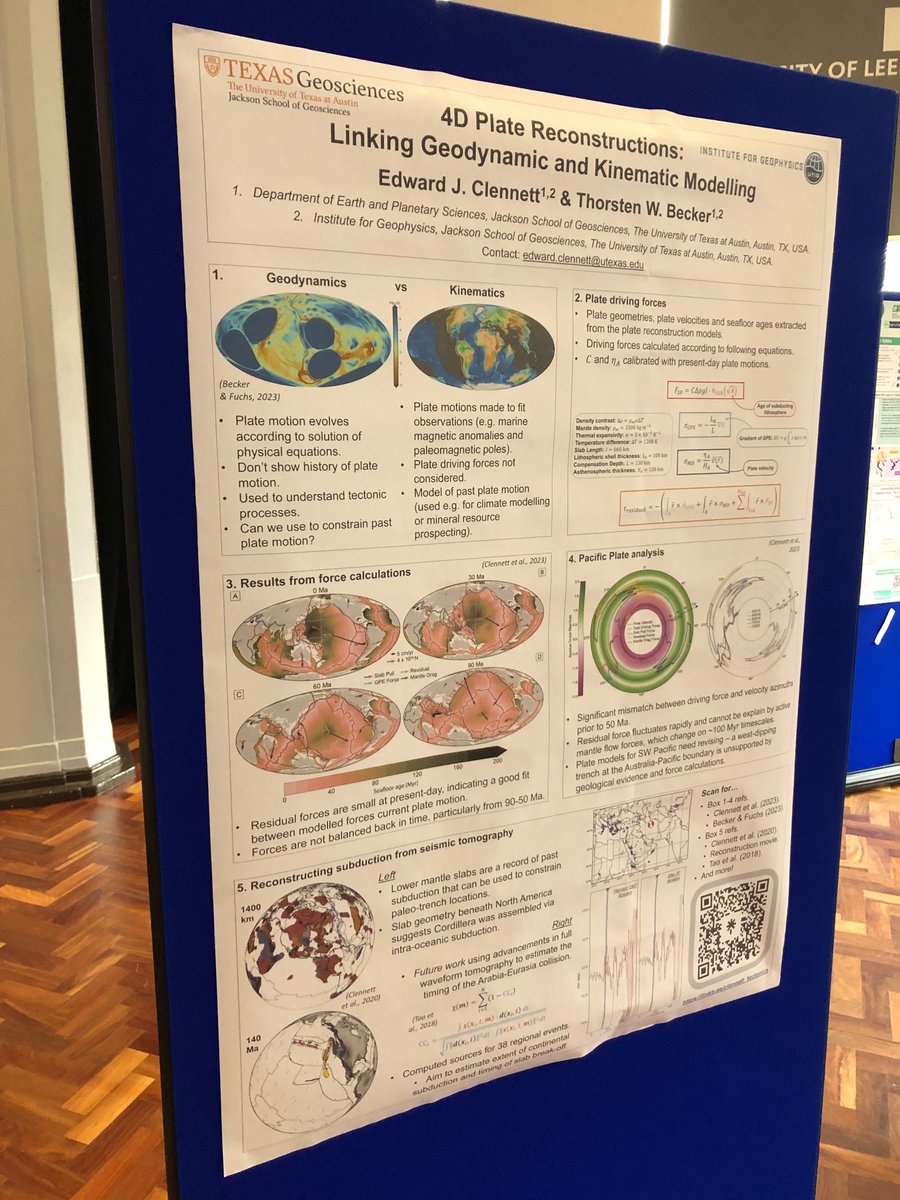
Can we use plate driving forces to improve plate reconstruction models? Find out in our new paper @SciReports here: https://t.co/AomBUPq20g. Thanks to co-authors @AdamFHolt @hvymtlscience@ClaudioFaccenna and Thorsten @UTGeophysics.
Very proud of @sydneyunigeo PhD student, Chris Alfonso, who just published his 1st paper in GSA Bulletin! 👏 This project used spatio-temporal data mining (powered by #pyGPlates + #gplately) and machine learning to help find new porphyry copper deposits.
https://t.co/ZbIMIGgSPa
Giveaway!
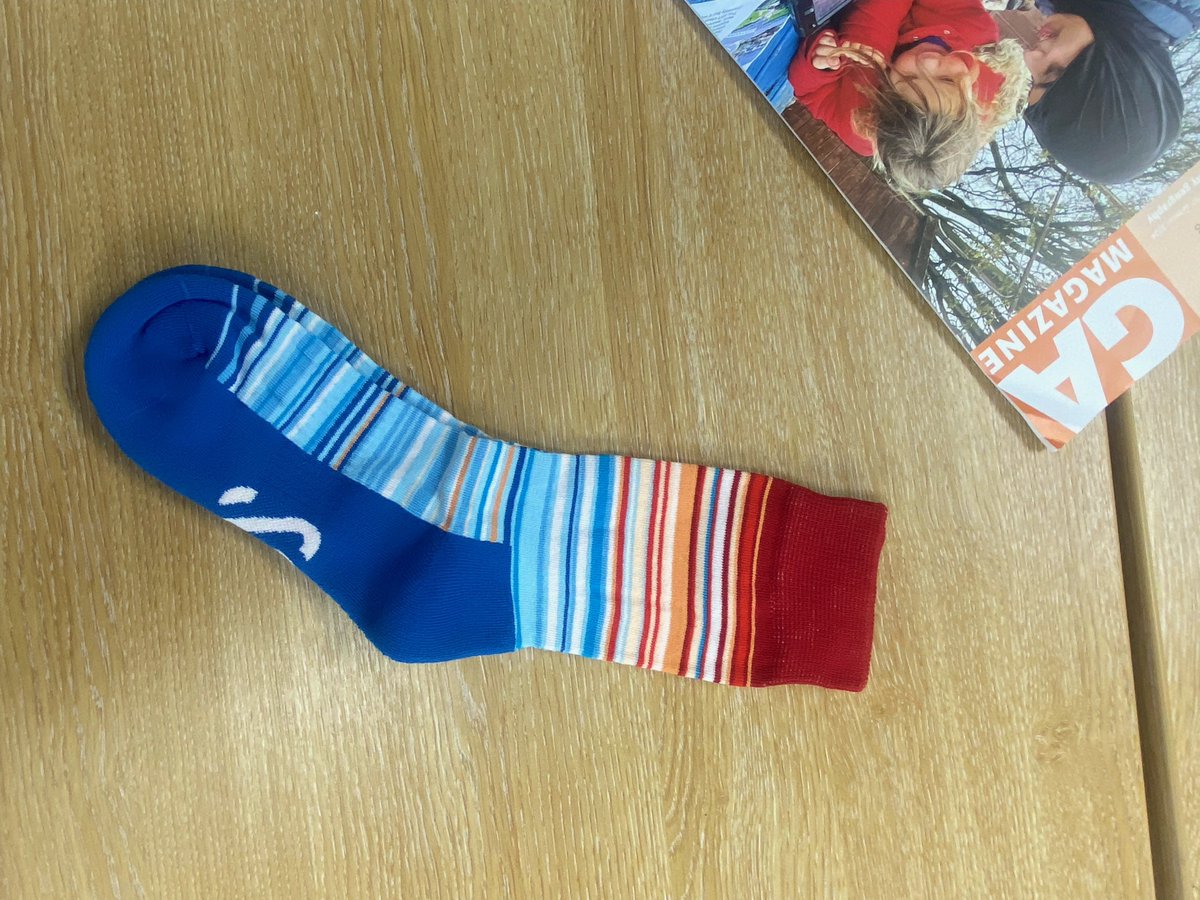
To show our support for the #showyourstripes initiative, the GA has this lovely pair of socks to giveaway!
To qualify for this environmentally aware pair of socks, all you have to do is like and repost this tweet.
Don't forget that tomorrow is #showyourstripes day, to find out the colours of where you live, please visit the Show Your Stripes website at: https://t.co/gMUhNRuAAg
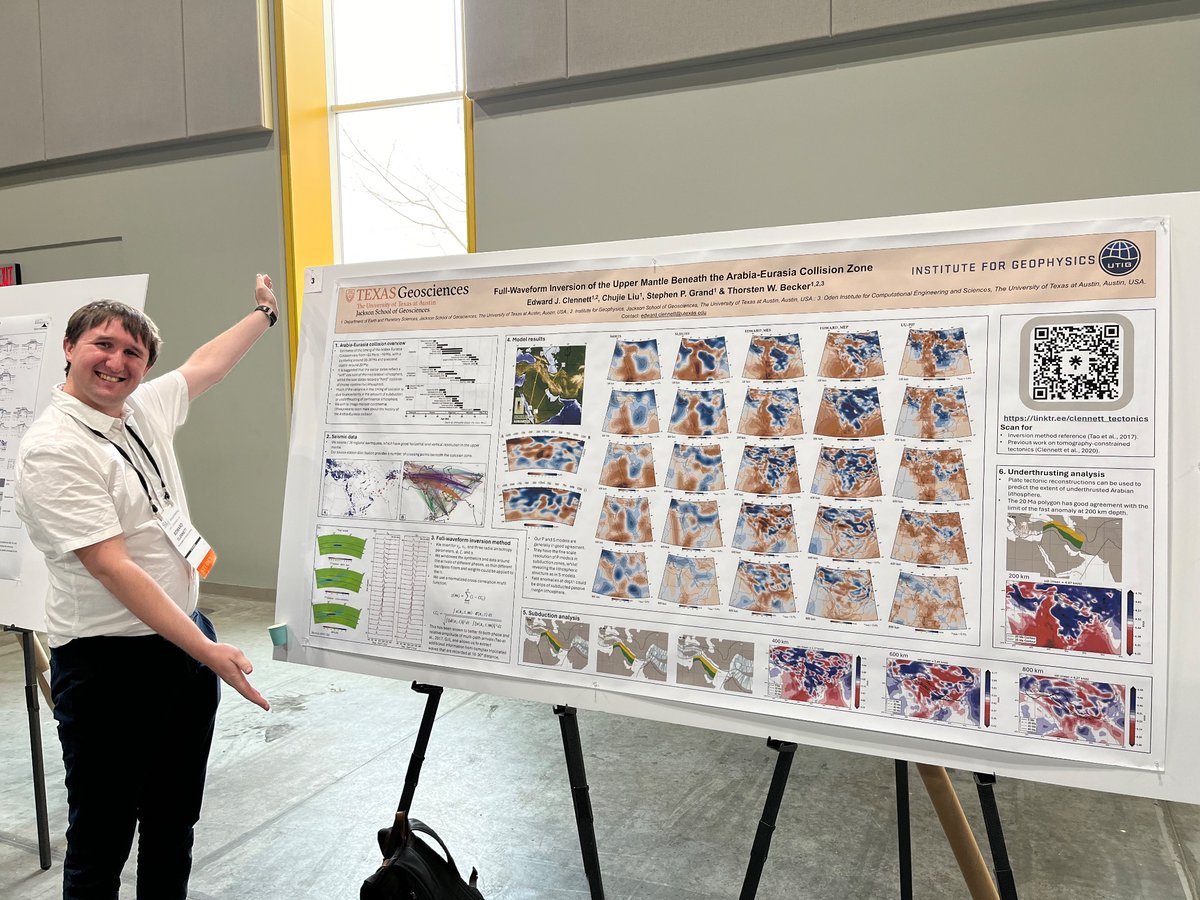
If you would like to hear about how we can use seismic tomography to learn about the tectonic history of the Arabia-Eurasia collision, come check out my poster today at #SSA2024!
The 2 major 2023 Türkiye earthquakes caused an estimated 320,000 collapsed or heavily damaged buildings. @strongtie fellow @SeismoAlice talked to Mustafa Erdik @UniBogazici and Evan Reis @USResiliency about what happened and what can be learned.
https://t.co/FNsIBfo5FX
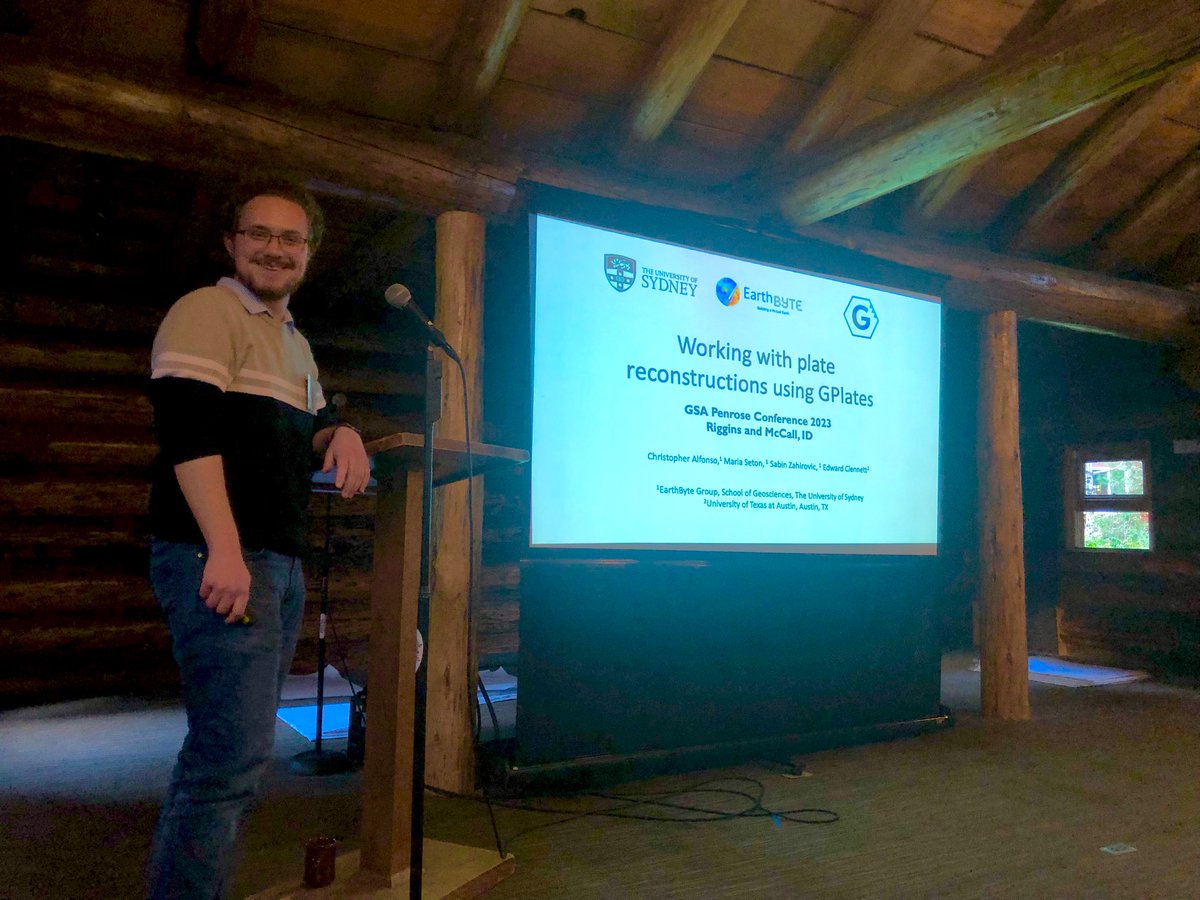
Chris from @EarthByteGroup introducing #GPlates to those interested in North American tectonics at the @geosociety Penrose meeting. Should be a great tool to help solve the puzzle of the North American Cordillera!
Portland, Oregon has some serious seismic hazards, but many think these stem solely from the Cascadia Subduction Zone. @SeismoAlice explores the role of local faults, as well as what Oregonians are doing to prepare.
https://t.co/uQuxmEHcaM
New method to calculate driving forces of tectonic plates when modelling plate movement and reconstruction, by @EClennett, @AdamFHolt, @hvymtlscience, Thorsten Becker @UTGeophysics, and @ClaudioFaccenna
https://t.co/VyRoDboDfl
READ: Writing for @NaturePortfolio's Behind the Paper, @UTGeophysics grad student @EClennett describes how he and his co-authors came up with an algorithm to calculate the forces driving tectonic plates... with a little inspiration from @TheRoystonClub!
https://t.co/GODgc3W0Sc
If you want to see how I explain my research on plate tectonics using an analogy from a @TheRoystonClub song, I wrote a short article about what I've been up to during my PhD here: https://t.co/Xw5uErzkhZ
This is the first paper from my PhD @txgeosciences@UTAustin, also supported by @USUKFulbright@FulbrightPrgrm. Very pleased to be able to share this work, which has important implications for climate modelling and mineral resource prospecting, with the community.
Can we use plate driving forces to improve plate reconstruction models? Find out in our new paper @SciReports here: https://t.co/AomBUPq20g. Thanks to co-authors @AdamFHolt @hvymtlscience@ClaudioFaccenna and Thorsten @UTGeophysics.
Our code is simple to use and freely available at https://t.co/fasVWMW6r2. We hope the plate modellers can use this workflow to ensure that future #GPlates models are more consistent with plate driving forces!
A new report by @USGS and @fema estimate US earthquake losses of $14.7 billion per year — a 140% increase over past estimates. Check out @Temblor's latest by @SeismoAlice https://t.co/YTlWYHBqAJ
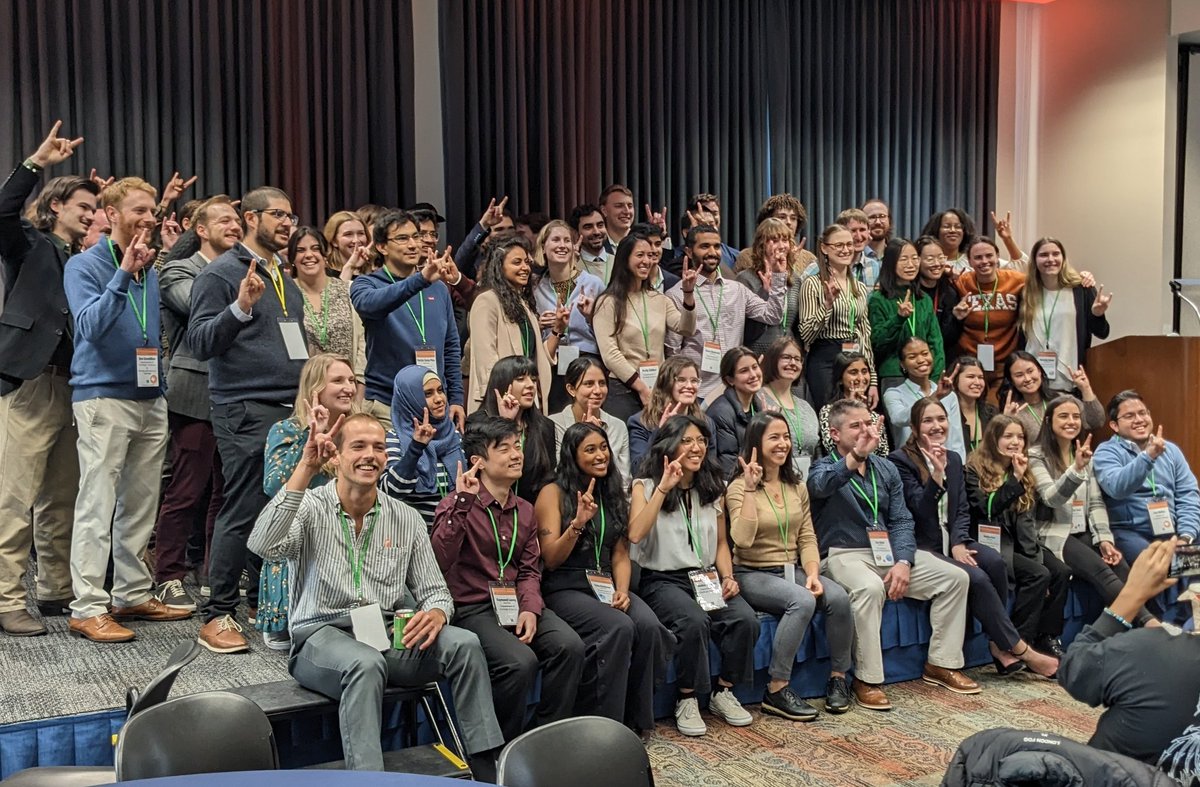
What an inspiring day! The 2023 Jackson School student research symposium was a great success. Congratulations to the prize winners, the organizers and everyone who participated. See y'all next year! 🤘
Check out the first paper about moonquakes!
https://t.co/9yKeB2lk2G
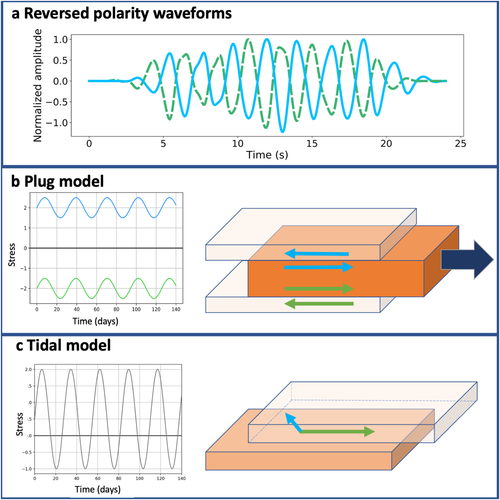
Why do some moonquakes slip backwards? Do they slip forwards and backwards? Or can deep moonquakes slip in any direction? we find they can slip in a variety of directions and must be driven by tidal stresses!
We were very pleased to have @willeaton101 give a super interesting talk at @UTGeophysics Discussion Hour! Check it out (and other talks from this semester) on YouTube
@conall_macn@EthanConradGeo@SEG_org@UTAustin Thanks Conall! There were some questions about the shape of magnetic anomalies above dykes which I got correct so it helped to have been taught so well
It was super exciting to become the new world champion with @EthanConradGeo in @SEG_org's geology and geophysics challenge bowl world final, bringing the title home for @UTAustin! #HookEm 🤘
We're champions! Congratulations to @txgeosciences grad students Edward Clennett and Ethan Conrad, who cruised through the @SEG_org Challenge Bowl World Finals and brought the prize home for @utaustin.