You just HAD to be there. Good news! ETHSofia is coming back on September 24th!
Some rooms just have the right energy. ETHSofia 2025 brought together Ethereum builders, researchers, and technical teams for two days of real depth at Sofia Tech Park.
Privacy infrastructure. Smart contract security. Consumer DeFi. The conversations that matter.
Super Early Bird combo tickets for @BWBulgaria (ETHSofia + F3) are live now at the best price they'll be.
Introducing Ambire Ice: The hardware wallet built for @safe.
Private
Fully open-source
Quantum ready
Perfect clear signing
Ambire’s extension and mobile app, now with a dedicated hardware device.
Pre-order yours: https://t.co/RZfZezQNHd
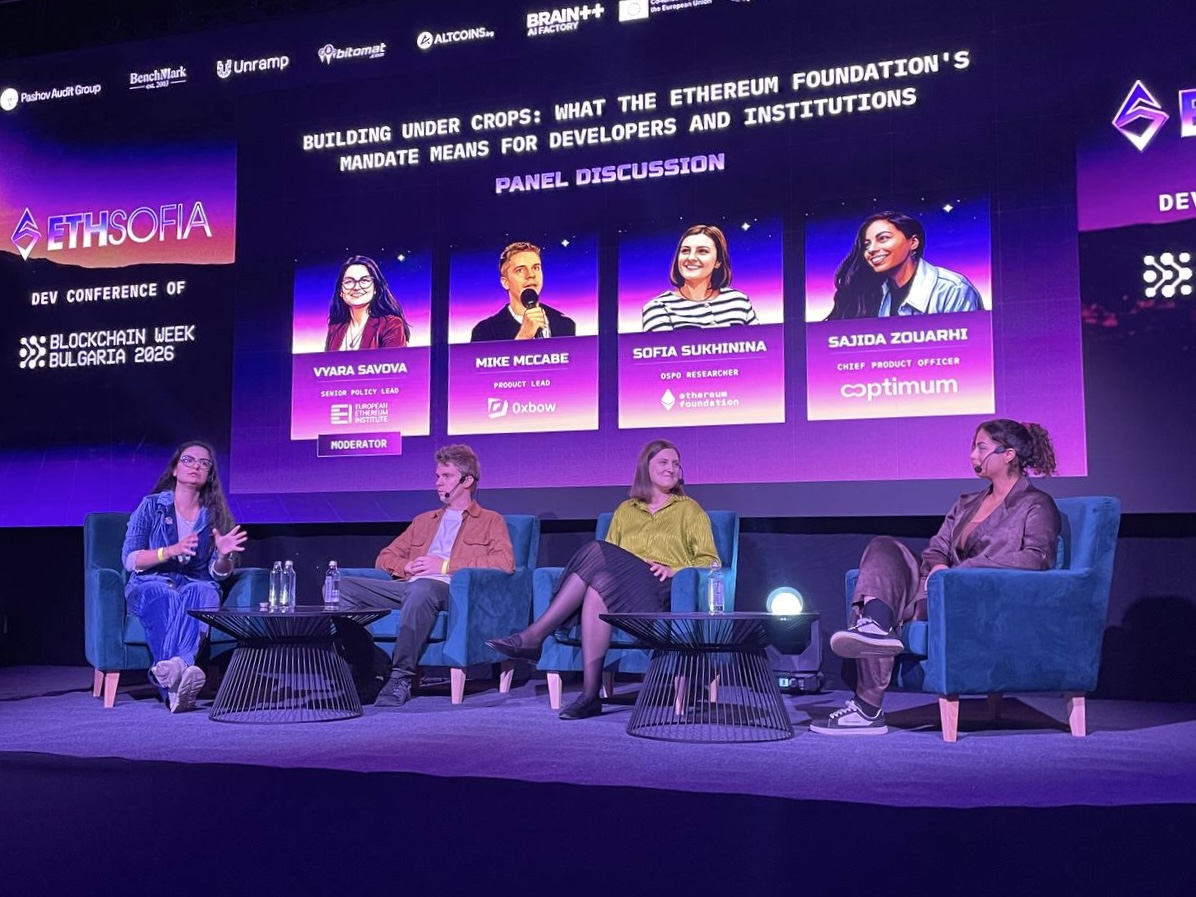
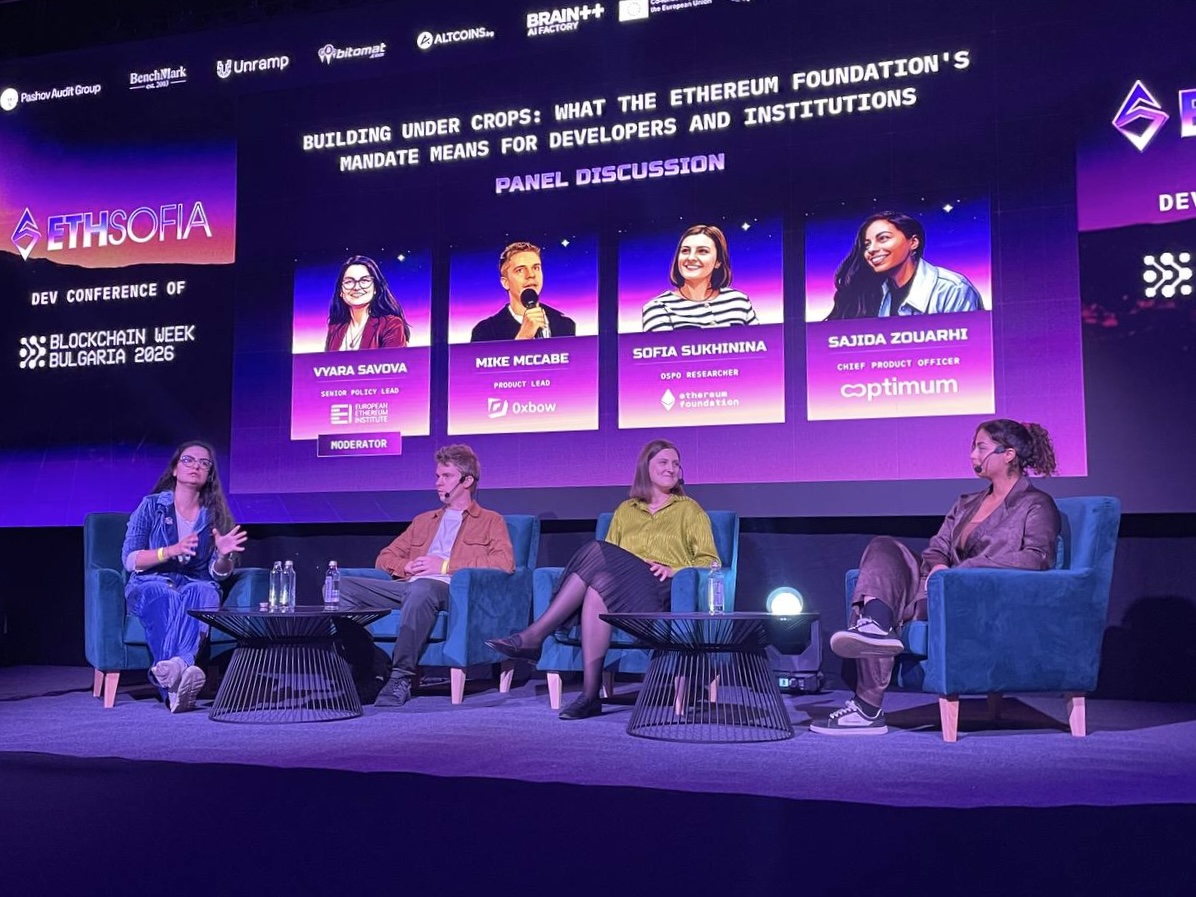
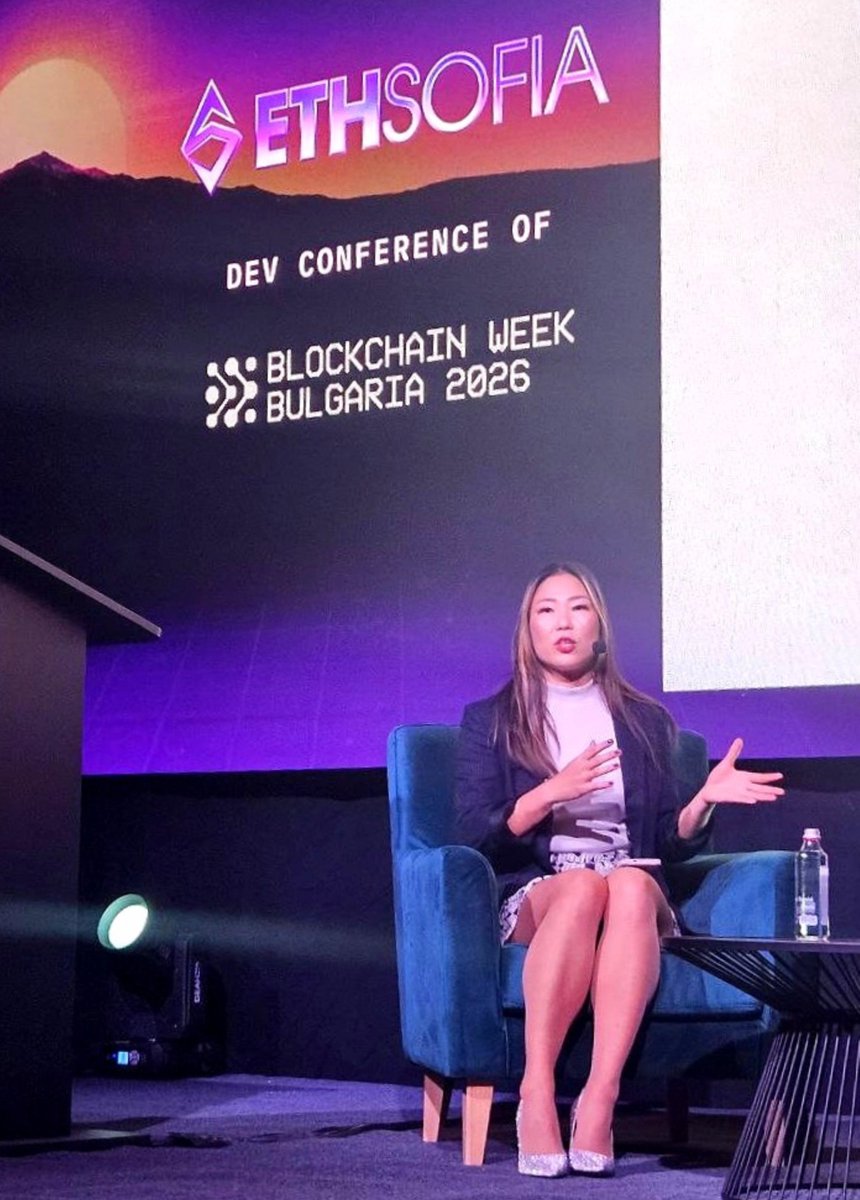
last but not least: I also had the chance to be on a panel at @ETHSofiaBG: "Building Under CROPS: What the Ethereum Foundation's Mandate Means for Developers and Institutions," moderated by @VyaraSavova (European Ethereum Institute), alongside @sajidazouarhi (Optimum) and @0xmikemcc (Privacy Pools).
what I talked about
– our team's mission: to understand and create funding mechanisms for the Ethereum ecosystem. I focus on positioning Ethereum as critical infrastructure in the broader open source ecosystem so that we can attract funding from outside crypto: from governments, organisations that support open source, and other funding and grant opportunities
– subtraction as success: the Mandate's goal is for Ethereum to work even if the EF disappeared. from our team's perspective, subtraction succeeds when funding flows into Ethereum public goods from multiple sources, not only or primarily from the Foundation. one entity sitting at the center, even one without revenue, crowds others out. if people know the EF will handle something, they don't step up
– open-weights AI: open weights sit in a grey zone. the models are free to use but you don't know what data trained it. the harder question is verification - how do you know an inference provider is actually running the model it claims to run? I'm exploring how Ethereum can become a trustless coordination layer for open frontier AI, combining payment rails, identity, and the ability for distributed actors to verify claims about one another without a central controlling body
– EU Cyber Resilience Act: compliance is becoming a real challenge for open source. the CRA introduces security and reporting obligations that touch open source projects directly, and the tension is how do you comply without introducing centralised gatekeepers? in this workstream, I'm exploring how Ethereum as an attestation layer can allow open source projects to make verifiable claims about their compliance without relying on a single authority
the rest of the panel
– Sajida spoke about whether CROPS values can travel beyond the Ethereum ecosystem to the broader blockchain space, and where censorship is actually happening today across the stack: builders, relays, RPCs, front ends
– Mike spoke about compliant privacy in practice, and why privacy and censorship resistance matter at the application layer, not as abstract principles but as concrete infrastructure choices
full recording will be available soon
for me personally, I'm glad I could give a sneak peek into the workstreams I'm working on. Ethereum should definitely serve a purpose beyond crypto: for example, becoming infrastructure for trust and verification in the broader open source ecosystem.
Last week in Sofia, our Senior Policy Lead @VyaraSavova took part in two conversations during @BWBulgaria, that approached the ecosystem from different directions. The first was about the principles the network is built on, and the second about the rules crypto firms in Europe are now licensed under.
At @ETHSofiaBG, Vyara moderated a panel on the Ethereum Foundation's mandate. Published in March, it names four principles the Foundation will not trade away: censorship resistance, open source, privacy and security, or CROPS. With @sonkiski (@ethereumfndn), @sajidazouarhi (@get_optimum), and @0xmikemcc (@0xbowio), the discussion asked what building under these principles looks like once users, investors and regulators are in the picture. The panellists considered what it means for the Foundation to step back as Ethereum grows, and where censorship actually happens today, across builders, relays, RPCs and front ends. They also discussed how privacy and compliance can work together in practice.
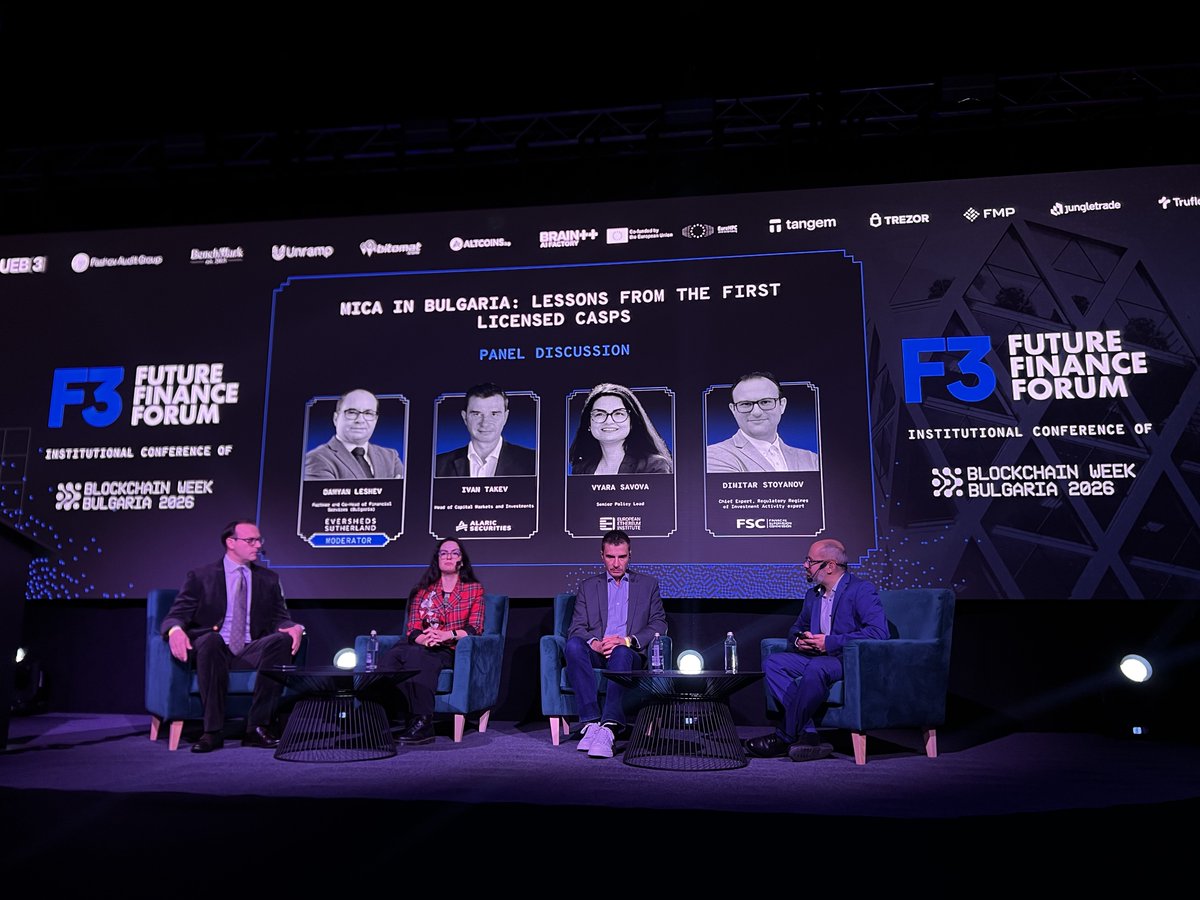
At the Future Finance Forum (F3), Vyara joined a panel on MiCA in Bulgaria, moderated by Damyan Leshev (@ESgloballaw), alongside Ivan Takev (@AlaricSec) and Dimitar Stoyanov (Financial Supervision Commission). Bulgaria issued its first MiCA licence in early 2026, and the transitional period ended on 1 July. The panel brought together the views of a licensed firm, the national supervisor and policy on what licensing has actually required, from incomplete applications to the treatment of e-money tokens and outsourcing. It also looked at whether tokenised stocks sold to retail investors are crypto-assets or financial instruments.
Thanks to the teams behind both events for opening their stages to these questions, to our fellow panellists for the perspectives they brought.
Tackled RWA tokenisation for the first time on a panel and it was such an insightful discussion on bridging Tradfi & DeFi. We discussed failure points, accountability, ERC3643, non-negotiable design & legal principles.
Thanks @ETHSofiaBG for having me!
ETHSofia 2026 session recordings are now available on YouTube.
➡️ ETHSofia playlist: https://t.co/RMzNxHWPaj
Thank you all for being part of Blockchain Week Bulgaria! 🙏
We’ll be giving away AutoProver credits to eligible @ETHSofiaBG attendees this week 🇧🇬
Come say hi to @MoolyS to get access and formally verify your code.
🌏 What’s really behind a transaction? Let’s talk at @ETHSofiaBG
BitOK will be there to talk AML/KYT, source of funds, risky transactions, tracing assets after hacks, and the on-chain patterns that connect it all.
See you in Sofia 🇧🇬
#ETHSofia
Sofia, take the conversation off the timeline. 🇧🇬
Join the side event with @AvaxTeam1 at Connect @ETHSofiaBG in Sofia Tech Park this Friday!
Proud to be helping @cometsweb3 with the organisation of the event!
@BWBulgaria@ETHSofiaBG
Save your spot → https://t.co/84fzWWKbkE
The "Cryptoeconomics & Blockchain" master's program launched in January 2025. Tokenomics, decentralized finance, crypto asset management, regulation. In Bulgarian and English.
24 September, John Atanasoff Forum, Sofia Tech Park.
Tickets close 2pm CEST: https://t.co/akqr4nDeFS
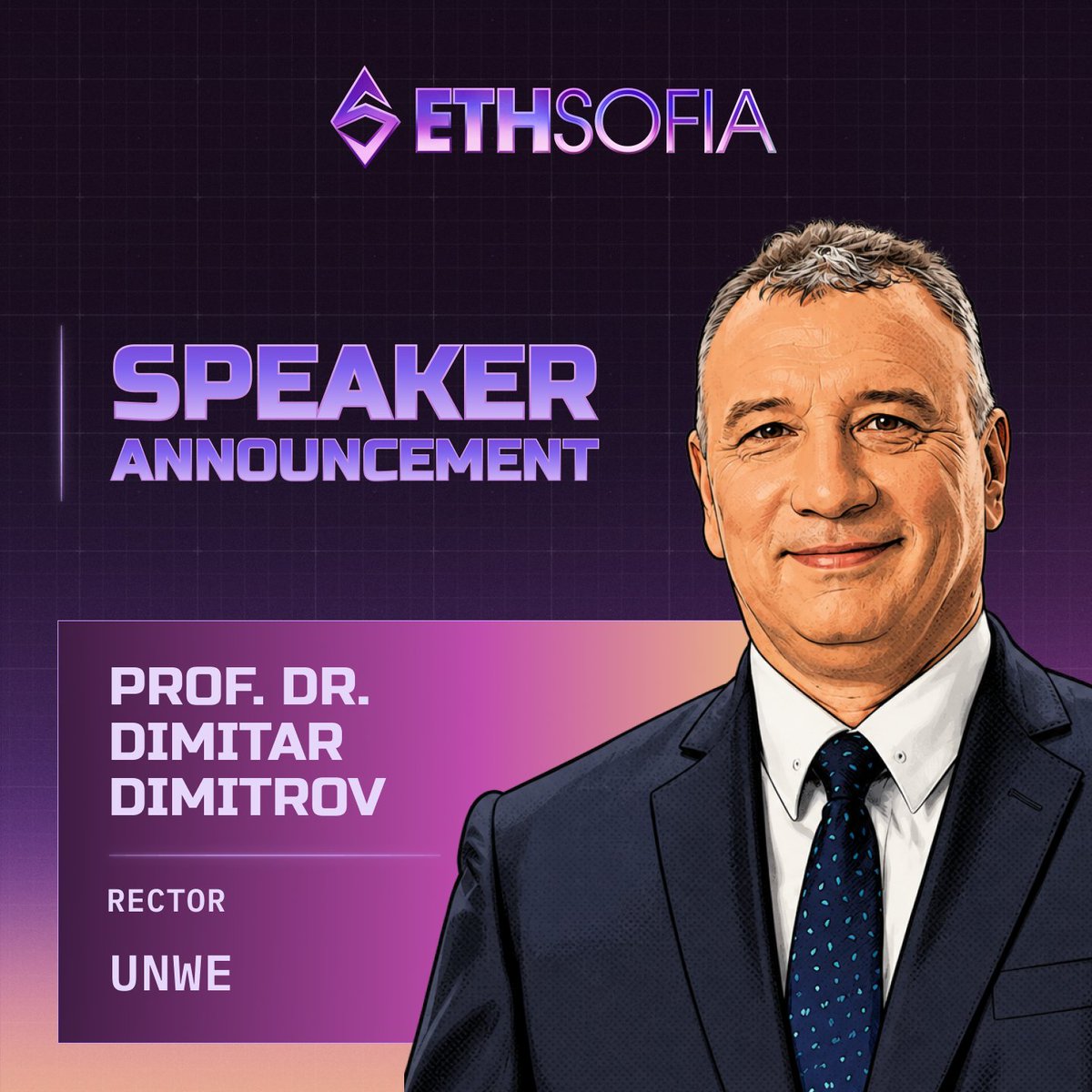
ETHSofia opens tomorrow with a short speech from Prof. Dr. Dimitar Dimitrov, Rector of the University of National and World Economy.
Second year running, and not a courtesy: UNWE grants a master's degree in cryptoeconomics. 🧵 ⬇️
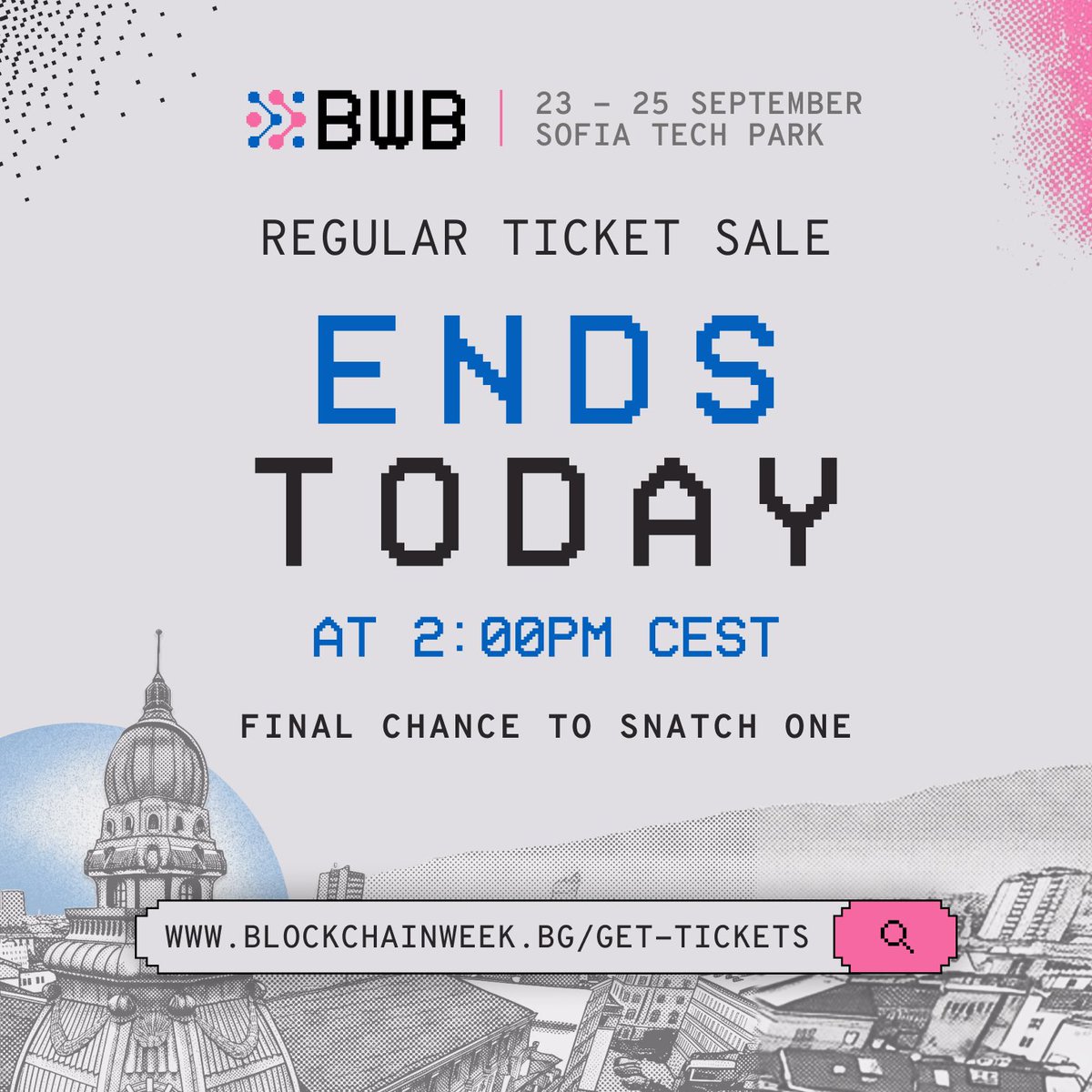
Last chance to get a regular ticket for #ETHSofia and #FutureFinanceForum.
The sale ends today at 2:00 pm CEST | 3:00 pm EEST
Get a ticket now: https://t.co/gV2Oryg34l
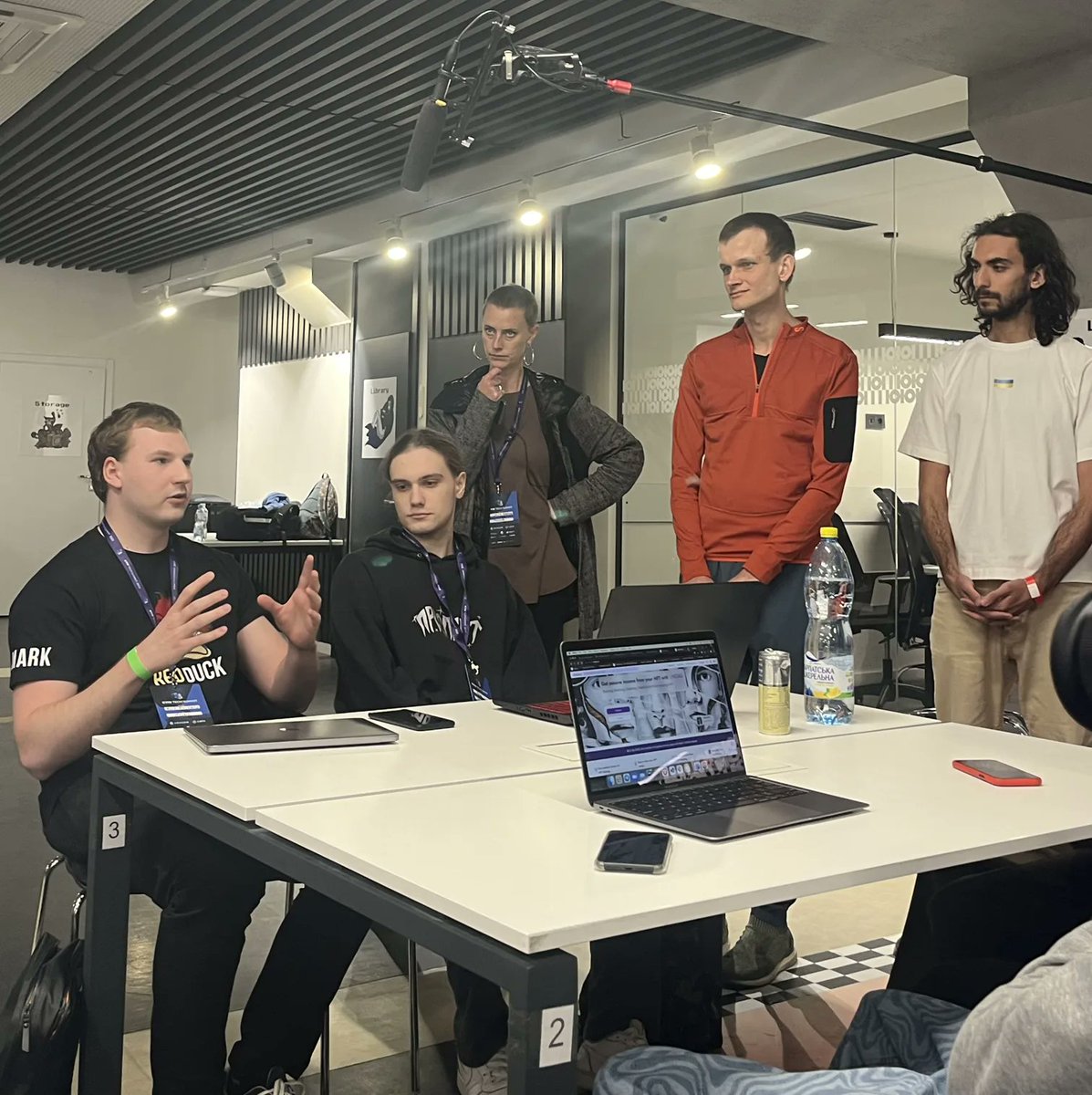
RedDuck runs updated internal Blockchain and DeFi academies so the team stays ahead of Web3 best practices.
Every newcomer starts there and meets top-tier standards before joining a project.
Learn more: https://t.co/qt8hhdSDNY
Tomorrow at 12:00 at Incubator @ Sofia Tech Park!
https://t.co/zWkxwaIhhA is hosting an event on clear signing and how to achieve it, including the recently proposed ERC-8009 standard.
Register: https://t.co/Jbr241cuLk
"From Speculation to Strategy", with Zdravko Pirinliev (BenchMark) and @viktortrades (@UEB3ventures), moderated by Daniel Vasilev.
ETHSofia, 24 September, 15:35, Sofia Tech Park
Last chance to get tickets! https://t.co/akqr4nCGQk
A French DeFi founder who has lived in Sofia for twelve years.
@pscltllrd founded @Jarvis_Network, which builds onchain foreign exchange, and manages 73 Capital.
He is on the "From Speculation to Strategy" panel at ETHSofia on 24 September.
🧵⬇️
He teaches DeFi and stablecoins at Alyra and has backed @Morpho, @paraswapDEX, @spectra_finance, and @MangroveDAO as an angel investor.
On this panel, he is the one who trades for a living.