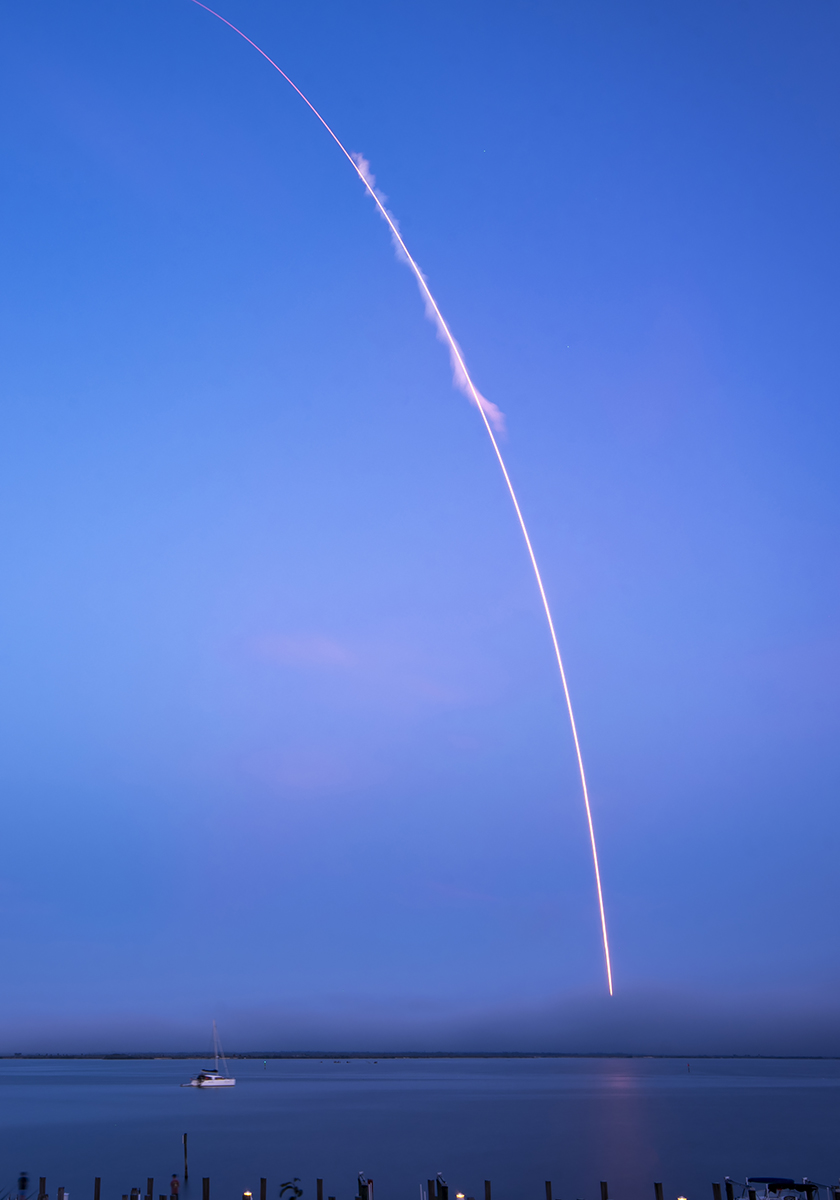
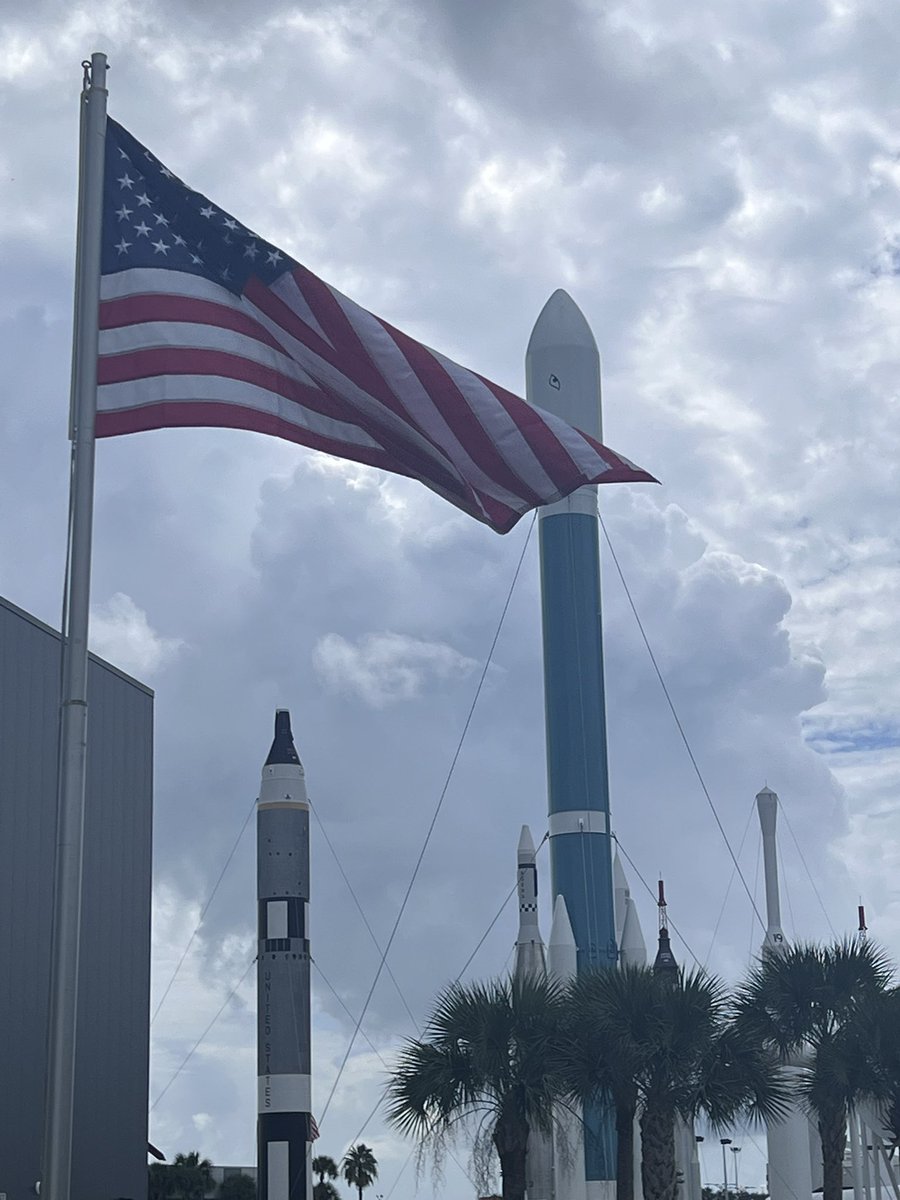
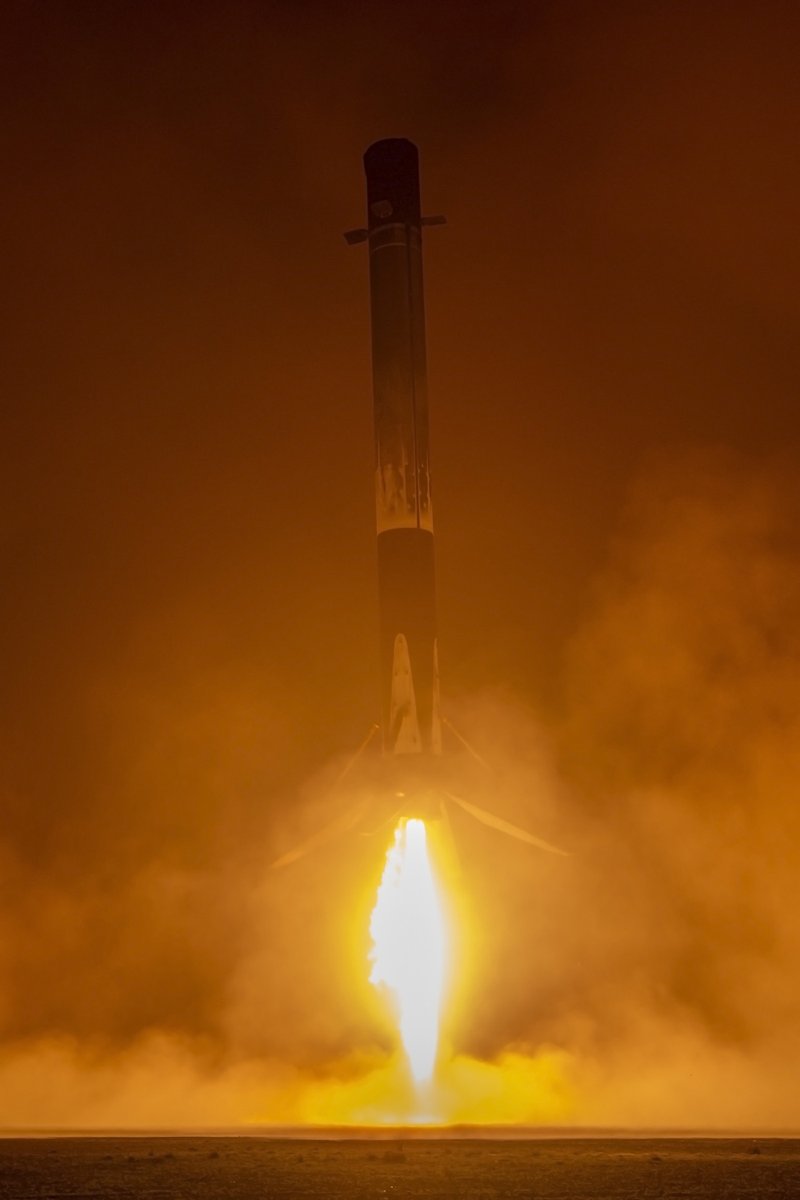
Florida destinations dominated the U.S. growth cities list again in 2023, with the Space Coast market (Palm Bay-Melbourne, FL) netting the largest number of movers in one-way U-Haul equipment last year #spacecoast#florida
Tomorrow, we launch.
At sunset tonight, Artemis II waits on the pad, ready to carry astronauts potentially farther than any humans have traveled in more than half a century.
The next era of exploration begins.
We're flying around the Moon. Come watch with us.
Live coverage of Artemis II prelaunch activities begins Friday, March 27, when the crew arrives at @NASAKennedy. Here's the full Artemis II event schedule — keep checking back for the latest updates: https://t.co/jroi7BTUA5
Our Artemis II crew will be going around the Moon, but they'll always find their way back home 🌎
During this complex journey, the four astronauts will travel ~685,000 miles on a trajectory around the Moon and back to Earth.
See their daily agenda: https://t.co/172PVtri2Z
With the conclusion of the wet dress rehearsal today, we are moving off the February launch window and targeting March for the earliest possible launch of Artemis II.
With more than three years between SLS launches, we fully anticipated encountering challenges. That is precisely why we conduct a wet dress rehearsal. These tests are designed to surface issues before flight and set up launch day with the highest probability of success.
During the test, teams worked through a liquid hydrogen leak at a core stage interface during tanking, which required pauses to warm hardware and adjust propellant flow. All core stage and interim cryogenic propulsion stage tanks were successfully filled, and teams conducted a terminal countdown to about T-5 minutes before the ground launch sequencer halted operations due to an increased leak rate. Additional factors included extended Orion closeout work, intermittent ground audio dropouts, and cold-weather impacts to some cameras, along with the successful demonstration of updated Orion closeout purge procedures to support safe crew operations.
As always, safety remains our top priority, for our astronauts, our workforce, our systems, and the public. As noted above, we will only launch when we believe we are as ready to undertake this historic mission.
This is just the beginning. It marks the start of an Artemis program that will evolve to support repeated and affordable missions to the Moon, in line with President Trump’s national space policy. Getting this mission right means returning to the Moon to stay and a future to Artemis 100 and beyond.
I want to thank the talented workforce at NASA, along with our industry and international partners, who are working tirelessly on this effort. The team will fully review the data, troubleshoot each issue encountered during WDR, make the necessary repairs, and return to testing. We expect to conduct an additional wet dress rehearsal and then target the March window.
We will continue to keep the public and the media informed as readiness progresses.
SOON TO BE AIRBORNE: Port Canaveral’s North Cargo Berth 1 had a special delivery – a satellite built by OHB Gmbh in partnership with Thales Alenia Space. The satellite was offloaded from the Ro-Ro (roll on/roll off) cargo vessel MN Colibri and is scheduled to be launched into space in the coming weeks.
#spaceportcanaveral #spacecoast
"Homegrown innovators like Vaya Space, a launch company established in Cocoa, are also pushing the boundaries with sustainable rocket technology...to reduce launch costs and environmental impact."
Thanks for the shoutout @EdgarCAPX!
https://t.co/rNjRpibGkT
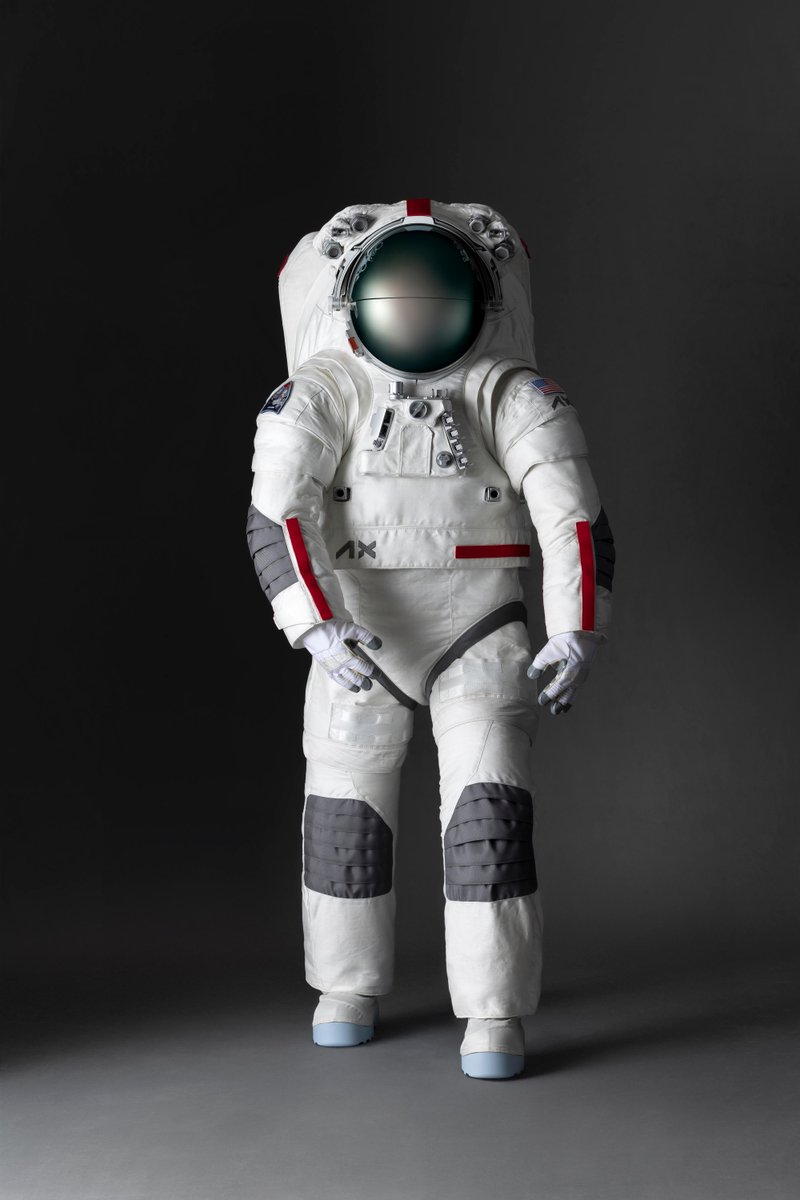
Houston, we have a new spacesuit.
At the #IAC2024 in Milan, @Axiom_Space unveiled the flight design of its lunar spacesuit that @NASA_Astronauts will wear during the #Artemis III mission when they set foot on the Moon for the first time in over 50 years.
Watch as our largest planetary spacecraft takes flight!
@EuropaClipper is targeted to launch at 12:06pm ET (1606 UTC) on a Falcon Heavy rocket from @NASAKennedy, beginning its journey to Jupiter’s ocean moon, Europa. https://t.co/ajxnh7LMhQ
Una misión exitosa para @ulalaunch y Vulcan, que logran poner en órbita a una carga simulada con total precisión.
@torybruno afirma que habrá un análisis sobre el comportamiento de uno de los cohetes laterales, pero que están más que satisfechos con el resultado del vuelo.