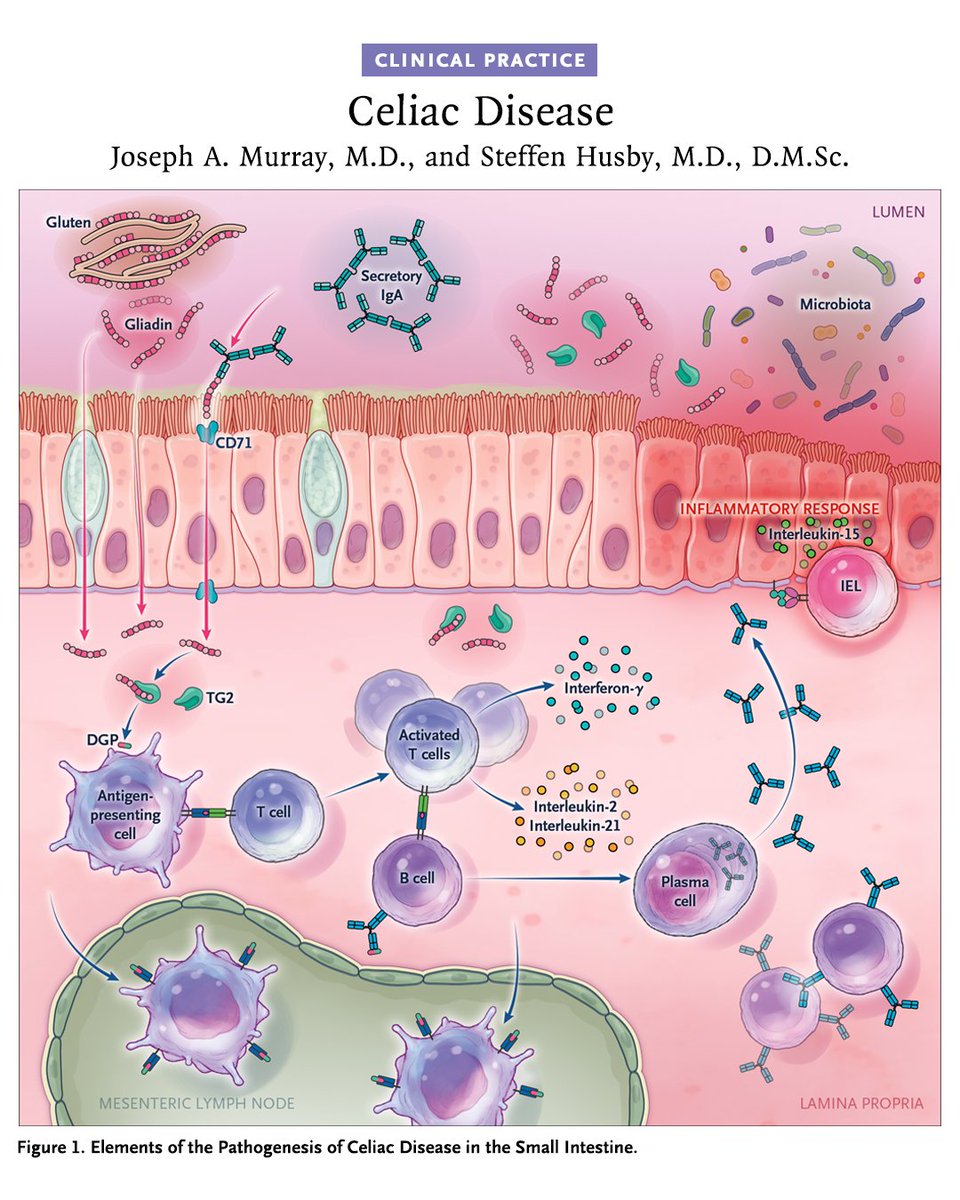
A new article summarizes the epidemiology, diagnosis, and management of celiac disease and highlights serologic testing, biopsy confirmation, associated autoimmune conditions, and a gluten-free diet as treatment.
Read the Clinical Practice article “Celiac Disease” by Joseph A. Murray, MD, and Steffen Husby, MD, DMSc, from @mayoclinic and the University of Southern Denmark: https://t.co/mK3xminnKI
Global food systems pose increasing harms to human health and the environment, so how can we shift toward healthier, sustainable, and more equitable systems for the world’s 8 billion people?
In a new #ScienceReview, researchers examine the evidence for how global diets have changed and strategies that could transition food systems toward a healthier future.
Learn more: https://t.co/kCuDwFjSbR
The production and accumulation of aberrant proteins can have serious pathological consequences.
In a new #ScienceReview, researchers explore how organisms maintain the extracellular proteome.
They describe a hierarchical framework for the monitoring, repair, and clearance of aberrant or pathological proteins and suggest possible ways to improve health and prevent protein-misfolding diseases by promoting these pathways. https://t.co/f8mtn5akVW
Butterfly populations across the U.S. are in alarming decline, according to a 2025 Science study, with total abundance falling by 22% in just 20 years.
Such widespread and worrisome losses portend broader environmental threats and emphasize the urgent need for conservation action. https://t.co/Un9IacvMKN #ScienceMagArchives
Chronic inflammation increases the risk of colon cancer. This inflammation drives epigenetic changes in the nucleus of stem cells that promote tumour formation
https://t.co/IHlhLK6YE2
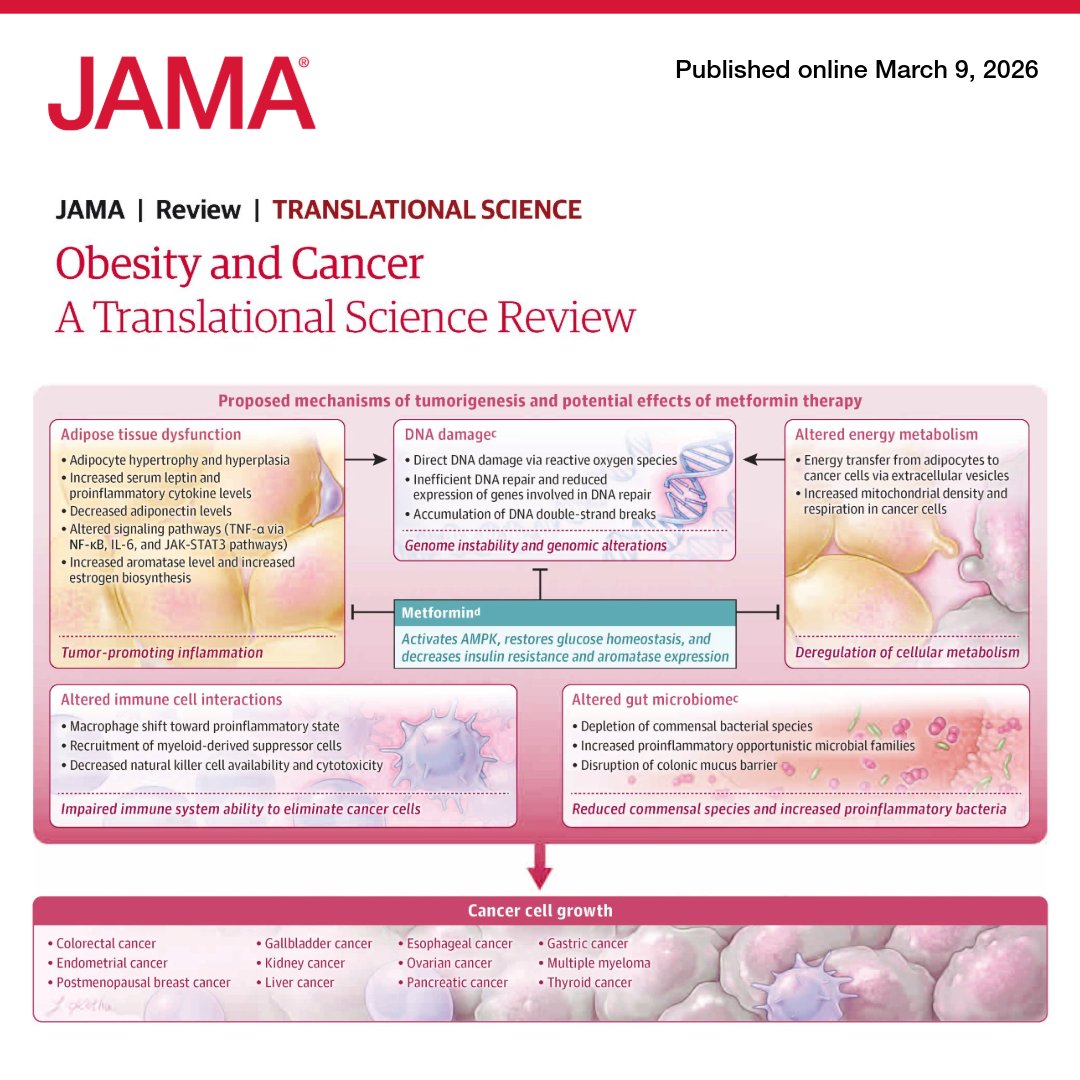
#Obesity is associated with higher risk for 12 #cancer types and accounts for approximately 10% of annual new cancer cases in the US.
📄 This Review summarizes the primary biological pathways connecting obesity and cancer development. https://t.co/L6mWf5nPUQ
Scientists say they have made some of the first direct measurements of how long it takes an individual, ordinary protein to fold – and the results were surprising.
https://t.co/gs7UUNBLke
#Type1Diabetes affects approximately 2 million people in the US and 8.4 million people worldwide.
🔗 Learn more about the diagnosis and treatment of type 1 diabetes in this JAMA Review: https://t.co/Tmm9V6ogGx
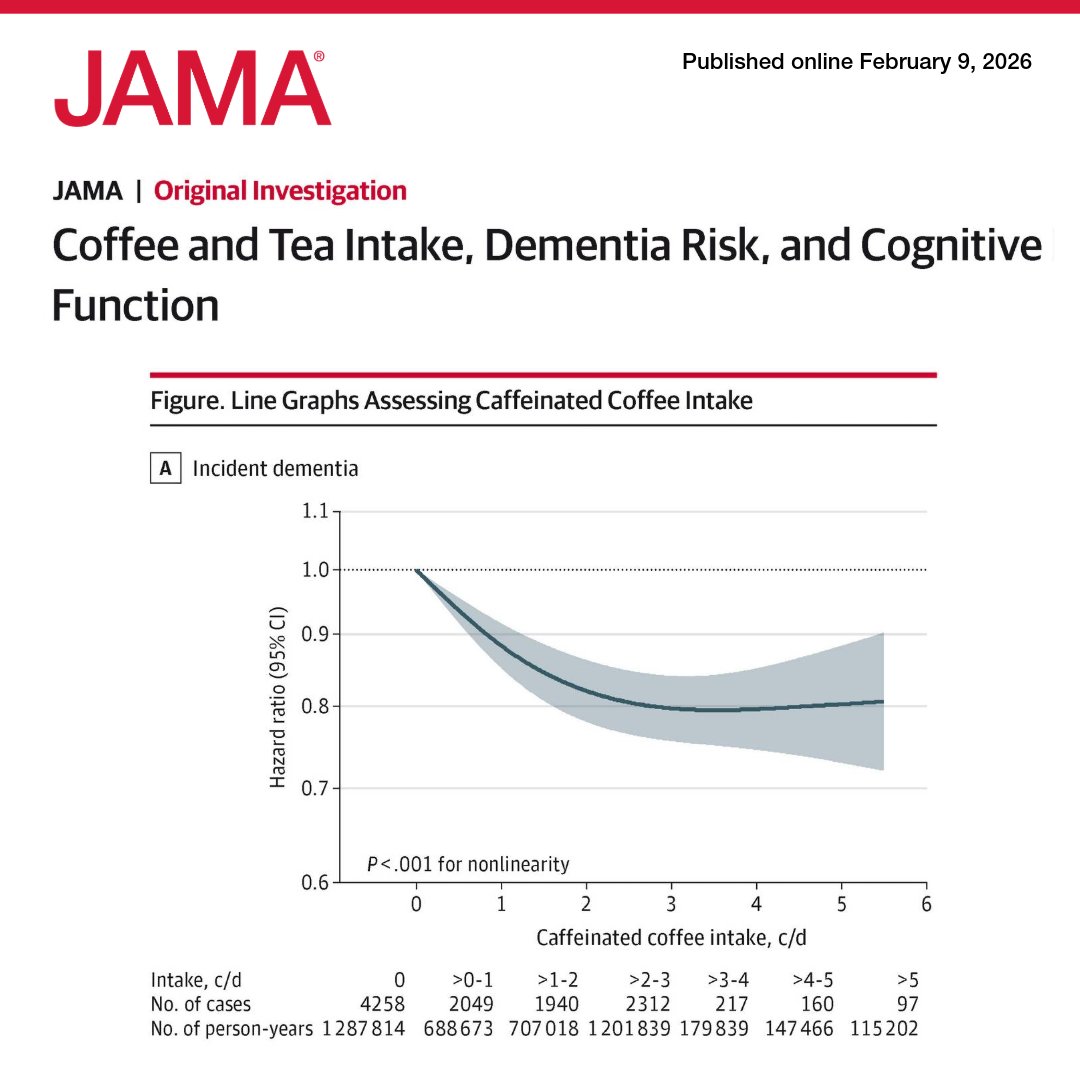
Higher intake of caffeinated coffee or tea was associated with a lower risk of #dementia and modestly improved #cognitive function, with maximal benefit seen at moderate consumption levels.
🎥 Watch the video and read the full study: https://t.co/QzaKlAjLZh
Moderate consumption of caffeinated coffee or tea was linked to reduced #dementia risk and modest improvements in cognitive outcomes; no benefit was seen for decaffeinated coffee in an observational study of US adults.
https://t.co/jlPgjAuosa
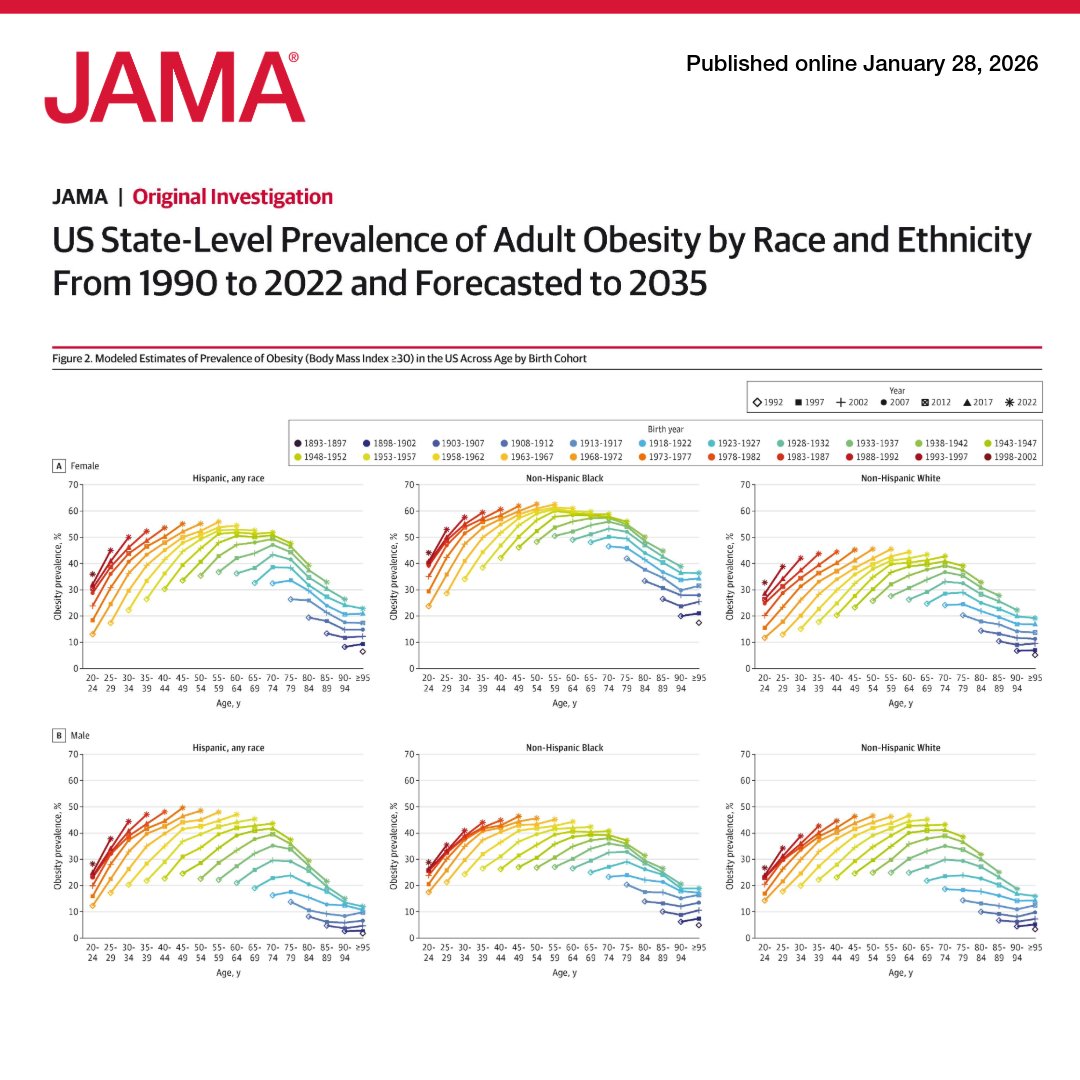
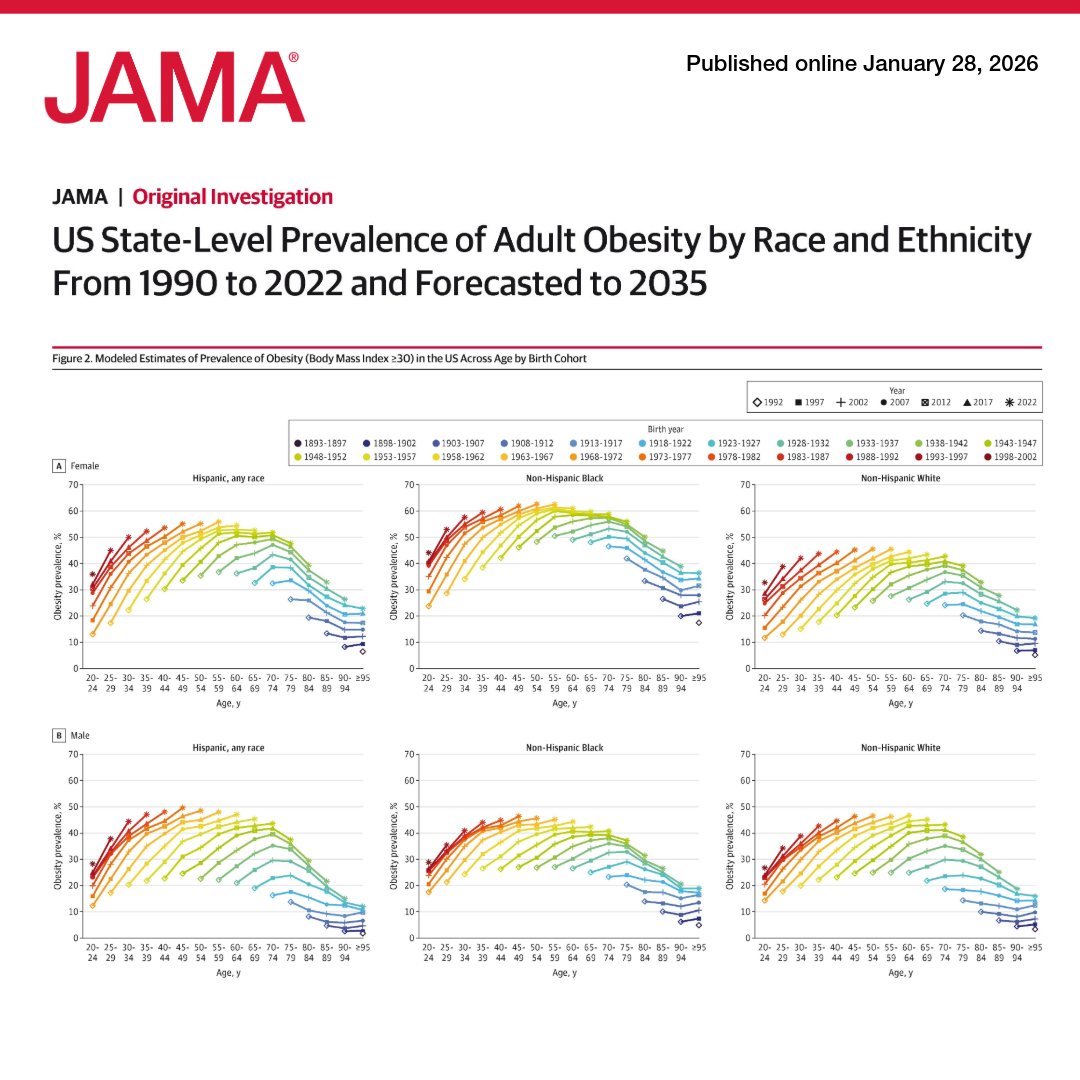
#Obesity prevalence among US adults more than doubled from 19.3% in 1990 to 42.5% in 2022 and is projected to reach nearly 47% by 2035, with sharper increases among younger adults and persistent differences across states, sex, and race and ethnicity.
https://t.co/a4Cq59RPDT
An update to the Hallmarks of Cancer framework for understanding (and researching) what causes human cancers. https://t.co/3d6pYrcAJ5
Douglas Hanahan
@CellCellPress
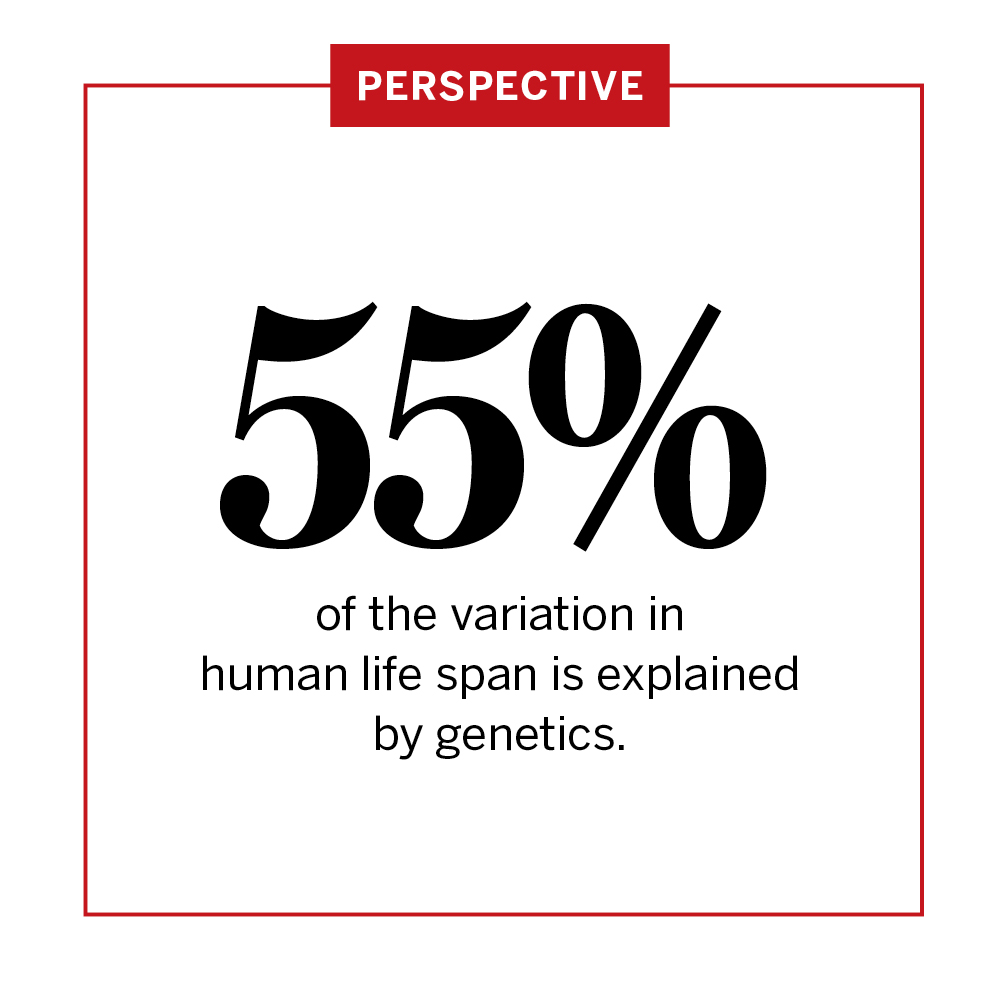
An analysis of twin cohort data suggests that human life span is far more heritable than previously believed.
The findings of the analysis in Science show that once deaths from external factors, such as accidents or infectious disease, are accounted for, genetics may explain ~50% of how long we live.
📄: https://t.co/yKb6QyeklW
#SciencePerspective: https://t.co/Skma13Zam5
#Obesity prevalence among US adults more than doubled from 19.3% in 1990 to 42.5% in 2022 and is projected to reach nearly 47% by 2035, with sharper increases among younger adults and persistent differences across states, sex, and race and ethnicity.
https://t.co/TYsn6a6cDt
Genomic and transcriptomic analysis of samples from patients with multiple myeloma, followed by in vitro validation, indicate mechanisms of antigen escape in response to GPRC5D T cell engager talquetamab, including biallelic deletions, small nucleotide variants and insertion-deletions and chromatin silencing.
https://t.co/fryIkDlXdj
Researchers studied blood-based metabolome of over 23,000 individuals from 10 ethnically diverse cohorts. They identified 235 metabolites associated with future risk of T2D. By integrating genetic and modifiable lifestyle factors, their findings provide insights into T2D mechanisms and could improve risk prediction and inform precision prevention.
https://t.co/PnxC8YUgEW
Fat storage in the body relies on specialized structures called lipid droplets. In a new Science study, researchers identified the microprotein adipogenin as a regulator of adipocyte lipid droplet size, revealing a key mechanism in lipid homeostasis.
Learn more in this week's issue: https://t.co/vBNrgKWeza