Professor & Sport Scientist | Focus: energy, metabolism & performance in athletes | Science Writer | Former D1 Athlete | Sport Performance Coach & Consultant
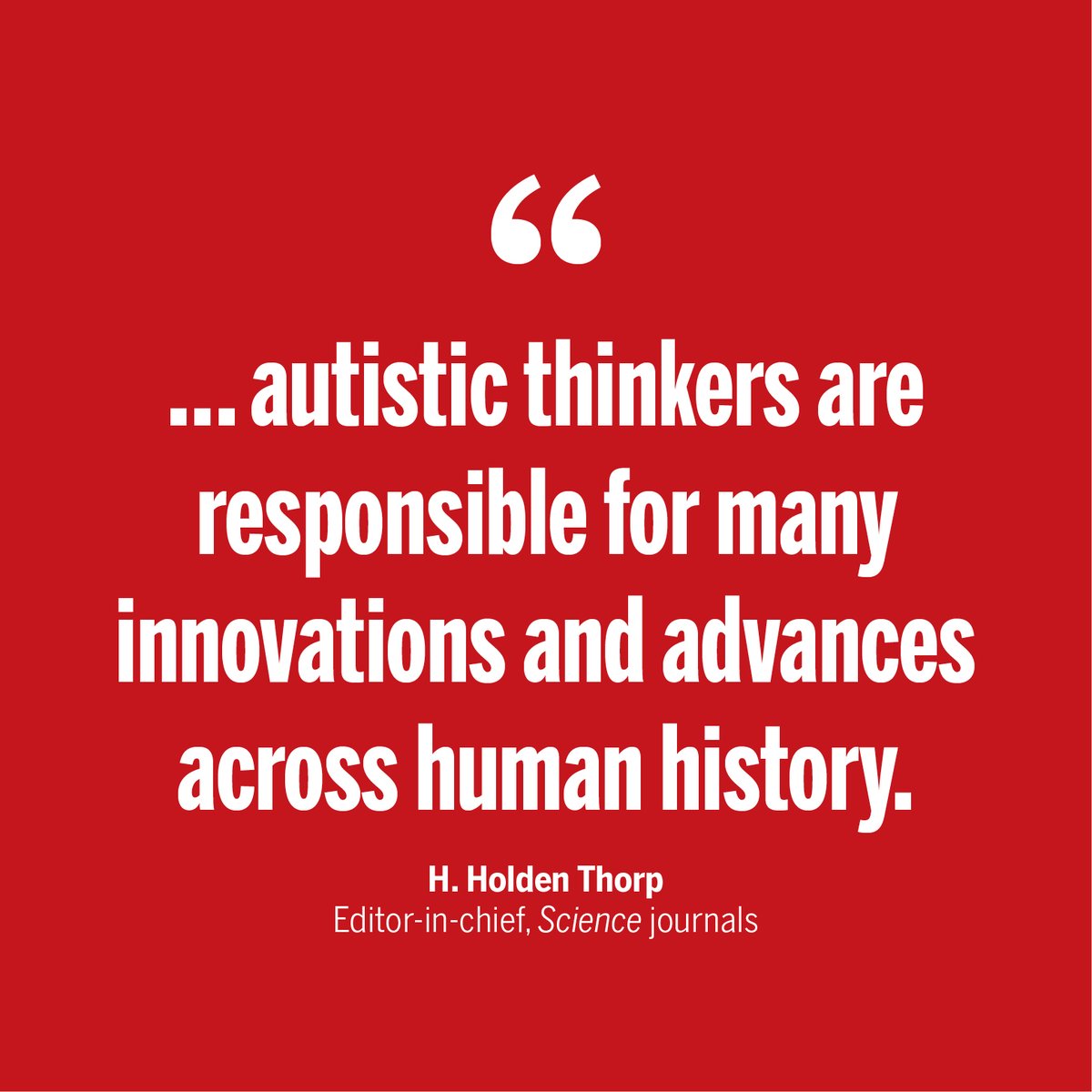
"If we really want the best talent in science, then let’s foster environments across the scientific enterprise that invite neurodiversity and recognize the strengths of neurological differences," writes H. Holden Thorp in a 2024 #ScienceEditorial. https://t.co/hsz1Iw8PC1
‼️NEW PAPER‼️ In collegiate female distance runners, we found that poor fueling at pre-season, as evidenced my metabolic compensation, predicted end of season running performance. Check it out! @EurJSportSci@AnaSalamunes
https://t.co/ntFl3Dvvyn
Our new paper titled "Pre-Season Energy Deficiency Predicts Poorer Performance During a Competitive Season in Collegiate Female Long-Distance Runners" is out!
Available for free on @EurJSportSci : https://t.co/R5IXJaGY4g
@EmilyALundstrom
What's the key to a fast marathon? A lot of "slow" miles.
According to a new study analyzing 151,813 marathon performances, how runners distribute their training intensity is a key predictor of race-day performance.
The study examined training logs from runners of all levels, grouping them by marathon finish time.
Using a three-zone intensity model, researchers categorized workouts as:
- low-intensity (Zone 1; below lactate threshold)
- moderate-intensity (Zone 2; between lactate threshold and critical speed)
- high-intensity (Zone 3; above critical speed)
They analyzed how much time runners spent in each zone in the 16 weeks leading up to the race and how that related to their marathon performance.
Here’s what they found:
- Faster runners (finishing in 2–2.5 hours) trained three times more than slower runners, averaging 107 km (66 miles) per week.
- The top performers spent ~67% of their training time in Zone 1 (easy effort), while slower runners spent less time in this zone.
- The faster runners also followed a pyramidal training intensity distribution (Z1 > Z2 > Z3). This strategy, emphasizing high volume in Zone 1 with decreasing time in higher zones, was most common among the fastest athletes.
What hurts performance?
- Spending too much time in Zone 2 or Zone 3 was linked to slower marathon times.
The findings align with broader endurance research, showing that elite athletes rely on high training volumes (the “80/20 approach") combined with strategic high-intensity efforts to reach their peak.
Sleep regularity is going to be the most important "biomarker" of 2025.
Consistent/regular sleep is a critical factor for overall health and well-being, potentially as important as sleep duration. Inconsistent sleep patterns are linked to a wide array of negative health outcomes, including:
-Increased risk of metabolic disorders and cardiovascular issues
- Poorer mental health and increased risk of depression and suicidal ideation
- Impaired cognitive function and reduced daytime alertness
- Increased risk-taking behaviors and potential self-harm
A consensus statement from the National Sleep Foundation concludes that maintaining a stable sleep schedule, both during the week and on weekends, can positively impact physical and mental well-being. While weekend catch-up sleep might provide some benefits, particularly for those with insufficient weekday sleep, consistent, regular sleep is generally more beneficial.
DOI: 10.1016/j.sleh.2023.07.016
Why Youth Athletes Should Play Multiple Sports ⛹️♀️🤾♂️
📋 Great infographic demonstrating why it's important for youth athletes to play multiple sports rather than specialize in one sport early on!
Attention student athletes👇
How to outpace 50% of your competition for free!
• Go to bed early
• Wake up early
• Study your craft and watch film
• Avoid junk food and negativity
• Hang with the right crowd
• Drink water immediately on waking
• Ask more questions and be coachable
• Avoid alcohol, drugs, vaping and tobacco
Post-exercise myofibrillar protein synthesis rates do not differ following 1.5 g essential amino acids compared to 15 and 20 g of whey protein in young females
https://t.co/SMgg5gxbJb
🚨 Excited to share my research on how sport-related stress affects college athletes' eating habits is featured in a new press release from Penn State! 🏅 Check it out for insights into athlete nutrition & health. Link: https://t.co/faSZ4n1XUP
#SportsScience#Nutrition#Stress
Thrilled to share that I have graduated with my PhD in Kinesiology (specialty: Exercise Physiology)! Tremendously grateful for the support from mentors, friends & family. Excited to continue contributing to the field of sport science & athlete health as Dr. Emily Lundstrom, PhD!
How much does energy expenditure fluctuate during the menstrual cycle?🩸
This new study recruited 38 naturally-menstruating women (NM) and 19 women using monophasic combined oral contraceptives (OC)👭
🔥Resting energy expenditure (REE)
⚖️Body composition
🩸Hormonal analysis
…were assessed in the early follicular & mid-luteal phase in the NM group, and in the active & inactive phases of the OC group 🗓️
Results📊
👉 REE was only 44 kcal ⬆️ in the luteal phase vs the follicular phase
👉 In the OC group, REE was -2 kcal between active & inactive phases
Resting energy expenditure changes minimally during menstrual cycle phases and may not warrant significant changes in dietary energy intake 🍽️
I’m increasingly convinced that creatine is a great supplement. I take it, and here's why: Not only does it enhance muscle strength and recovery, but may also offer significant brain benefits, based on solid research.
It boosts ATP production to fuel your muscles, and emerging research shows it also sharpens cognitive function, especially under stress and fatigue.
As for the myth about creatine causing hair loss, recent podcast guest Dr. Layne Norton (@biolayne) shares this:
The evidence simply doesn’t support this claim. The concern stemmed from a small study linking creatine to increased DHT levels, but no direct connection to hair loss has been found.
A dose of 5 to 10 grams daily seems enough for most people to see the benefits. While a “loading dose” was once recommended, most experts don’t think this is necessary.
If you feel gastrointestinal distress or bloating while taking creatine, try this simple strategy: take two or three smaller daily doses rather than one large dose to reduce the side effects.
Curious about more of Dr. Layne Norton's top supplement recommendations? Tune in to the latest episode of the FoundMyFitness podcast to get the full breakdown.
Watch now:
https://t.co/zYutZlVTfh
Iron Deficiency significantly impacts your physical performance and productivity.
Recognizing the symptoms early and getting the help you need can dramatically improve your overall health and wellbeing.
Stay informed, get involved and check your blood health today
Ted Lasso isn’t just a coach; he’s a playbook on leadership.
His infectious positivity and authenticity are a winning formula for any coach.
He reminds us to stay curious, use humor to connect, and always be true to ourselves.
Here are 7 Leadership Lessons from Ted Lasso.
1: BRING POSITIVE ENERGY - Ted is incredibly positive and optimistic, even in adversity. He encourages his team to focus on their strengths and celebrate their successes, no matter how small. TL: "I do love a locker room. It smells like potential."
2: SHOW EMPATHY - Ted is empathetic and takes the time to get to know his players personally. It is all about RELATIONSHIPS with Ted. TL: "Your body is like day-old rice. If it ain't warmed up properly, something real bad could happen."
3: BE AUTHENTIC - Ted is authentic and genuine. He doesn't try to be anyone other than himself. He is honest with his players and colleagues, even when it is difficult. TL: "You know what the happiest animal on Earth is? It's a goldfish. Do you know why? It's got a 10-second memory."
4: USE HUMOR - Ted has a great sense of humor. He uses it to diffuse tension and bring his team together. He doesn't take himself too seriously and encourages his players to have fun and enjoy the game. TL: "It's kind of like back in the '80s when 'bad' meant 'good.'"
5: BE COLLABORATIVE - Ted believes in collaboration and teamwork. He encourages his players to work together. TL: "I promise you there is something worse out there than being sad, and that's being alone and being sad. Ain't no one in this room alone."
6: BE A CONNECTOR - Ted is a connector of people. He understands that a connected team is a winning team. TL: "If you care about someone, and you got a little love in your heart, there ain't nothing you can't get through together."
7: BE CURIOUS! - Ted does not know it all. He does not have all the answers. He does have ALL of the questions. But he is curious! TL: "I feel like we fell out of the lucky tree and hit every branch on the way down, ended up in a pool of cash and Sour Patch Kids."
_____
Do you like this post?
Then, you will love my free weekly newsletter.
🏆 Great Teams - Better Leaders 123
Actionable ideas on coaching, leadership, culture, and teams.
Join 12,500+ others who read each week. Subscribe in my profile.
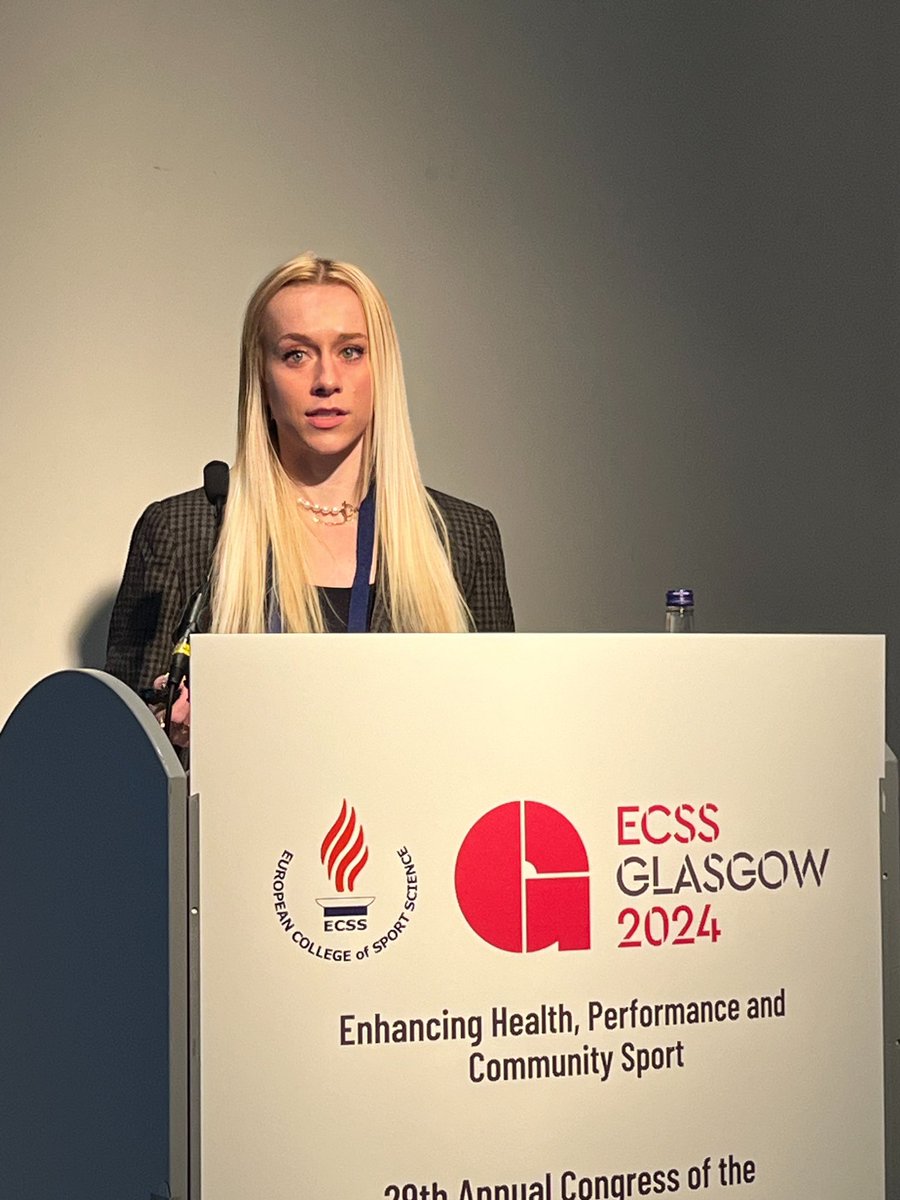
Had the most lovely time attending & having the opportunity to present my research on energy availability, sleep and sport performance in elite athletes at @E_C_S_S this last week! It’s always so fun seeing old colleagues/friends, meeting new ones, & discovering a new country! 🤩